Behavioural finance and the psychology of money
Books on how investors and consumers behave with money, behavioural economics research, and the emotions behind spending, saving and trading.
Start here
- Contrarian Investment StrategiesDavid Dreman, 1999
- Discover Your Inner EconomistTyler Cowen, 2007
- Predictably IrrationalDan Ariely, 2008
- PricelessWilliam Poundstone, 2010
- Misbehaving: The Making of Behavioral EconomicsRichard H. Thaler, 2015
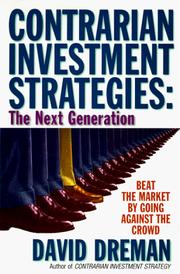
Data showing that low-expectation stocks beat popular ones over the long run.
“all these people really were helpful in forming and getting me involved in investing” — Joel Greenblatt
Source: Masters in Business transcript: Joel Greenblatt (2018)
Recommended by: Joel Greenblatt, Michael Mauboussin and 2 others
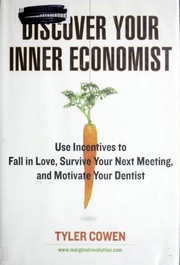
Economics for daily life: motivating people, choosing food, giving to charity.
“Recommendations for the transactions of life. When to give to charity, what restaurants to choose, what insurance to buy, etc. He makes a rational case for these, often surprising, from an economics point of view.” — Derek Sivers
Source: Derek Sivers book notes (primary, rated list) · Rating: 8/10
Recommended by: Derek Sivers, Graham Duncan
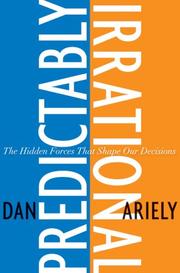
Experiments showing that people depart from rational choice in repeatable ways.
“My favorite type of book: pointing out and understanding all of the counter-intuitive things people do.” — Derek Sivers
Source: Derek Sivers book notes (primary, rated list) · Rating: 7/10
Recommended by: Derek Sivers, Michael Mauboussin and 10 others
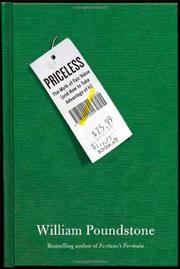
People have no fixed sense of value, so context and anchors set the prices they pay.
“For a good popular treatment of this topic, see William Poundstone, Priceless: The Myth of Fair Value (and How to Take Advantage of It) (New York: Hill and Wang” — Michael Mauboussin
Source: Blaming the Rat: Incentives, Motivation, and How They Interact, page 14
Recommended by: Michael Mauboussin, Mohnish Pabrai and 1 other
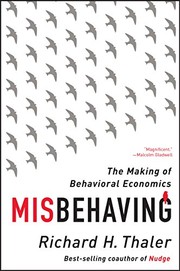
How behavioural economics was built against economists who assumed rational agents.
“He opens his new book, Misbehaving, with Vilfredo Pareto’s assertion that “the foundation of political economy and, in general, of every social science, is evidently psychology.” — Howard Marks
Source: On the Couch, page 1
Recommended by: Howard Marks, Michael Mauboussin and 2 others
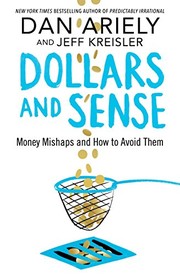
Why money is hard to think about, and the errors people make in spending.
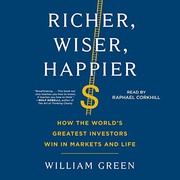
Lessons from 25 years of interviews with investors from Templeton to Munger.
“See William Green, Richer, Wiser, Happier: How the World’s Greatest Investors Win in Markets and Life (New York: Scribner, 2021)” — Michael Mauboussin
Source: Birth, Death, and Wealth Creation: Why Investors Need to Understand Corporate Demographics, page 24
Recommended by: Michael Mauboussin, Nick Sleep
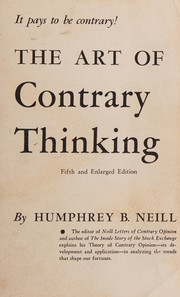
Essays on reading crowd opinion as a signal to think the opposite.
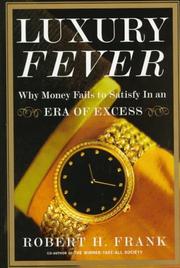
How positional spending on status goods drives American consumption.
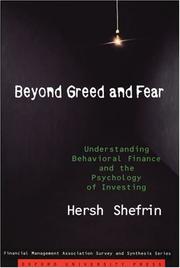
Behavioural finance for practitioners: mental shortcuts, framing and market errors.
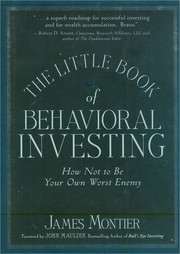
The biases that wreck investment decisions, and practical fixes for each.
Recommended by: Mohnish Pabrai
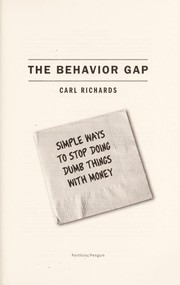
Sketches of the gap between what people know to do with money and what they do.
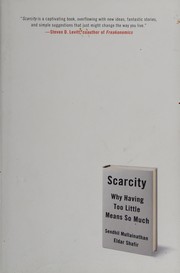
How a shortage of money or time narrows attention and weakens decisions.
Recommended by: Mohnish Pabrai, Daniel Kahneman and 1 other
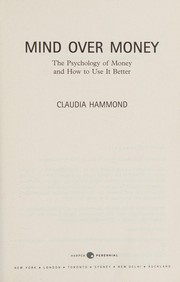
What neuroscience, psychology and biology reveal about how people treat money.
Home-study course rather than a trade book.
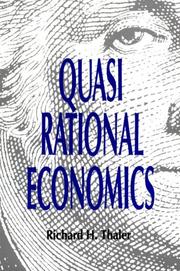
Why economic models fail when they assume people act fully rationally.

The Anomalies columns: systematic departures from standard economic theory.
“Richard H. Thaler, The Winner’s Curse: Paradoxes and Anomalies of Economic Life (Princeton, NJ: Princeton University Press, 1992, 157-158” — Michael Mauboussin
Source: Capital Ideas Revisited - Part 2: Thoughts on Beating a Mostly-Efficient Stock Market, page 9
Recommended by: Michael Mauboussin
The foundational papers of behavioural finance, collected.
A second collection of behavioural finance papers, more theoretical than the first.
Essays on investing philosophy, psychology, competition and science.
“My colleague Michael Mauboussin applied some of Gould’s analysis to investing in Chapter 6 of his book More Than You Know.” — Bill Miller
Source: 2006 Q4 Market Commentary
Recommended by: Bill Miller and 1 other
Techniques for understanding one's own financial psychology.
Recommended by: Patrick O'Shaughnessy
The neuroscience and psychology of investment decisions.
“Jason Zweig, Your Money and Your Brain: How the New Science of Neuroeconomics Can Help Make You Rich (New York: Simon & Schuster, 2007), 57-61” — Michael Mauboussin
Source: New Business Boom and Bust: How Capitalism Experiments, page 9
Recommended by: Michael Mauboussin, Mohnish Pabrai
How financial advisers can spot clients' biases and adjust their portfolios.
The psychological and spiritual types behind how people handle money.
Recommended by: Mohnish Pabrai
How psychology, which Keynes called animal spirits, drives the economy.
Recommended by: Jim Collins, Mohnish Pabrai
How investors fall into behavioural types, and how each should invest.
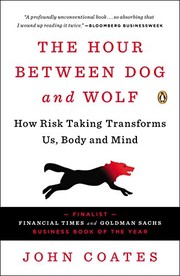
How testosterone feeds traders' winning streaks and appetite for risk.
“John Coates, The Hour Between Dog and Wolf: Risk Taking, Gut Feelings, and the Biology of Boom and Bust (New York: The Penguin Press, 2012)” — Michael Mauboussin
Source: Methods to Improve Decisions: Five Common Mistakes and How to Address Them, page 14
Recommended by: Michael Mauboussin, Nassim Nicholas Taleb
Research on how to spend money in ways that make people happier.
Recommended by: Mohnish Pabrai, Tim Ferriss
How traders can improve their results by transforming themselves.
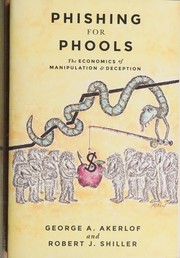
How free markets produce manipulation and deception as well as goods.
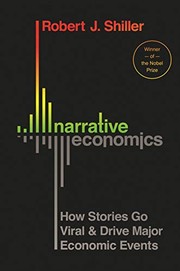
How popular stories spread like epidemics and drive economic events.
“Robert J. Shiller, Narrative Economics: How Stories Go Viral and Drive Major Economic Events (Princeton, NJ: Princeton University Press, 2019)” — Michael Mauboussin
Source: Who Is On the Other Side? A Framework for Understanding Market (In)Efficiency
Recommended by: Michael Mauboussin, Jackie Vullinghs
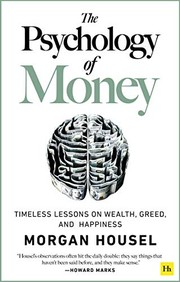
Twenty short essays on why behaviour matters more than knowledge with money.
“Example: Morgan Housel has sold 1M+ copies of "The Psychology of Money" with them (though he probably didn't need much help 😝 - if you haven't read this book yet, it's a MUST)” — Ana Fabrega
Source: Fab Fridays 96: Book Deal! - by Ana Lorena - Fab Fridays
Recommended by: Ana Fabrega, Andrew Wilkinson, Derek Sivers and 11 others
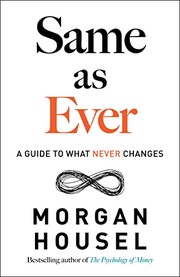
Twenty-three short essays on the parts of human behaviour that never change.
“There are many things that never change” — Andrew Wilkinson
Source: Newsletter
Recommended by: Andrew Wilkinson
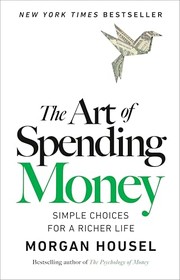
Why most people spend money badly, and how to spend it well.
“Philosophical thoughts on what to do with your money, which then relates to happiness, independence, envy, scarcity, and more. Putting money into savings is like buying independence. Imagine a 5-star chef cooks the most amazing meals for you 3× a day, every day. You’d lose the joy of a great meal since it’s no longer scarce. Implications for life?” — Derek Sivers
Source: Derek Sivers book notes (primary, rated list) · Rating: 7/10
Recommended by: Derek Sivers
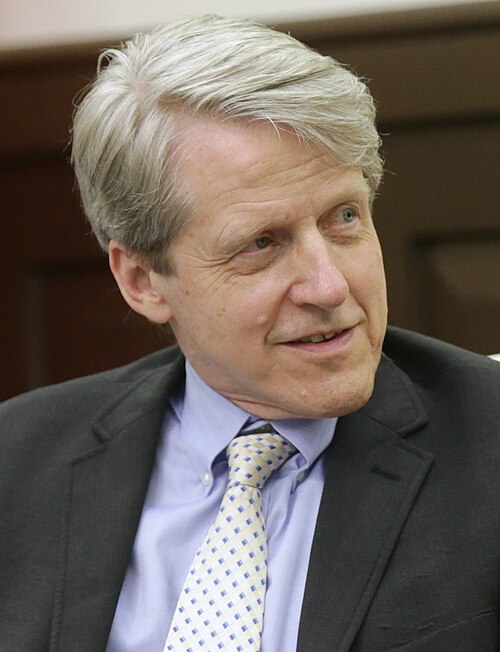
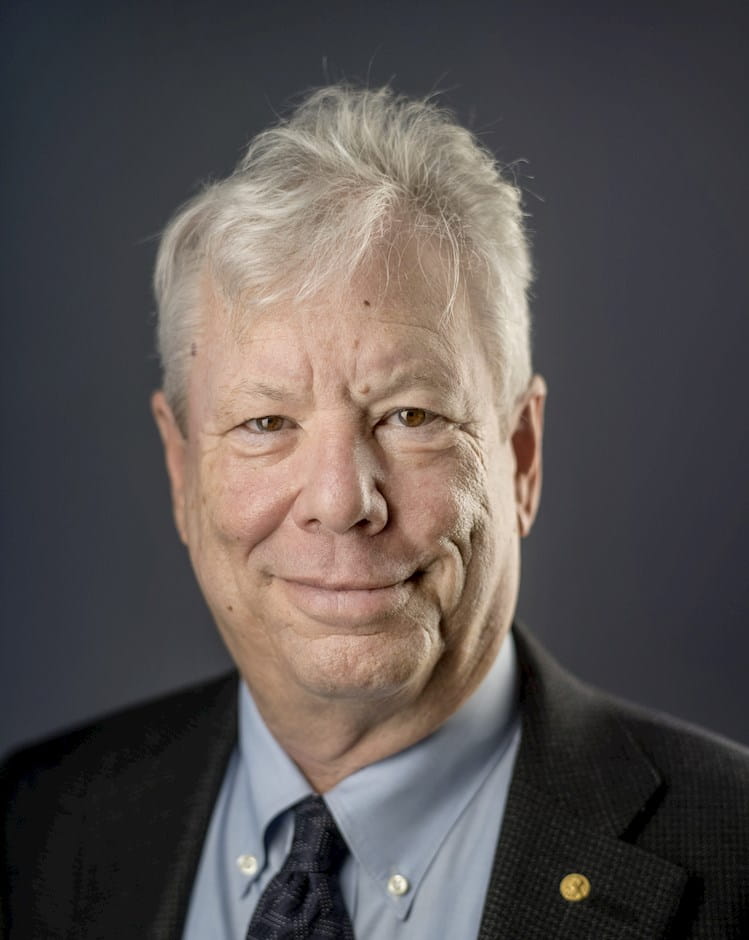 Richard H. Thalerwrote 5 books here
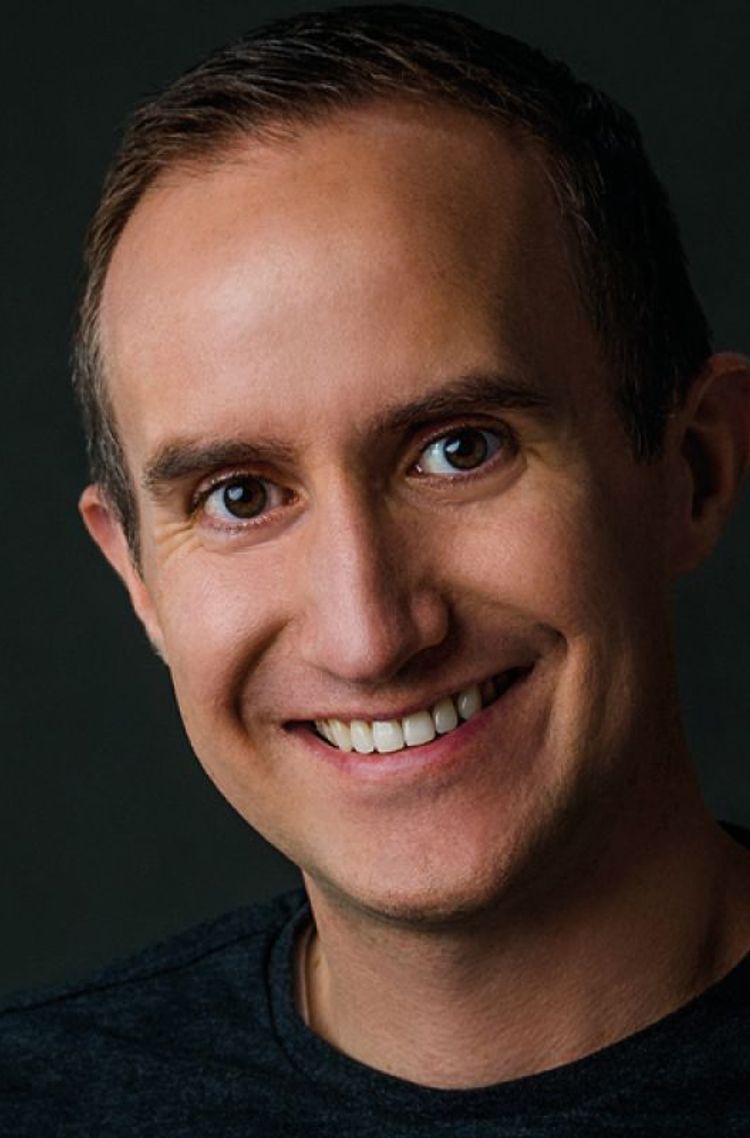
 Robert J. Shillerwrote 3 books here
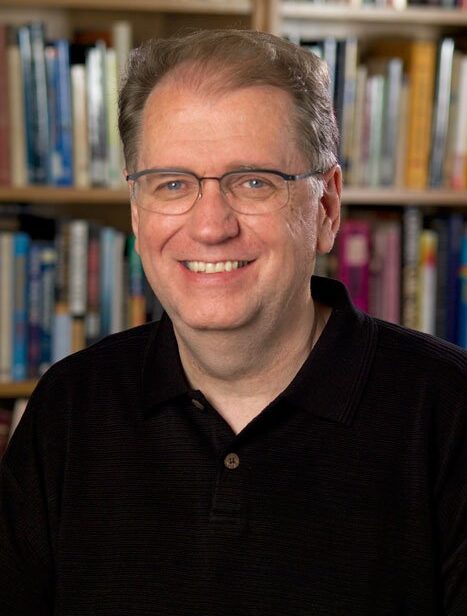
 Morgan Houselwrote 3 books here
 Dan Arielywrote 2 books here
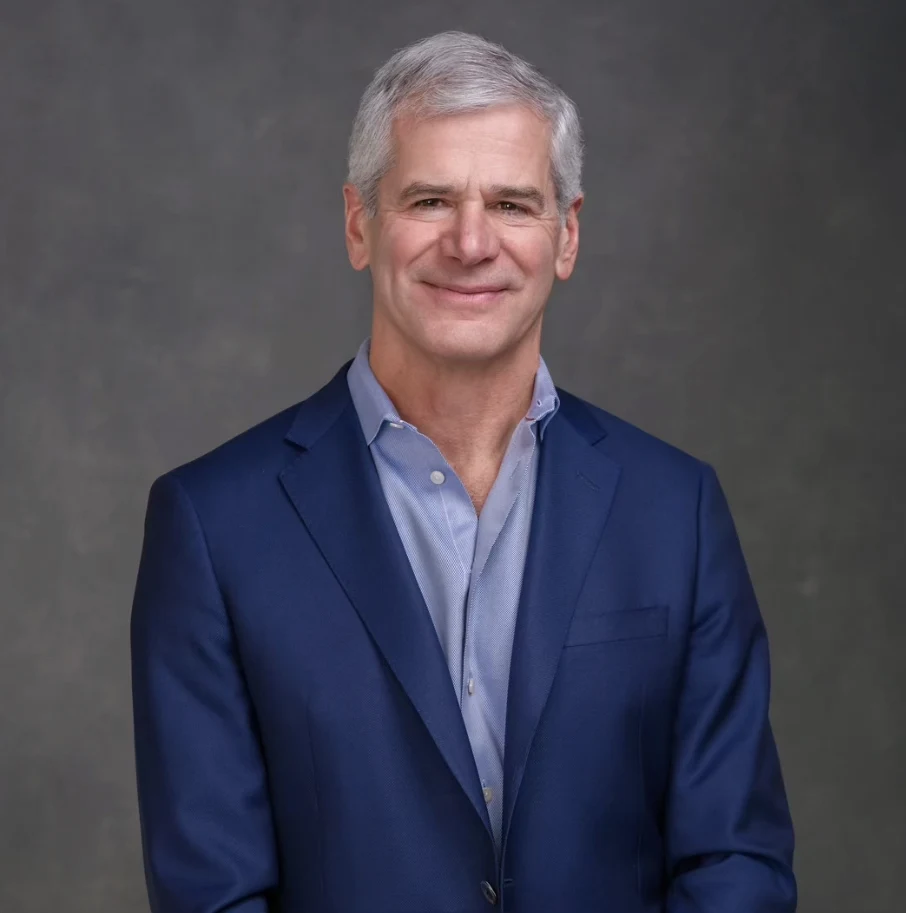
 Van K. Tharpwrote 2 books here
 Michael Mauboussinwrote 1 book here
 Jason Zweigwrote 1 book here
 Tyler Cowenwrote 1 book here
 James Montierwrote 1 book hereMichael Mauboussinrecommends 10 books here
 Mohnish Pabrairecommends 9 books here
 Derek Siversrecommends 4 books here
 Howard Marksrecommends 2 books here
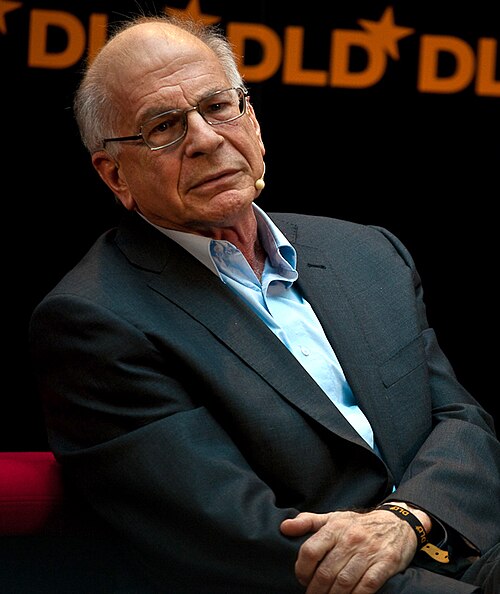 Daniel Kahnemanrecommends 1 book here
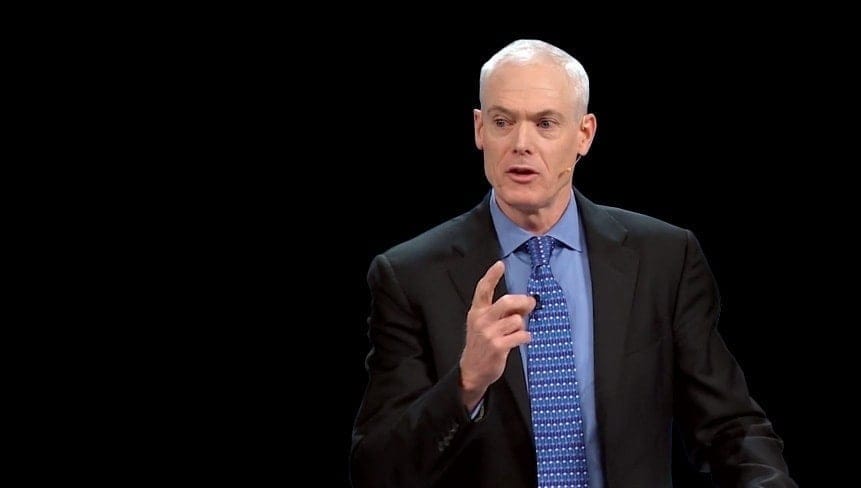 Jim Collinsrecommends 1 book here
 Marc Andreessenrecommends 1 book here
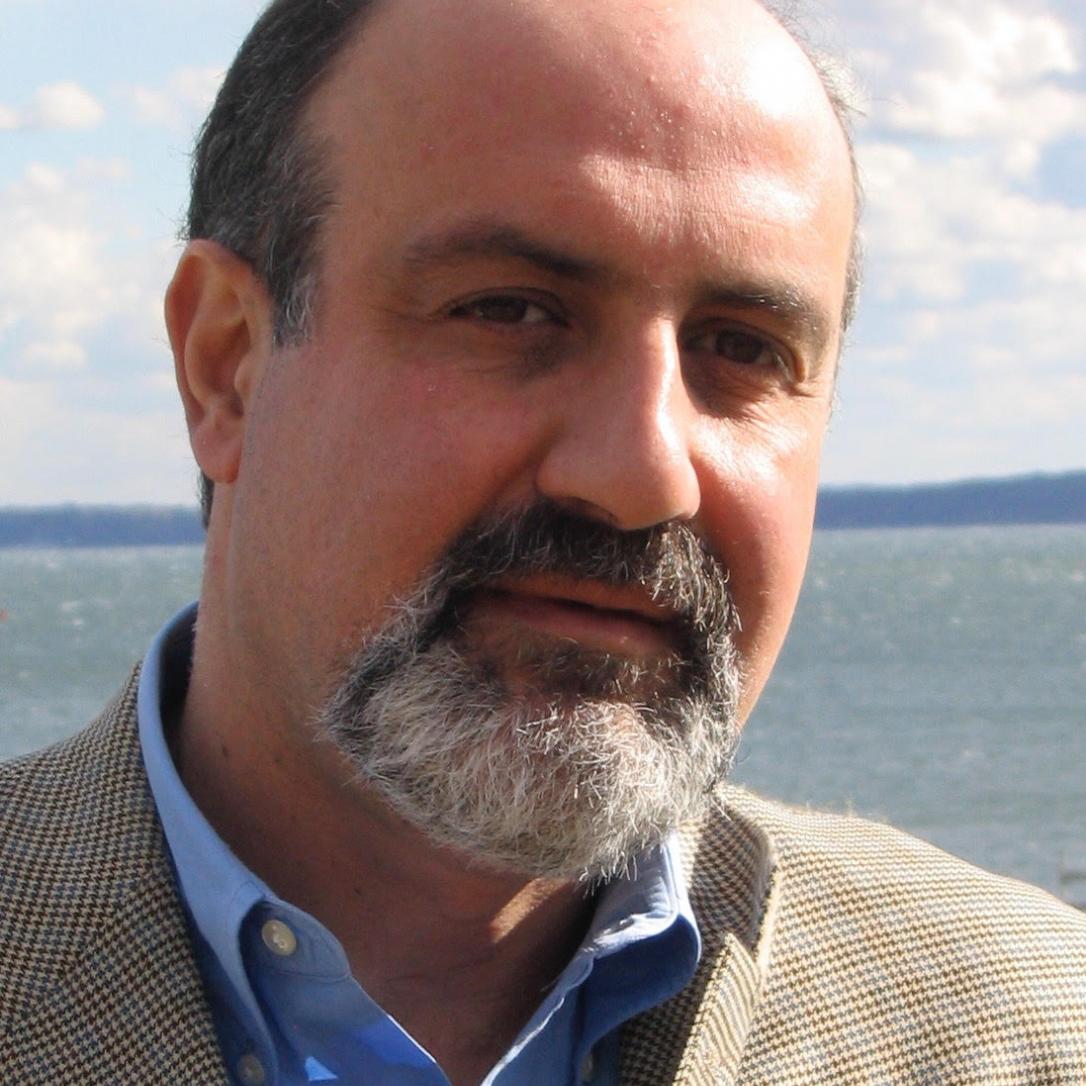 Nassim Nicholas Talebrecommends 1 book here
 Bill Millerrecommends 1 book here
Show all 38
Tyler Cowenrecommends 1 book here Alfred Linrecommends 1 book here
 Ana Fabregarecommends 1 book here
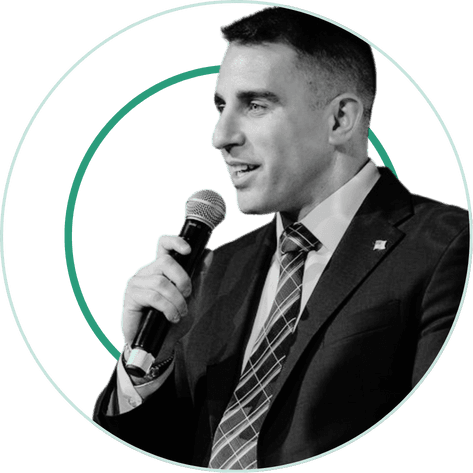 Anthony Pomplianorecommends 1 book here
 David Kadavyrecommends 1 book here
 Esther Dysonrecommends 1 book here
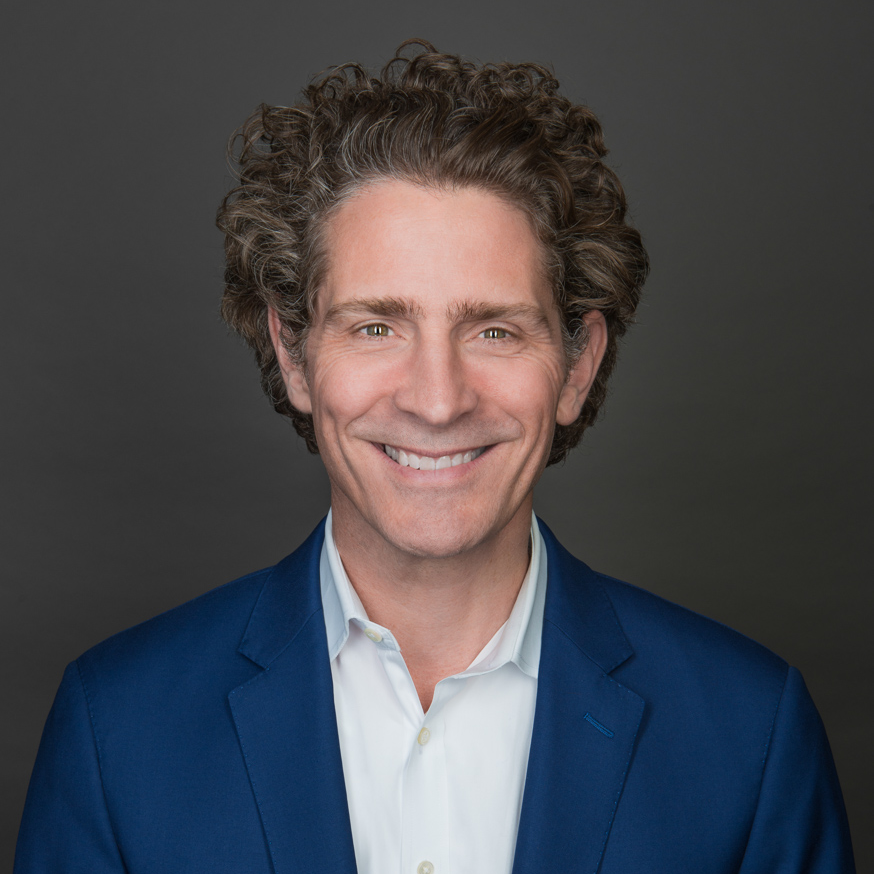 Graham Duncanrecommends 1 book here
 Jackie Vullinghsrecommends 1 book here
 Jake Knapprecommends 1 book here
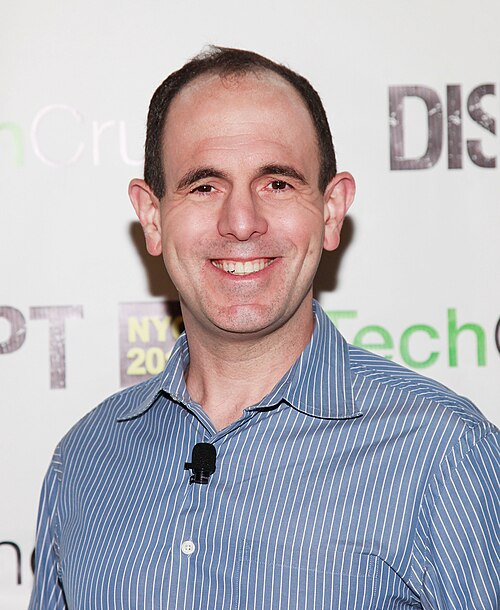 Keith Raboisrecommends 1 book here
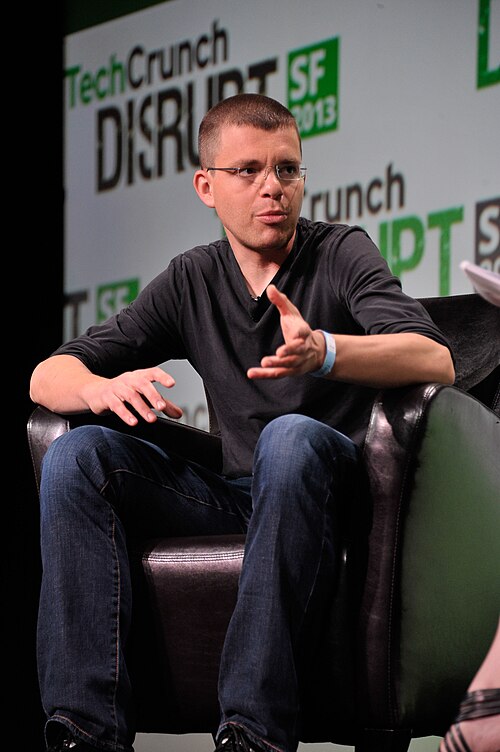 Max Levchinrecommends 1 book here
 Nat Eliasonrecommends 1 book here
 Peter Malloukrecommends 1 book here
 Terrance McArthurrecommends 1 book here
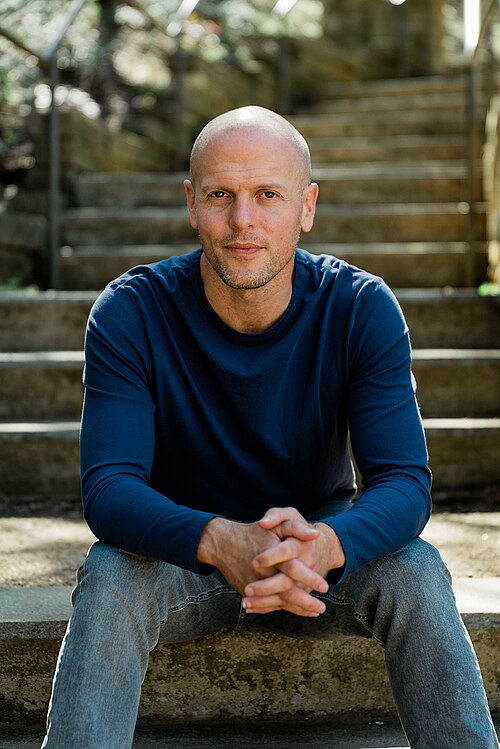 Tim Ferrissrecommends 1 book here
 Tom Bilyeurecommends 1 book here
 Tristan Harrisrecommends 1 book here