Behavioural economics and uncertainty
Books on how people depart from rational choice and how chance and rare events shape outcomes, by Thaler, Ariely, Shiller and Taleb.
Start here
- Radical UncertaintyJohn Kay, Mervyn King, 2020
- Luxury FeverRobert H. Frank, 1999
- Antifragile: Things That Gain from DisorderNassim Nicholas Taleb
- Fooled by RandomnessNassim Nicholas Taleb
- Stumbling on HappinessDaniel Gilbert
Why economics misapplies probability to problems where the future is unknowable.
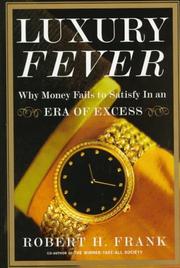
How positional spending on status goods drives American consumption.
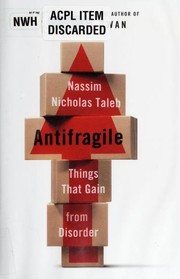
Why some things gain from volatility and disorder, and how to build them.
“Antifragile. Loved the first 1/3 and last 1/3 of this book.” — Andrew Chen
Source: Books I’m reading (2013)
Recommended by: Ana Fabrega, Andrew Chen, Derek Sivers and 24 others
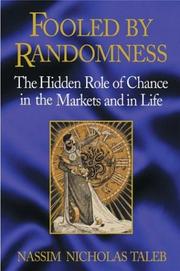
Why people mistake luck for skill, above all in markets.
“Fooled By Randomness was unquestionably the best non-fiction book I read in 2005.” — Brad Feld
Source: Book Review: Fooled By Randomness — Feld Thoughts
Recommended by: Barton Biggs, Brad Feld, Derek Sivers and 15 others
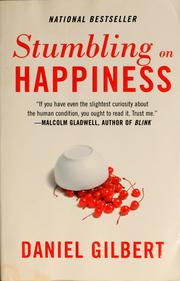
Why people are bad at predicting what will make them happy, and how the errors arise.
“Not at all new-agey, as the title might suggest. Harvard professor of psychology has studied happiness for years, and shares factual findings that will change the way you look at the world.” — Derek Sivers
Source: Book notes by Derek Sivers
Recommended by: Andrew Wilkinson, Derek Sivers, Jim Collins and 4 others

Experiments showing most cheating is many people cheating a little.
Recommended by: Mohnish Pabrai
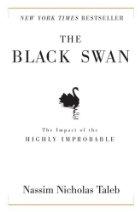
Rare, unforeseen, high-impact events drive history, explained only after the fact.
“The Black Swan U The best-known bird around today is The Black Swan, the second book from Nassim Nicolas Taleb.” — Howard Marks
Source: The Complete Collection, page 530
Recommended by: David Perell, Howard Marks, Marc Andreessen and 20 others
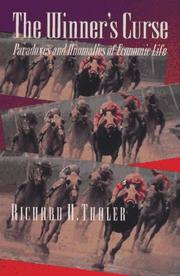
The Anomalies columns: systematic departures from standard economic theory.
“Richard H. Thaler, The Winner’s Curse: Paradoxes and Anomalies of Economic Life (Princeton, NJ: Princeton University Press, 1992, 157-158” — Michael Mauboussin
Source: Capital Ideas Revisited - Part 2: Thoughts on Beating a Mostly-Efficient Stock Market, page 9
Recommended by: Michael Mauboussin
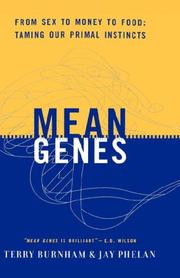
Why evolved instincts push people toward bad choices on money, food and sex.
Recommended by: Mohnish Pabrai, Nassim Nicholas Taleb
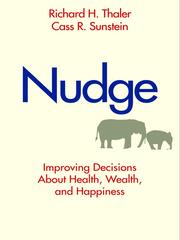
How choice architecture can steer people to better choices without removing options.
“Introducing the idea of Libertarian Paternalism: influencing people's behavior for their own benefit, without forbidding any options or significantly changing their economic incentives.” — Derek Sivers
Source: Derek Sivers book notes (primary, rated list) · Rating: 5/10
Recommended by: Derek Sivers, Tristan Harris
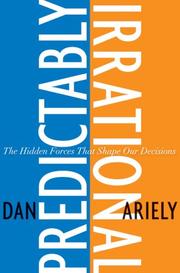
Experiments showing that people depart from rational choice in repeatable ways.
“My favorite type of book: pointing out and understanding all of the counter-intuitive things people do.” — Derek Sivers
Source: Derek Sivers book notes (primary, rated list) · Rating: 7/10
Recommended by: Derek Sivers, Michael Mauboussin and 10 others
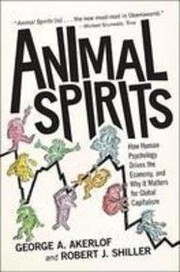
How psychology, which Keynes called animal spirits, drives the economy.
Recommended by: Jim Collins, Mohnish Pabrai
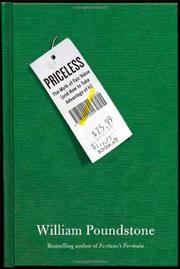
People have no fixed sense of value, so context and anchors set the prices they pay.
“For a good popular treatment of this topic, see William Poundstone, Priceless: The Myth of Fair Value (and How to Take Advantage of It) (New York: Hill and Wang” — Michael Mauboussin
Source: Blaming the Rat: Incentives, Motivation, and How They Interact, page 14
Recommended by: Michael Mauboussin, Mohnish Pabrai and 1 other
How a shortage of money or time narrows attention and weakens decisions.
Recommended by: Mohnish Pabrai, Daniel Kahneman and 1 other
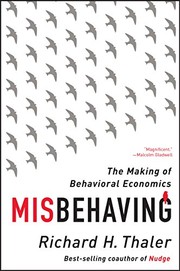
How behavioural economics was built against economists who assumed rational agents.
“He opens his new book, Misbehaving, with Vilfredo Pareto’s assertion that “the foundation of political economy and, in general, of every social science, is evidently psychology.” — Howard Marks
Source: On the Couch, page 1
Recommended by: Howard Marks, Michael Mauboussin and 2 others
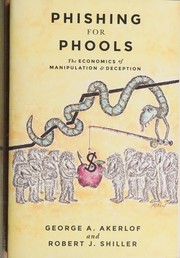
How free markets produce manipulation and deception as well as goods.
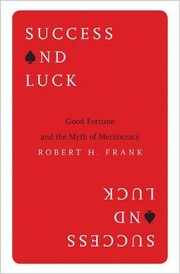
Chance shapes success more than people think; what that means for fairer economies.
Recommended by: Mohnish Pabrai
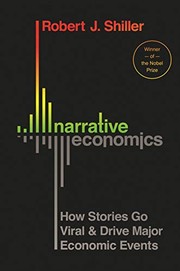
How popular stories spread like epidemics and drive economic events.
“Robert J. Shiller, Narrative Economics: How Stories Go Viral and Drive Major Economic Events (Princeton, NJ: Princeton University Press, 2019)” — Michael Mauboussin
Source: Who Is On the Other Side? A Framework for Understanding Market (In)Efficiency
Recommended by: Michael Mauboussin, Jackie Vullinghs
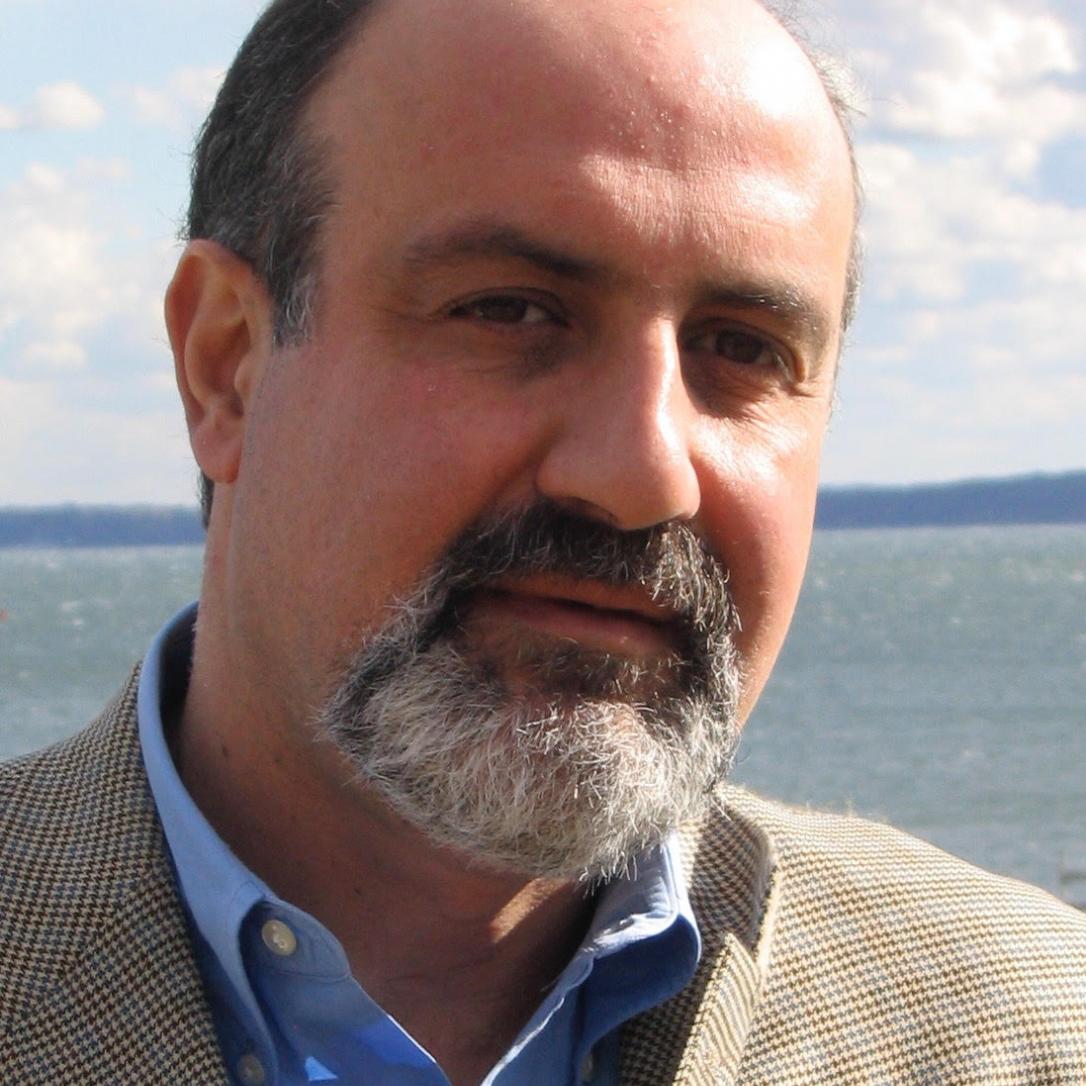 Nassim Nicholas Talebwrote 3 books here
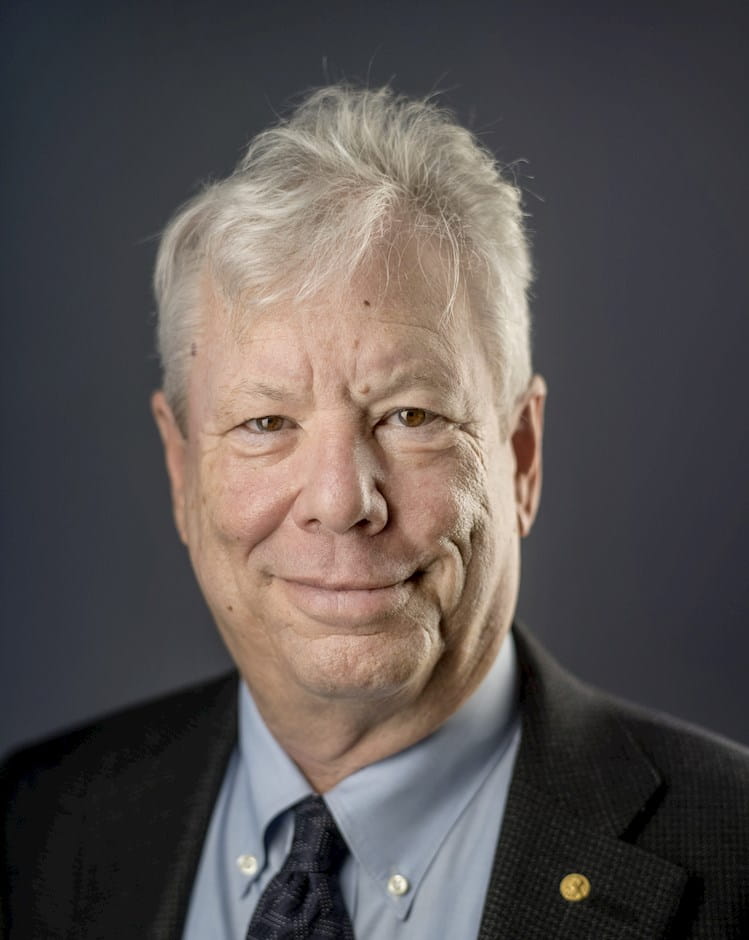 Richard H. Thalerwrote 3 books here
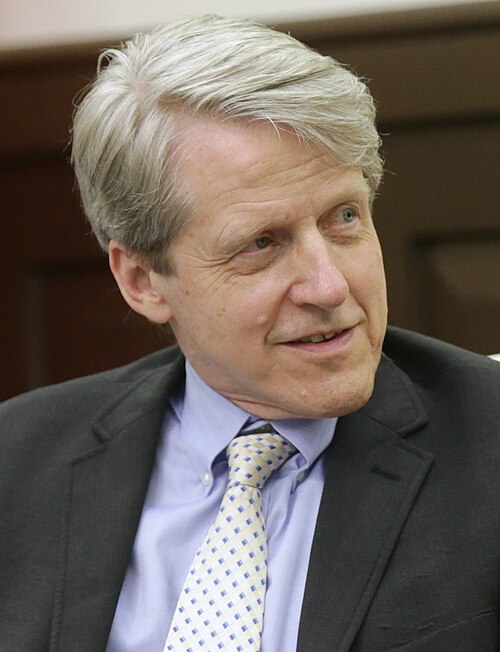 Robert J. Shillerwrote 3 books here
 Dan Arielywrote 2 books here
 Mohnish Pabrairecommends 10 books here
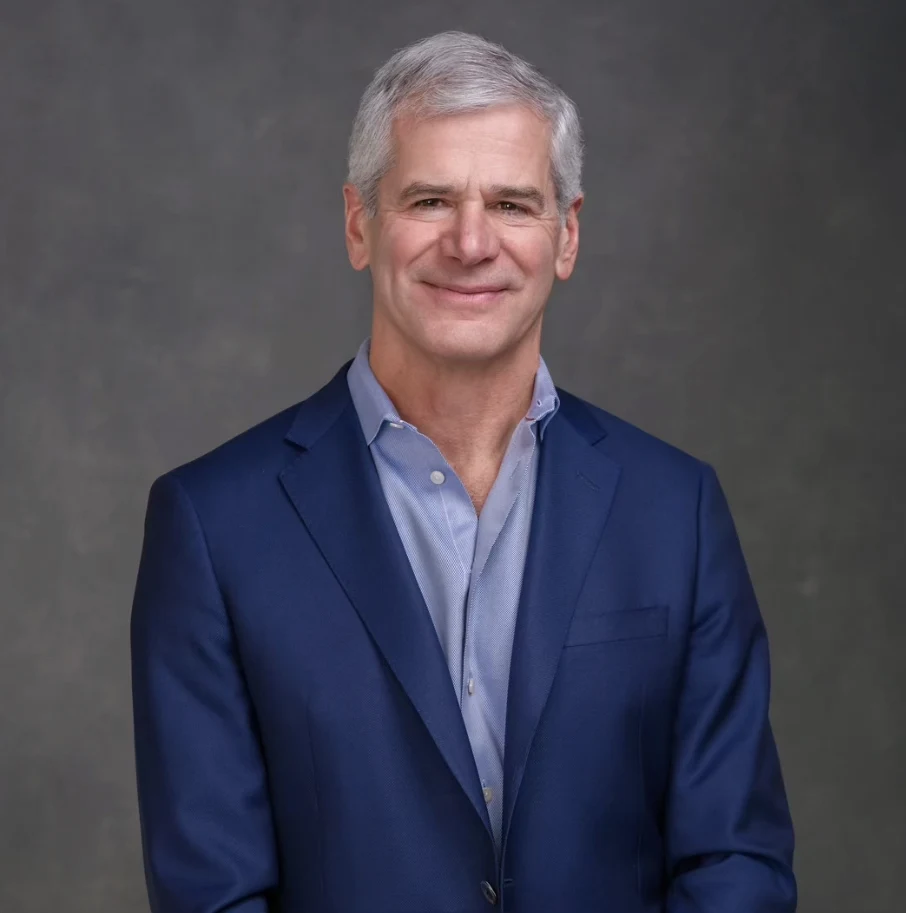 Michael Mauboussinrecommends 8 books here
 Derek Siversrecommends 5 books here
 Marc Andreessenrecommends 4 books here
 Howard Marksrecommends 3 books here
 Jim Collinsrecommends 3 books hereNassim Nicholas Talebrecommends 3 books here
 David Kadavyrecommends 3 books here
 Ev Williamsrecommends 3 books here
 James Altucherrecommends 3 books here
 Matt Mullenwegrecommends 3 books here
 Nat Eliasonrecommends 3 books here
Show all 56
 Naval Ravikantrecommends 3 books here
 David Einhornrecommends 2 books here
 Tyler Cowenrecommends 2 books here
 Ryan Holidayrecommends 2 books here
 Terrance McArthurrecommends 2 books here
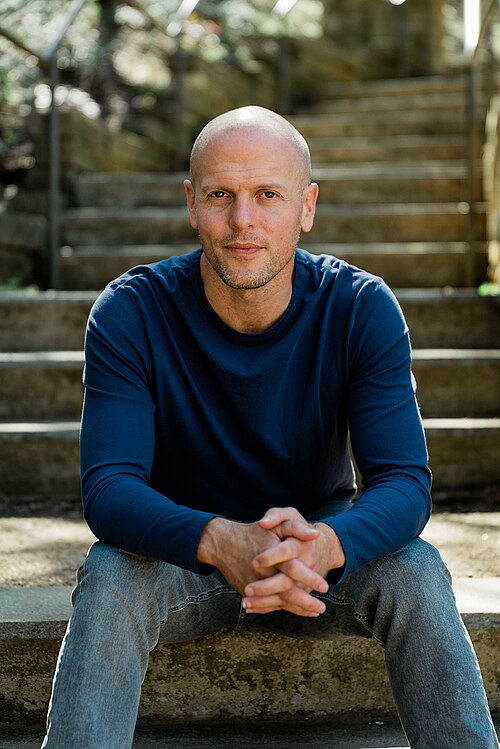 Tim Ferrissrecommends 2 books here
 Tom Bilyeurecommends 2 books here
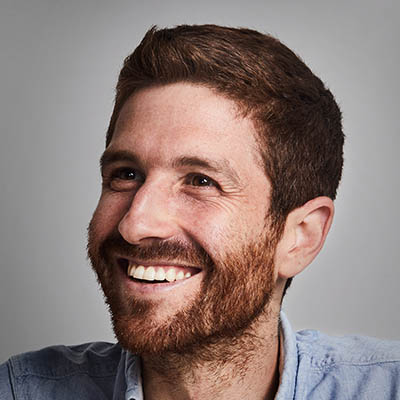 Tristan Harrisrecommends 2 books here
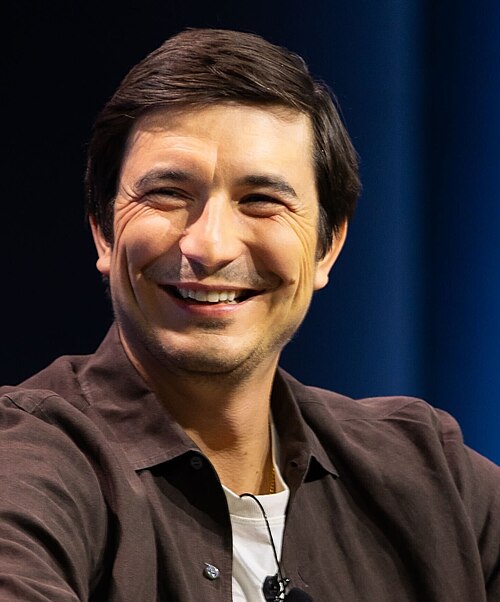 Vlad Tenevrecommends 2 books here
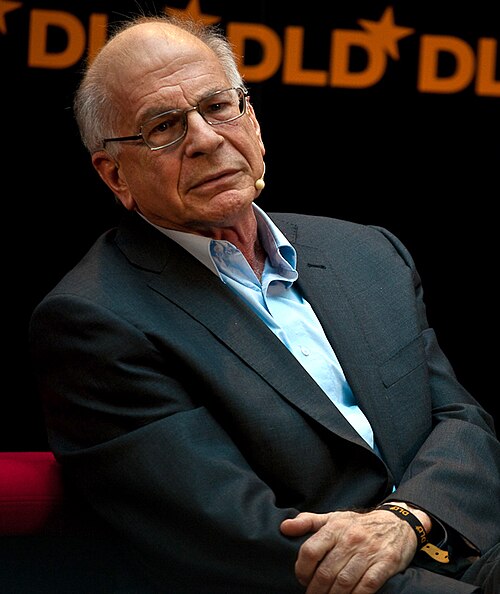 Daniel Kahnemanrecommends 1 book here
 Peter Thielrecommends 1 book here
 Brad Feldrecommends 1 book here
 Seth Klarmanrecommends 1 book here
 Simon Sinekrecommends 1 book here
 Albert Wengerrecommends 1 book here
 Alfred Linrecommends 1 book here
 Ana Fabregarecommends 1 book here
 Andrew Chenrecommends 1 book here
 Bill Gatesrecommends 1 book here
 Changpeng Zhaorecommends 1 book here
 Esther Dysonrecommends 1 book here
 Jackie Vullinghsrecommends 1 book here
 Jake Knapprecommends 1 book here
 Jeff Bezosrecommends 1 book here
 Keith Raboisrecommends 1 book here
 Max Levchinrecommends 1 book here
 Patrick Collisonrecommends 1 book here
 Peter Malloukrecommends 1 book here
 Raoul Palrecommends 1 book here
 Ryan Petersenrecommends 1 book here
 Tobi Lütkerecommends 1 book here
 Vinod Khoslarecommends 1 book here