Capitalism, markets and political economy
Arguments for and against free markets, government planning and alternative forms of ownership, from Friedman and Norberg to Chang, Raworth and the co-operative movement.
Start here
- Humanizing the EconomyJohn Restakis, 2010
- Owning Our FutureMarjorie Kelly, 2012
- Collective CourageJessica Gordon Nembhard, 2014
- Capitalism and FreedomMilton Friedman
- Free to Choose: A Personal StatementMilton Friedman, Rose Friedman
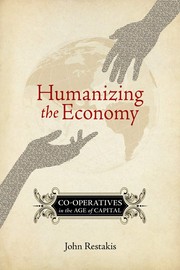
The case for co-operatives as an alternative to state and investor ownership.
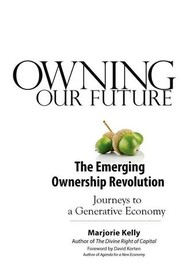
How ownership design decides what a company does, and the options beyond investors.
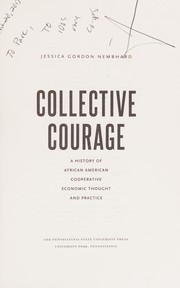
A history of African American cooperatives and collective economic action.
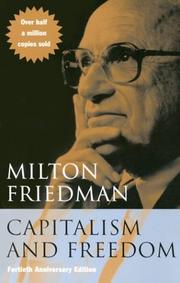
Economic freedom as a condition of political freedom, applied to policy questions.
“During the quarter, I reread three volumes authored by great economists: The General Theory of Employment, Interest and Money by John Maynard Keynes, The Road to Serfdom by F. A. Hayek, and Capitalism and Freedom by Milton Friedman.” — Martin J. Whitman
Source: Third Avenue Funds Q4 2005 Shareholder Letters (Chairman's letter by Martin J. Whitman)
Recommended by: Martin J. Whitman, Marc Andreessen
The case for free markets and limited government, policy area by policy area.
Recommended by: Brian Armstrong, Jim Collins, Mohnish Pabrai and 2 others
A defence of global capitalism that answers critics on inequality, labour and nature.
Why managers and technocrats would replace capitalists as society's ruling class.
Recommended by: Marc Andreessen

An inquiry into the nature of freedom and the uses of power.
Recommended by: Marc Andreessen
The case for anarcho-capitalism, a society run on markets without a state.
Recommended by: Marc Andreessen
The case that growth comes from entrepreneurs who take risks others will not.
“on how economic systems that encourage aggressive entrepreneurship build the most for the benefit of the most” — Marc Andreessen
Source: @pmarca, companion thread to 'It's Time to Build'
Recommended by: Marc Andreessen
How developed economies moved from capitalism to a knowledge society.
Essays on 'social ecology': how societies and institutions change, Japan included.
How economic growth affects democracy, moral life and political participation.
Recommended by: Mohnish Pabrai, Patrick Collison
Voters hold systematic biases about economics, so democracies choose bad policies.
“A critical look at democracy. I love the way he thinks so it’s fun to hear his thought process even though I’m not that interested in this subject.” — Derek Sivers
Source: Derek Sivers book notes (primary, rated list) · Rating: 7/10
Recommended by: Derek Sivers, Marc Andreessen and 1 other
Twenty-three free-market claims, each set against counter-evidence.
Recommended by: Morgan Housel
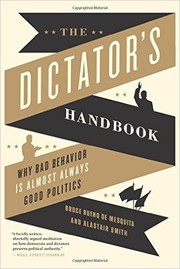
How leaders of dictatorships and democracies gain and keep power.
Recommended by: Nat Eliason, Andrew Chen, Marc Andreessen
Big changes in human affairs emerge from the bottom up rather than by design.
“Everything else written by Matt Ridley. Matt is a scientist, optimist, and forward thinker. One of my favorite authors.” — Naval Ravikant
Source: Naval's Recommended Reading — The Almanack of Naval Ravikant
Recommended by: Naval Ravikant
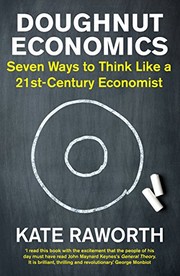
Replacing growth as the goal with a range between social needs and planetary limits.
Recommended by: Jackie Vullinghs

Why societies should put sustainable long-run growth almost above all else.
“Subtitle “A Vision for a Society of Free, Prosperous, and Responsible Individuals” gives a hint of its contents. I love these kinds of books: full of well-considered, smart, rational and surprising ideas from an economist.” — Derek Sivers
Source: Derek Sivers book notes (primary, rated list) · Rating: 8/10
Recommended by: Derek Sivers, Jackie Vullinghs and 1 other
Where capitalism fails, and a practical plan for repairing it.
Recommended by: Bill Gates, Vinod Khosla

How communities manage shared resources without either the state or the market.
Recommended by: Patrick Collison, Stewart Brand
The case for globalisation and free trade against the anti-globalisation movement.
Recommended by: Marc Andreessen
Why public choice theory explains American foreign policy better than grand strategy.
Recommended by: Marc Andreessen
Why people with a shared interest often fail to act together for it.
“The answer lies in the work of an obscure thinker, the late Mancur Olson, best known among economists for a thin, insightful book, The Logic of Collective Action.” — William J. Bernstein
Source: Efficient Frontier, issue 704 (2004)
Recommended by: Nat Eliason, William J. Bernstein
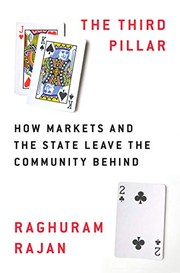
How markets and the state left communities behind, and the populist backlash.
Recommended by: Vinod Khosla
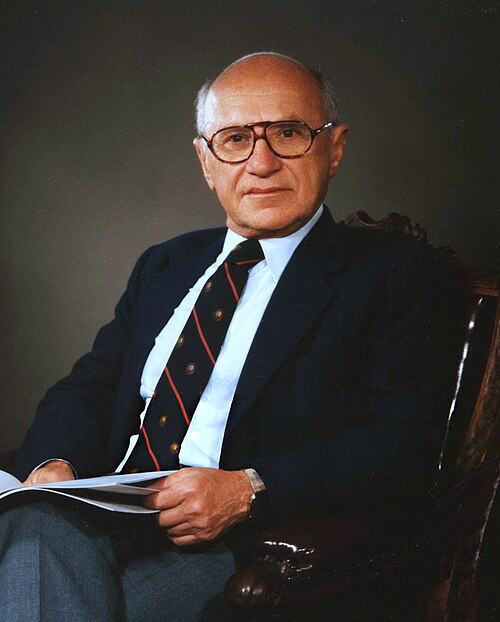 Milton Friedmanwrote 2 books here
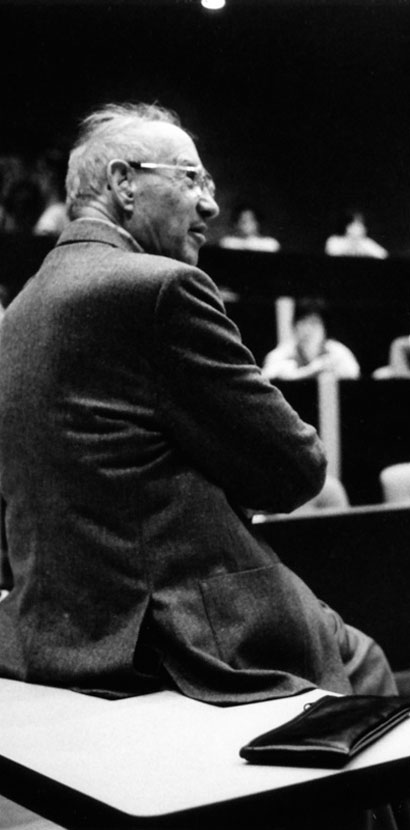 Peter F. Druckerwrote 2 books here
 Matt Ridleywrote 1 book here
 Tyler Cowenwrote 1 book here
 Marc Andreessenrecommends 10 books here
 Patrick Collisonrecommends 4 books here
 Mohnish Pabrairecommends 2 books here
 Derek Siversrecommends 2 books here
 Jackie Vullinghsrecommends 2 books here
 Nat Eliasonrecommends 2 books here
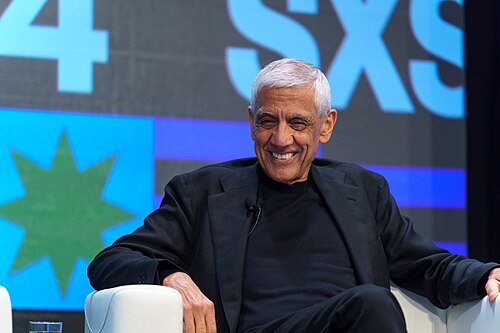 Vinod Khoslarecommends 2 books here
 Jim Collinsrecommends 1 book here
 Morgan Houselrecommends 1 book here
 Andrew Chenrecommends 1 book here