
Behavioural Edge and Market Psychology
Treating other investors' predictable errors as the source of return, and one's own as the main risk.
Start here
- The Psychology of MoneyMorgan Housel, 2020
- Thinking, Fast and SlowDaniel Kahneman, 2011
- Your Money and Your BrainJason Zweig, 2007
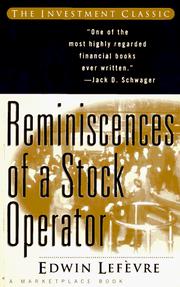
A speculator modelled on Jesse Livermore learns to read and trade the market.
“For a long time, I used to read Reminiscences of a Stock Operator almost every year.” — Bill Miller
Source: Bill Miller 2Q 2020 Market Letter
Recommended by: Barton Biggs, Bill Miller, Colm O'Shea and 7 others

Why Wall Street grows rich on fees while its clients' results stay ordinary.
“First published in 1940, this is the funniest book ever written about investing - and one of the wisest. Schwed, a veteran of Wall Street who survived the Crash of 1929, knew exactly how the markets worked back then. Nothing has changed.” — Jason Zweig
Source: Best Books for Investors: A Short Shelf — jasonzweig.com
Recommended by: Jason Zweig, John C. Bogle, Mohnish Pabrai and 6 others

The classic on markets as a game of psychology and identity
“The Money Game, written in 1968 by George Goodman under the pseudonym Adam Smith, included among its characters the Great Winfield.” — Howard Marks
Source: Déjà Vu All Over Again, page 5
Recommended by: Barton Biggs, Howard Marks, Jason Zweig and 6 others
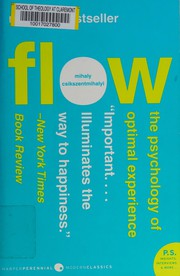
Flow, the state of full absorption in a hard task, and how to find it more often.
“…books I've recommended, highlighted to death, or forced on friends.” — Andrew Wilkinson
Source: Andrew Wilkinson's Bookshelf, neverenough.com
Recommended by: Andrew Wilkinson, Jim Collins and 2 others
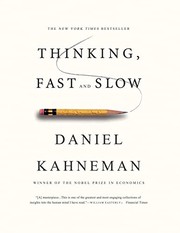
How fast, automatic thought and slow, deliberate thought shape judgment and error.
“…books I've recommended, highlighted to death, or forced on friends.” — Andrew Wilkinson
Source: Andrew Wilkinson's Bookshelf, neverenough.com
Recommended by: Andrew Wilkinson, Charles de Vaulx and 36 others
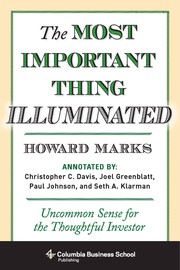
Second-level thinking on risk and cycles, with notes by Klarman and Greenblatt.
“…books I've recommended, highlighted to death, or forced on friends.” — Andrew Wilkinson
Source: Andrew Wilkinson's Bookshelf, neverenough.com
Recommended by: Andrew Wilkinson, Mohnish Pabrai and 3 others
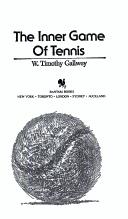
Performing under pressure by quieting the self-interference that spoils play.
“When I played tennis as a teenager, I remember reading The Inner Game of Tennis: The Classic Guide to the Mental Side of Peak Performance by Tim Gallwey. Near the end of my recent sabbatical + birthday vacation, after almost seven weeks of tennis where I played at least five days a week, I decided to read it again.” — Brad Feld
Source: Book: The Inner Game of Tennis — Feld Thoughts
Recommended by: Bill Gates, Brad Feld, Nat Eliason and 1 other
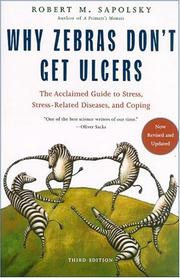
Chronic stress and how it affects the quality of decisions.
“Robert M. Sapolsky, Why Zebras Don’t Get Ulcers: Un Updated Guide to Stress, Stress-Related Disease, and Coping (New York: W.H. Freeman and Company, 1994)” — Michael Mauboussin
Source: Long-Term Investing: How I Learned to Stop Worrying and Ignore Volatility, page 6
Recommended by: Jim Collins, Michael Mauboussin
A value investor's memoir from the 1950s to the dot-com crash, on market psychology.
Recommended by: Chris Mittleman, Li Lu
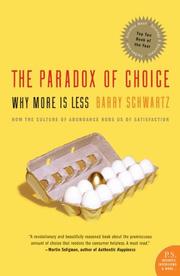
Beyond a point, more options make people less likely to choose and less satisfied.
“Faced with many options or decisions in your life? This will change the way you look at them. We feel worse when we have too many options.” — Derek Sivers
Source: Derek Sivers book notes (primary, rated list) · Rating: 9/10
Recommended by: Derek Sivers, Nat Eliason, Nick Sleep and 1 other
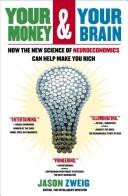
The neuroscience and psychology of investment decisions.
“Jason Zweig, Your Money and Your Brain: How the New Science of Neuroeconomics Can Help Make You Rich (New York: Simon & Schuster, 2007), 57-61” — Michael Mauboussin
Source: New Business Boom and Bust: How Capitalism Experiments, page 9
Recommended by: Michael Mauboussin, Mohnish Pabrai
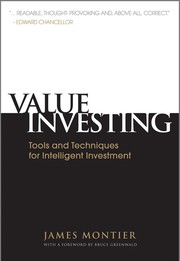
Value investing joined with behavioural finance, from a strategist's research notes.
Recommended by: Mohnish Pabrai
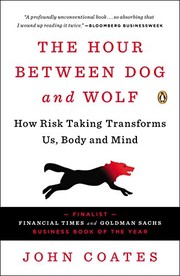
How testosterone feeds traders' winning streaks and appetite for risk.
“John Coates, The Hour Between Dog and Wolf: Risk Taking, Gut Feelings, and the Biology of Boom and Bust (New York: The Penguin Press, 2012)” — Michael Mauboussin
Source: Methods to Improve Decisions: Five Common Mistakes and How to Address Them, page 14
Recommended by: Michael Mauboussin, Nassim Nicholas Taleb
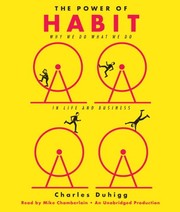
The habit loop of cue, routine and reward, and how to change a habit by its routine.
“Great dissection and analysis of what creates habits, and the power of changing just one of three steps in the habit loop.” — Derek Sivers
Source: Derek Sivers book notes (primary, rated list) · Rating: 7/10
Recommended by: Derek Sivers, Mohnish Pabrai, Nat Eliason and 7 others
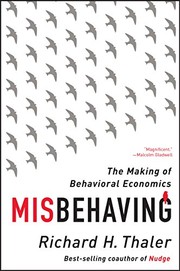
How behavioural economics was built against economists who assumed rational agents.
“He opens his new book, Misbehaving, with Vilfredo Pareto’s assertion that “the foundation of political economy and, in general, of every social science, is evidently psychology.” — Howard Marks
Source: On the Couch, page 1
Recommended by: Howard Marks, Michael Mauboussin and 2 others
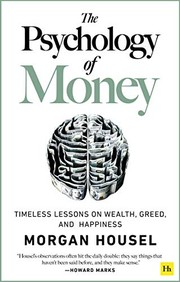
Twenty short essays on why behaviour matters more than knowledge with money.
“Example: Morgan Housel has sold 1M+ copies of "The Psychology of Money" with them (though he probably didn't need much help 😝 - if you haven't read this book yet, it's a MUST)” — Ana Fabrega
Source: Fab Fridays 96: Book Deal! - by Ana Lorena - Fab Fridays
Recommended by: Ana Fabrega, Andrew Wilkinson, Derek Sivers and 11 others
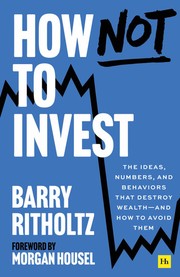
Why avoiding errors adds more to returns than picking winners.
“Barry Ritholtz dreamed up the perfect concept and wrote the perfect book to suit it” — Christopher Bloomstran
Source: Semper Augustus 2025 Letter to Clients, 'Books and Music', p. 88
Recommended by: Christopher Bloomstran
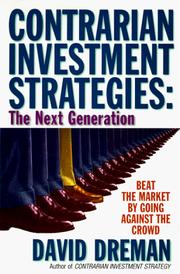
Data showing that low-expectation stocks beat popular ones over the long run.
“all these people really were helpful in forming and getting me involved in investing” — Joel Greenblatt
Source: Masters in Business transcript: Joel Greenblatt (2018)
Recommended by: Joel Greenblatt, Michael Mauboussin and 2 others
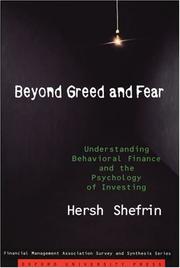
Behavioural finance for practitioners: mental shortcuts, framing and market errors.
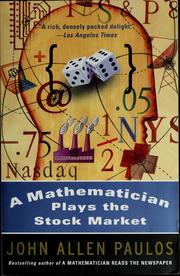
A mathematician's WorldCom losses, used to explain errors of probability in markets.
Recommended by: Mohnish Pabrai
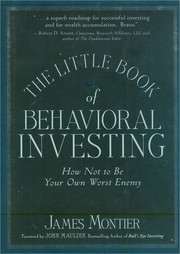
The biases that wreck investment decisions, and practical fixes for each.
Recommended by: Mohnish Pabrai
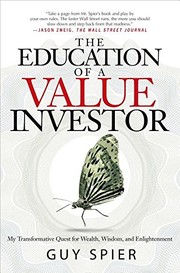
One investor's change from a brokerage job to value investing, after Buffett.
“…books I've recommended, highlighted to death, or forced on friends.” — Andrew Wilkinson
Source: Andrew Wilkinson's Bookshelf, neverenough.com
Recommended by: Andrew Wilkinson, Christopher Bloomstran and 1 other
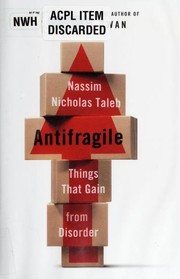
Why some things gain from volatility and disorder, and how to build them.
“Antifragile. Loved the first 1/3 and last 1/3 of this book.” — Andrew Chen
Source: Books I’m reading (2013)
Recommended by: Ana Fabrega, Andrew Chen, Derek Sivers and 24 others
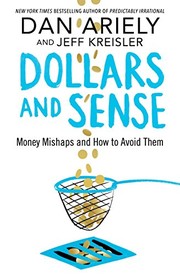
Why money is hard to think about, and the errors people make in spending.
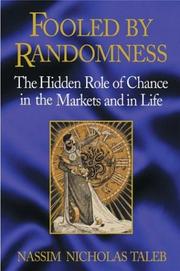
Why people mistake luck for skill, above all in markets.
“Fooled By Randomness was unquestionably the best non-fiction book I read in 2005.” — Brad Feld
Source: Book Review: Fooled By Randomness — Feld Thoughts
Recommended by: Barton Biggs, Brad Feld, Derek Sivers and 15 others
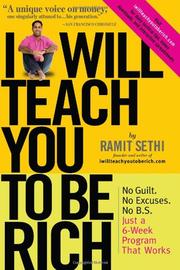
A six-week programme to automate banking, credit, saving and investing.
“An amazing book about consumer finance and a healthy approach to managing your money. If you are age 18-35, this is a must-read! My notes are scarce, so get the book. Even if over 35, you might find some good tips on lowering your fees on various services, and a good reminder of good savings practices.” — Derek Sivers
Source: Derek Sivers book notes (primary, rated list) · Rating: 7/10
Recommended by: Derek Sivers, Mohnish Pabrai, Nat Eliason and 3 others
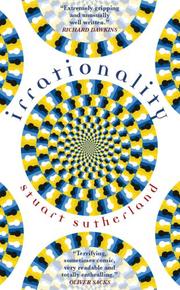
Experiments from psychology showing the systematic errors in how people reason.
What neuroscience, psychology and biology reveal about how people treat money.
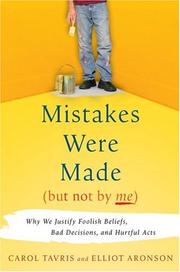
How cognitive dissonance drives people to justify their mistakes, not admit them.
“We are wired for self-justification. We create fictions that absolve us of responsibility, restoring our belief that we are smart, moral, and right — a belief that often keeps us on a course that is dumb, immoral, and wrong.” — Derek Sivers
Source: Derek Sivers book notes (primary, rated list) · Rating: 3/10
Recommended by: Derek Sivers, Howard Marks, Mohnish Pabrai and 3 others
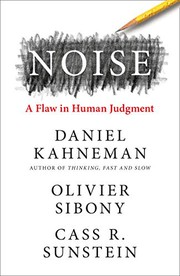
Unwanted variation in judgements that should match, and why organisations ignore it.
“Daniel Kahneman, Olivier Sibony, and Cass R. Sunstein, Noise: A Flaw in Human Judgment (New York: Little, Brown Spark, 2021), 156-158” — Michael Mauboussin
Source: The Impact of Intangibles on Base Rates, page 10
Recommended by: Michael Mauboussin
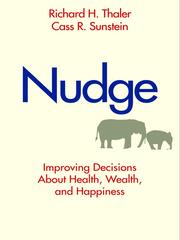
How choice architecture can steer people to better choices without removing options.
“Introducing the idea of Libertarian Paternalism: influencing people's behavior for their own benefit, without forbidding any options or significantly changing their economic incentives.” — Derek Sivers
Source: Derek Sivers book notes (primary, rated list) · Rating: 5/10
Recommended by: Derek Sivers, Tristan Harris
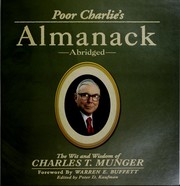
Speeches making the case for a latticework of mental models from many fields.
“…books I've recommended, highlighted to death, or forced on friends.” — Andrew Wilkinson
Source: Andrew Wilkinson's Bookshelf, neverenough.com
Recommended by: Andrew Wilkinson, Charlie Munger and 26 others
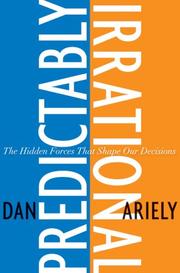
Experiments showing that people depart from rational choice in repeatable ways.
“My favorite type of book: pointing out and understanding all of the counter-intuitive things people do.” — Derek Sivers
Source: Derek Sivers book notes (primary, rated list) · Rating: 7/10
Recommended by: Derek Sivers, Michael Mauboussin and 10 others
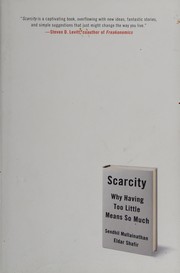
How a shortage of money or time narrows attention and weakens decisions.
Recommended by: Mohnish Pabrai, Daniel Kahneman and 1 other
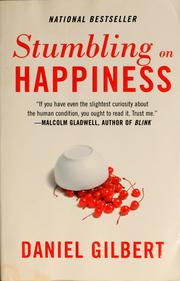
Why people are bad at predicting what will make them happy, and how the errors arise.
“Not at all new-agey, as the title might suggest. Harvard professor of psychology has studied happiness for years, and shares factual findings that will change the way you look at the world.” — Derek Sivers
Source: Book notes by Derek Sivers
Recommended by: Andrew Wilkinson, Derek Sivers, Jim Collins and 4 others

Experiments showing most cheating is many people cheating a little.
Recommended by: Mohnish Pabrai
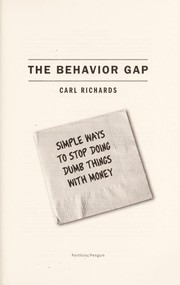
Sketches of the gap between what people know to do with money and what they do.
Rare, unforeseen, high-impact events drive history, explained only after the fact.
“The Black Swan U The best-known bird around today is The Black Swan, the second book from Nassim Nicolas Taleb.” — Howard Marks
Source: The Complete Collection, page 530
Recommended by: David Perell, Howard Marks, Marc Andreessen and 20 others
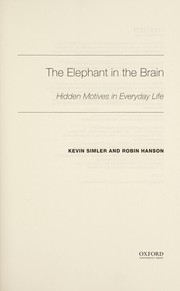
How people hide their real motives from themselves in order to hide them from others.
“You have hidden motives and subconscious incentives. Two reasons for doing anything: a good reason and the real reason. Instititutions do this too: wasteful because they’re serving hidden purposes no one acknowledges. Great insights throughout.” — Derek Sivers
Source: Derek Sivers book notes (primary, rated list) · Rating: 8/10
Recommended by: Derek Sivers, Nat Eliason, Tyler Cowen and 4 others
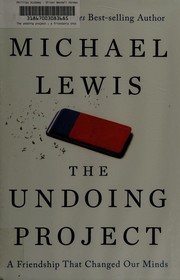
How Daniel Kahneman and Amos Tversky worked together on heuristics and biases.
Recommended by: Andrew Wilkinson, Mohnish Pabrai, Ray Dalio and 6 others
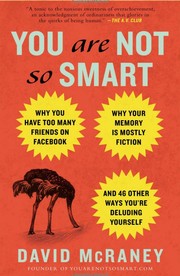
One mental bias per chapter, the research behind it and how people fall for it.
“Great summary of 46 cognitive biases. Much of it covered in other books like Predictably Irrational, but if you haven't read those, this is a great starting book. Otherwise, just a good reminder, and worth reading.” — Derek Sivers
Source: Derek Sivers book notes (primary, rated list) · Rating: 6/10
Recommended by: Derek Sivers
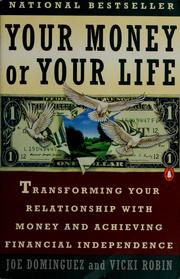
A nine-step programme that counts spending in hours of life energy.
Recommended by: Ali Abdaal, Graham Stephan and 1 other
The foundational papers of behavioural finance, collected.
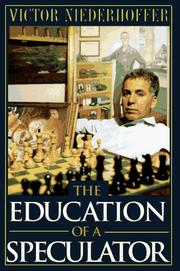
Life as speculation, with lessons on markets, games, careers and relationships.
“Victor Niederhoffer, The Education of a Speculator (New York: John Wiley & Sons, 1997), ix” — Michael Mauboussin
Source: A Tail of Two Worlds: Fat Tails and Investing, page 4
Recommended by: Michael Mauboussin, Mohnish Pabrai
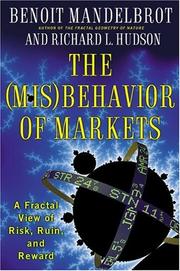
Why standard finance models understate market risk, from fractal geometry's creator.
“(Italics added.) Mandelbrot on Risk, Ruin, and Reward The abstract theories of Karl Popper and Frank Knight can be directly applied to the financial markets, which is exactly what Benoit Mandelbrot, the brilliant inventor of fractal geometry, has done with Richard Hudson in his book The (Mis)Behavior of Markets, ominously subtitled “A Fractal View of Risk, Ruin, and Reward.” — John C. Bogle
Source: Black Monday and Black Swans, page 3
Recommended by: John C. Bogle, Mohnish Pabrai and 2 others
A second collection of behavioural finance papers, more theoretical than the first.
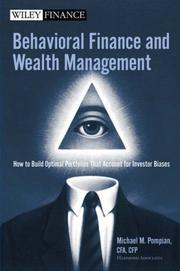
How financial advisers can spot clients' biases and adjust their portfolios.
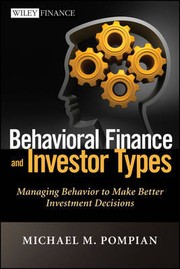
How investors fall into behavioural types, and how each should invest.
Techniques for understanding one's own financial psychology.
Recommended by: Patrick O'Shaughnessy
 Richard H. Thalerwrote 4 books here
 Nassim Nicholas Talebwrote 3 books here
 Dan Arielywrote 3 books here
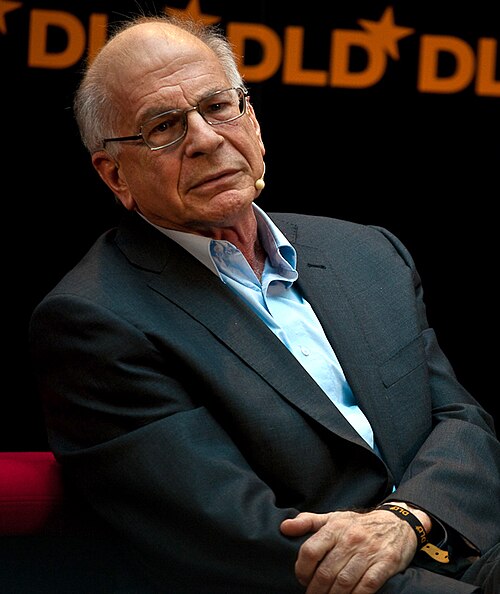 Daniel Kahnemanwrote 2 books here
 James Montierwrote 2 books here
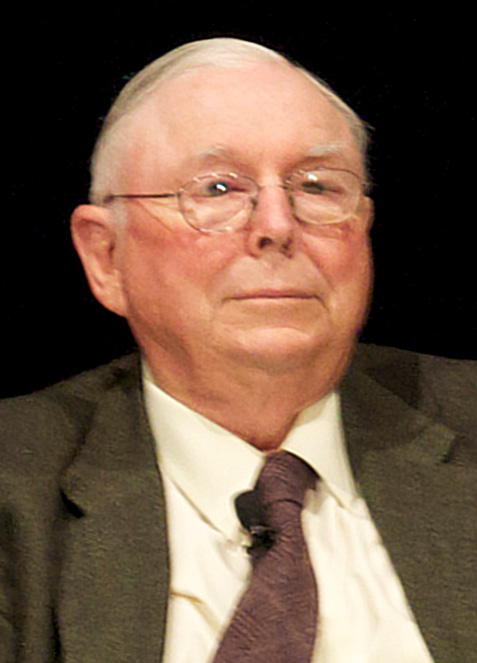 Charlie Mungerwrote 1 book here
 Edwin Lefevrewrote 1 book here
 Howard Markswrote 1 book here
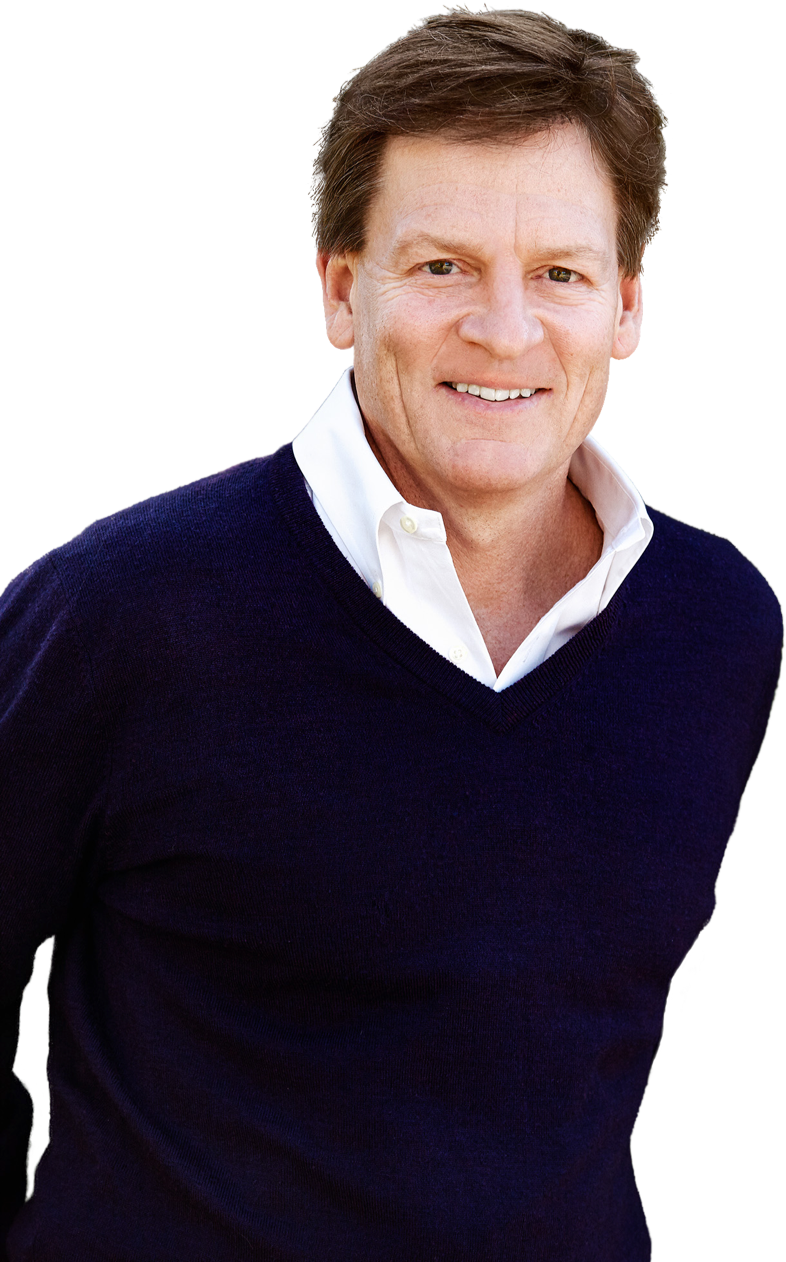 Michael Lewiswrote 1 book here
 Jason Zweigwrote 1 book here
 Morgan Houselwrote 1 book here
 Mohnish Pabrairecommends 24 books here
 Michael Mauboussinrecommends 15 books here
 Derek Siversrecommends 13 books here
 Nat Eliasonrecommends 11 books here
 Marc Andreessenrecommends 7 books here
 Naval Ravikantrecommends 7 books hereHoward Marksrecommends 6 books hereNassim Nicholas Talebrecommends 6 books here
 Jim Collinsrecommends 5 books here
Show all 115
 Warren Buffettrecommends 4 books here
 Bill Gatesrecommends 4 books here
 Ev Williamsrecommends 4 books here
 Matt Mullenwegrecommends 4 books here
 Patrick Collisonrecommends 4 books here
 Terrance McArthurrecommends 4 books here
 Ray Daliorecommends 3 books hereJason Zweigrecommends 3 books here
 Tyler Cowenrecommends 3 books here
 Alfred Linrecommends 3 books here
 David Kadavyrecommends 3 books here
 James Altucherrecommends 3 books here
 Raoul Palrecommends 3 books here
 Tim Ferrissrecommends 3 books here
 Tristan Harrisrecommends 3 books hereCharlie Mungerrecommends 2 books here
 John C. Boglerecommends 2 books here
 Brad Feldrecommends 2 books here
 David Einhornrecommends 2 books here
 Seth Klarmanrecommends 2 books here
 Guy Spierrecommends 2 books here
 Ryan Holidayrecommends 2 books here
 Albert Wengerrecommends 2 books here
 Ana Fabregarecommends 2 books here
 Anthony Pomplianorecommends 2 books here
 Michael Batkorecommends 2 books here
 Paul Bassatrecommends 2 books here
 Peter Attiarecommends 2 books here
 Ryan Petersenrecommends 2 books here
 Sam Altmanrecommends 2 books here
 Tom Bilyeurecommends 2 books here
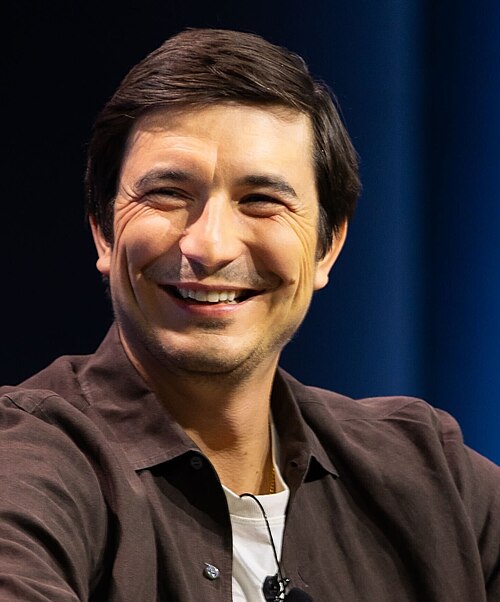 Vlad Tenevrecommends 2 books hereDaniel Kahnemanrecommends 1 book here
 Peter Thielrecommends 1 book here
 Bill Millerrecommends 1 book here
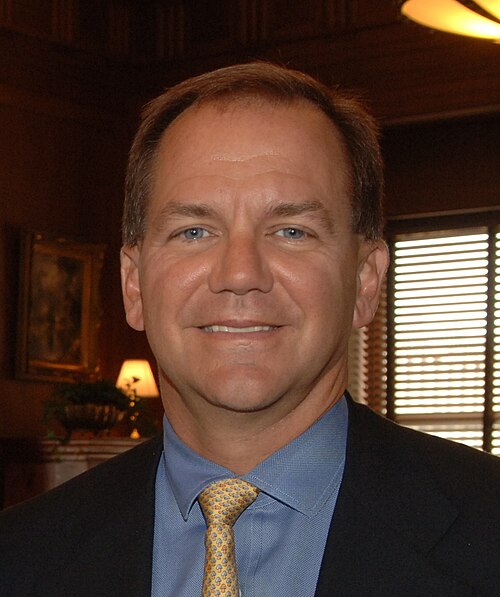 Paul Tudor Jonesrecommends 1 book here
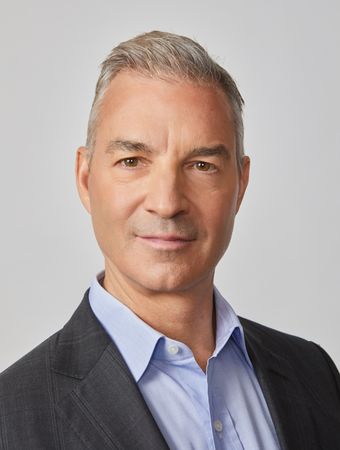 Daniel Loebrecommends 1 book here
 Francois Rochonrecommends 1 book here
 Simon Sinekrecommends 1 book here
 Abi Tyas Tunggalrecommends 1 book here
 Amy Hoodrecommends 1 book here
 Andrew Chenrecommends 1 book here
 Bryan Johnsonrecommends 1 book here
 Changpeng Zhaorecommends 1 book here
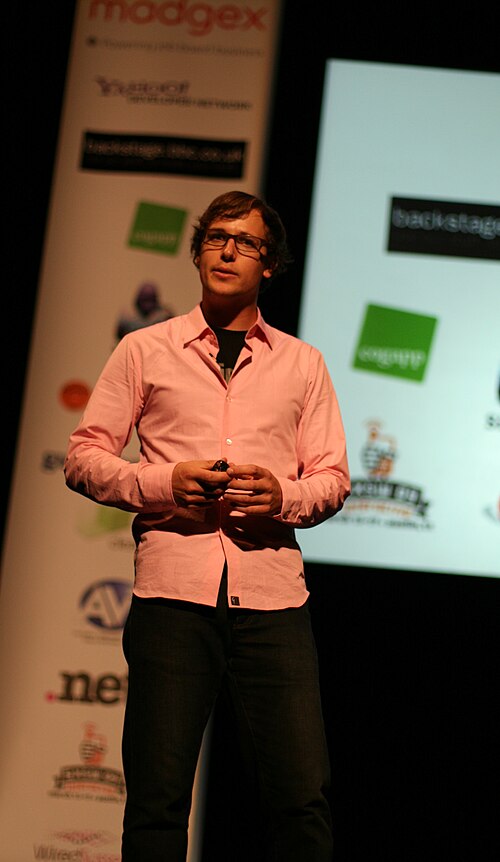 Daniel Burkarecommends 1 book here
 Daniel Ekrecommends 1 book here
 David Cancelrecommends 1 book here
 David Hellmannrecommends 1 book here
 Drew Houstonrecommends 1 book here
 Emmett Shearrecommends 1 book here
 Esther Dysonrecommends 1 book here
 Graham Stephanrecommends 1 book here
 Jake Knapprecommends 1 book here
 Jeff Bezosrecommends 1 book here
 Jeffrey Gundlachrecommends 1 book here
 Josh Wolferecommends 1 book here
 Julie Zhuorecommends 1 book here
 Keith Raboisrecommends 1 book here
 Mark Cubanrecommends 1 book here
 Max Levchinrecommends 1 book here
 Michael Bloombergrecommends 1 book here
 Nathan Murphyrecommends 1 book here
 Niki Scevakrecommends 1 book here
 Nir Eyalrecommends 1 book here
 Peter Malloukrecommends 1 book here
 Ramit Sethirecommends 1 book here
 Ran Segallrecommends 1 book here
 Ron Conwayrecommends 1 book here
 Satya Nadellarecommends 1 book here
 Stewart Brandrecommends 1 book here
 Tobi Lütkerecommends 1 book here
 Vinod Khoslarecommends 1 book here