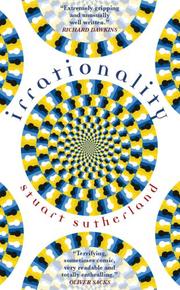
Irrationality
Experiments from psychology showing the systematic errors in how people reason.
First published in 1992 and less famous than it deserves to be. Sutherland was a psychologist at Sussex who synthesized experimental evidence from social psychology, cognitive science, and psychiatry into a single readable volume. His treatment of in-group bias, obedience research, and medical decision-making fills gaps that the Kahneman-focused literature tends to leave.
Similar books 6
Chosen by shared topics, the entries that hold them, and the people who recommended both.

Why people mistake luck for skill, above all in markets.
“Fooled By Randomness was unquestionably the best non-fiction book I read in 2005.” — Brad Feld
Source: Book Review: Fooled By Randomness — Feld Thoughts
Recommended by: Barton Biggs, Brad Feld, Derek Sivers and 15 others
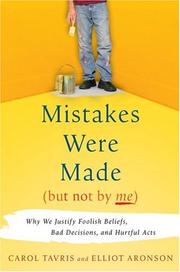
How cognitive dissonance drives people to justify their mistakes, not admit them.
“We are wired for self-justification. We create fictions that absolve us of responsibility, restoring our belief that we are smart, moral, and right — a belief that often keeps us on a course that is dumb, immoral, and wrong.” — Derek Sivers
Source: Derek Sivers book notes (primary, rated list) · Rating: 3/10
Recommended by: Derek Sivers, Howard Marks, Mohnish Pabrai and 3 others
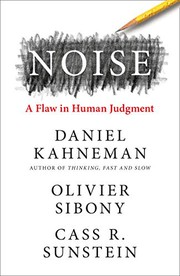
Unwanted variation in judgements that should match, and why organisations ignore it.
“Daniel Kahneman, Olivier Sibony, and Cass R. Sunstein, Noise: A Flaw in Human Judgment (New York: Little, Brown Spark, 2021), 156-158” — Michael Mauboussin
Source: The Impact of Intangibles on Base Rates, page 10
Recommended by: Michael Mauboussin
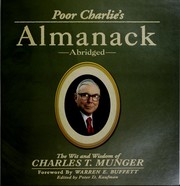
Speeches making the case for a latticework of mental models from many fields.
“…books I've recommended, highlighted to death, or forced on friends.” — Andrew Wilkinson
Source: Andrew Wilkinson's Bookshelf, neverenough.com
Recommended by: Andrew Wilkinson, Charlie Munger and 26 others

Experiments showing most cheating is many people cheating a little.
Recommended by: Mohnish Pabrai
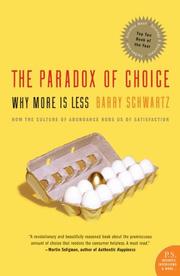
Beyond a point, more options make people less likely to choose and less satisfied.
“Faced with many options or decisions in your life? This will change the way you look at them. We feel worse when we have too many options.” — Derek Sivers
Source: Derek Sivers book notes (primary, rated list) · Rating: 9/10
Recommended by: Derek Sivers, Nat Eliason, Nick Sleep and 1 other
Where it sits in the reference 1
Topics 2
As an Amazon Associate I earn from qualifying purchases.