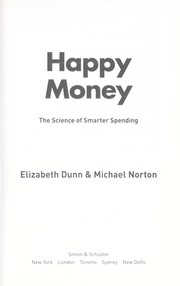
Happy Money: The Science of Smarter Spending
Research on how to spend money in ways that make people happier.
Summary
Dunn and Norton tour new research on the science of spending. People seek professional advice on earning, saving and investing but follow their intuitions when spending, and research shows those intuitions are often wrong. The authors set out five principles for getting more happiness from money, among them choosing experiences over things and spending money on others.
They show how companies from Google to Pepsi to Crate & Barrel have applied the principles to make employees happier and to offer happier products. They report research findings that luxury cars often give no more pleasure than economy models, that commercials can increase the enjoyment of watching television, and that city residents often miss inexpensive pleasures in their own towns. The book ends with one question for every purchase: am I getting the most happiness for my money? It was published in 2013.
Key takeaways 4
- Spending on experiences tends to bring more happiness than spending on things.
- Spending money on other people increases the spender's own happiness.
- Luxury goods often give no more pleasure than cheaper versions.
- Companies can use the same principles to make employees and customers happier.
Who should read it
Readers who want research-based rules for spending money in ways that make them happier.
Who recommended it 2 · 1 direct
Similar books 6
Chosen by shared topics, the entries that hold them, and the people who recommended both.
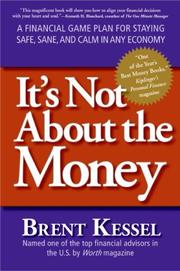
The psychological and spiritual types behind how people handle money.
Recommended by: Mohnish Pabrai
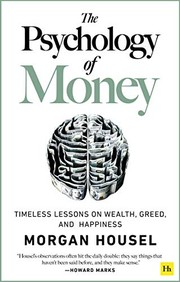
Twenty short essays on why behaviour matters more than knowledge with money.
“Example: Morgan Housel has sold 1M+ copies of "The Psychology of Money" with them (though he probably didn't need much help 😝 - if you haven't read this book yet, it's a MUST)” — Ana Fabrega
Source: Fab Fridays 96: Book Deal! - by Ana Lorena - Fab Fridays
Recommended by: Ana Fabrega, Andrew Wilkinson, Derek Sivers and 11 others
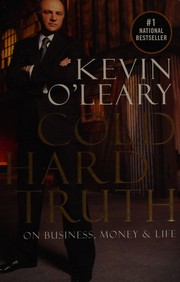
An investor's life story and his rules for business and personal money.
Recommended by: Mohnish Pabrai
The first recognised billionaire's lessons on money and economics.
Recommended by: Mohnish Pabrai
How finance and economics work, decoded from the language of money people.
Recommended by: Mohnish Pabrai
A six-week programme to automate banking, credit, saving and investing.
“An amazing book about consumer finance and a healthy approach to managing your money. If you are age 18-35, this is a must-read! My notes are scarce, so get the book. Even if over 35, you might find some good tips on lowering your fees on various services, and a good reminder of good savings practices.” — Derek Sivers
Source: Derek Sivers book notes (primary, rated list) · Rating: 7/10
Recommended by: Derek Sivers, Mohnish Pabrai, Nat Eliason and 3 others