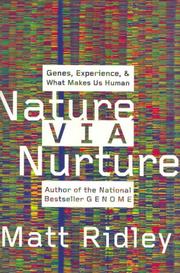
Nature Via Nurture
How genes and experience interact, each shaping how the other acts.
Summary
Ridley, following his book Genome, takes on the nature versus nurture debate in the light of new genetic discoveries. In February 2001 scientists announced that the human genome holds not 100,000 genes, as expected, but about 30,000. Some concluded that there were too few genes to explain human behaviour, so people must be made by nurture rather than nature. Ridley argues that the truth is more interesting.
Nurture depends on genes, and genes need nurture. Genes set the broad structure of the brain, but they also absorb formative experiences, respond to social cues and even run memory; they are consequences as well as causes of behaviour. Published fifty years after the discovery of the double helix, the book recounts the hundred-year war between partisans of nature and of nurture and explains how a human being can have free will and still be moved by instinct and culture. Ridley's central claim is that genes build brains designed to take in experience.
Key takeaways 4
- The human genome holds about 30,000 genes, far fewer than the 100,000 once expected.
- Genes and experience work together rather than competing to explain behaviour.
- Genes respond to experience and social cues as well as setting the brain's structure.
- The century-long fight between nature and nurture rested on a false choice.
Who should read it
Readers who want a clear account of how genes and environment together shape behaviour.
About Matt Ridley
British science writer and member of the House of Lords, former chairman of Northern Rock, writing on evolution, genomics, trade and innovation.
The Rational Optimist argues that exchange and specialisation, not individual intelligence, drive rising living standards, and assembles the long-run price and productivity evidence behind the claim. How Innovation Works applies the same method to case histories, showing invention as incremental, collective and largely detached from formal research spending.
Who recommended it 1
Similar books 6
Chosen by shared topics, the entries that hold them, and the people who recommended both.
Sex evolved as a defence against parasites, and that shapes human mating.
“I really highly, highly recommend picking up Genome, The Red Queen, Origins of Virtue, The Rational Optimist, and The Evolution of Everything.” — Naval Ravikant
Source: The Tim Ferriss Show — Naval Ravikant Q&A, full transcript
Recommended by: Mohnish Pabrai, Naval Ravikant, Seth Klarman and 1 other
Twenty-three chapters, one per chromosome, each using a gene to open a subject.
“I highly recommend Genome as well, to figure out the rational basis behind ethics and the origin of virtue.” — Naval Ravikant
Source: Nav.al — 'Matt Ridley: How Innovation Works, Part 2' (Naval's podcast, edited transcript)
Recommended by: Charlie Munger, Mohnish Pabrai and 2 others
How cooperation and morality evolved from self-interest, via the prisoner's dilemma.
“I really highly, highly recommend picking up Genome, The Red Queen, Origins of Virtue, The Rational Optimist, and The Evolution of Everything.” — Naval Ravikant
Source: The Tim Ferriss Show — Naval Ravikant Q&A, full transcript
Recommended by: Mohnish Pabrai, Naval Ravikant, Ryan Holiday
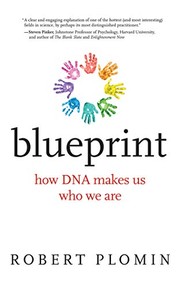
Behavioural genetics on how much of who we are is inherited.
Recommended by: James Cameron, Michael Mauboussin

The Minnesota study showing twins raised apart are as alike as those raised together.
Recommended by: Mohnish Pabrai
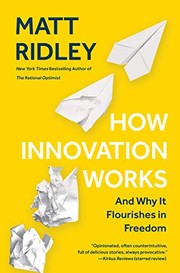
Innovation is gradual, collective and bottom-up, not the work of lone inventors.
“Matt Ridley, How Innovation Works: And Why It Flourishes in Freedom (New York: Harper, 2020)” — Michael Mauboussin
Source: Increasing Returns: Identifying Forms of Increasing Returns and What Drives Them, page 17
Recommended by: Balaji S. Srinivasan, Michael Mauboussin and 1 other