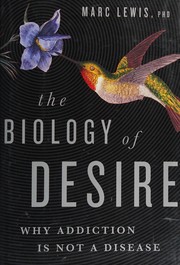
The Biology of Desire
Addiction as learning in the brain, not a disease, by a neuroscientist and ex-addict.
Summary
Marc Lewis, a neuroscientist and a former addict, author of Memoirs of an Addicted Brain, argues against the disease model of addiction that dominates medicine and popular culture. He explains how addiction happens in the brain and argues that treating it as a disease is wrong and gets in the way of recovery.
The argument runs through the true stories of five people who went into addiction and came out of it, combined with clear accounts of the science. Publishers Weekly praised his ability to put a human face on the latest research and to make complex findings understandable, and The Wall Street Journal called the book unorthodox but enlightening. Lewis presents addiction as something people can overcome, and the book is written for anyone who has dealt with addiction personally or professionally.
Key takeaways 4
- Lewis rejects the view that addiction is a disease.
- Addiction happens in the brain, and people can overcome it.
- Five people's stories show both the descent into addiction and the way out.
- How addiction is understood affects how people recover from it.
Who should read it
People affected by addiction, clinicians and readers of neuroscience.
Who recommended it 1
Similar books 6
Chosen by shared topics, the entries that hold them, and the people who recommended both.
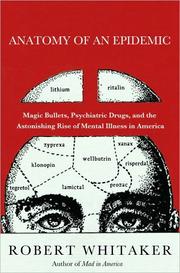
Why the number of people disabled by mental illness rose with psychiatric drugs.
Recommended by: Tim Ferriss
Mental disorders as metabolic disorders of the brain, and the treatments that follow.
Recommended by: Andrew Wilkinson
Trauma as an injury held in the body, and how attention to the body heals it.
Recommended by: Mohnish Pabrai
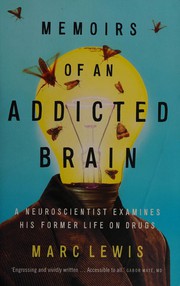
A neuroscientist examines his own former life on drugs and the science of addiction.
Recommended by: Nir Eyal
How sleep, diet and social media feed ADHD-like traits, with Trump as a case study.
Recommended by: Andrew Wilkinson
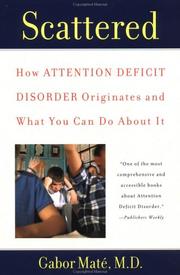
Attention deficit disorder as rooted in emotional environment, and how it heals.
Recommended by: Andrew Wilkinson