Updates

  1. 137 new fund letters and reports, each with its own page: Kayne Anderson Rudnick (48 market briefings, KayneCast episodes and TV commentaries), Shelton Capital Management (48 shareholder reports and a commentary), Lakehouse Capital (10 Small Companies Fund letters), Smead (5 newsletters), RIT Capital Partners (5 monthly commentaries), Kovitz, Legal & General, Generation, Hosking, Marram, Munro, Oldfield and others.
  2. 200 new fund letters and reports, each with its own page: Spheria (41 monthly reports), Peapack Private (41 weekly recaps and planning newsletters), Fort Washington (23), Polen Capital (15), Aristotle Pacific (14), Riverwater (13), Chou (10), Apollo Asia Fund (8, back to 1998), Personal Asset Trust, Rockwood Strategic, J Capital Research, I/O Fund, Penn Davis McFarland, Pomona and others.
  3. Investor pages have one Investments tab with shares, changes, % owned, class, market cap and Market cap and Status filters, a Funds tab listing each fund the firm runs, and assets under management from Form ADV. The Investors table shows AUM and current investments, and its search finds investors by what they hold.
  4. Filters, search and sort stay as you left them when you come back to a section. Person cards look like book cards. Company pages name their Investors tab Ownership. Kind and Sector filters use four kinds and GICS sectors with industries. Dead links left the Links tabs.
  5. 190 more investors from fiscal.ai's list, with their sites, letters, partners and 13F holdings; 556 more partner descriptions. Experts now lists only people.
  6. Fund letters lists 144 new documents from 23 firms, each with its own page: a summary, key insights and quotes. Among them: 37 BlackRock articles, 21 Value Partners monthly notes, eight Baron Capital letters, six Stone Sentinel letters to partners, seven Value Line portfolio manager Q&As, BNY's 2026 earnings releases and Starboard Value's 2026 conference presentations.
  7. 584 more investors, with their websites, 6,776 letters from their own sites, 1,385 partners with pages and the 13F holdings of 213 firms. New letters arrive daily from 290 more archives.
  8. Media and Companies filter by GICS sector and industry group, taken from the companies an episode or page names. 1,860 more company pages show a logo, the SEC's list included.
  9. The home page counts what the platform holds and lists features such as the document reader, the player and saved marks. Settings sits at the foot of the rail. Book cards are a quarter wider, so rows hold fewer. Companies drops the Named in filter, and the Role list in your account runs A to Z.
  10. Investor pages of 13 firms show their newsroom's latest posts. New 13F filings are read as the SEC publishes them.
  11. Investor pages have an Investments tab: 13,975 holdings for 105 investors, from their 13F filings with the SEC and their own portfolio pages, with status and sector. 7,338 more companies have a page of their own.
  12. A podcast or YouTube episode keeps playing while you move around the site, in a bar with skip, speed and volume. Media tables show each episode's length and description.
  13. Press releases come from each company's own newsroom (167 companies); SEC filings sit on the Filings tab. Tickers name their exchange, and a company's Experts tab includes guests whose episode description names it.
  14. Letter types now include Market commentary, Fact sheet, Interim report, Annual report, Proxy circular and Governance document. The reader opens over the whole window.
  15. Partners of investment firms have 2,836 appearances and 580 pieces of writing on their pages; Derek Sivers's page lists every book he rates, with his rating.
  16. Fund letters lists three Akre Focus shareholder reports: the ETF's annual report for the year to July 2026, its semi-annual report to January 2026 and the fund's semi-annual report to January 2025, each with its own page: a summary, key insights and quotes.
  17. 837 partners of 73 investment firms now have their own pages, with title, description, photograph and social accounts; Andreessen Horowitz partners' pages also list their writing on a16z.com.
  18. Company pages have a Press releases tab: 8,229 releases for 203 companies, from SEC filings and company newsrooms. Companies filter by For-profit or Non-profit. Own media is a table with filters. Media filters by sector and industry. Publication pages link their publisher in the description.
  19. The Unilever page's Letters tab shows what each fund letter says about Unilever, word for word with its page, and whether the letter is bullish, bearish, mixed or neutral. Filter by sentiment, and see 10 letters at a time.
  20. 492 more fund letters and 3,183 more articles show the day they were published, read from each letter's first page or each article's own page.
  21. The PDF reader has a search box: type words to see every match in the document and step through them. About 540 letters that were web pages, among them Oakmark's commentaries, Bill Miller's letters and Howard Marks's memos, now open in the reader.
  22. Person pages: recommendations open with tier 1 books; one button per organisation; transcripts sit on their episodes; the books on 129 reading lists joined the Recommends tabs.
  23. Companies lists every company with a ticker on the SEC's list, with a Source filter. A quote on a company page opens the letter at that page with the words marked. A company's Media tab lists only episodes that name it, and a new Own media tab lists its podcasts, publications and YouTube channel. Show pages link their publisher. A page opened from a table no longer shows that table's filters beside it.
  24. Company, investor and person pages show more of their social accounts: Facebook, TikTok, Bluesky, Medium, GitHub, Discord and podcast shows. Investor pages list every partner the firm's own team page names: 965 people across 73 investors, 98 for Andreessen Horowitz.
  25. About 170 more letters and papers open in the reader: Mohnish Pabrai's letters and transcripts from his site's new folder, and free copies of papers by Asness, Harvey, Altman, Lo and others from their own or their schools' sites.
  26. Every company a fund letter names has a page, with the letters and quotes that name it: 47 new pages, among them Atom Computing, Hugging Face, Rolls-Royce Holdings and Westinghouse Electric. Company pages have a Quotes tab.
  27. A person's Writing tab has a Type column and filter (Article, Essay, Transcript, Speech, Foreword, Interview and the rest), and Publication names only the publication that published each piece.
  28. Fund letters opens on the newest published letter, and a letter or paper found by search opens its own page here instead of the publisher's site.
  29. A letter or paper with a copy on the site opens its PDF over its page, with a button to open it in a new tab. Select text to highlight or underline it; signed-in readers keep their marks in their account. Each quote opens the PDF at its page with its words marked, and a Source link leads to the publisher's original.
  30. Fund letters lists 61 more documents, each with its own page: Fairfax's 2025 and 2026 interim reports, proxy circulars and 2025 annual report (with their French editions), 26 Charlie Munger meeting transcripts, talks and essays, Third Point's 2026 monthly reports and Malibu Life's interim results, and a Seth Klarman interview. Papers adds Richard Thaler's two 2020 editorials on nudges.
  31. Fund letters lists Lux Capital's letters for Q2 and Q3 2026, by Josh Wolfe, each with its own page: a summary, key insights and quotes.
  32. Fund letters lists Brookfield's letter to shareholders for Q3 2026, by Bruce Flatt, with its own page: a summary, key insights and quotes.
  33. Fund letters lists Howard Marks's memo of 11 November 2026, A Layman Thinks About AI, with its own page: a summary, key insights and quotes.
  34. Fund letters lists 118 more letters, each with its own page: 44 weekly commentaries by Jeremy Siegel from 2026, 31 issues of Van Tharp's newsletter from 2018, 23 Pabrai Investment Funds letters from 2021 to Q3 2026, 13 Efficient Frontier essays by William Bernstein, Oakmark's three 3Q 2026 commentaries, two Lindsell Train reports, a John Hussman comment and Third Point's Q3 2026 letter.
  35. 2,027 more books carry a one-line description in the Books table and on their pages; 7,067 of 7,715 have one, every tier 1, 2 and 3 book among them.
  36. Fund letters lists 187 more letters from 19 firms, among them Permanent Equity, Social Capital, Lux Capital, Square Peg, Bestinver, Cobas, Sequoia Fund, Marketfield and EquityCompass; each shows on its investor's page and has a page of its own.
  37. 2,928 more books carry a one-line description in the Books table and on their pages, so every tier 1, 2 and 3 book has one; 5,040 in all.
  38. Every publication on Newsletters has its own page: its writing, its writers, its staff and who recommends it. Investor pages have a Management tab; a company's Experts tab now leaves out its own people, who list under Management. Tabs on a phone move sideways only.
  39. Every fund letter and research paper has its own page: the thesis, the PDF, the companies and books it names, and for 176 letters and 24 papers so far a summary, key insights and quotes with their page.
  40. 99 books that no page listed now sit under their topics in Books, among them Caste, American Prometheus and Pale Blue Dot.
  41. Newsletters lists every newspaper, magazine, investment newsletter, journal and blog the reference holds, 442 in all, with the people who write there. The search box keeps your last 20 searches. You can create an account.
  42. 283 books that fund managers recommend in their letters are on the shelf, each with the letter's own words and page; investor pages have a Recommends tab.
  43. Person, company, investor and show pages link their own accounts on X, Threads, Instagram, LinkedIn, YouTube and Substack: 275 people, 552 companies and organisations, 88 investors and 478 shows.
  44. 716 more book recommendations name their source: the person's own reading list, letter, blog post, speech or interview, or an article that reports it. 232 of them quote the person's own words about the book, on the book card and on the book's page.
  45. Every US-listed company has a page with its SEC filings. Company pages list their experts and their management, past and present. Fund managers sit under Investors. Each show has a page of its episodes, and an episode page names its guests and hosts. Biographies lists groups, then people. Breadcrumbs show where a page sits.
  46. Media lists every podcast episode, video, interview and talk, over 10,000, by person, company, publisher and event; each filter searches its own choices. Books opens on its table, then Browse, then Authors and Recommenders. A filter's count no longer covers its arrow.
  47. A book that no company, country or subject page lists shows its topics under Where it sits in the reference. On a phone, a page's tabs scroll sideways only. Descriptions read the same on every page. See them in the Experts tab lists every expert the page names.
  48. Every podcast episode, video and interview has its own page with a video or audio player and a link to the source. Investor pages show each company's sector and market cap; firms such as Berkshire Hathaway have one page that holds their letters and their company tabs. Letters tabs filter by company and search the theses. Companies filter by Public, Private and Defunct and link each company's website.
  49. Every tab, view and search has its own address, such as /books/table/asset or /letters/companies, so Back works and a link opens the same place. Page addresses no longer end in .html. Fund letters, Investors, Companies and Papers load about a fifth of the data they did.
  50. Fund letters has a Companies tab: every company the letters name, with its market cap, sector, country, and how many letters and investors name it. Investor pages link each investor's website. Lists in table cells end with “… and N more” at every width.
  51. 1,120 more book summaries; descriptions for 373 papers; pages for 137 more companies, each with the fund letters that discuss it; 215 official photographs; search has its own page.
  52. 411 more books have a summary; person pages list 930 more of the books they wrote; 147 people show their official photograph.
  53. Every investor has a page with its letters and the companies they discuss; company pages list the investors whose letters name them.
  54. A Companies section at the top of the rail lists every company the books, experts and fund letters name.
  55. Person pages list letters, writing, profiles and links as sortable tables with filters, and show each person's companies as links; Fund letters show each letter's description in its own column.
  56. Experts show a checked job title and a short description of each person; 30 more people have photographs.
  57. Every company, fund, university and publication the experts work for has a page listing the people there.
  58. Fund letters show each letter's thesis and filter by it; 225 person pages list the essays, columns and newsletter issues the person wrote.
  59. Person pages list every essay and newsletter issue a person wrote, and their own books as a table in List view.
  60. Recommends shows the five largest kinds of book and the rest under More; browse pictures load sooner.
  61. Podcasts and talks link the original episode, filter by Audio and video or Press, and list each publisher once.
  62. Pages are wider, Recommends has List and Grid, and a filter clicked again turns off.
  63. Book cards sit in a ruled grid with Open Library and Goodreads links and each book's one-line note.
  64. Funds is now Investors; each investor's styles are buttons that filter the table.
  65. Podcasts and talks on a person's page filter by year and publisher and show as a list or a grid of pictures.
  66. Quotes show only people's own words: 472 summaries written by list sites are gone.
  67. Country pages open from Browse again, and every link on the shelf lands on a page.
  68. Subject and person pages show their sections as tabs, and each book appears once on a person's page.
  69. Book cards show the quote, who said it and the source; grids show five cards to a row.
  70. On a phone, a menu holds the sections, search, Updates, Feedback and dark mode.
  71. Feedback takes a screenshot of the page with no browser prompt, opens a screenshot full size when you click it, and clears itself once sent.
  72. Book cards are centred, search names the topic each book sits in, and any text cut short shows whole on hover.
  73. Search groups its results by kind: people, companies, geographies, subjects, topics, books, funds, fund letters and papers.
  74. The Books table lists who recommended each book by name, and the browser tab names the section you are in.
  75. Feedback can take a screenshot of the page, or one you paste or choose, and opens in the corner beside Updates.
  76. Each rail button reopens its section where you left it, and Browse, Table and People show on every book and subject page.
  77. Filters grey out choices that hold nothing instead of hiding them, and Books › People filters by authors or recommenders.
  78. Feedback takes a subject line and up to three screenshots.
  79. Biographies are grouped by the person they are about: 41 new pages, from Abraham Lincoln to Lee Kuan Yew.
  80. Sport splits into 23 sports, and Religion into one topic per faith.
  81. Book lists show as cards: the cover, one recommendation quote and every recommender by name.
  82. Seventeen subjects that had two or three pages under different names now have one page each.
  83. Every page lists its Experts as authors and recommenders, with a link to them on the Experts tab.
  84. Economics, Financial history, Financial panics and Accounting are subjects of their own, with one page per financial crisis.
  85. Book, person and subject pages open inside the app, so the tabs stay in view.
  86. 996 more book covers, and photographs or logos for 227 more people and companies.
  87. Books › Browse shows every subject as cards, and the rail holds Fund letters, Papers, Experts, Books and Funds.
  88. Every topic over 150 books splits into narrower topics, each with a page of its own.

Send feedback

What is it?
Screenshots, up to 3 (optional)
or paste one with Ctrl+V

We use your email only to reply to you.

MH

Mental health, trauma and therapy

Books on depression, anxiety, ADHD, addiction, trauma, grief and psychotherapy, including Jungian analytical psychology.

Start here

  1. Addiction by DesignNatasha Dow Schüll, 2012
  2. The ChoiceDr. Edith Eva Eger, 1900
  3. Modern Man in Search of a SoulCarl Gustav Jung, 1933
  4. The Archetypes and The Collective UnconsciousCarl Jung, 1959
  5. Memories, Dreams, ReflectionsCarl Jung, 1963

Natasha Dow Schüll · 2012

How slot machines are designed to keep gamblers playing longer.

Recommended by: Nir Eyal, Tristan Harris

Dr. Edith Eva Eger · 1900

A memoir of surviving Auschwitz and a psychologist's guide to healing from trauma.

“Maybe the best book I've read in years.” — Morgan Housel

Source: A Few Good Books · Collaborative Fund

Recommended by: Bill Gates, Morgan Housel

Carl Gustav Jung · 1933

A psychologist's study of modern people's spiritual search.

Recommended by: Mohnish Pabrai

Carl Jung · 1959

Essays that set out the fundamentals of a psychological system of archetypes.

Recommended by: Ricardo Semler

Carl Jung · 1963

A psychiatrist's own story of his life, told late in life with a colleague.

Recommended by: Arianna Huffington
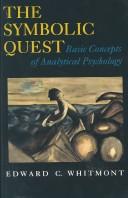
Edward C. Whitmont · 1969

The basic concepts of Jung's analytical psychology: archetypes, the self and healing.

Recommended by: Guy Spier

Emma Jung, Marie-Louise von Franz · 1970

The legend of the Holy Grail and what it reveals about the psyche.

Recommended by: Guy Spier
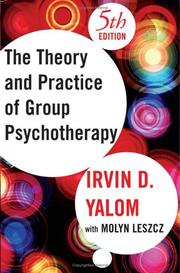
Irvin D. Yalom · 1970

The standard text on group psychotherapy, revised with recent research.

Recommended by: Mohnish Pabrai

Claudio Naranjo · 1974

“If you want to know how some psychotherapists have worked with these things, I think an oldie but a goodie, The Healing Journey by Claudio Naranjo, I think is excellent.” — Tim Ferriss

Source: The Tim Ferriss Show Transcripts: Dr. Andrew Huberman — The Foundations of Physical and Mental Performance, Core Supplements, Sexual Health and Fertility, Sleep Optimization, Psychedelics, and More (#660)

Recommended by: Tim Ferriss

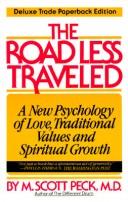
M. Scott Peck · 1978

Why facing problems, though painful, is how people grow mentally and spiritually.

“Profound truths and bold opinions on discipline, life, and love, written by a psychiatrist in 1978. It's been a best-seller all these years for a good reason.” — Derek Sivers

Source: Derek Sivers book notes (primary, rated list) · Rating: 8/10

Recommended by: Derek Sivers, Jim Collins, John Maeda and 1 other

Alice Miller · 1981

How sensitive children who meet their parents' needs lose touch with the true self.

Recommended by: Mohnish Pabrai

Alice Miller, Ruth Ward · 1981

Why many successful children and adults feel empty, and how to break the cycle.

Recommended by: Mohnish Pabrai, Tim Ferriss

Harriet Lerner · 1985

How women can use anger as a signal to change patterns in close relationships.

Recommended by: Brené Brown
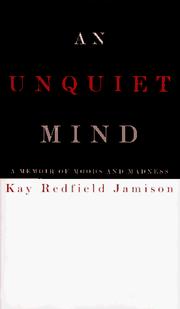
Kay Redfield Jamison · 1995

A psychiatrist's memoir of her own manic-depressive illness.
Recommended by: Brad Feld, Ray Dalio

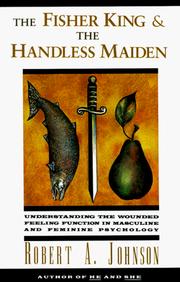
Robert A. Johnson · 1995

Two medieval tales read as maps of the wounded feeling function in men and women.

Recommended by: Guy Spier
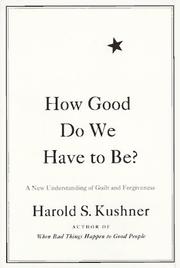
Harold S. Kushner · 1996

Why God does not need people to be perfect, and how to forgive oneself.

Recommended by: Mohnish Pabrai

Terrence Real · 1997

How men hide depression, and how to treat it.

Recommended by: Peter Attia

Gerald G. Jampolsky · 1999

On forgiveness as a way to heal and live.

Recommended by: Mohnish Pabrai

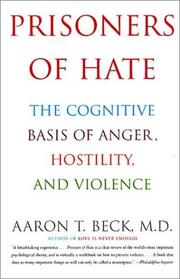
Aaron T. Beck · 1999

Cognitive therapy applied to the thinking behind anger, hostility and violence.

Recommended by: Mohnish Pabrai
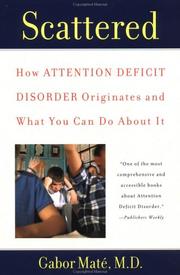
Gabor Maté · 1999

Attention deficit disorder as rooted in emotional environment, and how it heals.

Recommended by: Andrew Wilkinson

Diana Fosha · 2000

A model of accelerated psychodynamic therapy built on the power of emotion.

Recommended by: Guy Spier

Peter C. Whybrow · 2005

A doctor on why affluent Americans are overworked, stressed and never satisfied.

Recommended by: Simon Sinek

Elisabeth Kübler-Ross, David Kessler · 2005

How the process of grieving helps people live with loss.

“I don't recall what all the books were, but the two that really made a difference for me were Elisabeth Kübler-Ross's and David Kessler's posthumous book On Grief and Grieving, and the Tibetan Book of Living and Dying. Each allowed me to process and understand the emotions I was going through.” — Matt Mullenweg

Source: Books on Grieving

Recommended by: Matt Mullenweg, Tim Ferriss

Russ Harris · 2007

How chasing happiness makes us miserable, and a way out through acceptance therapy.

Recommended by: Shane Parrish
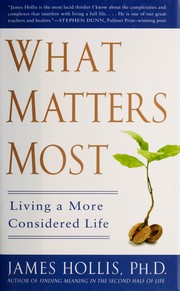
James Hollis · 2009

A Jungian approach to finding meaning and an authentic path.

Recommended by: Andrew Wilkinson

Peter A. Levine · 2010

Trauma as an injury held in the body, and how attention to the body heals it.

Recommended by: Mohnish Pabrai
Russell A. Barkley · 2010

A researcher's guide for adults with ADHD to getting care and helping themselves.

Recommended by: Andrew Wilkinson
Brené Brown · 2010

Courage, compassion and connection as choices that lead to wholehearted living.

Recommended by: Brené Brown, Melinda Gates
Bruce Tift · 2011

How Buddhism and Western psychotherapy each approach freedom from suffering.

Recommended by: Tim Ferriss
Timothy D. Wilson · 2011

How reframing the stories people tell about themselves leads to better lives.

Recommended by: Nir Eyal

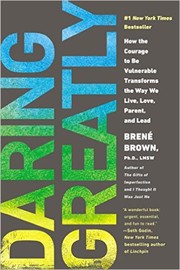
Brene Brown · 2012

Research on shame and vulnerability, and why vulnerability comes before connection.

“I think it's Brene Brown's book, Daring Greatly, talks about this really well. Or Krista Tippett on Becoming Wise, another great book.” — Matt Mullenweg

Source: The Tim Ferriss Show Transcripts: Matt Mullenweg on Characteristics and Practices of Successful Entrepreneurs (#190)

Recommended by: Matt Mullenweg, Tom Bilyeu, Tony Hsieh and 4 others
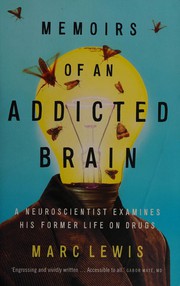
Marc Lewis · 2012

A neuroscientist examines his own former life on drugs and the science of addiction.

Recommended by: Nir Eyal
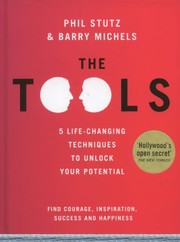
Phil Stutz · 2012

Five quick psychological tools for turning problems into courage and creativity.

“I also like The Tools. I give that out sometimes.” — Graham Duncan

Source: The Tim Ferriss Show Transcripts: Graham Duncan (#362)

Recommended by: Graham Duncan
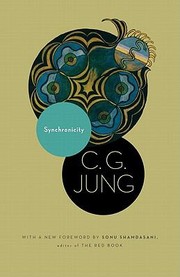
Carl Jung · 2013

Synchronicity as an acausal connecting principle, and research on ESP.

Recommended by: Ricardo Semler
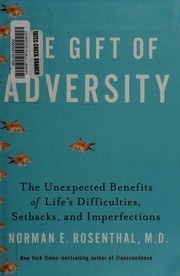
Norman E. Rosenthal · 2013

Why setbacks are inevitable, and what people can learn from them.

Recommended by: Ray Dalio

Bessel A. van der Kolk · 2014

How trauma reshapes the body and brain, and the treatments that help survivors.

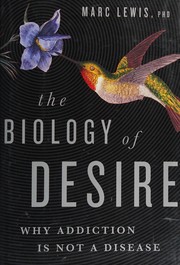
Marc Lewis · 2015

Addiction as learning in the brain, not a disease, by a neuroscientist and ex-addict.

Recommended by: Esther Dyson

Sarah Wilson · 2017

A lifelong sufferer turns her inquiry on anxiety and how to live with it.

Recommended by: George Hatzis

Allison Fallon · 2018

A woman's story of a failed marriage to a pastor, and choosing herself over it.

Recommended by: Claire Diaz-Ortiz

James Hollis · 2018

A therapist's guide to answering your soul's calling in the second half of life.

“I love this line from Dr. James Hollis' incredible book (one of my favorites from the last few years)” — Andrew Wilkinson

Source: Essay

Recommended by: Andrew Wilkinson
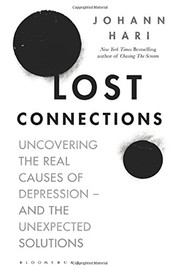
Johann Hari · 2018

Depression and anxiety traced to lost connections to work, people and values.

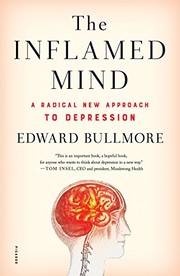
Edward Bullmore · 2018

A new approach to depression that links it to inflammation in the body.

Recommended by: Vinod Khosla

Emily Nagoski, Amelia Nagoski · 2019

Why women burn out differently from men, and a science-based plan to manage stress.

Recommended by: Mel Robbins
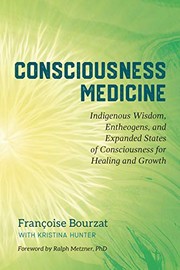
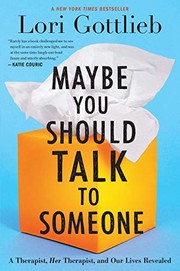
Lori Gottlieb · 2019

A therapist's own hard stretch, told alongside the stories of four of her patients.

John Kruse · 2019

How sleep, diet and social media feed ADHD-like traits, with Trump as a case study.

Recommended by: Andrew Wilkinson

Corey White · 2019

A comedian's memoir of trauma, evil and resilience.

Recommended by: Zoë Foster Blake
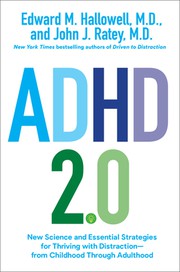
Edward M. Hallowell, John J. Ratey · 2021

Attention deficit disorder in adults and children, and how to manage it.

Recommended by: Andrew Wilkinson
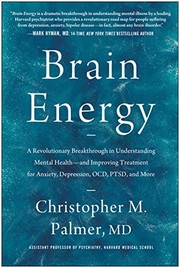
Christopher M. Palmer · 2022

Mental disorders as metabolic disorders of the brain, and the treatments that follow.

Recommended by: Andrew Wilkinson
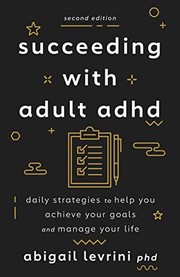
Abigail L. Levrini · 2023

Daily strategies for adults with ADHD to reach their goals and manage life.

Recommended by: Andrew Wilkinson

Jonathan Haidt · 2024

Why adolescents' mental health fell sharply in the early 2010s.

Janet Woititz

The shared traits of adult children of alcoholics, with hints for recovery.

Recommended by: Chamath Palihapitiya
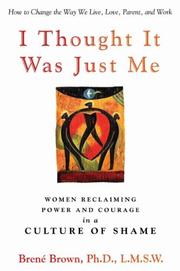
Brené Brown

How shame hurts women's lives, and strategies for courage and connection.

Recommended by: Brené Brown

More psychology and behaviour