Updates

  1. 137 new fund letters and reports, each with its own page: Kayne Anderson Rudnick (48 market briefings, KayneCast episodes and TV commentaries), Shelton Capital Management (48 shareholder reports and a commentary), Lakehouse Capital (10 Small Companies Fund letters), Smead (5 newsletters), RIT Capital Partners (5 monthly commentaries), Kovitz, Legal & General, Generation, Hosking, Marram, Munro, Oldfield and others.
  2. 200 new fund letters and reports, each with its own page: Spheria (41 monthly reports), Peapack Private (41 weekly recaps and planning newsletters), Fort Washington (23), Polen Capital (15), Aristotle Pacific (14), Riverwater (13), Chou (10), Apollo Asia Fund (8, back to 1998), Personal Asset Trust, Rockwood Strategic, J Capital Research, I/O Fund, Penn Davis McFarland, Pomona and others.
  3. Investor pages have one Investments tab with shares, changes, % owned, class, market cap and Market cap and Status filters, a Funds tab listing each fund the firm runs, and assets under management from Form ADV. The Investors table shows AUM and current investments, and its search finds investors by what they hold.
  4. Filters, search and sort stay as you left them when you come back to a section. Person cards look like book cards. Company pages name their Investors tab Ownership. Kind and Sector filters use four kinds and GICS sectors with industries. Dead links left the Links tabs.
  5. 190 more investors from fiscal.ai's list, with their sites, letters, partners and 13F holdings; 556 more partner descriptions. Experts now lists only people.
  6. Fund letters lists 144 new documents from 23 firms, each with its own page: a summary, key insights and quotes. Among them: 37 BlackRock articles, 21 Value Partners monthly notes, eight Baron Capital letters, six Stone Sentinel letters to partners, seven Value Line portfolio manager Q&As, BNY's 2026 earnings releases and Starboard Value's 2026 conference presentations.
  7. 584 more investors, with their websites, 6,776 letters from their own sites, 1,385 partners with pages and the 13F holdings of 213 firms. New letters arrive daily from 290 more archives.
  8. Media and Companies filter by GICS sector and industry group, taken from the companies an episode or page names. 1,860 more company pages show a logo, the SEC's list included.
  9. The home page counts what the platform holds and lists features such as the document reader, the player and saved marks. Settings sits at the foot of the rail. Book cards are a quarter wider, so rows hold fewer. Companies drops the Named in filter, and the Role list in your account runs A to Z.
  10. Investor pages of 13 firms show their newsroom's latest posts. New 13F filings are read as the SEC publishes them.
  11. Investor pages have an Investments tab: 13,975 holdings for 105 investors, from their 13F filings with the SEC and their own portfolio pages, with status and sector. 7,338 more companies have a page of their own.
  12. A podcast or YouTube episode keeps playing while you move around the site, in a bar with skip, speed and volume. Media tables show each episode's length and description.
  13. Press releases come from each company's own newsroom (167 companies); SEC filings sit on the Filings tab. Tickers name their exchange, and a company's Experts tab includes guests whose episode description names it.
  14. Letter types now include Market commentary, Fact sheet, Interim report, Annual report, Proxy circular and Governance document. The reader opens over the whole window.
  15. Partners of investment firms have 2,836 appearances and 580 pieces of writing on their pages; Derek Sivers's page lists every book he rates, with his rating.
  16. Fund letters lists three Akre Focus shareholder reports: the ETF's annual report for the year to July 2026, its semi-annual report to January 2026 and the fund's semi-annual report to January 2025, each with its own page: a summary, key insights and quotes.
  17. 837 partners of 73 investment firms now have their own pages, with title, description, photograph and social accounts; Andreessen Horowitz partners' pages also list their writing on a16z.com.
  18. Company pages have a Press releases tab: 8,229 releases for 203 companies, from SEC filings and company newsrooms. Companies filter by For-profit or Non-profit. Own media is a table with filters. Media filters by sector and industry. Publication pages link their publisher in the description.
  19. The Unilever page's Letters tab shows what each fund letter says about Unilever, word for word with its page, and whether the letter is bullish, bearish, mixed or neutral. Filter by sentiment, and see 10 letters at a time.
  20. 492 more fund letters and 3,183 more articles show the day they were published, read from each letter's first page or each article's own page.
  21. The PDF reader has a search box: type words to see every match in the document and step through them. About 540 letters that were web pages, among them Oakmark's commentaries, Bill Miller's letters and Howard Marks's memos, now open in the reader.
  22. Person pages: recommendations open with tier 1 books; one button per organisation; transcripts sit on their episodes; the books on 129 reading lists joined the Recommends tabs.
  23. Companies lists every company with a ticker on the SEC's list, with a Source filter. A quote on a company page opens the letter at that page with the words marked. A company's Media tab lists only episodes that name it, and a new Own media tab lists its podcasts, publications and YouTube channel. Show pages link their publisher. A page opened from a table no longer shows that table's filters beside it.
  24. Company, investor and person pages show more of their social accounts: Facebook, TikTok, Bluesky, Medium, GitHub, Discord and podcast shows. Investor pages list every partner the firm's own team page names: 965 people across 73 investors, 98 for Andreessen Horowitz.
  25. About 170 more letters and papers open in the reader: Mohnish Pabrai's letters and transcripts from his site's new folder, and free copies of papers by Asness, Harvey, Altman, Lo and others from their own or their schools' sites.
  26. Every company a fund letter names has a page, with the letters and quotes that name it: 47 new pages, among them Atom Computing, Hugging Face, Rolls-Royce Holdings and Westinghouse Electric. Company pages have a Quotes tab.
  27. A person's Writing tab has a Type column and filter (Article, Essay, Transcript, Speech, Foreword, Interview and the rest), and Publication names only the publication that published each piece.
  28. Fund letters opens on the newest published letter, and a letter or paper found by search opens its own page here instead of the publisher's site.
  29. A letter or paper with a copy on the site opens its PDF over its page, with a button to open it in a new tab. Select text to highlight or underline it; signed-in readers keep their marks in their account. Each quote opens the PDF at its page with its words marked, and a Source link leads to the publisher's original.
  30. Fund letters lists 61 more documents, each with its own page: Fairfax's 2025 and 2026 interim reports, proxy circulars and 2025 annual report (with their French editions), 26 Charlie Munger meeting transcripts, talks and essays, Third Point's 2026 monthly reports and Malibu Life's interim results, and a Seth Klarman interview. Papers adds Richard Thaler's two 2020 editorials on nudges.
  31. Fund letters lists Lux Capital's letters for Q2 and Q3 2026, by Josh Wolfe, each with its own page: a summary, key insights and quotes.
  32. Fund letters lists Brookfield's letter to shareholders for Q3 2026, by Bruce Flatt, with its own page: a summary, key insights and quotes.
  33. Fund letters lists Howard Marks's memo of 11 November 2026, A Layman Thinks About AI, with its own page: a summary, key insights and quotes.
  34. Fund letters lists 118 more letters, each with its own page: 44 weekly commentaries by Jeremy Siegel from 2026, 31 issues of Van Tharp's newsletter from 2018, 23 Pabrai Investment Funds letters from 2021 to Q3 2026, 13 Efficient Frontier essays by William Bernstein, Oakmark's three 3Q 2026 commentaries, two Lindsell Train reports, a John Hussman comment and Third Point's Q3 2026 letter.
  35. 2,027 more books carry a one-line description in the Books table and on their pages; 7,067 of 7,715 have one, every tier 1, 2 and 3 book among them.
  36. Fund letters lists 187 more letters from 19 firms, among them Permanent Equity, Social Capital, Lux Capital, Square Peg, Bestinver, Cobas, Sequoia Fund, Marketfield and EquityCompass; each shows on its investor's page and has a page of its own.
  37. 2,928 more books carry a one-line description in the Books table and on their pages, so every tier 1, 2 and 3 book has one; 5,040 in all.
  38. Every publication on Newsletters has its own page: its writing, its writers, its staff and who recommends it. Investor pages have a Management tab; a company's Experts tab now leaves out its own people, who list under Management. Tabs on a phone move sideways only.
  39. Every fund letter and research paper has its own page: the thesis, the PDF, the companies and books it names, and for 176 letters and 24 papers so far a summary, key insights and quotes with their page.
  40. 99 books that no page listed now sit under their topics in Books, among them Caste, American Prometheus and Pale Blue Dot.
  41. Newsletters lists every newspaper, magazine, investment newsletter, journal and blog the reference holds, 442 in all, with the people who write there. The search box keeps your last 20 searches. You can create an account.
  42. 283 books that fund managers recommend in their letters are on the shelf, each with the letter's own words and page; investor pages have a Recommends tab.
  43. Person, company, investor and show pages link their own accounts on X, Threads, Instagram, LinkedIn, YouTube and Substack: 275 people, 552 companies and organisations, 88 investors and 478 shows.
  44. 716 more book recommendations name their source: the person's own reading list, letter, blog post, speech or interview, or an article that reports it. 232 of them quote the person's own words about the book, on the book card and on the book's page.
  45. Every US-listed company has a page with its SEC filings. Company pages list their experts and their management, past and present. Fund managers sit under Investors. Each show has a page of its episodes, and an episode page names its guests and hosts. Biographies lists groups, then people. Breadcrumbs show where a page sits.
  46. Media lists every podcast episode, video, interview and talk, over 10,000, by person, company, publisher and event; each filter searches its own choices. Books opens on its table, then Browse, then Authors and Recommenders. A filter's count no longer covers its arrow.
  47. A book that no company, country or subject page lists shows its topics under Where it sits in the reference. On a phone, a page's tabs scroll sideways only. Descriptions read the same on every page. See them in the Experts tab lists every expert the page names.
  48. Every podcast episode, video and interview has its own page with a video or audio player and a link to the source. Investor pages show each company's sector and market cap; firms such as Berkshire Hathaway have one page that holds their letters and their company tabs. Letters tabs filter by company and search the theses. Companies filter by Public, Private and Defunct and link each company's website.
  49. Every tab, view and search has its own address, such as /books/table/asset or /letters/companies, so Back works and a link opens the same place. Page addresses no longer end in .html. Fund letters, Investors, Companies and Papers load about a fifth of the data they did.
  50. Fund letters has a Companies tab: every company the letters name, with its market cap, sector, country, and how many letters and investors name it. Investor pages link each investor's website. Lists in table cells end with “… and N more” at every width.
  51. 1,120 more book summaries; descriptions for 373 papers; pages for 137 more companies, each with the fund letters that discuss it; 215 official photographs; search has its own page.
  52. 411 more books have a summary; person pages list 930 more of the books they wrote; 147 people show their official photograph.
  53. Every investor has a page with its letters and the companies they discuss; company pages list the investors whose letters name them.
  54. A Companies section at the top of the rail lists every company the books, experts and fund letters name.
  55. Person pages list letters, writing, profiles and links as sortable tables with filters, and show each person's companies as links; Fund letters show each letter's description in its own column.
  56. Experts show a checked job title and a short description of each person; 30 more people have photographs.
  57. Every company, fund, university and publication the experts work for has a page listing the people there.
  58. Fund letters show each letter's thesis and filter by it; 225 person pages list the essays, columns and newsletter issues the person wrote.
  59. Person pages list every essay and newsletter issue a person wrote, and their own books as a table in List view.
  60. Recommends shows the five largest kinds of book and the rest under More; browse pictures load sooner.
  61. Podcasts and talks link the original episode, filter by Audio and video or Press, and list each publisher once.
  62. Pages are wider, Recommends has List and Grid, and a filter clicked again turns off.
  63. Book cards sit in a ruled grid with Open Library and Goodreads links and each book's one-line note.
  64. Funds is now Investors; each investor's styles are buttons that filter the table.
  65. Podcasts and talks on a person's page filter by year and publisher and show as a list or a grid of pictures.
  66. Quotes show only people's own words: 472 summaries written by list sites are gone.
  67. Country pages open from Browse again, and every link on the shelf lands on a page.
  68. Subject and person pages show their sections as tabs, and each book appears once on a person's page.
  69. Book cards show the quote, who said it and the source; grids show five cards to a row.
  70. On a phone, a menu holds the sections, search, Updates, Feedback and dark mode.
  71. Feedback takes a screenshot of the page with no browser prompt, opens a screenshot full size when you click it, and clears itself once sent.
  72. Book cards are centred, search names the topic each book sits in, and any text cut short shows whole on hover.
  73. Search groups its results by kind: people, companies, geographies, subjects, topics, books, funds, fund letters and papers.
  74. The Books table lists who recommended each book by name, and the browser tab names the section you are in.
  75. Feedback can take a screenshot of the page, or one you paste or choose, and opens in the corner beside Updates.
  76. Each rail button reopens its section where you left it, and Browse, Table and People show on every book and subject page.
  77. Filters grey out choices that hold nothing instead of hiding them, and Books › People filters by authors or recommenders.
  78. Feedback takes a subject line and up to three screenshots.
  79. Biographies are grouped by the person they are about: 41 new pages, from Abraham Lincoln to Lee Kuan Yew.
  80. Sport splits into 23 sports, and Religion into one topic per faith.
  81. Book lists show as cards: the cover, one recommendation quote and every recommender by name.
  82. Seventeen subjects that had two or three pages under different names now have one page each.
  83. Every page lists its Experts as authors and recommenders, with a link to them on the Experts tab.
  84. Economics, Financial history, Financial panics and Accounting are subjects of their own, with one page per financial crisis.
  85. Book, person and subject pages open inside the app, so the tabs stay in view.
  86. 996 more book covers, and photographs or logos for 227 more people and companies.
  87. Books › Browse shows every subject as cards, and the rail holds Fund letters, Papers, Experts, Books and Funds.
  88. Every topic over 150 books splits into narrower topics, each with a page of its own.

Send feedback

What is it?
Screenshots, up to 3 (optional)
or paste one with Ctrl+V

We use your email only to reply to you.

Parenting and Family

Raising children, family relationships, caregiving and the domestic side of a life. Read by parents and by anyone negotiating obligations to the people they live with.

Start here

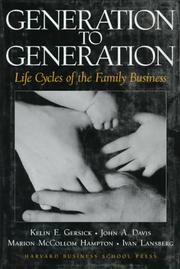
  1. Generation to GenerationKelin E. Gersick, John A. Davis, Marion McCollom Hampton, Ivan Lansberg, 1997
  2. Keeping the Family Business HealthyJohn L. Ward, 1987
  3. Family WealthJames E. Hughes Jr., 1997
  4. The Nurture AssumptionJudith Rich Harris, 1998
  5. Small FryLisa Brennan-Jobs, 2018
Kelin E. Gersick, John A. Davis, Marion McCollom Hampton, Ivan Lansberg · 1997

How family firms develop, seen as three overlapping circles: family, owners, firm.
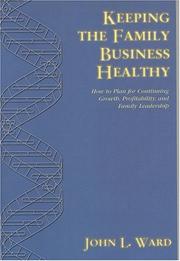
John L. Ward · 1987

How family-owned firms can plan for growth, ownership and succession.
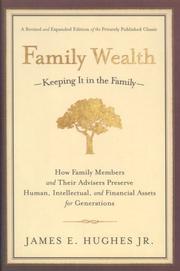
James E. Hughes Jr. · 1997

What a family must preserve to keep its wealth: its human and intellectual capital.
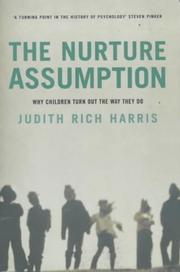
Judith Rich Harris · 1998

Why parents have less effect on how children turn out than people assume.

“the one thing that I found to be really interesting, and to some degree liberating, is the work of Judith Rich Harris” — Michael Mauboussin

Source: The Tim Ferriss Show #659 — official transcript

Recommended by: Michael Mauboussin
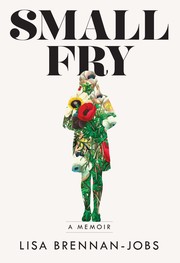
Lisa Brennan-Jobs · 2018

A daughter's memoir of a California childhood between her mother and Steve Jobs.

Recommended by: Andrew Wilkinson, Vlad Tenev
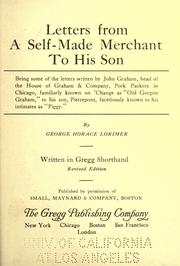
George Horace Lorimer · 1902

Fictional letters from a merchant to his son on business and the conduct of life.

Recommended by: Mohnish Pabrai, Ryan Holiday
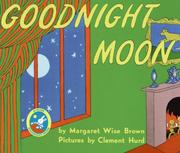
Margaret Wise Brown · 1947

A bedtime picture book of a bunny saying goodnight to the things in its room.

Recommended by: Arianna Huffington
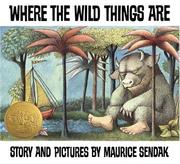
Maurice Sendak · 1963

A boy sent to bed without supper sails to the land of the wild things as their king.

Recommended by: Richard Branson
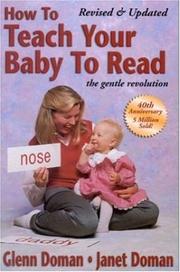
Shel Silverstein · 1964

A picture book about love and acceptance.

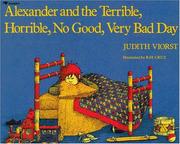
Judith Viorst · 1972

A children's story of a boy whose day goes wrong in every way.

Recommended by: Ev Williams
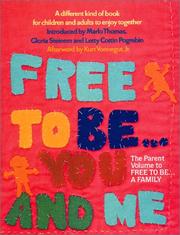
Marlo Thomas · 1974

Stories, songs and poems for children.

Recommended by: Sheryl Sandberg

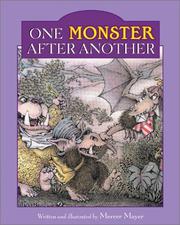
Mercer Mayer · 1974

A girl's letter falls into the clutches of one monster after another on its way.

Recommended by: Ed Catmull
Glenn Doman · 1979

Simple steps for teaching mathematics to children from birth to six.

Recommended by: Naval Ravikant

Adele Faber · 1980

How parents can talk with children so that they listen and cooperate.

Recommended by: Derek Sivers, Brian Armstrong

Alice Miller · 1981

How sensitive children who meet their parents' needs lose touch with the true self.

Recommended by: Mohnish Pabrai

Alice Miller, Ruth Ward · 1981

Why many successful children and adults feel empty, and how to break the cycle.

Recommended by: Mohnish Pabrai, Tim Ferriss
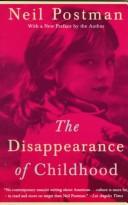
Neil Postman · 1982

How television exposes children to adult life too early and erodes childhood.

Recommended by: Patrick Collison
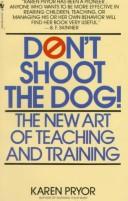
Karen Pryor · 1984

Behavioural training methods for animals and people, explained with examples.

Dr. Seuss · 1990

A rhyming send-off for graduates of all ages on the ups and downs ahead.

Recommended by: Richard Branson
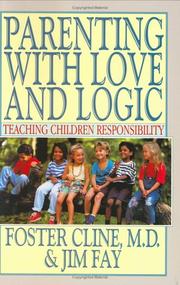
Foster Cline · 1990

Raising self-confident children by pairing empathy with the consequences they face.

Recommended by: Bill Gates
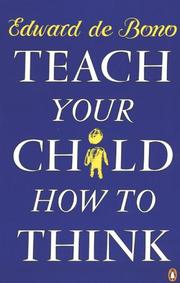
Edward De Bono · 1990

A handbook for parents to train children of nine and up in effective thinking.

“Edward de Bono wrote a great book, Teach Your Child How To Think, that encourages parents to teach their kids the different "thinking hats.” — Ana Fabrega

Source: Fab Fridays 74: Thinking Hats - by Ana Lorena

Recommended by: Ana Fabrega
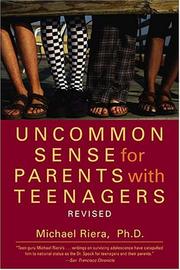
Michael Riera · 1995

Advice for parents to move from being a teen's manager to being a consultant.

Recommended by: Mohnish Pabrai
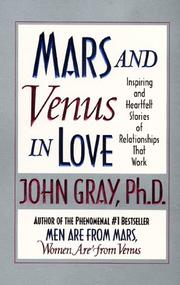
John Gray · 1996

Real couples' stories of making a relationship work.

Recommended by: Mohnish Pabrai

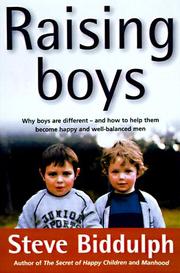
Steve Biddulph · 1998

The stages and issues of boys' development from birth to manhood.

Recommended by: The Barefoot Investor
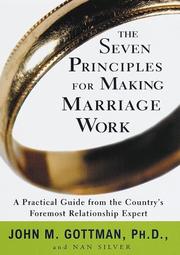
John Gottman, Nan Silver · 1999

Seven principles for a lasting marriage, from years of observing couples.

Recommended by: Andrew Wilkinson
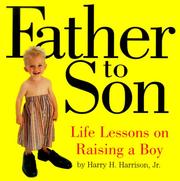
Harry H. Harrison Jr · 2000

Short advice for fathers raising sons.

Recommended by: Eric Weinstein

Joseph Di Prisco, Michael. Riera · 2000

A guide for parents through their children's adolescence.

Recommended by: Mohnish Pabrai
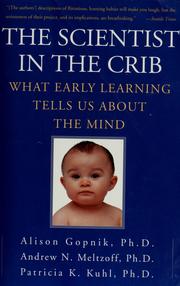
Alison Gopnik · 2000

What cognitive science shows about how much babies know and learn.

Recommended by: Steve Jurvetson
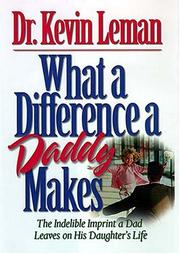
Kevin Leman · 2000

How involved fathers help their daughters succeed, from research on fatherhood.

Recommended by: Mohnish Pabrai

B.J. Novak · 2001

A picture book with no pictures that makes the grown-up reading it say silly things.

Recommended by: John Maeda
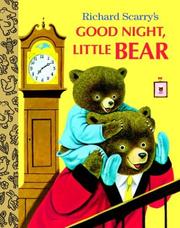
Patsy Scarry · 2004

A bedtime board book about a little bear.

Recommended by: Paul Graham

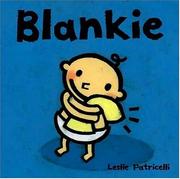
Leslie Patricelli · 2005

A board book for toddlers about a favourite blanket.

Recommended by: Paul Graham
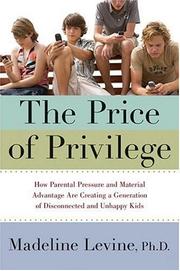
Madeline Levine · 2005

Why teenagers from affluent, loving families are often unhappy.

Recommended by: Nat Eliason
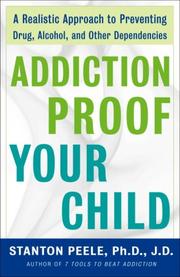
Stanton Peele · 2007

How parents can teach the values that keep a child's experiments from addiction.

Recommended by: Nir Eyal

Janusz Korczak · 2007

One hundred passages of advice on how to care for, respect and love every child.

Recommended by: Tim O’Reilly

Jim Rogers · 2009

Short numbered lessons on life and investing, written for two daughters.

“A nice short book of unconventional wisdom, mostly about investing.” — Derek Sivers

Source: Derek Sivers book notes (primary, rated list) · Rating: 3/10

Recommended by: Derek Sivers, Mohnish Pabrai

Lenore Skenazy · 2009

The case for letting children do more on their own.

Recommended by: Paul Graham

Michael Lewis · 2009

A frank, comic account of becoming a father.

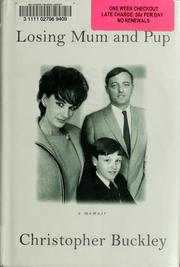
Christopher Buckley · 2009

A son's memoir of losing his famous father and his socialite mother within a year.

Recommended by: Andrew Wilkinson

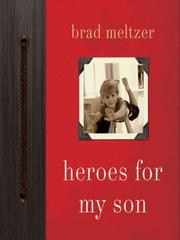
Brad Meltzer · 2010

Short portraits of heroes whose virtues a father wanted to pass to his son.

Recommended by: Simon Sinek
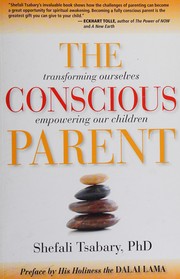
Shefali Tsabary · 2010

How parents who become aware of their own emotions can raise their children better.

Recommended by: Albert Wenger
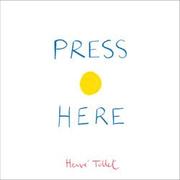
Hervé Tullet · 2011

A picture book that asks children to press dots, shake the pages and tilt the book.

Recommended by: John Maeda
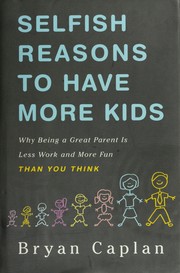
Bryan Caplan · 2011

A contrarian look at family planning and happiness: the case for more children.

Recommended by: Andrew Wilkinson, Paul Graham
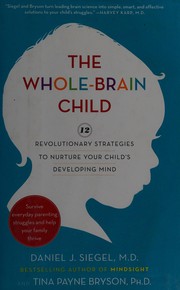
Daniel J. Siegel, Tina Payne Bryson · 2011

How brain development explains children's behaviour, and how parents can respond.

Jon Klassen · 2011

Two turtles find one hat that looks good on both of them.

Recommended by: Zoë Foster Blake
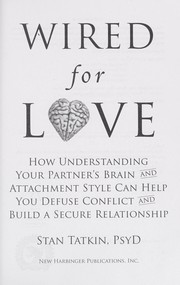
Stan Tatkin, Harville Hendrix · 2011

How understanding a partner's brain and attachment style eases conflict.

Recommended by: Andrew Wilkinson
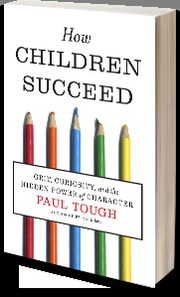
Paul Tough · 2012

Why character, grit and curiosity matter more to children's success than test scores.

Recommended by: Mohnish Pabrai, Bill Gates
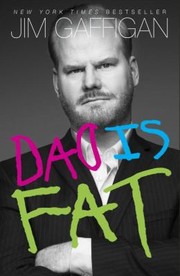
Jim Gaffigan · 2013

A comedian on the joys and horrors of raising five young children in New York.

Recommended by: Bill Gates
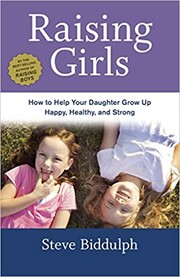
Steve Biddulph · 2013

How to raise daughters of sound character who know they are loved.

Recommended by: Daniel Ek
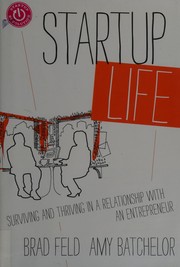
Brad Feld, Amy Batchelor · 2013

What it takes to sustain a relationship with an entrepreneur.

Danielle Teller, Astro Teller · 2014

The false cultural beliefs about divorce and marriage that cause needless heartache.

“there's a wonderful book on this topic called Sacred Cows: The Truth About Divorce and Marriage. I recommend checking it out if you find yourself thinking about this.” — Andrew Wilkinson

Source: Essay

Recommended by: Andrew Wilkinson
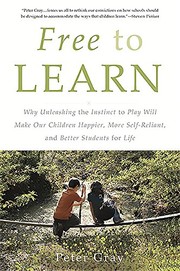
Peter Gray · 2015

Why children learn best through free play, not school instruction.

“Free to Learn by Dr. Peter Gray: This is one of my absolute favorite books about education, parenting, and self-development.” — Ana Fabrega

Source: Fab Fridays 105: Fab Book Recs - by Ana Lorena

Recommended by: Ana Fabrega
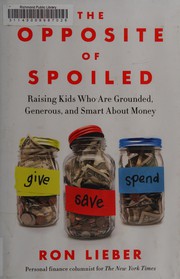
Ron Lieber · 2015

Children's questions about money, and how parents can answer them.

Recommended by: Alfred Lin
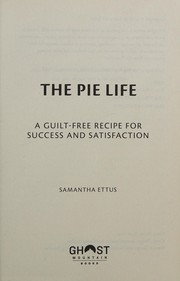
Samantha Ettus · 2016

A playbook for working women to balance a full life without guilt.

Recommended by: Kathryn Minshew
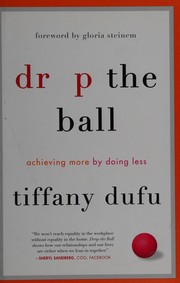
Tiffany Dufu · 2017

Why women should stop trying to do it all and let some things go.

Recommended by: Sheryl Sandberg
Gemma Hartley · 2018

The emotional labour women carry at home, and how to share it.

Recommended by: Sheryl Sandberg
Bill Gaston · 2018

A writer's memoir of his stormy relationship with his authoritarian father.

Recommended by: Andrew Wilkinson
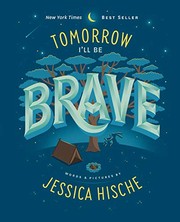
Jessica Hische · 2018

A hand-lettered children's book that encourages kids to try new things and be brave.

Recommended by: Zack Onisko

T4 Cozy
Isabel Gillies · 2019

Coziness as knowing your innermost self and carrying it into the world.

Recommended by: Arianna Huffington
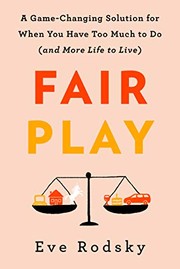
Eve Rodsky · 2019

How dual-career families can divide household and childcare work fairly.

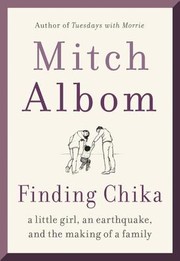
Mitch Albom · 2019

A girl from a Haitian orphanage and the man who cared for her.

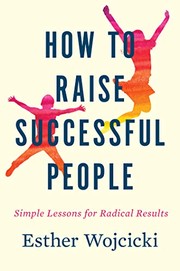
Esther Wojcicki · 2019

A teacher's methods for raising independent, successful children.

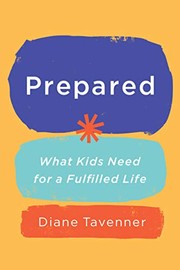
Diane Tavenner · 2019

How parents can stop worrying about their children's future and help them prepare.

Recommended by: Bill Gates

Ken Druck · 2019

How families can care for aging parents with stronger, kinder relationships.

Recommended by: Arianna Huffington

Stewart D. Friedman, Alyssa F. Westring · 2020

Leadership principles applied to raising a family and working well.

Recommended by: Arianna Huffington

Suzy Hopkins · 2020

A mother's illustrated advice to her daughter for daily life after she is gone.

Recommended by: Arianna Huffington

Jonathan Haidt · 2024

Why adolescents' mental health fell sharply in the early 2010s.

Janet Woititz

The shared traits of adult children of alcoholics, with hints for recovery.

Recommended by: Chamath Palihapitiya

Scott Pape

A guide that teaches children how to be good with money.

Recommended by: The Barefoot Investor

The Earl Of Chesterfield

A father's letters to his son on becoming a man of the world and a gentleman.

Recommended by: Ryan Holiday

More psychology