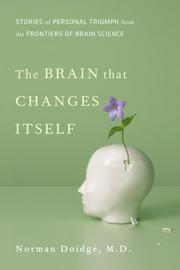
The Brain That Changes Itself
Scientists and patients who show that the brain can change its own structure.
Summary
Norman Doidge, a psychiatrist and psychoanalyst, travelled to meet scientists working on neuroplasticity, the brain's capacity to change itself, and patients whose mental limitations or brain damage had been thought permanent. The book collects their stories to challenge the centuries-old idea that the brain cannot change.
The cases include a woman born with half a brain that rewired itself to work as a whole, blind people learning to see, people with learning disorders improving, stroke patients learning to speak and move again, children with cerebral palsy moving with more grace, and depression, anxiety and obsessive behaviour treated by retraining neural pathways. Doidge also covers the scientists who first identified neuroplasticity and what it teaches about chronic pain, sexual attraction and love, culture, the developing brain of children and the ageing brain. The eleven chapters open with A Woman Perpetually Falling and include Building Herself a Better Brain, Redesigning the Brain, Acquiring Tastes and Loves and Midnight Resurrections. It was published in 2007.
Key takeaways 4
- The adult brain can reorganise itself in response to experience and training.
- Targeted exercises have helped stroke patients and people with learning disorders.
- Neuroplasticity bears on pain, love and habits as well as injury.
- Ageing brains can be kept sharper through use.
Who should read it
General readers interested in the brain, and patients and families dealing with brain injury.
Who recommended it 1
Similar books 6
Chosen by shared topics, the entries that hold them, and the people who recommended both.
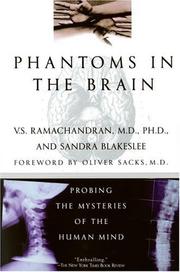
What patients with odd neurological disorders reveal about the brain and the self.
Recommended by: Tom Bilyeu
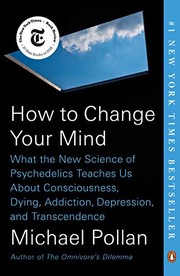
The history and revival of psychedelic research, and the author's own trips.
“There's a good book Michael Pollan wrote recently called How to Change your Mind, and I think it is a brilliant book everybody should read.” — Naval Ravikant
Source: Naval's Recommended Reading — The Almanack of Naval Ravikant
Recommended by: Jim Collins, Vinod Khosla, Bill Gates and 8 others

Case histories of patients with strange neurological disorders.
Recommended by: Eric Weinstein
A psychologist's thirty-year study of a man with almost limitless memory.
“Anyone who's interested in memory and mind and the vast differences between people might be interested in this, it's called The Mind of a Mnemonist, I think is how it's pronounced, like mnemonic device, M-N-E-M-O-N-I-S-T, a little book about a vast memory.” — Tim Ferriss
Recommended by: Tim Ferriss
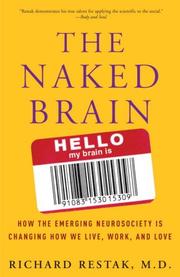
How brain science is changing the way we live, work and love.
Recommended by: Simon Sinek
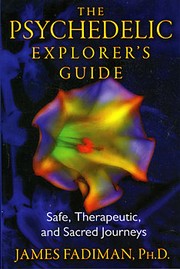
Psychedelics for spiritual, therapeutic and problem-solving use.
Recommended by: Nat Eliason, Naval Ravikant