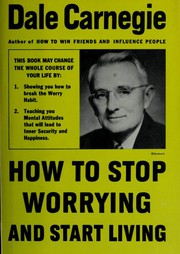
How to Stop Worrying and Start Living
Techniques for breaking the habit of worry.
Summary
Carnegie sets out techniques for breaking the habit of worry and adopting mental attitudes that lead to security and happiness. The book gives formulas for conquering anxiety, ways to eliminate half of business worries at once, ways to reduce financial worries, how to turn criticism to one's advantage, how to avoid fatigue, and how to add an hour a day to one's waking life. It includes stories from ordinary and famous people describing in their own words how they stopped worrying.
In the preface Carnegie says he wrote it because he was one of the unhappiest young men in New York, having made himself ill with worry over a life he hated. The book aims to lead readers to a more enjoyable and fulfilling life and to greater awareness of themselves and others. It was first printed in 1948, and its title is referenced satirically in the title of the film Dr. Strangelove.
Key takeaways 4
- Worry is a habit that can be broken with specific, practised techniques.
- Many business and financial worries shrink once a person analyses them systematically.
- Criticism can be used to improve rather than taken as an injury.
- Stories from people who stopped worrying show the techniques applied in real lives.
Who should read it
Readers troubled by anxiety who want practical, story-based self-help.
Who recommended it 2 · 1 direct
“So rather than just speculate at every turn, trying to gather as much information as possible, and this actually makes me think of Dale Carnegie in How to Stop Worrying and Start Living.”
Similar books 6
Chosen by shared topics, the entries that hold them, and the people who recommended both.
A mindfulness course for emotional intelligence, creativity and happiness.
Recommended by: Arianna Huffington, Matt Mullenweg and 1 other
Why successful people focus on 'the gain', not 'the gap'.
Recommended by: Mel Robbins
Seven principles from positive psychology for using happiness to fuel success.
Recommended by: Tony Hsieh
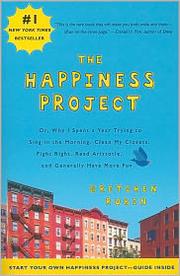
A writer's year-long experiment in becoming happier, month by month.
Recommended by: Jake Knapp
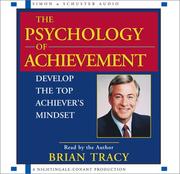
Recommended by: Brian Armstrong
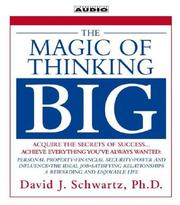
The size of your thinking sets the size of your results, and how to think bigger.
“A classic self-help book. Exactly what you'd expect. But very good.” — Derek Sivers
Source: Derek Sivers book notes (primary, rated list) · Rating: 7/10
Recommended by: Ali Abdaal, Derek Sivers, Mohnish Pabrai and 3 others