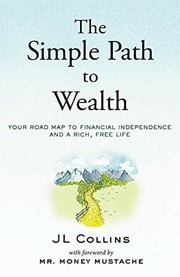
The Simple Path to Wealth
A narrow, plain plan for saving and investing, from letters to a daughter.
JL Collins distilled his 'stock series' blog posts into this short, opinionated guide. The core advice is stark: invest in VTSAX, avoid debt, and ignore the noise. Collins wrote it as a letter to his daughter, and that framing keeps it practical rather than academic. The FIRE community treats it as essential background reading.
Summary
Collins built this from a series of letters written to his daughter and from posts on his blog. It is a personal finance book with a narrow and explicit prescription.
The argument runs in a sequence. Avoid debt entirely. Spend well below your income, aiming to save a large fraction of it. Invest the savings in a single low-cost total stock market index fund, which for his purposes is Vanguard's VTSAX. Do not attempt to time the market, pick stocks, or hire an adviser. Add a total bond market fund as you approach and enter the drawdown phase to reduce volatility. Withdraw roughly four per cent a year in retirement, based on the Trinity study. Understand that the point of accumulating money is what Collins calls F-you money, meaning enough capital that you can decline work you do not want.
His supporting material is the long-run record of US equity returns, the arithmetic of costs compounded over decades, and evidence that most active managers underperform after fees. He is explicit that his approach depends on the investor's ability to hold through severe drawdowns without selling, and he spends considerable space on that psychological requirement.
The weaknesses are the ones common to the genre. The historical US equity record may not repeat, and a portfolio holding one country's stocks carries concentration risk Collins largely dismisses. The four per cent rule was derived from a specific historical sample and fails in some sequences of returns. The advice assumes an income large enough to permit a high savings rate, which limits its reach.
Key takeaways 7
- A single low-cost total stock market index fund is sufficient for the entire accumulation phase of an investing life.
- Debt should be treated as an emergency to be eliminated before any investing begins.
- The savings rate determines when you reach financial independence far more than the investment return does.
- Costs compounded over decades consume a large share of terminal wealth, which is the strongest argument for index funds.
- Investors should add bonds only when they need to reduce volatility, not to improve returns.
- Withdrawing about four per cent of the initial portfolio annually has historically survived thirty-year retirements.
- The purpose of capital is the freedom to refuse work, which reframes saving as buying optionality rather than deferring consumption.
Who should read it
Individuals who want one defensible personal investing prescription stated without hedging, and who will accept the concentration in United States equities.
Who recommended it 1
Similar books 6
Chosen by shared topics, the entries that hold them, and the people who recommended both.
A nine-step programme that counts spending in hours of life energy.
Recommended by: Ali Abdaal, Graham Stephan and 1 other
A six-week programme to automate banking, credit, saving and investing.
“An amazing book about consumer finance and a healthy approach to managing your money. If you are age 18-35, this is a must-read! My notes are scarce, so get the book. Even if over 35, you might find some good tips on lowering your fees on various services, and a good reminder of good savings practices.” — Derek Sivers
Source: Derek Sivers book notes (primary, rated list) · Rating: 7/10
Recommended by: Derek Sivers, Mohnish Pabrai, Nat Eliason and 3 others
Survey research showing most American millionaires live modestly and save hard.
Recommended by: Jim Collins, Mohnish Pabrai and 3 others
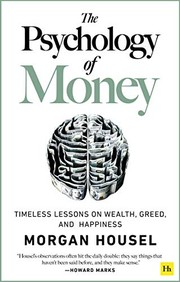
Twenty short essays on why behaviour matters more than knowledge with money.
“Example: Morgan Housel has sold 1M+ copies of "The Psychology of Money" with them (though he probably didn't need much help 😝 - if you haven't read this book yet, it's a MUST)” — Ana Fabrega
Source: Fab Fridays 96: Book Deal! - by Ana Lorena - Fab Fridays
Recommended by: Ana Fabrega, Andrew Wilkinson, Derek Sivers and 11 others
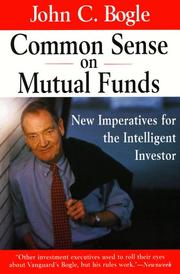
How costs, turnover and fund structure decide what mutual fund investors earn.
“The founder of the Vanguard Group and father of the index-fund industry methodically sorts fact from fiction. Following his logical arguments can benefit you even if you never invest in a mutual fund, since Bogle touches on just about every crucial aspect of investing, including taxes, trading costs, diversification, performance measurement and the power of patience.” — Jason Zweig
Source: Best Books for Investors: A Short Shelf — jasonzweig.com
Recommended by: Jason Zweig, Michael Mauboussin and 4 others
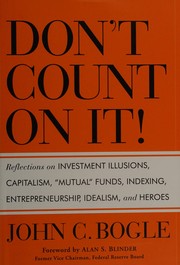
Collected speeches and essays on investment illusions and the fund industry.
Recommended by: Mr. Money Mustache