Value Investing
Buying securities below a conservatively estimated intrinsic value; the oldest formalised approach in the field and the one with the deepest bibliography.
Start here
- The Intelligent InvestorBenjamin Graham, 1949
- Margin of SafetySeth A. Klarman, 1991
- Security AnalysisBenjamin Graham, David L. Dodd, 1934
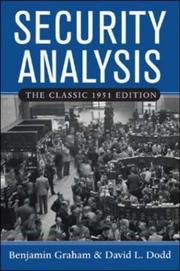
How to read financial statements sceptically and value bonds and stocks.
“I am reminded once again of the quote that sits in the front of Ben Graham’s Security Analysis, from Horace’s Ars Poetica: “Many shall be restored that now are fallen and many shall fall that now are in honor.” — Bill Miller
Source: 2007 Q3 Market Commentary
Recommended by: Bill Miller, Christopher Bloomstran and 18 others
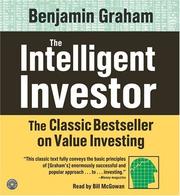
Treat stocks as parts of businesses and buy only with a margin of safety.
“Although I’ve been reading The Intelligent Investor on a regular basis over the years, I never reread the 1958 speech, until I came across a Latin quote from Ben Graham and searched far and wide for its origin.” — Francois Rochon
Source: Giverny Capital Annual Letter to Partners 2018, page 9
Recommended by: Benjamin Graham, Christopher Bloomstran and 32 others
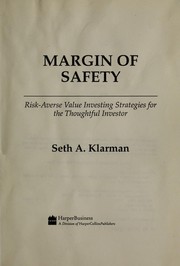
Avoid permanent loss: buy well below value and aim for absolute returns.
“Seth Klarman, the founder, chief executive, and portfolio manager of the very successful value investing firm The Baupost Group, shares a similar sentiment in his book Margin of Safety:22 It is not clear why investors suddenly came to accept EBITDA as a measure of corporate cash flow.” — Michael Mauboussin
Source: What Does an EV/EBITDA Multiple Mean?, page 4
Recommended by: Arnold Van Den Berg, Frank Martin, Guy Spier and 7 others
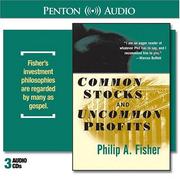
Buy a few outstanding growth companies, research them by scuttlebutt, and hold.
“In his book « Common stocks and Uncommon Profits », the legendary investor Philip Fisher devoted a complete chapter on “when to buy”.” — Francois Rochon
Source: Giverny Capital Annual Letter to Partners 2003, page 3
Recommended by: Arnold Van Den Berg, Bill Stewart and 12 others
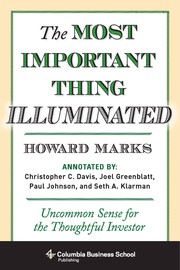
Second-level thinking on risk and cycles, with notes by Klarman and Greenblatt.
“…books I've recommended, highlighted to death, or forced on friends.” — Andrew Wilkinson
Source: Andrew Wilkinson's Bookshelf, neverenough.com
Recommended by: Andrew Wilkinson, Mohnish Pabrai and 3 others
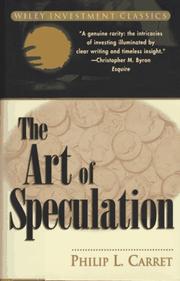
Buying securities to profit from changes in value, with twelve commandments.
Recommended by: Francois Rochon, Mohnish Pabrai
The methods of nine great investors, including Buffett, Graham, Fisher and Templeton.
“all these people really were helpful in forming and getting me involved in investing” — Joel Greenblatt
Source: Masters in Business transcript: Joel Greenblatt (2018)
Recommended by: Joel Greenblatt, Mohnish Pabrai and 1 other
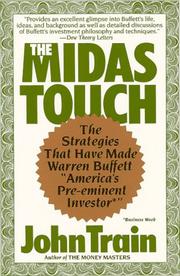
An early account of Buffett's investing method, from 1987.
Recommended by: Mohnish Pabrai
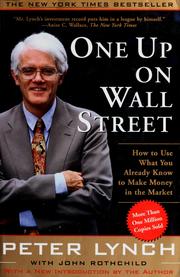
How individual investors can use what they know to find stocks before professionals.
“In November 1992, after juggling with all sorts of investing approaches, I read “One Up on Wall Street” by Peter Lynch.” — Francois Rochon
Source: Giverny Capital Annual Letter to Partners 2011, page 6
Recommended by: David Rolfe, Francisco Garcia Parames and 10 others
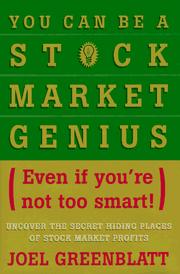
Where to find mispriced stocks: spinoffs, mergers, bankruptcies and restructurings.
“As markets have changed, I have realized that while event‐ 1 To this day, the best book on this topic is You Can Be a Stock Market Genius by Joel Greenblatt.” — Dan Loeb
Source: Third Point Q2 2020 Investor Letter, page 2
Recommended by: Dan Loeb, Guy Spier, Michael Mauboussin and 8 others
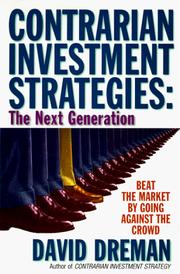
Data showing that low-expectation stocks beat popular ones over the long run.
“all these people really were helpful in forming and getting me involved in investing” — Joel Greenblatt
Source: Masters in Business transcript: Joel Greenblatt (2018)
Recommended by: Joel Greenblatt, Michael Mauboussin and 2 others
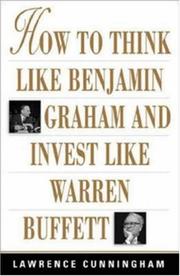
The reasoning that links Graham's analysis with Buffett's use of it.
Recommended by: Mohnish Pabrai
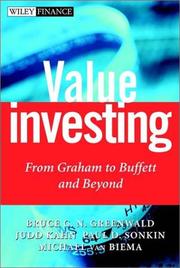
Columbia's value investing method: a valuation in three stages, most reliable first.
“In the book, Value Investing–From Graham to Buffett and Beyond, by Greenwald, Kahn, Sonkin and Van Biema, there are discussions of NAV.” — Martin J. Whitman
Source: Third Avenue Funds Q3 2003 Shareholder Letters (Chairman's letter by Martin J. Whitman)
Recommended by: Martin J. Whitman, Michael Mauboussin and 5 others
Buffett's method as tests of the business, its managers, its finances and price.
“Tim, there's a book out called The Warren Buffett Way, and I was asked to write the foreword for the latest edition” — Howard Marks
Source: The Tim Ferriss Show Transcripts: Howard Marks (#338)
Recommended by: Howard Marks, Mohnish Pabrai, Bill Ackman and 1 other
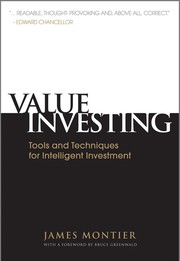
Value investing joined with behavioural finance, from a strategist's research notes.
Recommended by: Mohnish Pabrai
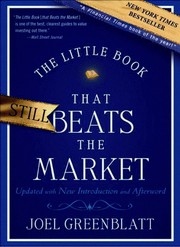
The magic formula: buy cheap stocks with high returns on capital, mechanically.
Recommended by: Mohnish Pabrai and 2 others
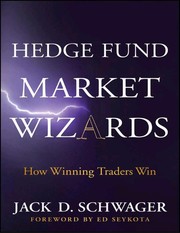
Interviews with fifteen hedge fund managers with strong long-term records.
“Being a big fan of Jack Schwager’s Wizard series of investment books, I eagerly read his newest book, Hedge Fund Market Wizards, and was not disappointed.” — Bill Nygren
Source: Bill Nygren Market Commentary | 2Q12
Recommended by: Bill Nygren, Michael Mauboussin
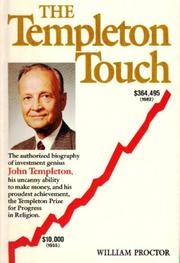
John Templeton's method: buying around the world at maximum pessimism.
Recommended by: Mohnish Pabrai, Peter Cundill
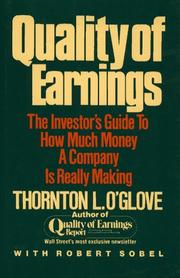
How to test whether reported earnings reflect reality, from tax books to receivables.
Recommended by: Rational Capital Investment Fund and 1 other
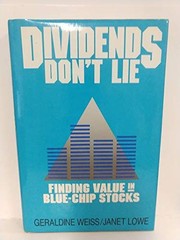
Valuing stocks by where their dividend yield sits in its historical range.
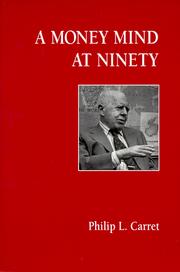
A fund manager of sixty years on investing, business and a long life.
Recommended by: Mohnish Pabrai
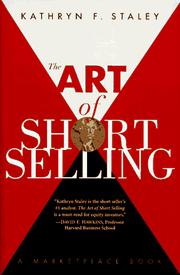
How to find companies whose reported results hide their true condition.
“and Kathryn F. Staley, The Art of Short Selling (New York: John Wiley & Sons, 1997)” — Michael Mauboussin
Source: Thirty Years: Reflections on the Ten Attributes of Great Investors, page 18
Recommended by: Michael Mauboussin
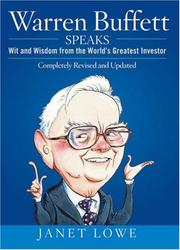
Quotations from Buffett's letters, meetings and interviews, arranged by subject.
Recommended by: Mohnish Pabrai
Hard-to-find lectures, articles and testimony by Benjamin Graham.
Recommended by: Mohnish Pabrai
Profiles of exceptional investors: their backgrounds, methods and records.
Recommended by: Joel Greenblatt, Li Lu
Buffett's approach set out as tenets for judging businesses, managers and prices.
“Hagstrom, The Essential Buffett: Timeless Principles for the New Economy (New York: John Wiley & Sons, 2001), pp. 133-140. 10 Ibid., p. 137. 11 Hagstrom provides a wonderful example: “Let’s imagine you and a friend have spent the afternoon playing your favorite board game, and now, at the end of the game, you are chatting about this and that.” — Michael Mauboussin
Source: Ruminations on Risk: Beta Versus Margin of Safety, page 9
Recommended by: Michael Mauboussin, Mohnish Pabrai
The tricks companies use to inflate earnings, cash flow and key metrics, by case.
“Some of my favorites include Howard M. Schilit and Jeremy Perler, Financial Shenanigans: How to Detect Accounting Gimmicks & Fraud in Financial Reports, 3rd Edition (New York: McGraw Hill, 2010)” — Michael Mauboussin
Source: Thirty Years: Reflections on the Ten Attributes of Great Investors, page 18
Recommended by: Michael Mauboussin, Mohnish Pabrai and 1 other
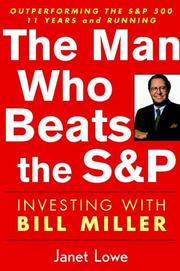
Bill Miller's value investing during his long run of beating the S&P 500.
Recommended by: Mohnish Pabrai
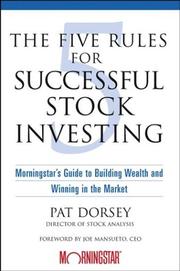
Morningstar's method: find companies with economic moats and pay a fair price.
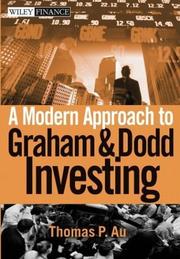
Graham and Dodd's valuation updated for companies with few tangible assets.
Recommended by: Mohnish Pabrai
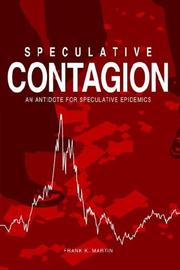
Client letters that tracked the dot-com bubble as it inflated and burst.
Recommended by: Mohnish Pabrai, Seth Klarman, Warren Buffett
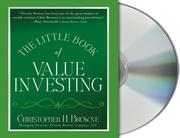
The Graham method of value investing, stated for a general reader.
“Recently I read The Little Book of Value Investing by Chris Browne of Tweedy Browne.” — Mohnish Pabrai
Source: Pabrai Investment Funds letter to partners (010107), page 5
Recommended by: Jean-Marie Eveillard, Mohnish Pabrai
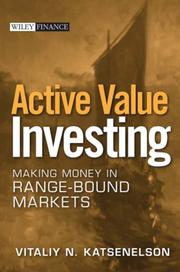
How to buy and sell stocks in the long range-bound markets that follow bull markets.
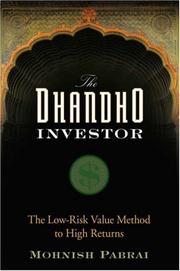
Low-risk, high-uncertainty bets and cloning good ideas, after Buffett and Munger.
“It is, without a doubt, my most recommended book on investing” — Andrew Wilkinson
Source: @awilkinson on X, 22 May 2024
Recommended by: Andrew Wilkinson, Guy Spier and 1 other
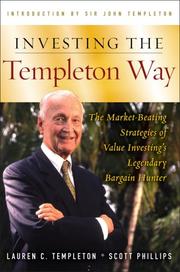
John Templeton's method of buying bargains at the point of maximum pessimism.
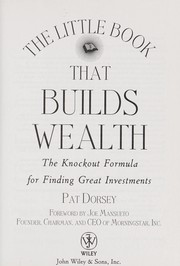
How to spot a durable economic moat from public information, and what isn't one.
Recommended by: Mohnish Pabrai
How to make money in long range-bound markets with active value investing.
Recommended by: Mohnish Pabrai
A systematic value strategy, built and backtested piece by piece.
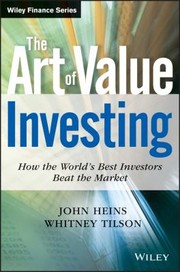
Quotations from dozens of value investors, arranged by topic.
Recommended by: Mohnish Pabrai
The evidence that buying cheap, troubled companies beats more refined methods.
Recommended by: Mohnish Pabrai, Patrick O'Shaughnessy
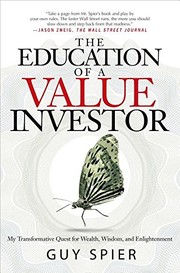
One investor's change from a brokerage job to value investing, after Buffett.
“…books I've recommended, highlighted to death, or forced on friends.” — Andrew Wilkinson
Source: Andrew Wilkinson's Bookshelf, neverenough.com
Recommended by: Andrew Wilkinson, Christopher Bloomstran and 1 other
The rules and results of Buffett's early partnership, from his letters to partners.
Recommended by: Mohnish Pabrai, Warren Buffett
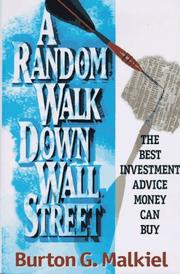
Stock prices follow a random walk, so a low-cost index fund beats stock picking.
“Even earlier, in 1973, in his classic A Random Walk Down Wall Street, Burton G. Malkiel had called for such a fund, although, alas, when we started it, I had yet to read his book.” — John C. Bogle
Source: CONVERGENCE!, page 1
Recommended by: Jason Zweig, John C. Bogle and 5 others
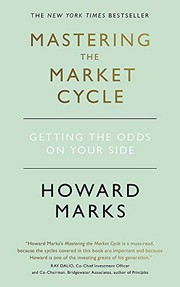
Cycles can't be timed, but knowing where you stand in one lets you adjust risk.
Recommended by: Nat Eliason, Michael Bloomberg
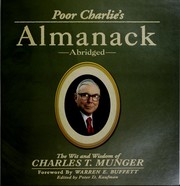
Speeches making the case for a latticework of mental models from many fields.
“…books I've recommended, highlighted to death, or forced on friends.” — Andrew Wilkinson
Source: Andrew Wilkinson's Bookshelf, neverenough.com
Recommended by: Andrew Wilkinson, Charlie Munger and 26 others
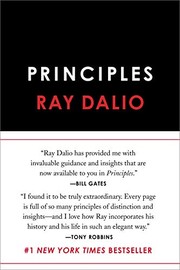
Decision rules from building Bridgewater: radical truth and radical transparency.
“Several people recommended Ray Dalio’s book Principles to me.” — Brad Feld
Source: Book: Principles by Ray Dalio — Feld Thoughts
Recommended by: Alfred Lin, Brad Feld, Derek Sivers and 31 others
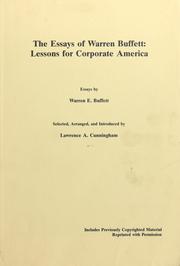
Berkshire's shareholder letters arranged by topic: governance, valuation, mergers.
“The resource is as valuable as Larry Cunningham's The Essays of Warren Buffett, which similarly organizes by subject matter” — Christopher Bloomstran
Source: Semper Augustus 2024 Letter to Clients, 'Books and Tunes for Walking', p. 96
Recommended by: Christopher Bloomstran, Francois Rochon and 11 others
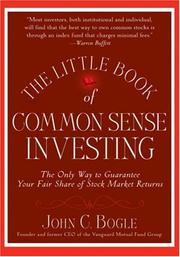
After costs, most investors trail the market, so hold a low-cost index fund.
“Bogle, John C., The Little Book of Common Sense Investing: The Only Way to Guarantee Your Fair Share of Stock Market Returns (Hoboken, NJ: John Wiley & Sons, 2007)” — Michael Mauboussin
Source: Untangling Skill and Luck: How to Think About Outcomes - Past, Present, and Future, page 33
Recommended by: Michael Mauboussin, Mohnish Pabrai and 6 others
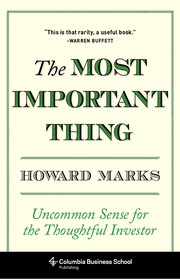
Second-level thinking, risk and market cycles, drawn from Oaktree's client memos.
“This is that rarity, a useful book.” — Warren Buffett
Source: The Most Important Thing — Columbia University Press
Recommended by: Matt Mullenweg, Mohnish Pabrai, Nat Eliason and 3 others
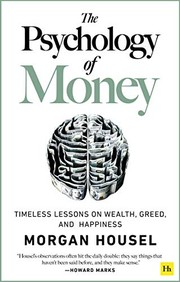
Twenty short essays on why behaviour matters more than knowledge with money.
“Example: Morgan Housel has sold 1M+ copies of "The Psychology of Money" with them (though he probably didn't need much help 😝 - if you haven't read this book yet, it's a MUST)” — Ana Fabrega
Source: Fab Fridays 96: Book Deal! - by Ana Lorena - Fab Fridays
Recommended by: Ana Fabrega, Andrew Wilkinson, Derek Sivers and 11 others

Buffett's life to 2008, written with full access to his files and his friends.
“…books I've recommended, highlighted to death, or forced on friends.” — Andrew Wilkinson
Source: Andrew Wilkinson's Bookshelf, neverenough.com
Recommended by: Andrew Wilkinson, Austen Allred, Guy Spier and 8 others
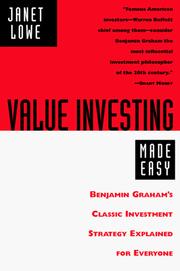
Graham's value investing method, restated in simple form for beginners.
“My bias is value investing, and I highly recommend Janet Lowe's Value Investing Made Easy as a primer.” — Michael Burry
Source: Silicon Investor 'Value Investing' thread, msg 1569363 (June 10, 1997) — archived
Recommended by: Michael Burry, Mohnish Pabrai
The stock-picking techniques behind the world's most famous investor's fortune.
Recommended by: Mohnish Pabrai
The history of business cycle theory and how credit cycles drive asset prices.
Leading investors on risk, asset allocation, value, growth and emerging markets.
Recommended by: Mohnish Pabrai
A plain guide to reading the three financial statements, for non-accountants.
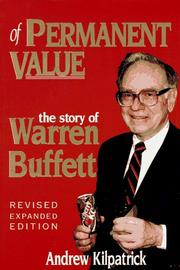
A large and growing compendium of material on Warren Buffett's life and work.
“I found a quote from Andrew Kilpatrick’s “Of Permanent Value” with which to mark that occasion, and Shel and I agree it’s a pretty good formula for a successful partnership.” — Howard Marks
Source: The Most Important Thing, page 12
Recommended by: Howard Marks, Mohnish Pabrai, Li Lu
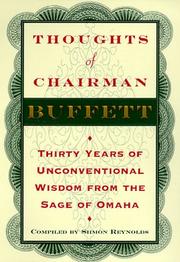
A collection of Warren Buffett's wittiest, wisest and most quotable remarks.
Recommended by: Mohnish Pabrai
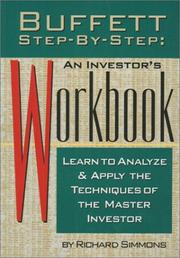
A workbook for analysing stocks with the techniques Warren Buffett uses.
Recommended by: Mohnish Pabrai
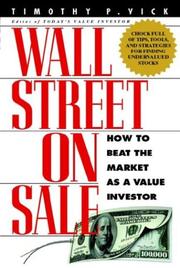
How Buffett, Templeton and other value investors got rich by never overpaying.
Recommended by: Mohnish Pabrai
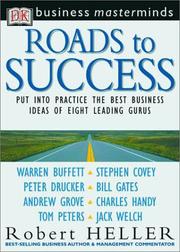
Warren Buffett's key investment strategies, set out as a series of masterclasses.
Recommended by: Mohnish Pabrai
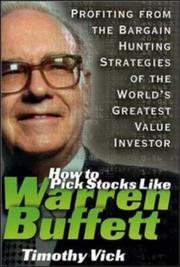
How Warren Buffett keeps finding bargain stocks that others pass over, step by step.
Recommended by: Mohnish Pabrai
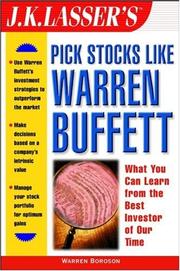
A template for picking stocks, and the fund managers who pick them, as Buffett does.
Recommended by: Mohnish Pabrai
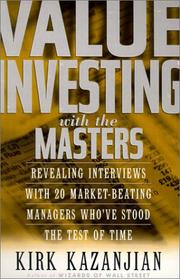
Interviews with twenty value fund managers who beat the market.
Recommended by: Mohnish Pabrai
Interviews with technology-sector investors and founders on how they succeed.
Recommended by: Mohnish Pabrai
Warren Buffett's strategies and methods, followed from the start of his career.
Recommended by: Mohnish Pabrai
The 24 rules of investing Warren Buffett has followed, drawn from his quotes.
Recommended by: Mohnish Pabrai
Interviews with twelve of Canada's top money managers on how they pick stocks.
Recommended by: Mohnish Pabrai
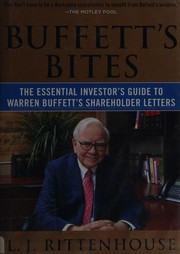
A guide to the lessons of Warren Buffett's shareholder letters.
Recommended by: Mohnish Pabrai
The long-run trends set to reshape economies and markets over the coming decades.
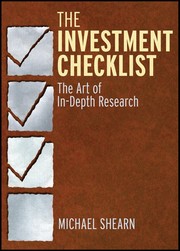
About seventy questions to ask about a business before buying its shares.
Recommended by: Mohnish Pabrai and 1 other
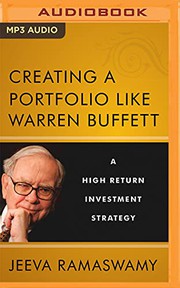
A small-fund manager's step-by-step attempt to copy Buffett's stock selection.
Recommended by: Mohnish Pabrai
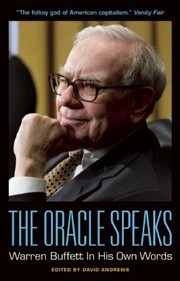
Warren Buffett's own words on business, success and politics.
Recommended by: Mohnish Pabrai
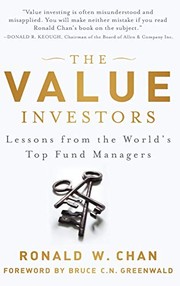
Profiles of value fund managers around the world and their lessons.
Recommended by: Mohnish Pabrai
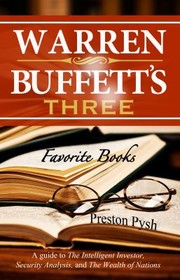
A guide to three books Warren Buffett favours, The Intelligent Investor first.
Recommended by: Mohnish Pabrai
Nine kinds of value investing idea, how to screen for each and weigh its risks.
“John Mihaljevic outdid himself and released a second edition of his terrific, The Manual of Ideas, a superb read on investment idea generation” — Christopher Bloomstran
Source: Semper Augustus 2025 Letter to Clients, 'Books and Music', p. 88
Recommended by: Christopher Bloomstran, Guy Spier and 2 others
How to find undervalued stocks, build a value portfolio, and time buys and sells.
Recommended by: Mohnish Pabrai
A personal account of learning value investing from scratch.
Recommended by: Mohnish Pabrai
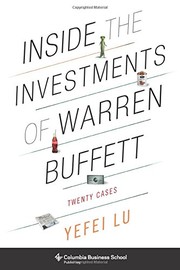
Twenty of Warren Buffett's investments, examined case by case.
Recommended by: Mohnish Pabrai
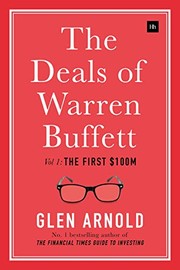
Buffett's investments one by one, with the numbers and reasoning behind each.
Recommended by: Andrew Wilkinson
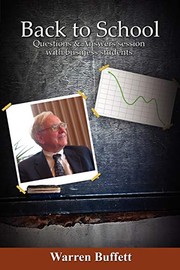
Lecture transcripts on the keys to investment success and to leading a happy life.
Recommended by: Mohnish Pabrai
Talks from a symposium that re-examined corporate law through Buffett's letters.
Recommended by: Mohnish Pabrai
An analysis of how the world's top investors invest, and how to match their results.
Recommended by: Mohnish Pabrai
Interviews with 28 Canadian investors on how they pick investments.
Recommended by: Mohnish Pabrai
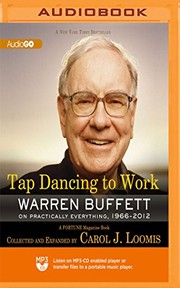
Fortune's articles by and about Buffett from 1966 to 2012, with commentary.
“I hope many people, even those who think they know Warren well, will read it cover to cover.” — Bill Gates
Source: Gates Notes review of Tap Dancing to Work
Recommended by: Bill Gates, Guy Spier, Mohnish Pabrai and 2 others
Recommended by: Mohnish Pabrai, Li Lu
A compilation of studies showing which value approaches have beaten the market.
 Howard Markswrote 3 books here
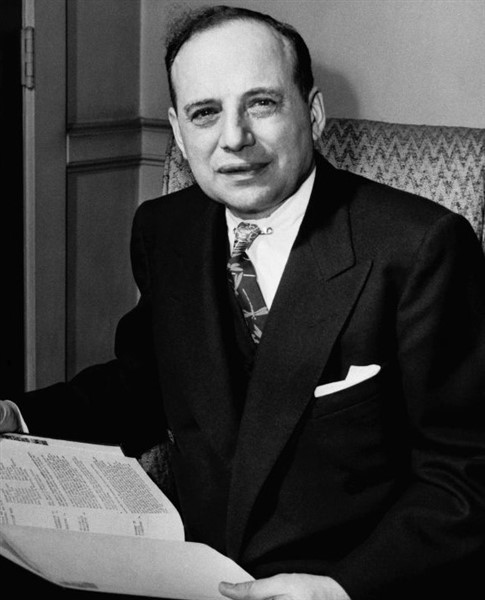 Benjamin Grahamwrote 2 books hereWarren Buffettwrote 2 books here
 Lawrence A. Cunninghamwrote 2 books here
 Pat Dorseywrote 2 books here
 Tobias E. Carlislewrote 2 books here
Show all 32
 Burton G. Malkielwrote 1 book here
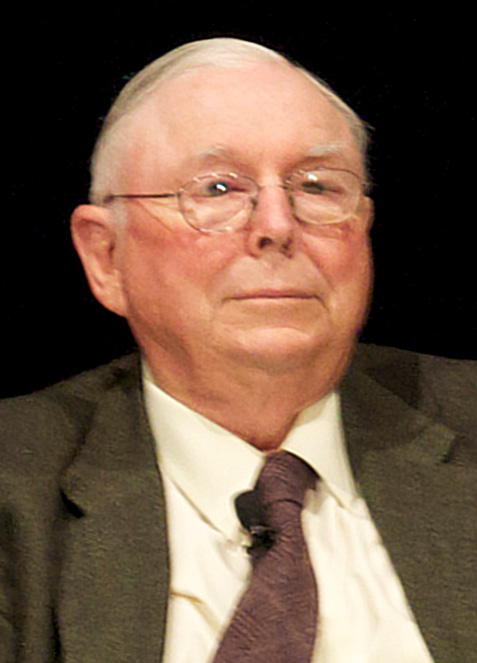 Charlie Mungerwrote 1 book here
 David L. Doddwrote 1 book here
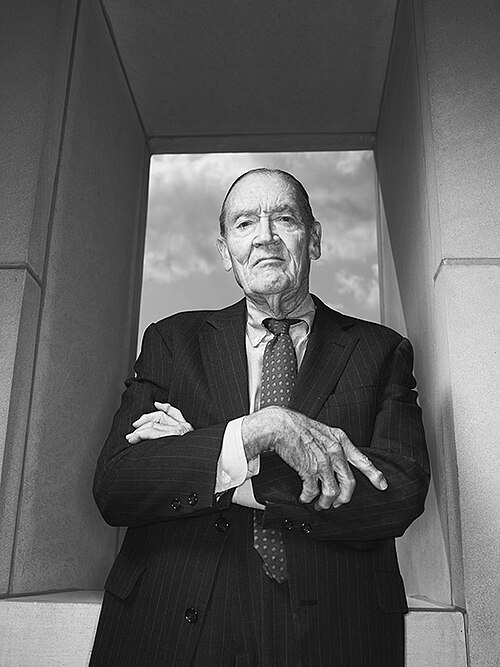 John C. Boglewrote 1 book here
 Ray Daliowrote 1 book here
 Jason Zweigwrote 1 book here
 Mohnish Pabraiwrote 1 book here
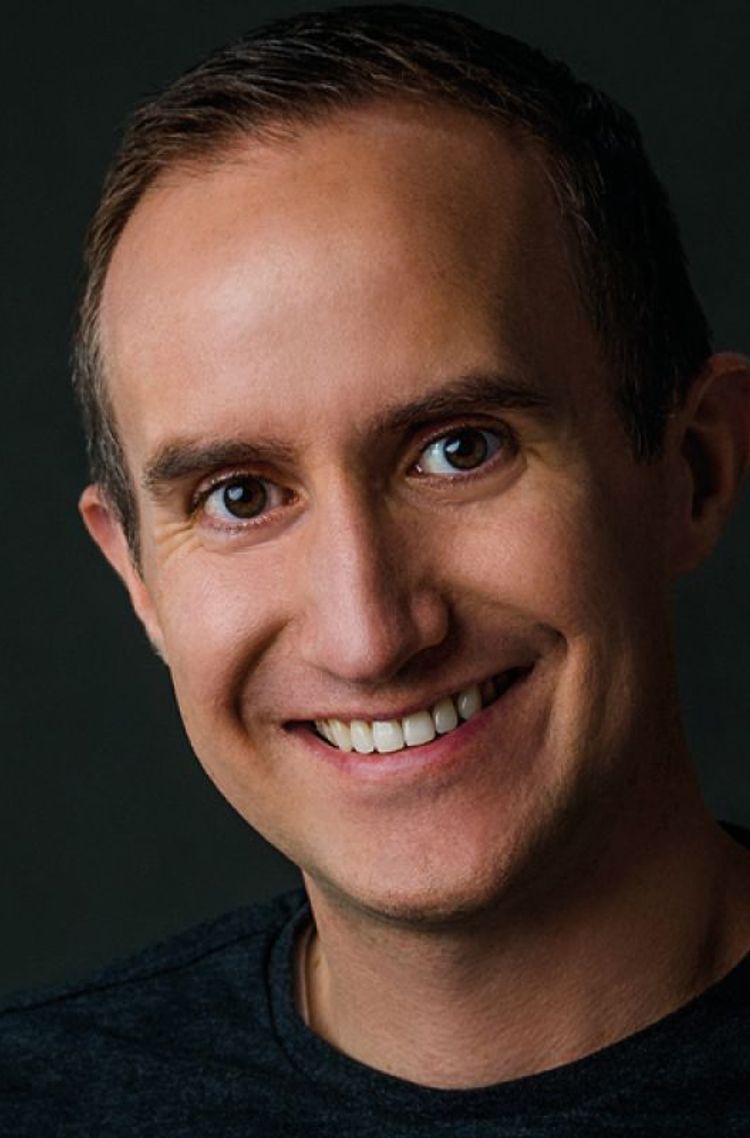 Morgan Houselwrote 1 book here
 Peter Lynchwrote 1 book here
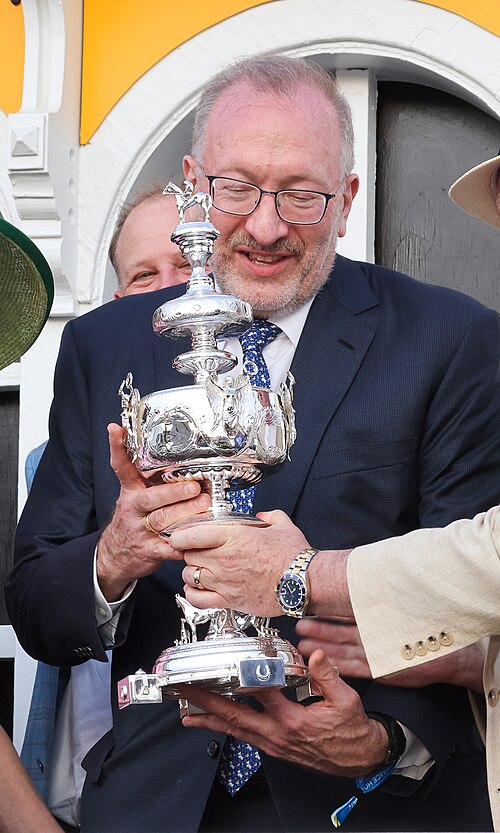 Seth Klarmanwrote 1 book here
 Guy Spierwrote 1 book here
 Wesley R. Graywrote 1 book here
 Whitney Tilsonwrote 1 book here
 James Montierwrote 1 book hereMohnish Pabrairecommends 71 books here
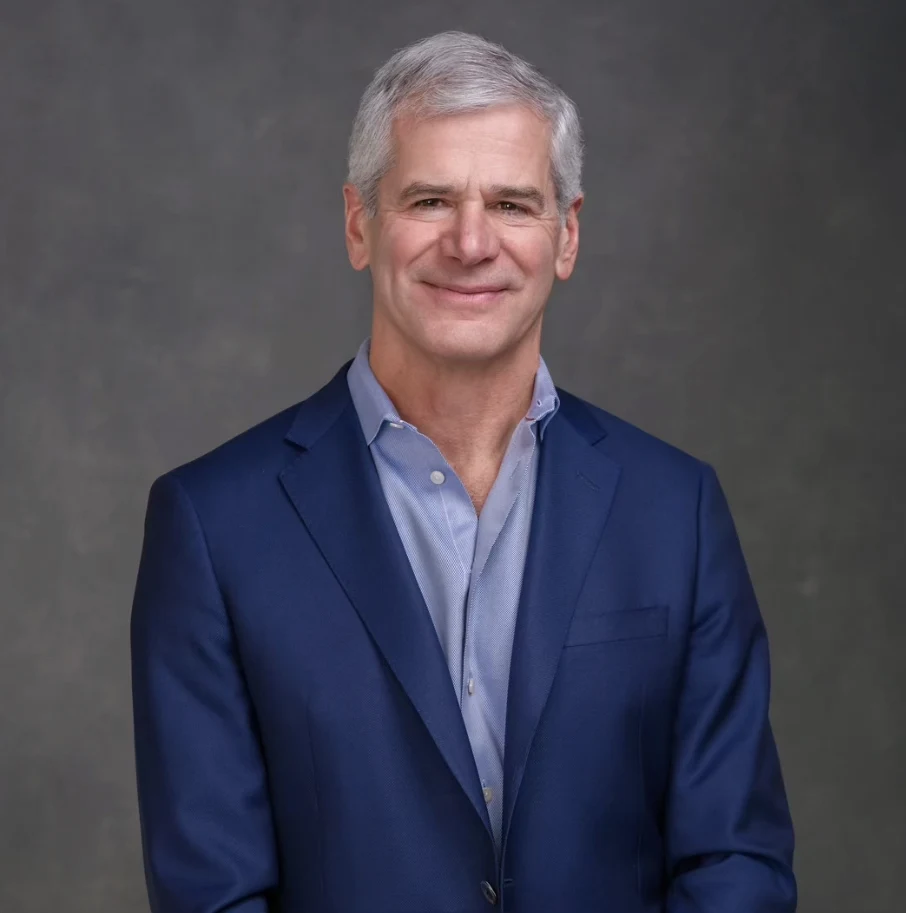 Michael Mauboussinrecommends 17 books hereWarren Buffettrecommends 14 books hereGuy Spierrecommends 8 books here
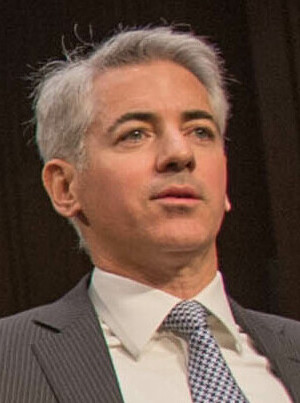 William Ackmanrecommends 8 books hereHoward Marksrecommends 7 books here
 Francois Rochonrecommends 6 books here
Show all 95
 Nat Eliasonrecommends 6 books hereCharlie Mungerrecommends 5 books here
 Marc Andreessenrecommends 5 books hereSeth Klarmanrecommends 5 books here
 Terrance McArthurrecommends 5 books hereJason Zweigrecommends 4 books hereJohn C. Boglerecommends 3 books here
 David Einhornrecommends 3 books here
 Prem Watsarecommends 3 books here
 Bill Gatesrecommends 3 books here
 Matt Mullenwegrecommends 3 books here
 Patrick Collisonrecommends 3 books here
 Tim Ferrissrecommends 3 books here
 Arnold Van Den Bergrecommends 2 books here
 Derek Siversrecommends 2 books here
 Drew Houstonrecommends 2 books here
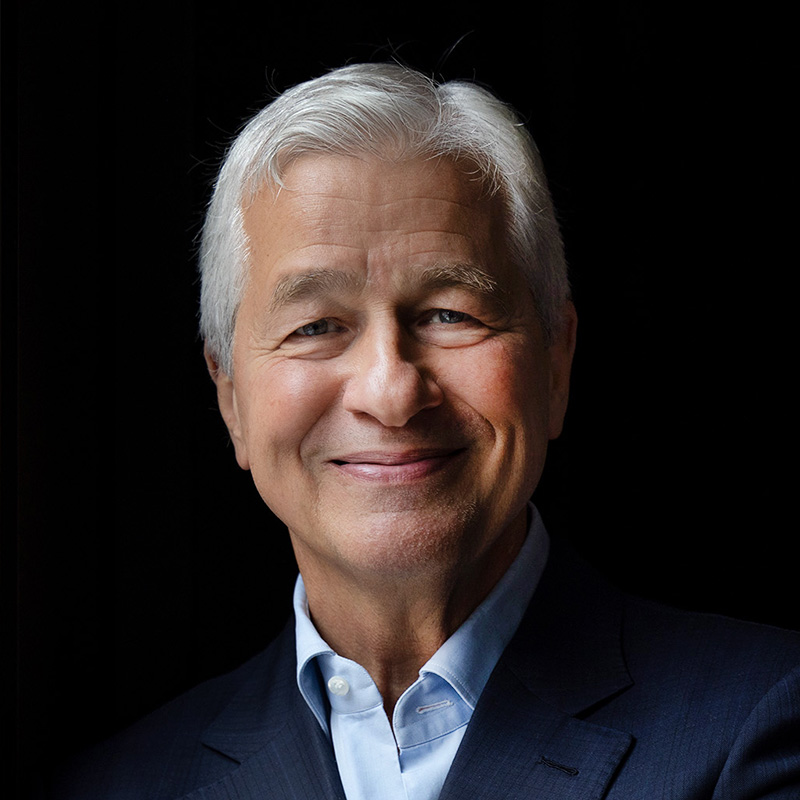 Jamie Dimonrecommends 2 books here
 Michael Batkorecommends 2 books here
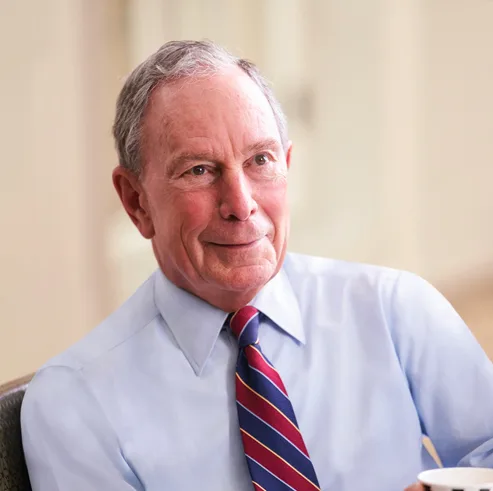 Michael Bloombergrecommends 2 books here
 Naval Ravikantrecommends 2 books here
 Niki Scevakrecommends 2 books here
 Ryan Petersenrecommends 2 books hereBenjamin Grahamrecommends 1 book here
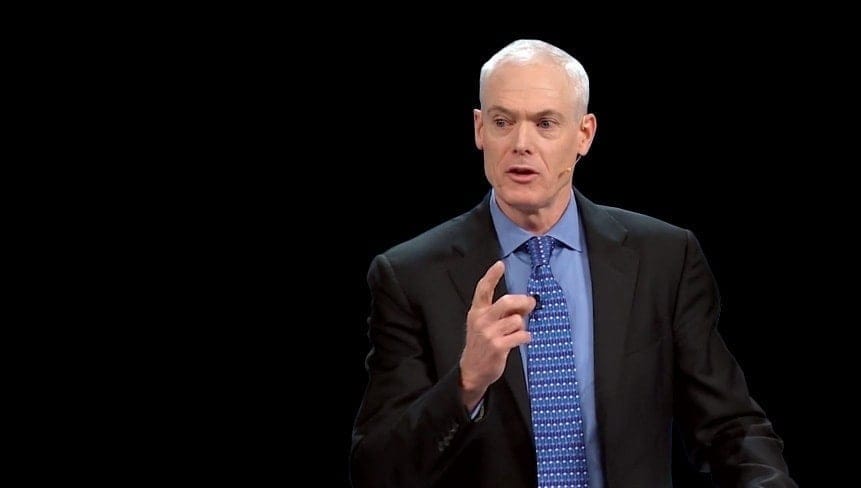 Jim Collinsrecommends 1 book hereRay Daliorecommends 1 book here
 Bill Millerrecommends 1 book here
 Brad Feldrecommends 1 book here
 Marc Benioffrecommends 1 book here
 Bill Nygrenrecommends 1 book here
 Daniel Loebrecommends 1 book here
 Alfred Linrecommends 1 book here
 Ana Fabregarecommends 1 book here
 Anthony Pomplianorecommends 1 book here
 Arianna Huffingtonrecommends 1 book here
 Bill Stewartrecommends 1 book here
 Bryan Johnsonrecommends 1 book here
 Daniel Ekrecommends 1 book here
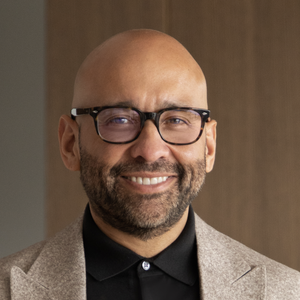 David Cancelrecommends 1 book here
 David Rolferecommends 1 book here
 Doug McMillonrecommends 1 book here
 Francisco Garcia Paramesrecommends 1 book here
 Jack Dorseyrecommends 1 book here
 Joel Connollyrecommends 1 book here
 Josh Wolferecommends 1 book here
 Kevin Roserecommends 1 book here
 Kevin Systromrecommends 1 book here
 Kurt Winrichrecommends 1 book here
 Mark Cubanrecommends 1 book here
 Nathan Murphyrecommends 1 book here
 Nick Huberrecommends 1 book here
 Palmer Luckeyrecommends 1 book here
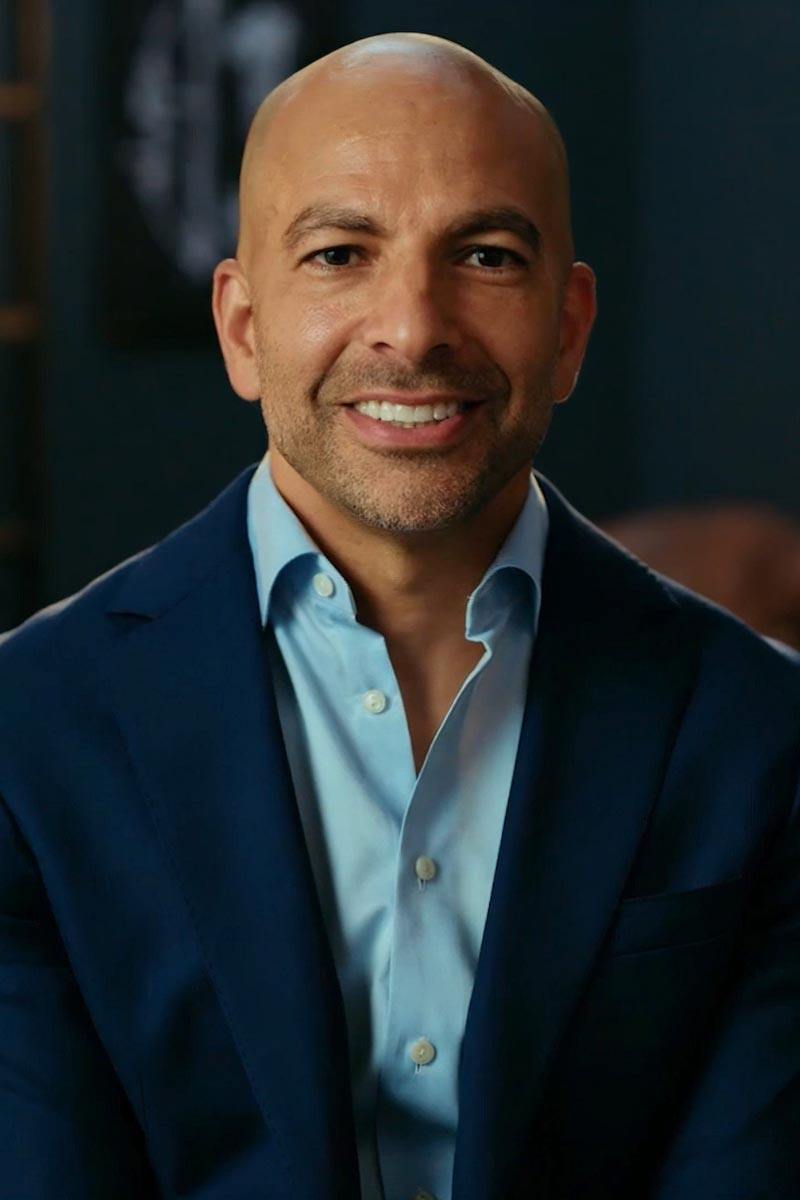 Peter Attiarecommends 1 book here
 Peter Malloukrecommends 1 book here
 Ramit Sethirecommends 1 book here
 Ran Segallrecommends 1 book here
 Reed Hastingsrecommends 1 book here
 Sam Altmanrecommends 1 book here
 Tom Bilyeurecommends 1 book here
 Tony Robbinsrecommends 1 book here
 Zoë Foster Blakerecommends 1 book here