
Market Cycles and the Pendulum
Markets swing between euphoria and despair and spend almost no time at the fair-value midpoint. You cannot time the arc but you can locate yourself on it: when credit is loose and risk goes unpriced, hold less and demand more; when capital is scarce and sound assets trade at panic prices, do the opposite. Aggressiveness is calibrated to position in the cycle rather than to forecasts.
Start here
- A Short History of Financial EuphoriaJohn Kenneth Galbraith, 1990
- Mastering the Market CycleHoward Marks, 2018
- Devil Take the HindmostEdward Chancellor, 1999
- Manias, Panics, and CrashesCharles P. Kindleberger, 1978
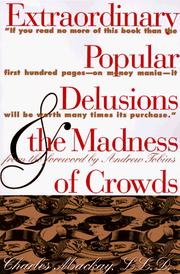
Crowd manias from the Mississippi scheme and South Sea Bubble to witch trials.
“We find whole communities suddenly fix their minds upon one object, and go mad in its pursuit,” wrote Charles Mackay in Extraordinary Popular Delusions and the Madness of Crowds (1841), which contains descriptions of early speculative manias.” — Jeremy Grantham
Source: Valuing AI: Extreme Bubble, New Golden Era - or Both?, page 6
Recommended by: Barton Biggs, Bernard Baruch and 6 others

Why states rise and fall, explained through asabiyyah, the cohesion of a group.
Recommended by: Mohnish Pabrai, Mark Zuckerberg

Financial crises follow a repeated sequence of boom, mania, panic and crash.
“Here’s how Kindleberger put it in the first edition of Manias, Panics, and Crashes: . . .” — Howard Marks
Source: On Bubble Watch
Recommended by: Howard Marks, Jason Zweig, Li Lu and 1 other
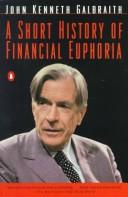
The recurring features of speculative booms, and why short memories bring them back.
“This quote, however, is from his invaluable book, “A Short History of Financial Euphoria.” — Howard Marks
Source: The Race to the Bottom, page 9
Recommended by: Howard Marks and 2 others

Speculation from ancient Rome and tulip mania to the 1990s, and its recurring traits.
“The book "Devil Take the Hindmost" by Edward Chancellor does an excellent job of chronicling the history of financial speculation.” — Howard Marks
Source: bubble.com, page 1
Recommended by: Howard Marks, Jeremy Grantham, John C. Bogle and 3 others
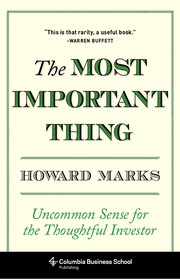
Second-level thinking, risk and market cycles, drawn from Oaktree's client memos.
“This is that rarity, a useful book.” — Warren Buffett
Source: The Most Important Thing — Columbia University Press
Recommended by: Matt Mullenweg, Mohnish Pabrai, Nat Eliason and 3 others
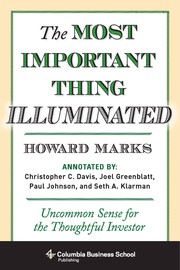
Second-level thinking on risk and cycles, with notes by Klarman and Greenblatt.
“…books I've recommended, highlighted to death, or forced on friends.” — Andrew Wilkinson
Source: Andrew Wilkinson's Bookshelf, neverenough.com
Recommended by: Andrew Wilkinson, Mohnish Pabrai and 3 others
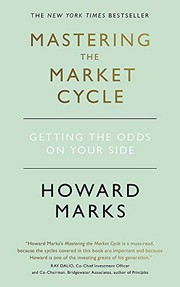
Cycles can't be timed, but knowing where you stand in one lets you adjust risk.
Recommended by: Nat Eliason, Michael Bloomberg
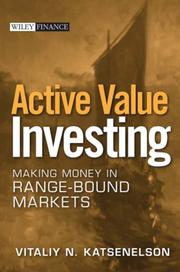
How to buy and sell stocks in the long range-bound markets that follow bull markets.
How to make money in long range-bound markets with active value investing.
Recommended by: Mohnish Pabrai

The history of business cycle theory and how credit cycles drive asset prices.
 Howard Markswrote 3 books here
 John Kenneth Galbraithwrote 1 book here
 Edward Chancellorwrote 1 book here
 Mohnish Pabrairecommends 6 books hereHoward Marksrecommends 3 books here
 Nat Eliasonrecommends 3 books here
 John C. Boglerecommends 2 books here
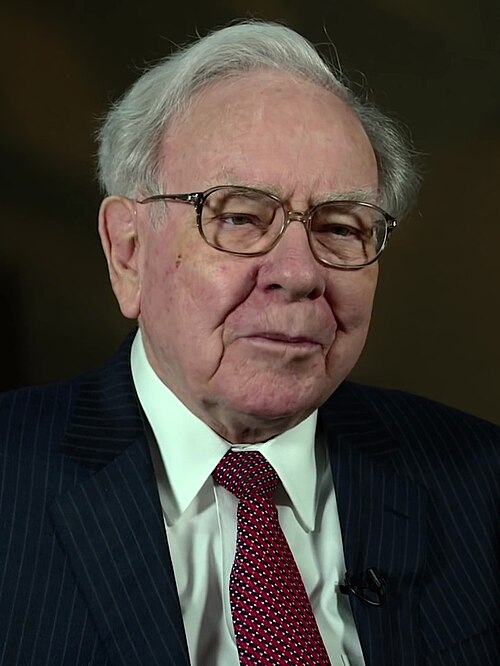 Warren Buffettrecommends 2 books here
 Jeremy Granthamrecommends 2 books here
 Marc Andreessenrecommends 1 book here
Show all 21
 Jason Zweigrecommends 1 book here
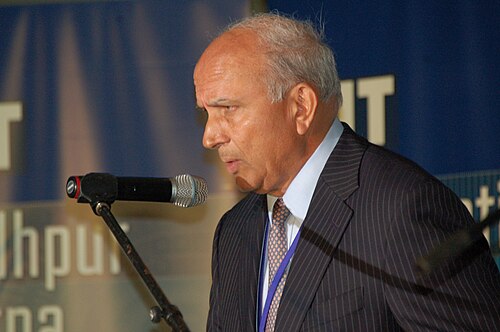 Prem Watsarecommends 1 book here
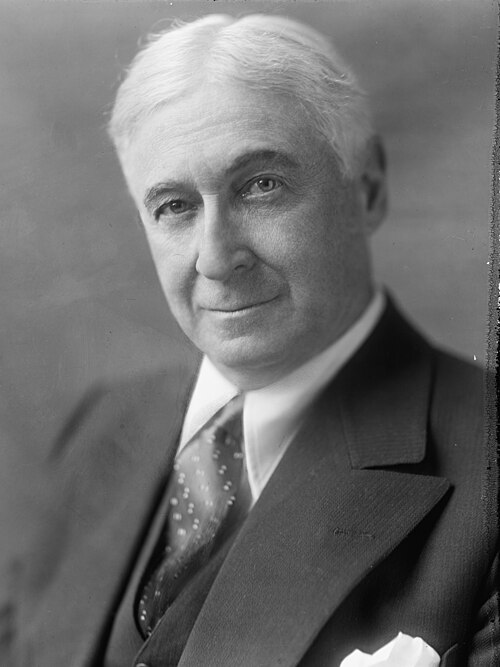 Bernard Baruchrecommends 1 book here
 Mark Zuckerbergrecommends 1 book here
 Matt Mullenwegrecommends 1 book here
 Michael Bloombergrecommends 1 book here
 Peter Attiarecommends 1 book here
- Bull Market RhymesHoward Marks · memo · The recurring phrases that mark every late cycle.
- Easy MoneyHoward Marks · memo · What cheap capital does to discipline and returns.
- The Pendulum in International AffairsHoward Marks · memo · The pendulum framing applied outside markets.
- Everything Is CyclicalMorgan Housel · essay · Booms create the busts that follow them.