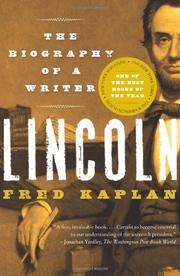
Lincoln: The Biography of a Writer
Abraham Lincoln's life told through his use of language as a tool of persuasion.
Summary
Kaplan, a biographer, tells the life of Abraham Lincoln through his use of language, both to express complex ideas and feelings and as an instrument of persuasion and power, whether he was writing love letters, speeches or legal arguments. He argues that Lincoln was the most literary of American presidents, an admirer and avid reader of Burns, Byron, Shakespeare and the Old Testament, whose views on love, liberty and human nature were shaped by that reading, and whose literary career cannot be separated from his life.
Kaplan focuses on what shaped Lincoln's mental and imaginative world, how his writing formed his identity, relationships and career, and how it produced both the political figure he became and the nation's public discourse. He notes that no president since has written his own words with equal effect, and uses Lincoln's example to argue that careful and honest use of words is necessary for democracy. It was published in 2008.
Key takeaways 4
- Lincoln's political power rested on his skill as a writer.
- His reading of Shakespeare, Burns, Byron and the Bible shaped his ideas and style.
- Lincoln wrote his own words, which few presidents since have done.
- Kaplan argues that honest, careful language is a condition of working democracy.
Who should read it
Readers of Lincoln and of American writing who want his life told through his words.
Who recommended it 1 · 1 direct
Similar books 6
Chosen by shared topics, the entries that hold them, and the people who recommended both.
A biography of Abraham Lincoln drawn on his personal papers.
Recommended by: Mohnish Pabrai, Jamie Dimon
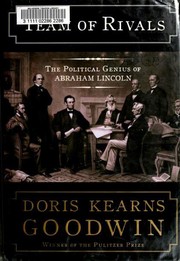
How Lincoln brought his three rivals for the 1860 nomination into his cabinet.
Recommended by: Bill Gates, Jim Collins, Mohnish Pabrai and 2 others
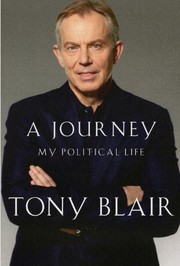
A British prime minister's memoir of his political life.
Recommended by: Patrick Collison
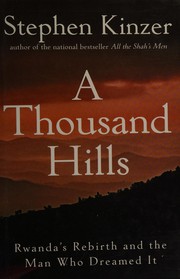
Paul Kagame, a refugee who came home, and Rwanda's rebuilding.
Recommended by: Patrick Collison
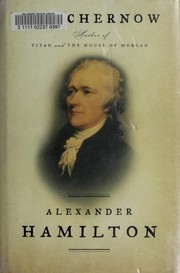
Hamilton's life from the West Indies to the Treasury and his duel with Aaron Burr.
Recommended by: Jim Collins, Patrick Collison and 2 others
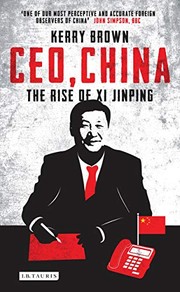
How Xi Jinping rose to lead China's Communist Party.
Recommended by: Patrick Collison
Where it sits in the reference 1
Topics 3
As an Amazon Associate I earn from qualifying purchases.