Political Leaders and Policymakers
Lives and memoirs of rulers, presidents, prime ministers, activists, diplomats, finance ministers and central bankers, from Plutarch's Romans to Lee Kuan Yew and Paul Volcker.
Start here
- The Autobiography of Benjamin FranklinBenjamin Franklin, 1791
- The Power BrokerRobert A. Caro, 1974
- From Third World to FirstLee Kuan Yew, 2000
- Master of the SenateRobert A. Caro, 2002
- Alexander HamiltonRon Chernow, 2004
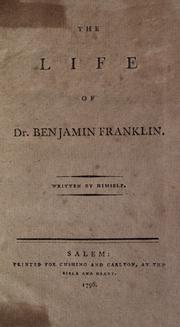
A printer's rise in colonial America and his chart for practising thirteen virtues.
Recommended by: Charlie Munger, Mohnish Pabrai, Nat Eliason and 4 others
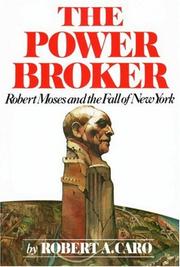
How an unelected official amassed power and used it to rebuild New York.
“The Power Broker remains one of the best books ever written about New York.” — The Rational Walk
Source: The Digest #216 - The Rational Walk
Recommended by: Balaji S. Srinivasan, Jim Collins and 8 others
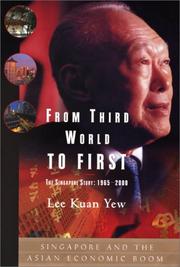
How Singapore's leaders chose policies, from courting multinationals onward.
Recommended by: Balaji S. Srinivasan, Mohnish Pabrai and 3 others
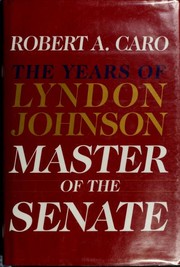
How Lyndon Johnson mastered the Senate's rules and became its majority leader.
Recommended by: Jim Collins, Marc Andreessen and 1 other
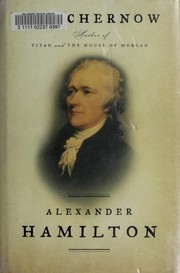
Hamilton's life from the West Indies to the Treasury and his duel with Aaron Burr.
Recommended by: Jim Collins, Patrick Collison and 2 others
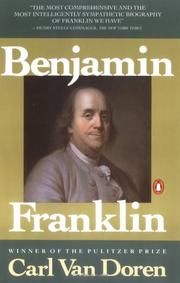
The life of Benjamin Franklin as printer, scientist and statesman.
Recommended by: Charlie Munger
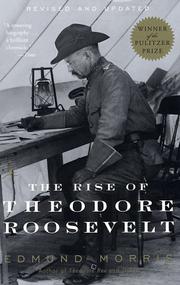
Theodore Roosevelt's life from his birth in 1858 to the presidency in 1901.
Recommended by: Jim Collins, Mohnish Pabrai, Ryan Holiday and 2 others
Six friends, including Acheson, Harriman and Kennan, who shaped US foreign policy.
Recommended by: Mohnish Pabrai
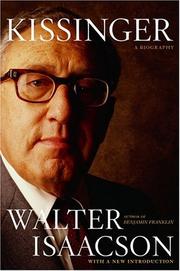
Kissinger's life and years in power, where realism, secrecy and strategy met.
Recommended by: Andrew Wilkinson, Scott Belsky
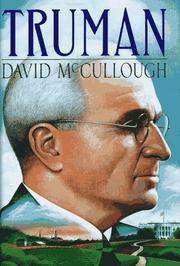
Harry Truman's life and presidency, from the atomic bomb to the Korean War.
Recommended by: Jim Collins, Morgan Housel
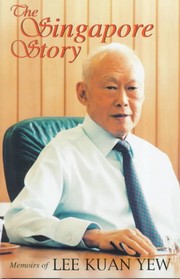
A founding leader's account of his life and Singapore's politics and history.
Recommended by: Patrick Collison, Tim Ferriss
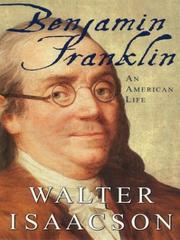
Franklin's life as printer, scientist, diplomat and founder.
“…books I've recommended, highlighted to death, or forced on friends.” — Andrew Wilkinson
Source: Andrew Wilkinson's Bookshelf, neverenough.com
Recommended by: Alfred Lin, Andrew Wilkinson, Brad Feld and 11 others
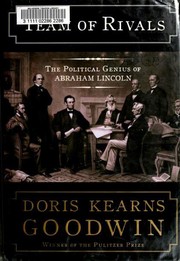
How Lincoln brought his three rivals for the 1860 nomination into his cabinet.
Recommended by: Bill Gates, Jim Collins, Mohnish Pabrai and 2 others
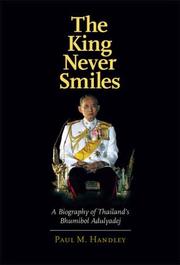
Thailand's monarchy and its Crown Property Bureau as a political and economic power.
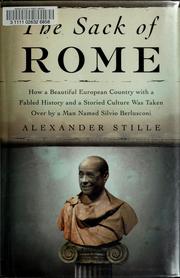
How Berlusconi used media ownership to gain power and capture Italy's regulators.
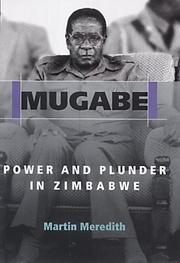
How Mugabe's Zimbabwe used land seizures and money-printing to hold power.
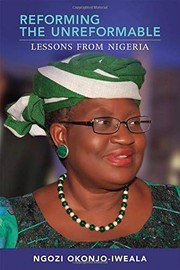
Nigeria's reforms: cutting $30 billion of debt, fighting corruption, restructuring.
Lee Kuan Yew's views on China, the United States and world strategy, by topic.
Recommended by: Mohnish Pabrai, Shane Parrish
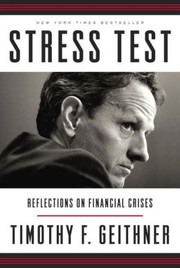
The 2008 crisis and its aftermath, from inside the New York Fed and the Treasury.
Recommended by: Bill Gates, Mohnish Pabrai and 2 others
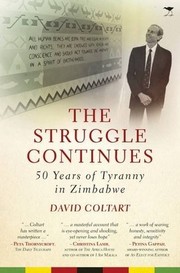
Zimbabwe's history from Rhodesia's 1965 break to Mugabe, by a lawyer and MP.
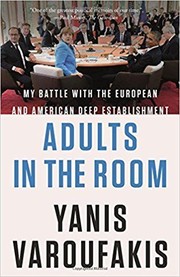
Greece's 2015 debt talks with its creditors, by its finance minister at the time.
John Cowperthwaite, Hong Kong's Financial Secretary in the 1960s, and his policies.
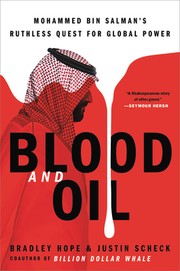
Mohammed bin Salman's rise to power in Saudi Arabia and the decisions that followed.
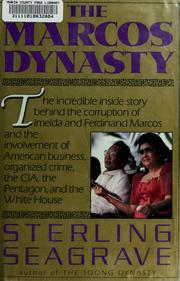
How Ferdinand and Imelda Marcos built crony monopolies and hid their wealth abroad.
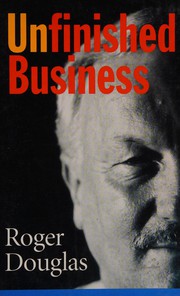
The case for sweeping reform from the finance minister who forced it through.
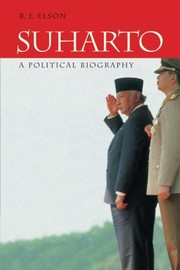
Suharto's rise and the New Order patronage economy behind Indonesian business.
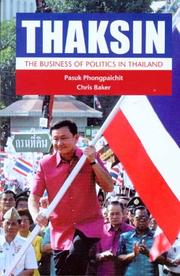
Thaksin Shinawatra, from police officer to telecoms tycoon to prime minister.
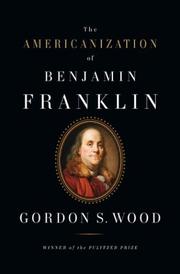
How Franklin went from imperial gentleman to the model of an American.
“if you haven't read much about Ben Franklin, that's what I would suggest” — Joel Greenblatt
Source: Masters in Business transcript: Joel Greenblatt (2020)
Recommended by: Joel Greenblatt, Li Lu
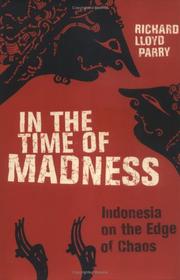
Indonesia's 1997-98 collapse and the fall of Suharto, reported on the ground.

A UK ambassador's account of Uzbekistan's cotton trade and its abuses.
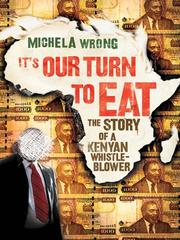
A whistleblower exposes Kenya's procurement scandals after a hailed election.
Recommended by: Patrick Collison
Salazar and the corporatist Estado Novo economy he ran in Portugal.
A memoir by the architect of Malaysia's industrial policy and capital controls.
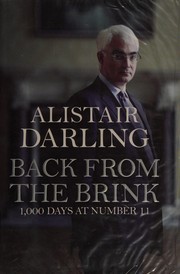
A UK chancellor's memoir of the bank crisis, the guarantee and nationalisations.
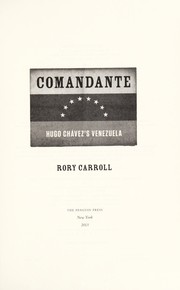
Hugo Chávez's life and rule, reported from inside his government in Venezuela.
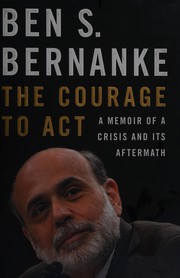
The Fed chair's account of the financial crisis and what the Fed did and why.
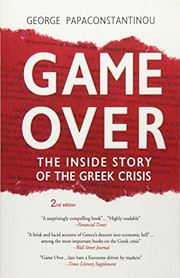
The Greek debt crisis and first bailout, told by the finance minister who signed it.
How Viktor Orbán won and holds power in Hungary through nationalism and patronage.
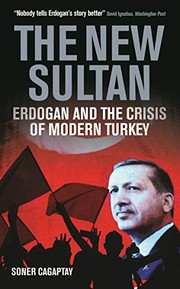
Recep Tayyip Erdogan's rise and how his consolidation of power reshaped Turkey.
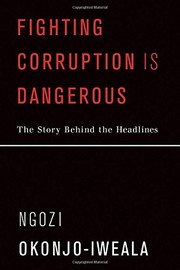
What happened when her anti-corruption reforms met resistance, told from inside.
A memoir of India's economic reforms by a senior official who shaped them.
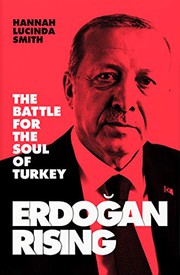
Erdogan's Turkey, its construction-and-credit growth model and who gained from it.
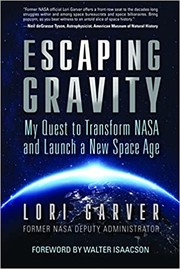
NASA's former deputy on the fight to move spaceflight to commercial contracts.
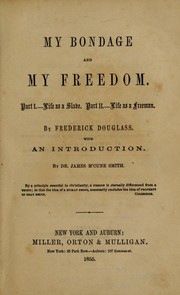
An abolitionist's life in slavery and his fight for the full freedom of Black people.
Recommended by: Ryan Holiday
Recommended by: Mohnish Pabrai
Paired biographies of famous Greek and Roman men.
Recommended by: Ryan Holiday, Susan J. Fowler
An educator's autobiography, from slavery in the South to national leadership.
Recommended by: Ryan Holiday
A life of non-violent struggle against racism and colonial rule, told by its subject.
Recommended by: Mohnish Pabrai, Tim Cook
Lives of twelve figures, from Alexander the Great and Casanova to Woodrow Wilson.
Recommended by: Elon Musk
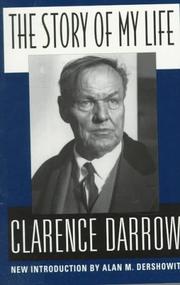
A lawyer's fifty years of cases, from a union's right to strike to Leopold and Loeb.
Recommended by: Larry Ellison
The autobiography of a communist spy who became a Christian.
Recommended by: Marc Andreessen
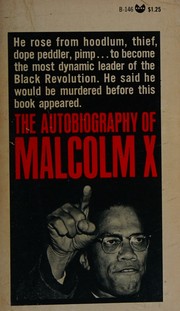
His own story, from prison and crime to Islam, Mecca and the brotherhood of man.
Recommended by: Ryan Holiday, Casey Neistat, Jason Calacanis and 1 other
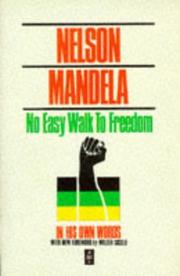
A collection of the anti-apartheid leader's articles, speeches and letters.
Recommended by: Cynthia Johnson
Nine of the Lives, on Romans from the early Republic to the start of the Empire.
Recommended by: Ryan Holiday
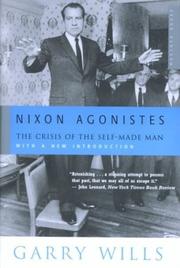
A study of Richard Nixon and his opinions, written during his first term.
Recommended by: Patrick Collison
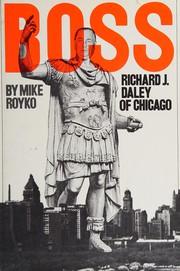
A biography of Richard J. Daley and his rule over Chicago politics.
Recommended by: Audrey Gelman
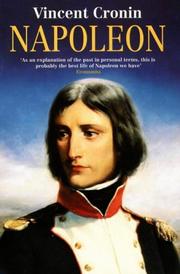
A sympathetic life of Napoleon that centres on his personality and relationships.
Recommended by: Larry Ellison
A biography of George Washington.
Recommended by: Mohnish Pabrai, Jamie Dimon
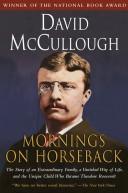
The youth of Theodore Roosevelt and the family that shaped him.
Recommended by: Sophie Bakalar
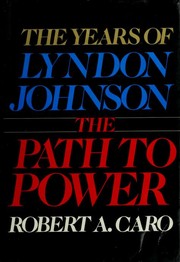
Lyndon Johnson's life from a Texas childhood to his first rise to power.
Recommended by: Andrew Wilkinson, Patrick Collison
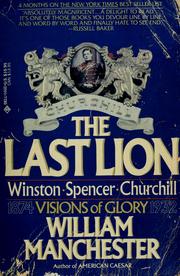
Winston Churchill's years out of power before he became prime minister.
Recommended by: Jim Collins, Mohnish Pabrai, David Sacks and 1 other
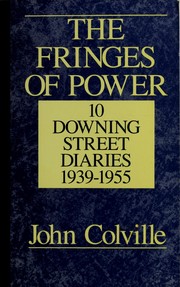
The diaries of a private secretary to Winston Churchill over fifteen years.
Recommended by: Patrick Collison
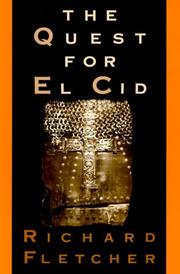
The real Rodrigo Díaz behind the legend of El Cid, hero of the Spanish reconquest.
Recommended by: Paul Graham
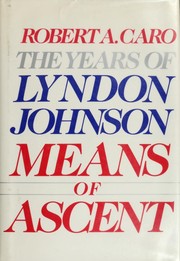
Lyndon Johnson's war service and his disputed Senate primary win by 87 votes.
Recommended by: Jim Collins, Patrick Collison
A memoir from the Cultural Revolution to the student protests in Tiananmen Square.
Recommended by: Mohnish Pabrai
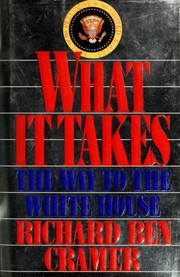
The life stories of the main candidates in one American presidential primary.
“What It Takes. The book is called What It Takes.” — Ezra Klein
Source: The Tim Ferriss Show Transcripts: Ezra Klein (#208)
Recommended by: Ezra Klein, Patrick Collison
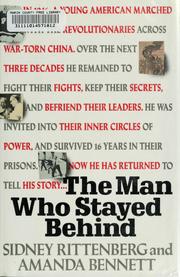
An American who went to China with the army and stayed through its revolution.
Recommended by: Bill Gates
Clarence Darrow's 1912 bribery trial in Los Angeles, and the lawyer's life around it.
Recommended by: Mohnish Pabrai
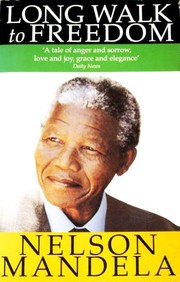
Nelson Mandela's own story, from childhood to prison and the end of apartheid.
Recommended by: Jim Collins, Mohnish Pabrai, Richard Branson
A biography of Abraham Lincoln drawn on his personal papers.
Recommended by: Mohnish Pabrai, Jamie Dimon
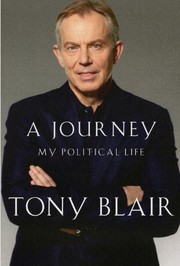
A British prime minister's memoir of his political life.
Recommended by: Patrick Collison
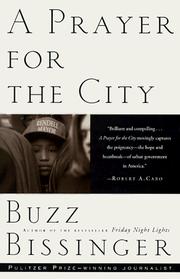
Philadelphia mayor Ed Rendell's fight to save his city.
Recommended by: Audrey Gelman
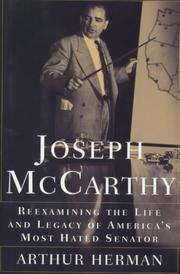
A life of Joseph McCarthy and how he used the issue of Communism in the Cold War.
Recommended by: Marc Andreessen
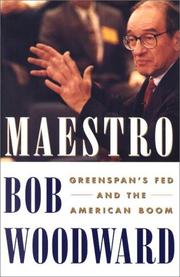
Alan Greenspan's Federal Reserve and its monetary policy through the American boom.
“Robert Woodward, Maestro: Greenspan’s Fed and the Economic Boom (New York: Simon and Schuster, 2000), 126” — William J. Bernstein
Source: Efficient Frontier, issue 404 (2004)
Recommended by: Mohnish Pabrai, William J. Bernstein
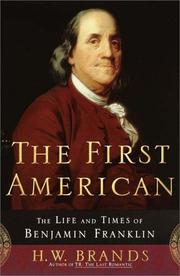
A life of Benjamin Franklin, the foremost American of his day.
Recommended by: Ev Williams
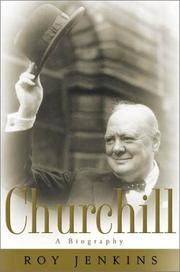
A narrative biography of Winston Churchill's nearly sixty years in British politics.
Recommended by: Mohnish Pabrai
A biography of Cicero and the world of ancient Rome.
Recommended by: Patrick Collison
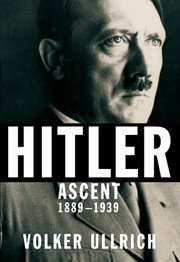
A biography of Hitler in the years of war and defeat.
Recommended by: Marc Andreessen
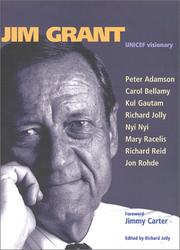
Eight stories by colleagues of the UNICEF leader behind a child survival revolution.
Recommended by: Bill Gates
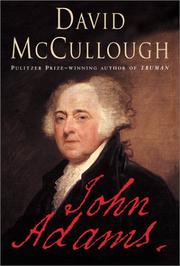
A life of John Adams, revolutionary and second president of the United States.
Recommended by: Mohnish Pabrai
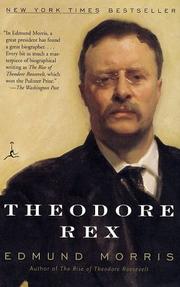
Theodore Roosevelt's presidency and the politics of his years in office.
Recommended by: Mohnish Pabrai, Sophie Bakalar
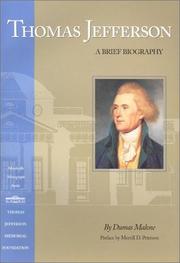
A short life of Thomas Jefferson's mind and temperament.
Recommended by: Mohnish Pabrai
A life of the Chinese leader from a decade of research and talks with his circle.
Recommended by: Richard Branson

A Treasury secretary's account of economic and fiscal policy in the Clinton years.
“Rubin, Robert E. and Jacob Weisberg, In an Uncertain World: Tough Choices from Wall Street to Washington (New York: Random House, 2004)” — Michael Mauboussin
Recommended by: Michael Mauboussin, Mohnish Pabrai and 1 other
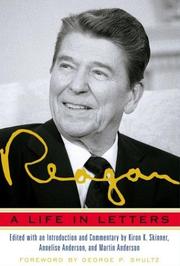
Over 1,000 letters from 1922 to 1994, grouped by themes such as friends and beliefs.
Recommended by: Mohnish Pabrai
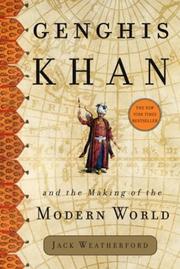
How the Mongol empire's trade and communication helped make the modern world.
“What what really drove that home for me is I'm an enthusiastic student of history. And I read Genghis Khan and the Making of the Modern World.” — Tim Ferriss
Recommended by: Tim Ferriss, Austen Allred, Ben Horowitz and 2 others
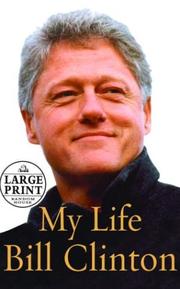
A president's years before public life, his years in politics and in the White House.
Recommended by: Mohnish Pabrai
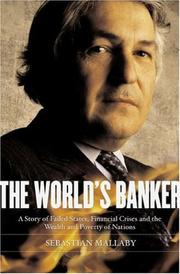
The World Bank and its aid to the poorest nations, amid failed states and crises.
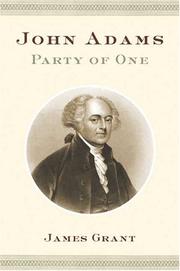
A biography of a paradoxical president, a fierce revolutionary and reluctant leader.
Recommended by: Jim Collins, Mohnish Pabrai, Seth Klarman
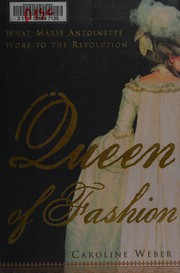
How Marie Antoinette used fashion as a political weapon, and how it led to her fall.
Recommended by: Sheryl Sandberg
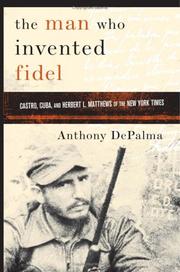
How a New York Times reporter's coverage of Castro shaped American views of Cuba.
Recommended by: Balaji S. Srinivasan
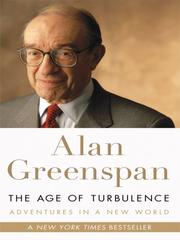
A former Fed chairman's account of the modern financial world and his years in it.
Recommended by: Jim Collins, Mohnish Pabrai
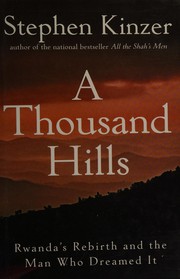
Paul Kagame, a refugee who came home, and Rwanda's rebuilding.
Recommended by: Patrick Collison
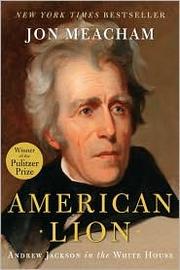
Andrew Jackson, his inner circle and how he made the modern presidency.
Recommended by: Mark Zuckerberg
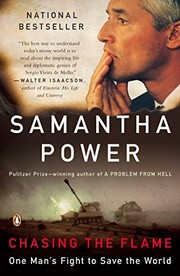
Sergio Vieira de Mello, the UN diplomat, and his work in the world's conflicts.
Recommended by: Patrick Collison
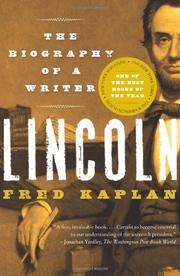
Abraham Lincoln's life told through his use of language as a tool of persuasion.
Recommended by: Patrick Collison
The independence leader's own life, and how he developed nonviolent resistance.
Recommended by: Jim Collins, Kevin Kelly, Mohnish Pabrai and 1 other
Fifteen lessons on life and leadership from Nelson Mandela's example.
Recommended by: Richard Branson
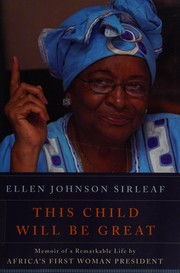
The memoir of Liberia's president, elected after fourteen years of civil war.
Recommended by: Diana Kimball
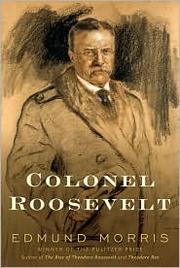
Theodore Roosevelt's last decade, from leaving the presidency to his death.
Recommended by: Mohnish Pabrai
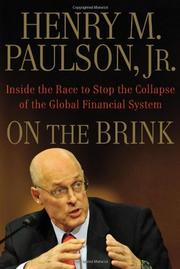
The financial crisis seen from inside the US Treasury by its secretary.
Recommended by: Mohnish Pabrai
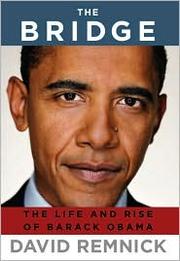
Barack Obama's life, experiences and the ambition behind his rise.
Recommended by: Mohnish Pabrai
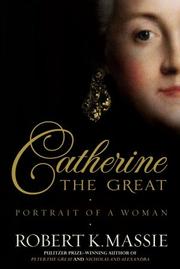
A narrative biography of Catherine the Great, empress of Russia.
Recommended by: Elon Musk
A biography of Deng Xiaoping and how he transformed China after Mao.
Recommended by: Balaji S. Srinivasan, Bill Gates
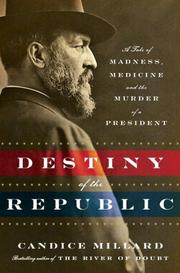
The life and assassination of President Garfield, and the man who shot him.
Recommended by: Andrew Wilkinson, Ryan Holiday
A biography of John F. Kennedy that asks what he was like as a man.
Recommended by: Patrick Arnold
The life of Thomas B. Reed, Speaker of the House in the Gilded Age.
Recommended by: Mohnish Pabrai, Seth Klarman
A UN leader's account of forty years of war and peace, from Rwanda to Iraq.
Recommended by: Bill Gates
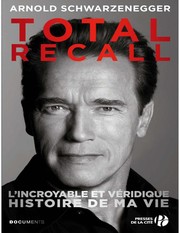
The life of a bodybuilder who became a film star and governor of California.
“I was not expecting to love this so much! I'm not a fan of his, but MAN his ambitious mindset, especially in his early days when he first moved to America, is so inspiring. Both on the movie-star side and real-estate side. If you need a role model or inspiration for thinking big, this is it. (Skip the final section on his governor days.) I was telling friends stories and thoughts about this book for weeks afterwards.” — Derek Sivers
Source: Derek Sivers book notes (primary, rated list) · Rating: 8/10
Recommended by: Derek Sivers, Jim Collins, Tim Ferriss
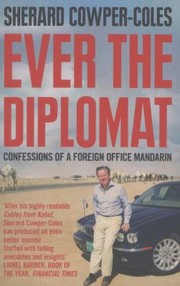
A British diplomat's memoir of thirty years of embassy life.
Recommended by: Paul Graham
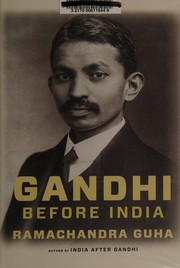
Gandhi's life before India: Gujarat, London and twenty-one years in South Africa.
Recommended by: Mohnish Pabrai
Singapore's founding leader's strategic judgements, edited into a short reference.
“If you're not familiar with Lee Kuan Yew, he's the "Father of Modern Singapore," the man who took a small, poor island just north of the equator in Southeast Asia with GDP per capita of ~$500 in 1965 and turned it into a modern powerhouse with GDP per capita of over $70,000 as of 2014, with some of the lowest rates of corruption and highest rates of economic freedom in the world.” — Shane Parrish
Source: Shane Parrish: The Sixteen Best Books I read in 2016
Recommended by: Shane Parrish
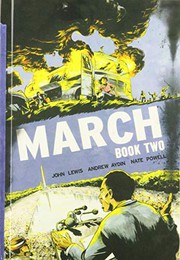
A graphic memoir of the civil rights movement by one of its leaders.
“I spent the afternoon on the couch reading March by John Lewis, Andrew Aydin, and Nate Powell. It’s a comic book trilogy that is the story of the Civil Right Movement through Congressman Lewis’ eyes. While I’m reading very little current news right now, I am reading a lot of American history.” — Brad Feld
Source: Book: March — Feld Thoughts
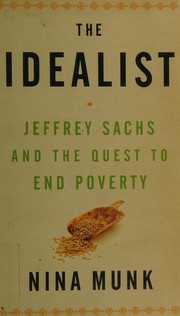
Jeffrey Sachs's ambitious quest to end global poverty, followed on the ground.
Recommended by: Bill Gates
Paul Volcker's decades at the Treasury and the Federal Reserve.
Recommended by: Mohnish Pabrai
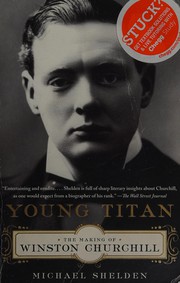
Churchill from twenty-six to forty, from building a navy to the Western Front.
Recommended by: Mohnish Pabrai
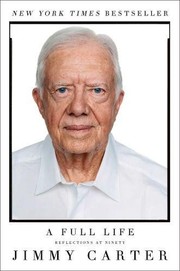
A former president looks back at ninety on Georgia, politics and humanitarian work.
Recommended by: Bill Gates, Richard Branson
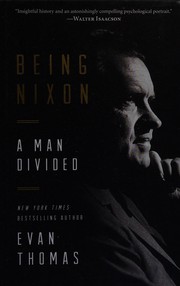
A psychological portrait of Richard Nixon, driven by optimism and fear.
Recommended by: Bill Gates
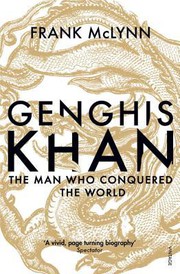
Temujin's rise from outcast to Genghis Khan and the Mongol empire he built.
Recommended by: Patrick Collison
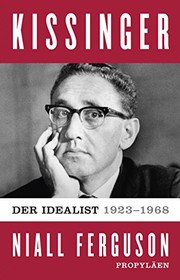
The first volume of Henry Kissinger's life, before he joined Nixon's White House.
Recommended by: Patrick Collison
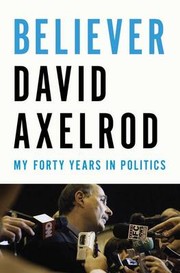
A journalist turned political strategist on his life in American campaigns.
Recommended by: Nick Crocker
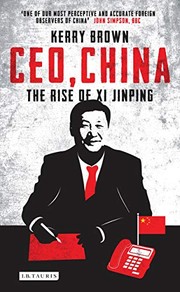
How Xi Jinping rose to lead China's Communist Party.
Recommended by: Patrick Collison
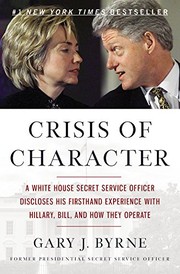
A Secret Service officer's account of the Clintons in the White House.
Recommended by: Mohnish Pabrai
How Truman and Senator Vandenberg built American foreign policy after the war.
Recommended by: Mohnish Pabrai
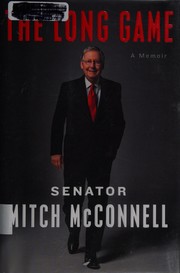
A Senate leader's memoir, from childhood polio to his views on Congress.
Recommended by: Donald Trump
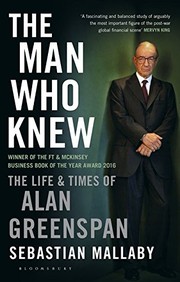
Alan Greenspan's life, and with it the making of modern finance from Nixon to Bush.
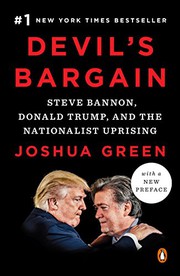
Donald Trump's first presidential campaign and how it was run.
Recommended by: Marc Andreessen
Barack Obama's two terms as president recorded in photographs.
Recommended by: Richard Branson
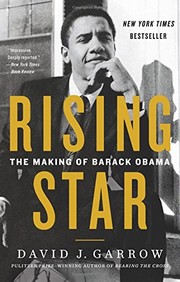
A detailed account of Barack Obama's formative years up to the presidency.
Recommended by: Nick Crocker
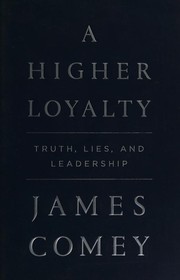
A former FBI director on two decades in government and ethical leadership.
“I finished James Comey’s book A Higher Loyalty: Truth, Lies, and Leadership last night. Everyone who thinks or cares about leadership should read it and allow themselves to process it at a meta-level.” — Brad Feld
Source: Book: A Higher Loyalty — Feld Thoughts
Recommended by: Brad Feld, Marc Andreessen
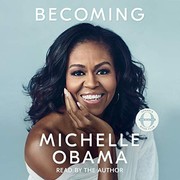
The memoir of a lawyer who became First Lady of the United States.
“The biggest thing I learned - I was midway, not mid, maybe a third into writing the book when I read Michelle Obama's Becoming, and it was just so vulnerable.” — Rana el Kaliouby
Recommended by: Rana el Kaliouby, Cristina Cordova and 1 other
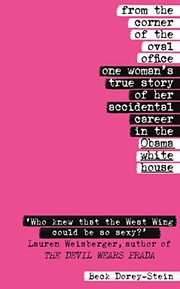
A White House stenographer's memoir of the Obama years.
Recommended by: Zoë Foster Blake
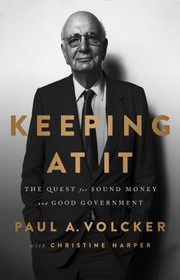
The Fed chair's memoir of his career at Treasury and the Fed, and beating inflation.
Recommended by: Michael Bloomberg, Ray Dalio, Warren Buffett
The early development and growth of leadership in American presidents.
Recommended by: Bill Gates, Scott Belsky
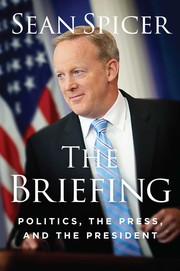
A White House press secretary's account of his time in the job.
Recommended by: Donald Trump
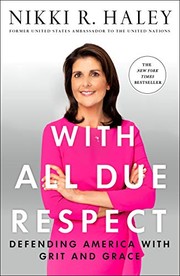
A former ambassador to the United Nations on the events of her time in office.
Recommended by: Donald Trump
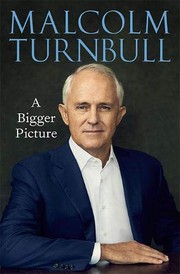
A politician's memoir of his career, drawing on the diary he kept throughout.
Recommended by: Nick Crocker
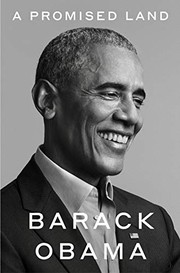
Obama's memoir from his early politics through his first presidential term.
Recommended by: Bill Gates, Michelle Obama, Trevor Ncube
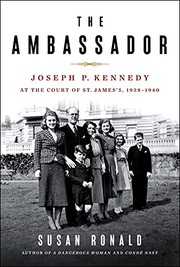
Joseph Kennedy's contested years as US ambassador to Britain on the eve of war.
Recommended by: Marc Andreessen
Edmund Burke and Charles Fox, great orators and political allies for 25 years.
How George Washington, whose schooling ended at eleven, educated himself.
Recommended by: Shane Parrish
A historian's personal history of the 1960s, told with her husband's life.
Recommended by: Andrew Wilkinson, Bill Gates
Aphorisms from the emperor's speeches, collected by Balzac in four themes.
Recommended by: Nat Eliason
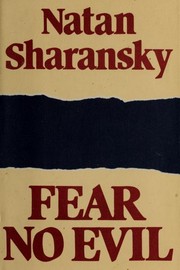
Eight stories by colleagues of the UNICEF leader behind a child survival revolution.
Recommended by: Bill Gates
A life of Lenin that uses his personal relationships to explain his politics.
“Well, so I have been reading Victor Sebestyen's Lenin biography which that's Vladimir Lenin, Vladimir Ilyich ...” — Ben Horowitz
Source: Transcript: Ben Horowitz
Recommended by: Ben Horowitz, Marc Andreessen
How Napoleon's rise, wars and fall carried Europe from Enlightenment to democracy.
Recommended by: Elon Musk, Larry Ellison
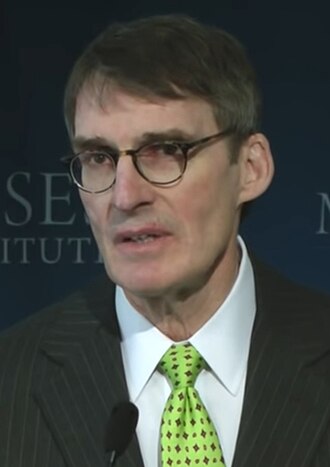 James Grantwrote 3 books here
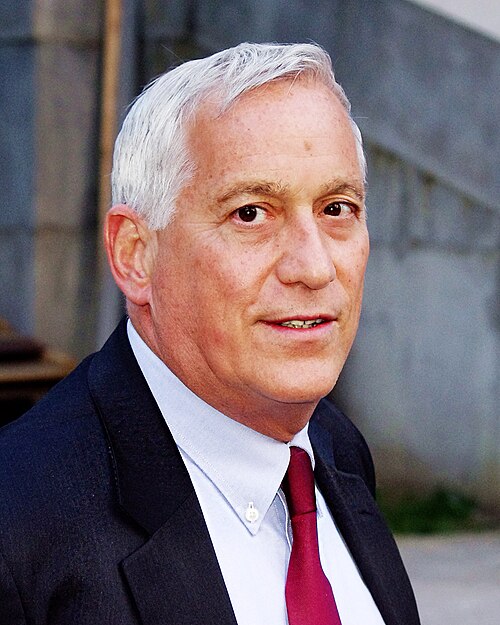 Walter Isaacsonwrote 3 books here
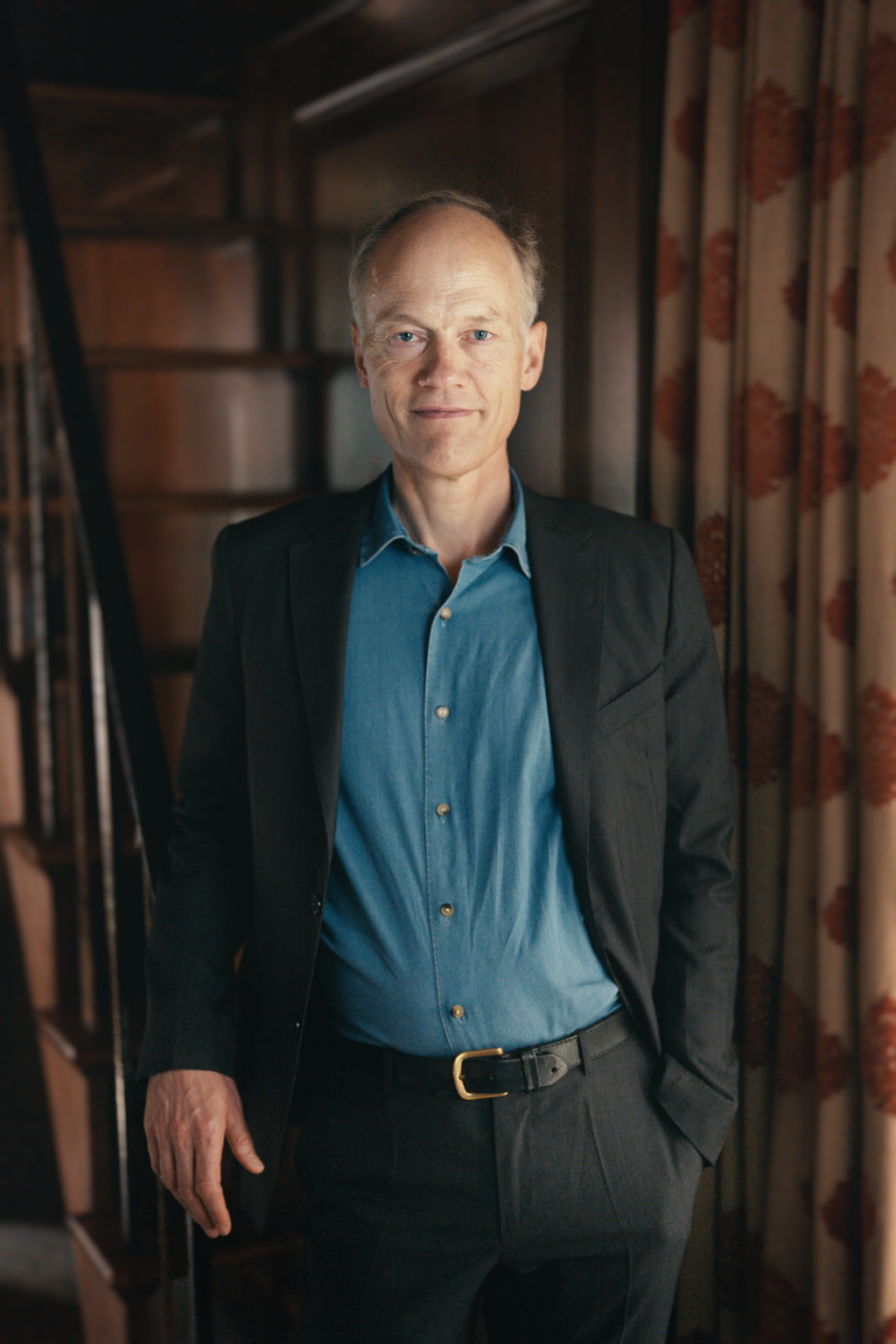 Sebastian Mallabywrote 2 books here
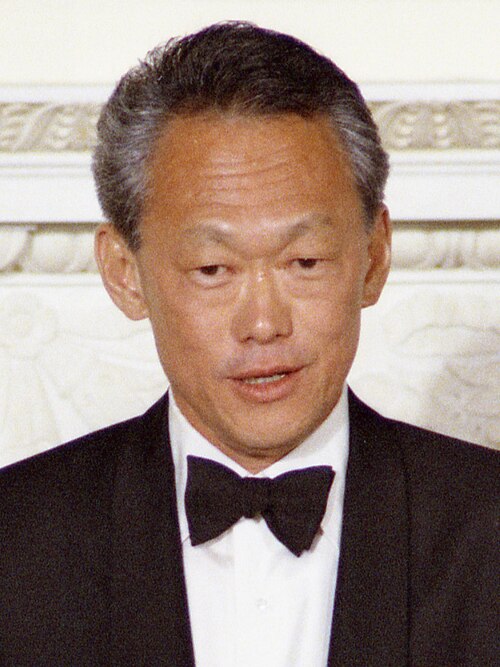 Lee Kuan Yewwrote 2 books here
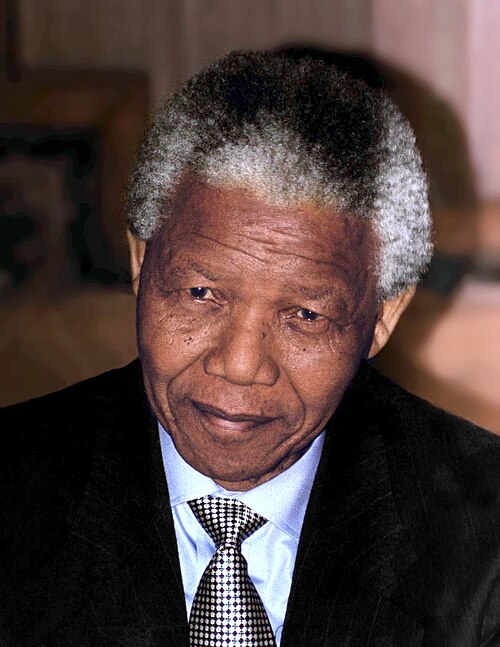 Nelson Mandelawrote 2 books here
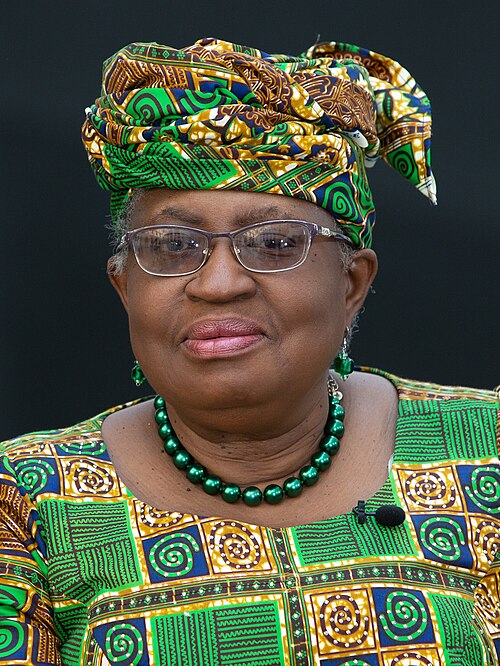 Ngozi Okonjo-Iwealawrote 2 books here
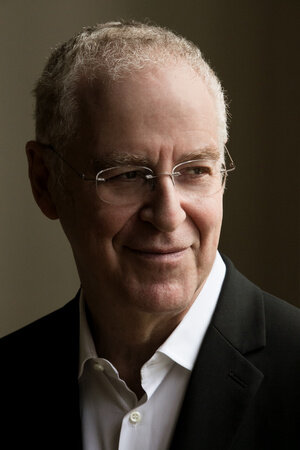 Ron Chernowwrote 1 book here
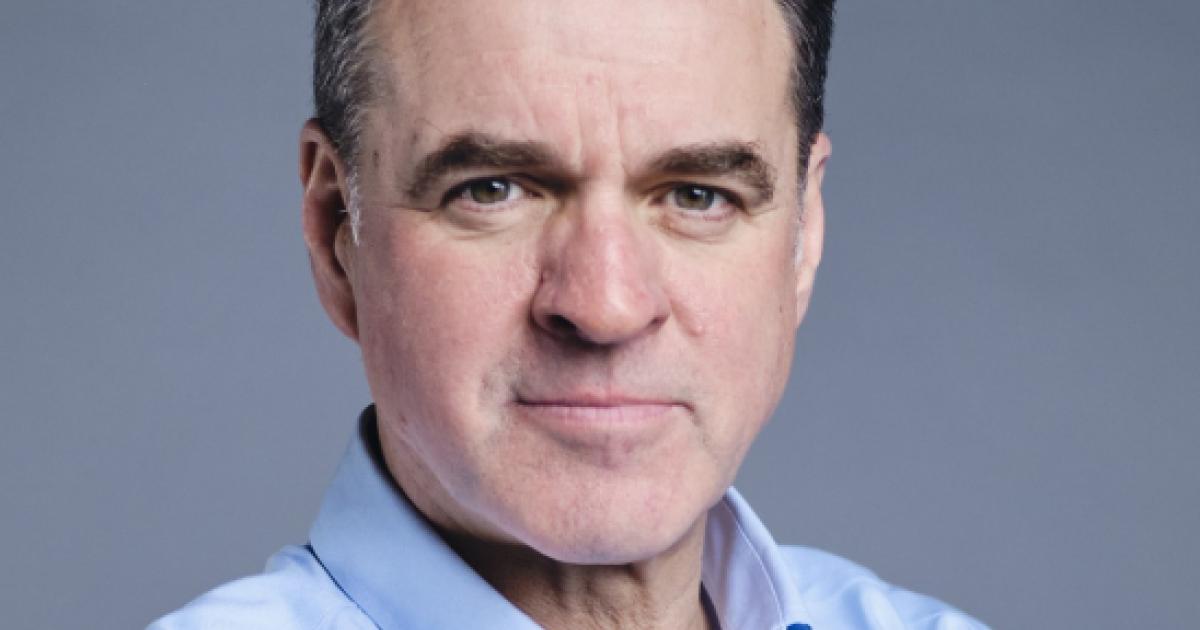 Niall Fergusonwrote 1 book here
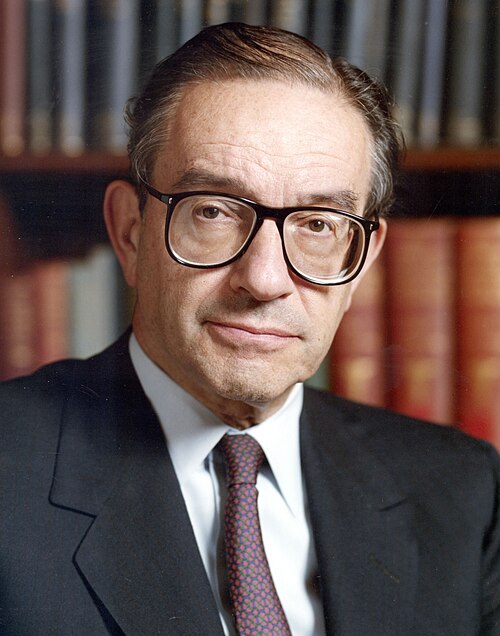 Alan Greenspanwrote 1 book here
Show all 17
 Mohnish Pabrairecommends 36 books here
 Patrick Collisonrecommends 20 books here
 Jim Collinsrecommends 14 books here
 Bill Gatesrecommends 13 books here
 Marc Andreessenrecommends 10 books here
 Ryan Holidayrecommends 8 books here
 Elon Muskrecommends 5 books here
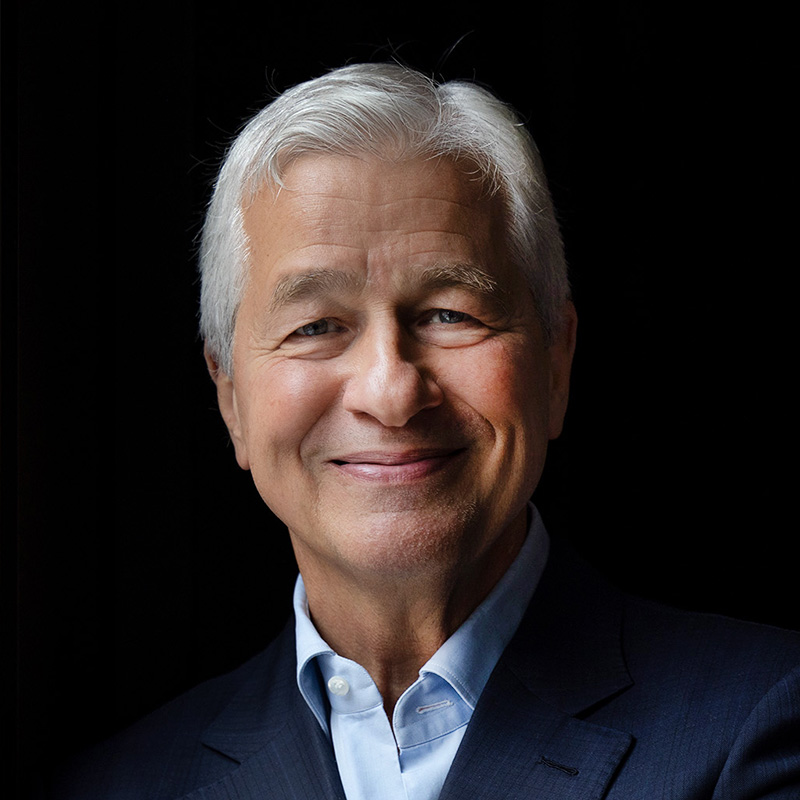 Jamie Dimonrecommends 5 books here
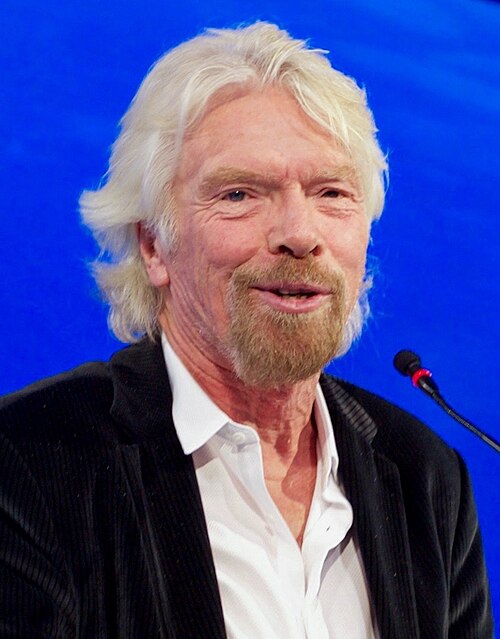 Richard Bransonrecommends 5 books here
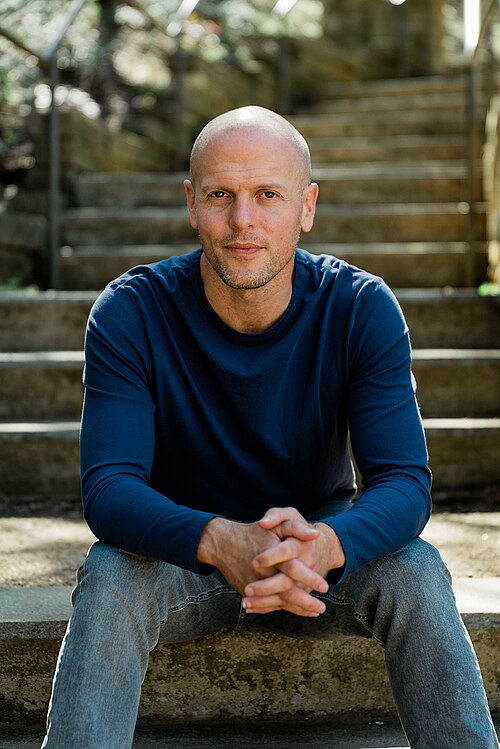 Tim Ferrissrecommends 5 books here
Show all 65
 Paul Grahamrecommends 4 books here
 Warren Buffettrecommends 4 books here
 Balaji S. Srinivasanrecommends 4 books here
 Larry Ellisonrecommends 4 books here
 Tim Cookrecommends 4 books here
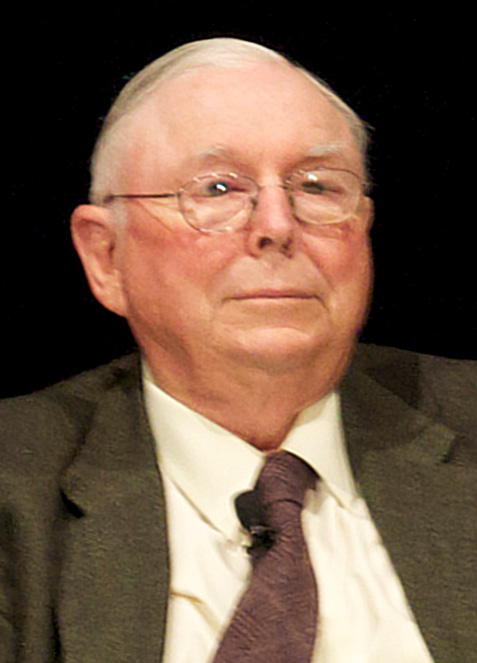 Charlie Mungerrecommends 3 books here
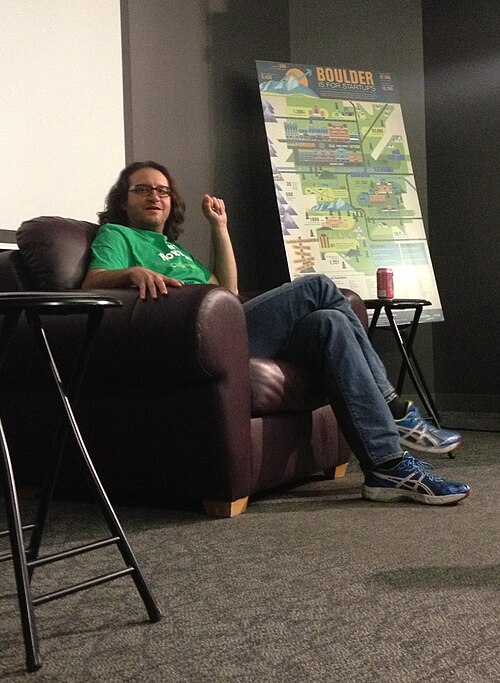 Brad Feldrecommends 3 books here
 Audrey Gelmanrecommends 3 books here
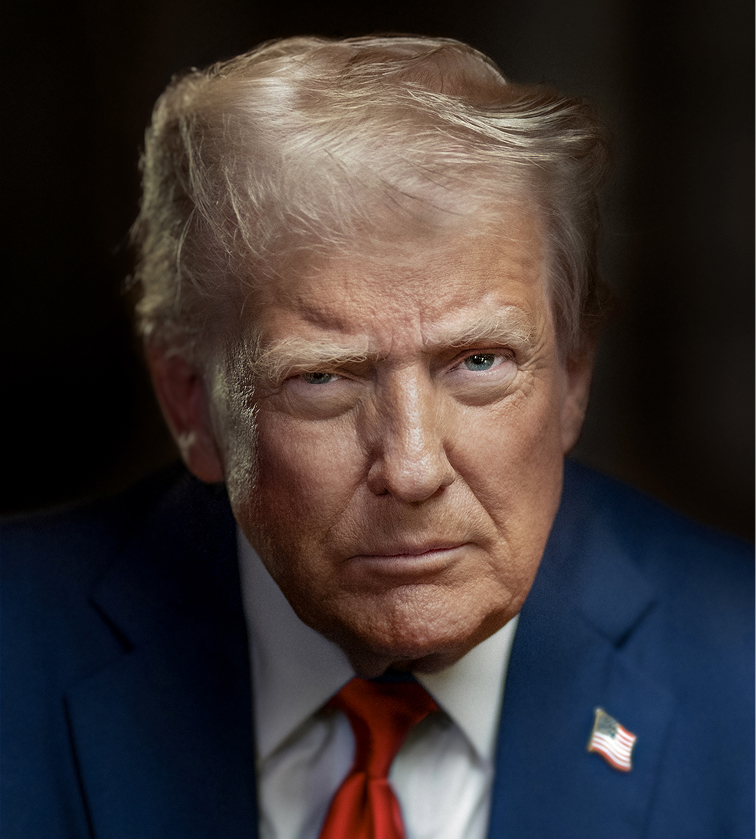 Donald Trumprecommends 3 books here
 Nat Eliasonrecommends 3 books here
 Nick Crockerrecommends 3 books here
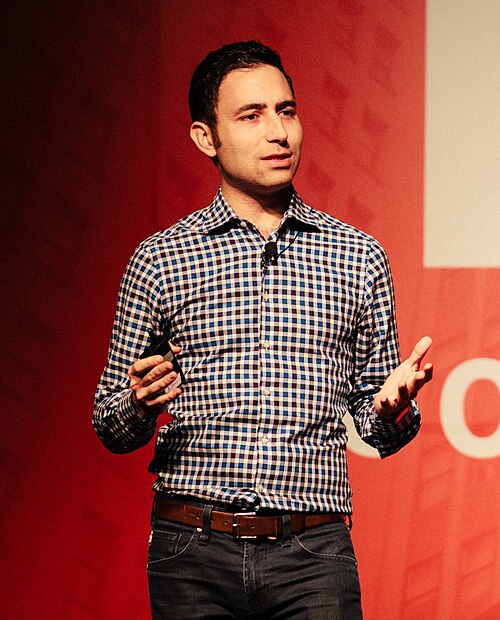 Scott Belskyrecommends 3 books here
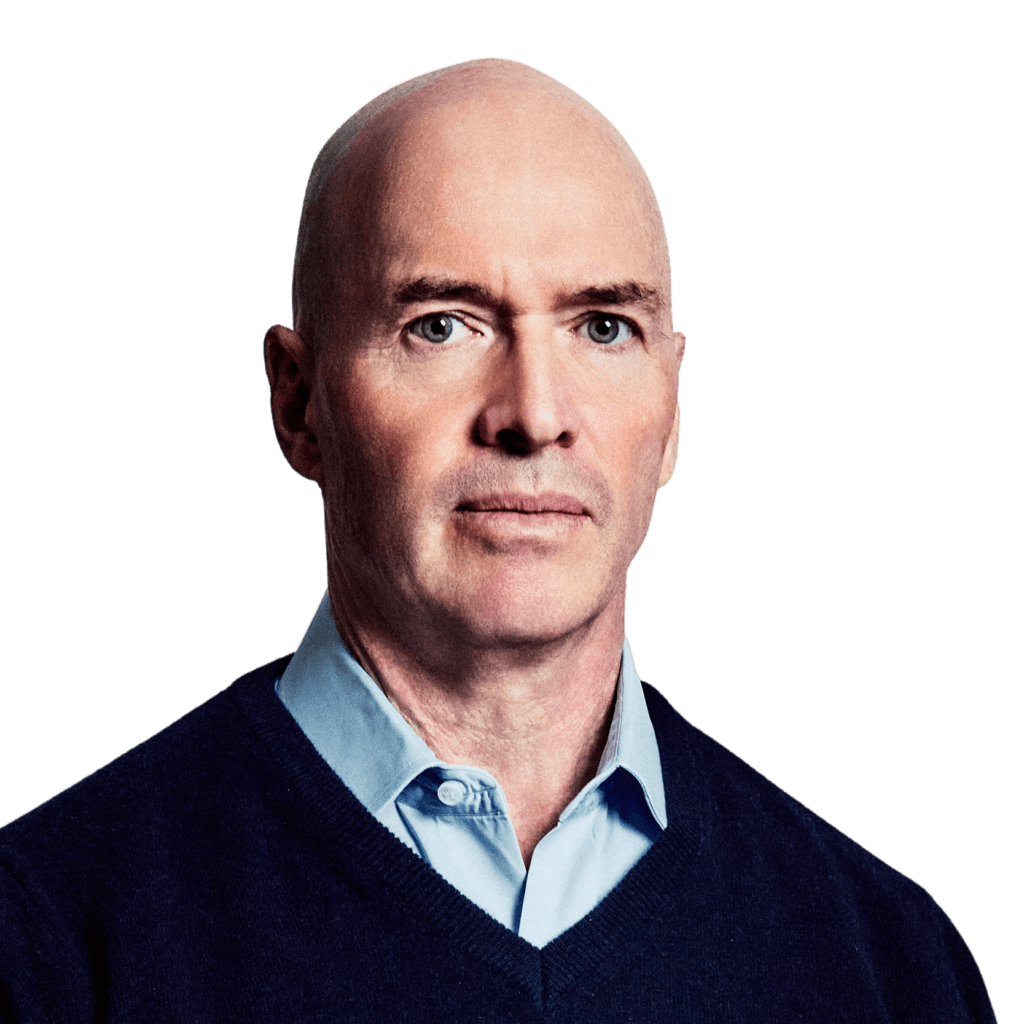 Ben Horowitzrecommends 2 books here
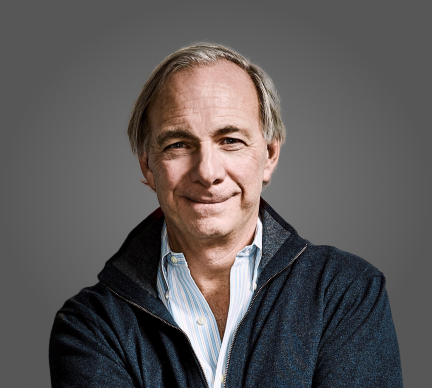 Ray Daliorecommends 2 books here
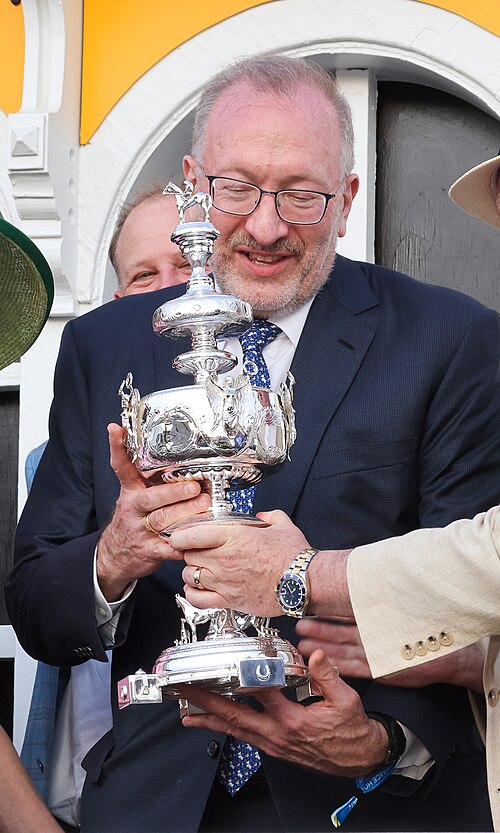 Seth Klarmanrecommends 2 books here
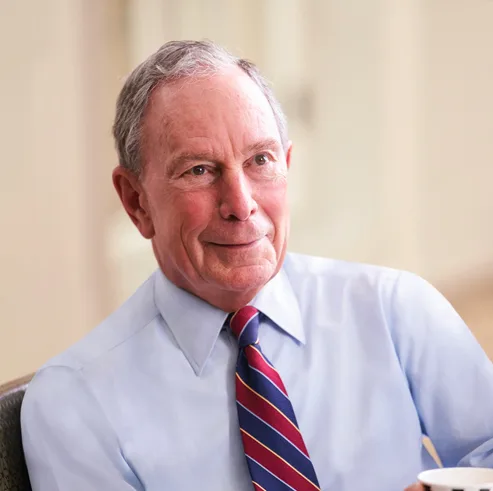 Michael Bloombergrecommends 2 books here
 Michelle Obamarecommends 2 books here
 Michael Mauboussinrecommends 1 book here
 Kevin Kellyrecommends 1 book here
 Morgan Houselrecommends 1 book here
 Alfred Linrecommends 1 book here
 Antonio García Martínezrecommends 1 book here
 Brett Adcockrecommends 1 book here
 Casey Neistatrecommends 1 book here
 Cristina Cordovarecommends 1 book here
 Cynthia Johnsonrecommends 1 book here
 David Sacksrecommends 1 book here
 Daymond Johnrecommends 1 book here
 Derek Siversrecommends 1 book here
 Diana Kimballrecommends 1 book here
 Ev Williamsrecommends 1 book here
 Ezra Kleinrecommends 1 book here
 Jason Calacanisrecommends 1 book here
 Justin Kanrecommends 1 book here
 Keith Raboisrecommends 1 book here
 Mark Zuckerbergrecommends 1 book here
 Rana el Kalioubyrecommends 1 book here
 Sheryl Sandbergrecommends 1 book here
 Stewart Butterfieldrecommends 1 book here
 Susan J. Fowlerrecommends 1 book here
 Terrance McArthurrecommends 1 book here
 Travis Kalanickrecommends 1 book here
 Trevor Ncuberecommends 1 book here
 Tucker Maxrecommends 1 book here
 Zoë Foster Blakerecommends 1 book here