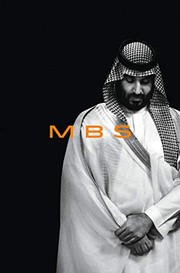
MBS
How Mohammed bin Salman consolidated power in Saudi Arabia.
The consolidation of power that now determines Saudi capital allocation.
Summary
Hubbard tells how Mohammed bin Salman, a little-known young prince from Saudi Arabia's large royal family, rose to overhaul the economy and society of the richest country in the Middle East and gather as much power as possible into his own hands. Since his father, King Salman, took the throne in 2015, the prince has restructured the kingdom's economy, loosened its strict Islamic social codes and confronted its regional enemies, above all Iran. That programme won him admirers at home, on Wall Street, in Silicon Valley, in Hollywood and at the White House, where President Trump embraced him.
Based on years of reporting and hundreds of interviews, Hubbard describes the kingdom's disastrous military intervention in Yemen, the detention of princes and businessmen in the Riyadh Ritz-Carlton, and Saudi Arabia's shifting relations with Israel and the United States. He examines the killing of the journalist Jamal Khashoggi by Saudi agents in Istanbul, which shook relations with Washington. The question running through the account is whether the prince is a reformer or a rising dictator whose inexperience and rash decisions are destabilising the region.
Key takeaways 4
- Mohammed bin Salman concentrated power rapidly after his father became king in 2015.
- His economic and social reforms won him support from investors and Western leaders.
- The war in Yemen and the Ritz-Carlton detentions showed the costs of his rash decisions.
- The killing of Jamal Khashoggi damaged Saudi Arabia's relationship with the United States.
Who should read it
Investors exposed to Saudi capital and the Gulf who want a reported account of how power was consolidated in the kingdom.
Similar books 6
Chosen by shared topics, the entries that hold them, and the people who recommended both.
Mohammed bin Salman's rise to power in Saudi Arabia and the decisions that followed.
Saudi Arabia's oil wealth, religious establishment and attempts at reform.
Saudi Arabia told through its oil business, from the 1930s concession to Aramco.

Saudi Arabia's first oil boom and the bargain that keeps the Al Saud in power.
Modern Saudi Arabia's history, and whether its system can change as Vision 2030 asks.
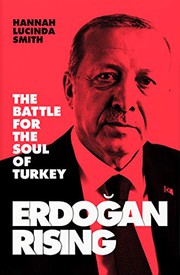
Erdogan's Turkey, its construction-and-credit growth model and who gained from it.