Updates

  1. 137 new fund letters and reports, each with its own page: Kayne Anderson Rudnick (48 market briefings, KayneCast episodes and TV commentaries), Shelton Capital Management (48 shareholder reports and a commentary), Lakehouse Capital (10 Small Companies Fund letters), Smead (5 newsletters), RIT Capital Partners (5 monthly commentaries), Kovitz, Legal & General, Generation, Hosking, Marram, Munro, Oldfield and others.
  2. 200 new fund letters and reports, each with its own page: Spheria (41 monthly reports), Peapack Private (41 weekly recaps and planning newsletters), Fort Washington (23), Polen Capital (15), Aristotle Pacific (14), Riverwater (13), Chou (10), Apollo Asia Fund (8, back to 1998), Personal Asset Trust, Rockwood Strategic, J Capital Research, I/O Fund, Penn Davis McFarland, Pomona and others.
  3. Investor pages have one Investments tab with shares, changes, % owned, class, market cap and Market cap and Status filters, a Funds tab listing each fund the firm runs, and assets under management from Form ADV. The Investors table shows AUM and current investments, and its search finds investors by what they hold.
  4. Filters, search and sort stay as you left them when you come back to a section. Person cards look like book cards. Company pages name their Investors tab Ownership. Kind and Sector filters use four kinds and GICS sectors with industries. Dead links left the Links tabs.
  5. 190 more investors from fiscal.ai's list, with their sites, letters, partners and 13F holdings; 556 more partner descriptions. Experts now lists only people.
  6. Fund letters lists 144 new documents from 23 firms, each with its own page: a summary, key insights and quotes. Among them: 37 BlackRock articles, 21 Value Partners monthly notes, eight Baron Capital letters, six Stone Sentinel letters to partners, seven Value Line portfolio manager Q&As, BNY's 2026 earnings releases and Starboard Value's 2026 conference presentations.
  7. 584 more investors, with their websites, 6,776 letters from their own sites, 1,385 partners with pages and the 13F holdings of 213 firms. New letters arrive daily from 290 more archives.
  8. Media and Companies filter by GICS sector and industry group, taken from the companies an episode or page names. 1,860 more company pages show a logo, the SEC's list included.
  9. The home page counts what the platform holds and lists features such as the document reader, the player and saved marks. Settings sits at the foot of the rail. Book cards are a quarter wider, so rows hold fewer. Companies drops the Named in filter, and the Role list in your account runs A to Z.
  10. Investor pages of 13 firms show their newsroom's latest posts. New 13F filings are read as the SEC publishes them.
  11. Investor pages have an Investments tab: 13,975 holdings for 105 investors, from their 13F filings with the SEC and their own portfolio pages, with status and sector. 7,338 more companies have a page of their own.
  12. A podcast or YouTube episode keeps playing while you move around the site, in a bar with skip, speed and volume. Media tables show each episode's length and description.
  13. Press releases come from each company's own newsroom (167 companies); SEC filings sit on the Filings tab. Tickers name their exchange, and a company's Experts tab includes guests whose episode description names it.
  14. Letter types now include Market commentary, Fact sheet, Interim report, Annual report, Proxy circular and Governance document. The reader opens over the whole window.
  15. Partners of investment firms have 2,836 appearances and 580 pieces of writing on their pages; Derek Sivers's page lists every book he rates, with his rating.
  16. Fund letters lists three Akre Focus shareholder reports: the ETF's annual report for the year to July 2026, its semi-annual report to January 2026 and the fund's semi-annual report to January 2025, each with its own page: a summary, key insights and quotes.
  17. 837 partners of 73 investment firms now have their own pages, with title, description, photograph and social accounts; Andreessen Horowitz partners' pages also list their writing on a16z.com.
  18. Company pages have a Press releases tab: 8,229 releases for 203 companies, from SEC filings and company newsrooms. Companies filter by For-profit or Non-profit. Own media is a table with filters. Media filters by sector and industry. Publication pages link their publisher in the description.
  19. The Unilever page's Letters tab shows what each fund letter says about Unilever, word for word with its page, and whether the letter is bullish, bearish, mixed or neutral. Filter by sentiment, and see 10 letters at a time.
  20. 492 more fund letters and 3,183 more articles show the day they were published, read from each letter's first page or each article's own page.
  21. The PDF reader has a search box: type words to see every match in the document and step through them. About 540 letters that were web pages, among them Oakmark's commentaries, Bill Miller's letters and Howard Marks's memos, now open in the reader.
  22. Person pages: recommendations open with tier 1 books; one button per organisation; transcripts sit on their episodes; the books on 129 reading lists joined the Recommends tabs.
  23. Companies lists every company with a ticker on the SEC's list, with a Source filter. A quote on a company page opens the letter at that page with the words marked. A company's Media tab lists only episodes that name it, and a new Own media tab lists its podcasts, publications and YouTube channel. Show pages link their publisher. A page opened from a table no longer shows that table's filters beside it.
  24. Company, investor and person pages show more of their social accounts: Facebook, TikTok, Bluesky, Medium, GitHub, Discord and podcast shows. Investor pages list every partner the firm's own team page names: 965 people across 73 investors, 98 for Andreessen Horowitz.
  25. About 170 more letters and papers open in the reader: Mohnish Pabrai's letters and transcripts from his site's new folder, and free copies of papers by Asness, Harvey, Altman, Lo and others from their own or their schools' sites.
  26. Every company a fund letter names has a page, with the letters and quotes that name it: 47 new pages, among them Atom Computing, Hugging Face, Rolls-Royce Holdings and Westinghouse Electric. Company pages have a Quotes tab.
  27. A person's Writing tab has a Type column and filter (Article, Essay, Transcript, Speech, Foreword, Interview and the rest), and Publication names only the publication that published each piece.
  28. Fund letters opens on the newest published letter, and a letter or paper found by search opens its own page here instead of the publisher's site.
  29. A letter or paper with a copy on the site opens its PDF over its page, with a button to open it in a new tab. Select text to highlight or underline it; signed-in readers keep their marks in their account. Each quote opens the PDF at its page with its words marked, and a Source link leads to the publisher's original.
  30. Fund letters lists 61 more documents, each with its own page: Fairfax's 2025 and 2026 interim reports, proxy circulars and 2025 annual report (with their French editions), 26 Charlie Munger meeting transcripts, talks and essays, Third Point's 2026 monthly reports and Malibu Life's interim results, and a Seth Klarman interview. Papers adds Richard Thaler's two 2020 editorials on nudges.
  31. Fund letters lists Lux Capital's letters for Q2 and Q3 2026, by Josh Wolfe, each with its own page: a summary, key insights and quotes.
  32. Fund letters lists Brookfield's letter to shareholders for Q3 2026, by Bruce Flatt, with its own page: a summary, key insights and quotes.
  33. Fund letters lists Howard Marks's memo of 11 November 2026, A Layman Thinks About AI, with its own page: a summary, key insights and quotes.
  34. Fund letters lists 118 more letters, each with its own page: 44 weekly commentaries by Jeremy Siegel from 2026, 31 issues of Van Tharp's newsletter from 2018, 23 Pabrai Investment Funds letters from 2021 to Q3 2026, 13 Efficient Frontier essays by William Bernstein, Oakmark's three 3Q 2026 commentaries, two Lindsell Train reports, a John Hussman comment and Third Point's Q3 2026 letter.
  35. 2,027 more books carry a one-line description in the Books table and on their pages; 7,067 of 7,715 have one, every tier 1, 2 and 3 book among them.
  36. Fund letters lists 187 more letters from 19 firms, among them Permanent Equity, Social Capital, Lux Capital, Square Peg, Bestinver, Cobas, Sequoia Fund, Marketfield and EquityCompass; each shows on its investor's page and has a page of its own.
  37. 2,928 more books carry a one-line description in the Books table and on their pages, so every tier 1, 2 and 3 book has one; 5,040 in all.
  38. Every publication on Newsletters has its own page: its writing, its writers, its staff and who recommends it. Investor pages have a Management tab; a company's Experts tab now leaves out its own people, who list under Management. Tabs on a phone move sideways only.
  39. Every fund letter and research paper has its own page: the thesis, the PDF, the companies and books it names, and for 176 letters and 24 papers so far a summary, key insights and quotes with their page.
  40. 99 books that no page listed now sit under their topics in Books, among them Caste, American Prometheus and Pale Blue Dot.
  41. Newsletters lists every newspaper, magazine, investment newsletter, journal and blog the reference holds, 442 in all, with the people who write there. The search box keeps your last 20 searches. You can create an account.
  42. 283 books that fund managers recommend in their letters are on the shelf, each with the letter's own words and page; investor pages have a Recommends tab.
  43. Person, company, investor and show pages link their own accounts on X, Threads, Instagram, LinkedIn, YouTube and Substack: 275 people, 552 companies and organisations, 88 investors and 478 shows.
  44. 716 more book recommendations name their source: the person's own reading list, letter, blog post, speech or interview, or an article that reports it. 232 of them quote the person's own words about the book, on the book card and on the book's page.
  45. Every US-listed company has a page with its SEC filings. Company pages list their experts and their management, past and present. Fund managers sit under Investors. Each show has a page of its episodes, and an episode page names its guests and hosts. Biographies lists groups, then people. Breadcrumbs show where a page sits.
  46. Media lists every podcast episode, video, interview and talk, over 10,000, by person, company, publisher and event; each filter searches its own choices. Books opens on its table, then Browse, then Authors and Recommenders. A filter's count no longer covers its arrow.
  47. A book that no company, country or subject page lists shows its topics under Where it sits in the reference. On a phone, a page's tabs scroll sideways only. Descriptions read the same on every page. See them in the Experts tab lists every expert the page names.
  48. Every podcast episode, video and interview has its own page with a video or audio player and a link to the source. Investor pages show each company's sector and market cap; firms such as Berkshire Hathaway have one page that holds their letters and their company tabs. Letters tabs filter by company and search the theses. Companies filter by Public, Private and Defunct and link each company's website.
  49. Every tab, view and search has its own address, such as /books/table/asset or /letters/companies, so Back works and a link opens the same place. Page addresses no longer end in .html. Fund letters, Investors, Companies and Papers load about a fifth of the data they did.
  50. Fund letters has a Companies tab: every company the letters name, with its market cap, sector, country, and how many letters and investors name it. Investor pages link each investor's website. Lists in table cells end with “… and N more” at every width.
  51. 1,120 more book summaries; descriptions for 373 papers; pages for 137 more companies, each with the fund letters that discuss it; 215 official photographs; search has its own page.
  52. 411 more books have a summary; person pages list 930 more of the books they wrote; 147 people show their official photograph.
  53. Every investor has a page with its letters and the companies they discuss; company pages list the investors whose letters name them.
  54. A Companies section at the top of the rail lists every company the books, experts and fund letters name.
  55. Person pages list letters, writing, profiles and links as sortable tables with filters, and show each person's companies as links; Fund letters show each letter's description in its own column.
  56. Experts show a checked job title and a short description of each person; 30 more people have photographs.
  57. Every company, fund, university and publication the experts work for has a page listing the people there.
  58. Fund letters show each letter's thesis and filter by it; 225 person pages list the essays, columns and newsletter issues the person wrote.
  59. Person pages list every essay and newsletter issue a person wrote, and their own books as a table in List view.
  60. Recommends shows the five largest kinds of book and the rest under More; browse pictures load sooner.
  61. Podcasts and talks link the original episode, filter by Audio and video or Press, and list each publisher once.
  62. Pages are wider, Recommends has List and Grid, and a filter clicked again turns off.
  63. Book cards sit in a ruled grid with Open Library and Goodreads links and each book's one-line note.
  64. Funds is now Investors; each investor's styles are buttons that filter the table.
  65. Podcasts and talks on a person's page filter by year and publisher and show as a list or a grid of pictures.
  66. Quotes show only people's own words: 472 summaries written by list sites are gone.
  67. Country pages open from Browse again, and every link on the shelf lands on a page.
  68. Subject and person pages show their sections as tabs, and each book appears once on a person's page.
  69. Book cards show the quote, who said it and the source; grids show five cards to a row.
  70. On a phone, a menu holds the sections, search, Updates, Feedback and dark mode.
  71. Feedback takes a screenshot of the page with no browser prompt, opens a screenshot full size when you click it, and clears itself once sent.
  72. Book cards are centred, search names the topic each book sits in, and any text cut short shows whole on hover.
  73. Search groups its results by kind: people, companies, geographies, subjects, topics, books, funds, fund letters and papers.
  74. The Books table lists who recommended each book by name, and the browser tab names the section you are in.
  75. Feedback can take a screenshot of the page, or one you paste or choose, and opens in the corner beside Updates.
  76. Each rail button reopens its section where you left it, and Browse, Table and People show on every book and subject page.
  77. Filters grey out choices that hold nothing instead of hiding them, and Books › People filters by authors or recommenders.
  78. Feedback takes a subject line and up to three screenshots.
  79. Biographies are grouped by the person they are about: 41 new pages, from Abraham Lincoln to Lee Kuan Yew.
  80. Sport splits into 23 sports, and Religion into one topic per faith.
  81. Book lists show as cards: the cover, one recommendation quote and every recommender by name.
  82. Seventeen subjects that had two or three pages under different names now have one page each.
  83. Every page lists its Experts as authors and recommenders, with a link to them on the Experts tab.
  84. Economics, Financial history, Financial panics and Accounting are subjects of their own, with one page per financial crisis.
  85. Book, person and subject pages open inside the app, so the tabs stay in view.
  86. 996 more book covers, and photographs or logos for 227 more people and companies.
  87. Books › Browse shows every subject as cards, and the rail holds Fund letters, Papers, Experts, Books and Funds.
  88. Every topic over 150 books splits into narrower topics, each with a page of its own.

Send feedback

What is it?
Screenshots, up to 3 (optional)
or paste one with Ctrl+V

We use your email only to reply to you.

IT

Investors, Traders and Gamblers

Lives, memoirs and interview collections of investors, fund managers, speculators and professional gamblers, including Buffett, Munger, Graham, Soros, Templeton and Livermore.

Parts››››››››

Start here

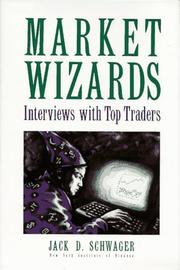
  1. Market Wizards: Interviews with Top TradersJack D. Schwager, 1989
  2. Buffett: The Making of an American CapitalistRoger Lowenstein, 1995
  3. A Man for All MarketsEdward O. Thorp, 2017
  4. The Man Who Solved the MarketGregory Zuckerman, 2019
  5. The Money MastersJohn Train, 1980
Jack D. Schwager · 1989

Interviews with traders such as Kovner, Dennis and Tudor Jones on their methods.

“In 1992, shortly after we had started the Oakmark Fund, I read Schwager’s first book, Market Wizards.” — Bill Nygren

Source: Bill Nygren Market Commentary | 2Q12

Recommended by: Bill Nygren, Mohnish Pabrai, Howard Marks
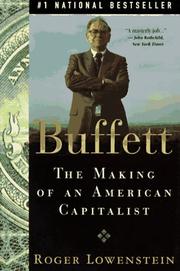
Roger Lowenstein · 1995

Buffett's life from Omaha and Graham's class to building Berkshire Hathaway.

“…books I've recommended, highlighted to death, or forced on friends.” — Andrew Wilkinson

Source: Andrew Wilkinson's Bookshelf, neverenough.com

Recommended by: Andrew Wilkinson, Bill Miller and 14 others
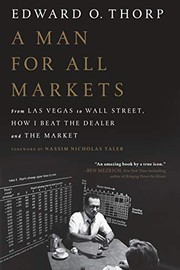
Edward O. Thorp · 2017

From beating blackjack with maths to pricing warrants and running a hedge fund.
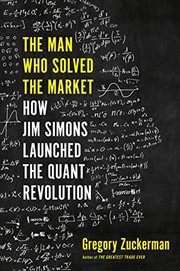
Gregory Zuckerman · 2019

How Jim Simons's Renaissance used maths and data to earn the best returns on record.

“Gregory Zuckerman, The Man Who Solved the Market: How Jim Simons Launched the Quant Revolution (New York: Portfolio/Penguin, 2019), 108” — Michael Mauboussin

Source: Dispersion & Alpha Conversion: How Dispersion Creates the Opportunity to Express Skill, page 13

Recommended by: Andrew Wilkinson, Michael Mauboussin and 2 others
John Train · 1980

The methods of nine great investors, including Buffett, Graham, Fisher and Templeton.

“all these people really were helpful in forming and getting me involved in investing” — Joel Greenblatt

Source: Masters in Business transcript: Joel Greenblatt (2018)

Recommended by: Joel Greenblatt, Mohnish Pabrai and 1 other
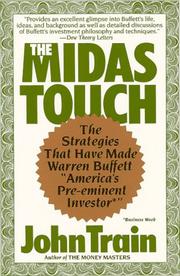
John Train · 1987

An early account of Buffett's investing method, from 1987.

Recommended by: Mohnish Pabrai
Robert G. Hagstrom · 1994

Buffett's method as tests of the business, its managers, its finances and price.

“Tim, there's a book out called The Warren Buffett Way, and I was asked to write the foreword for the latest edition” — Howard Marks

Source: The Tim Ferriss Show Transcripts: Howard Marks (#338)

Recommended by: Howard Marks, Mohnish Pabrai, Bill Ackman and 1 other
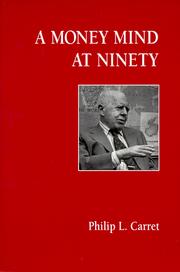
Philip L. Carret, Philip Carret · 1995

A fund manager of sixty years on investing, business and a long life.

Recommended by: Mohnish Pabrai
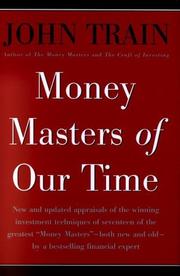
John Train · 2000

Profiles of exceptional investors: their backgrounds, methods and records.

Recommended by: Joel Greenblatt, Li Lu
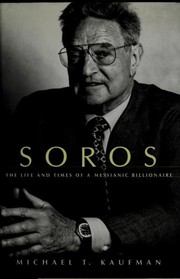
Michael T. Kaufman · 2002

George Soros's life from wartime Europe to finance and philanthropy.

“Michael T. Kaufman, Soros: The Life and Times of a Messianic Billionaire (New York: Knopf, 2002), 141” — Michael Mauboussin

Source: A Process for Outperformance: Thoughts on Organizing for Investing Success, page 4

Recommended by: Michael Mauboussin, Mohnish Pabrai
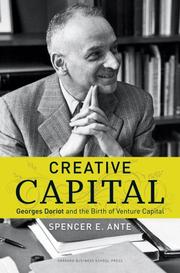
Spencer E. Ante · 2008

Georges Doriot, who showed that investing in small, risky firms could pay.

“For a biography of Georges Doriot, see Spencer E. Ante, Creative Capital: Georges Doriot and the Birth of Venture Capital (Boston, MA: Harvard Business Press, 2008)” — Michael Mauboussin

Source: Public to Private Equity in the United States: A Long-Term Look, page 63

Recommended by: Michael Mauboussin, Patrick Collison
David Carey, John E. Morris · 2010

Blackstone from its 1985 founding through its 2007 public offering and the crisis.

“King of Capital was a really useful book to read on a number of levels.” — Brad Feld

Source: Book: King of Capital — Feld Thoughts

Recommended by: Brad Feld, Michael Mauboussin and 1 other
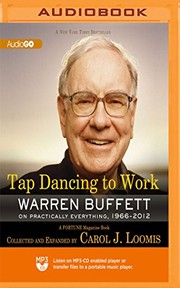
Carol J. Loomis · 2012

Fortune's articles by and about Buffett from 1966 to 2012, with commentary.

“I hope many people, even those who think they know Warren well, will read it cover to cover.” — Bill Gates

Source: Gates Notes review of Tap Dancing to Work

Recommended by: Bill Gates, Guy Spier, Mohnish Pabrai and 2 others
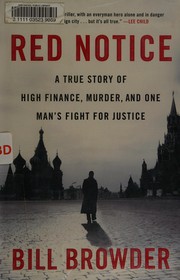
Bill Browder · 2015

An investor in Russia is expelled, his firms seized, and his lawyer Magnitsky dies.

“Bill Browder’s Red Notice: A True Story of High Finance, Murder, and One Man’s Fight for Justice is one of the best books I’ve read this year.” — Brad Feld

Source: Book: Red Notice: A True Story of High Finance, Murder, and One Man’s Fight for Justice — Feld Thoughts

Recommended by: Brad Feld, Christopher Bloomstran and 7 others

Mary Childs · 2022

Bill Gross and how he built PIMCO into the largest bond manager, until 2014.

Recommended by: Andrew Wilkinson
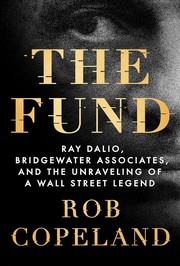
Rob Copeland · 2023

An investigation of Bridgewater that contradicts the firm's public image.

Recommended by: Andrew Wilkinson
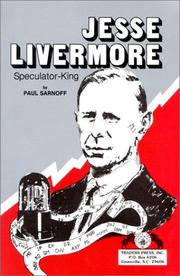
Paul Sarnoff · 1967

An early outside biography of the speculator Jesse Livermore.
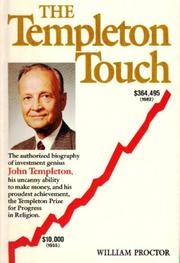
William Proctor · 1983

John Templeton's method: buying around the world at maximum pessimism.

Recommended by: Mohnish Pabrai, Peter Cundill
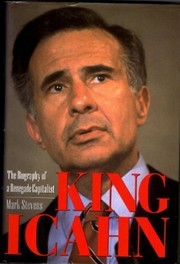
Mark Stevens · 1993

Carl Icahn's career deal by deal, from options arbitrage to corporate raids.
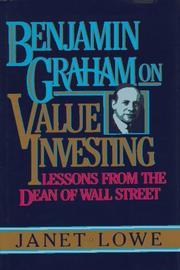
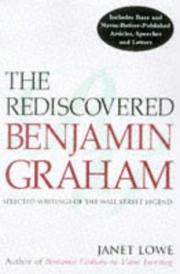
Janet Lowe · 1994

Benjamin Graham's life and investment method, from interviews with his circle.

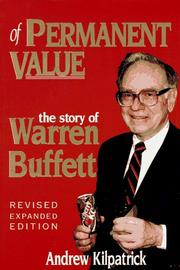
Andrew Kilpatrick · 1994

A large and growing compendium of material on Warren Buffett's life and work.

“I found a quote from Andrew Kilpatrick’s “Of Permanent Value” with which to mark that occasion, and Shel and I agree it’s a pretty good formula for a successful partnership.” — Howard Marks

Source: The Most Important Thing, page 12

Recommended by: Howard Marks, Mohnish Pabrai, Li Lu
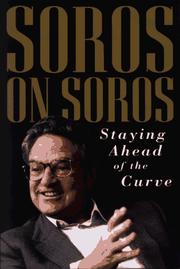
George Soros · 1995

Long interviews on his life, his investing philosophy and his political views.

“George Soros, Soros on Soros (New York: John Wiley & Sons, 1995), 17” — Michael Mauboussin

Source: A Tail of Two Worlds: Fat Tails and Investing, page 4

Recommended by: Michael Mauboussin, Li Lu
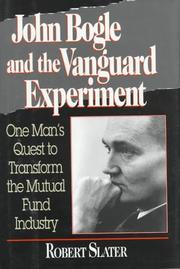
Robert Slater · 1996

John Bogle and Vanguard, written when index funds were still a minority of assets.
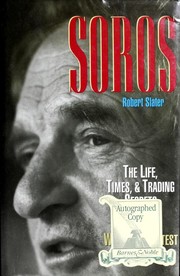
Robert Slater · 1996

George Soros's investment philosophy and methods, told without his help.

Recommended by: Mohnish Pabrai
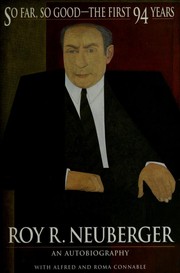
Roy R. Neuberger · 1997

Seven decades on Wall Street, from just before the crash to founding a fund firm.

Recommended by: Francois Rochon, Jim Rogers
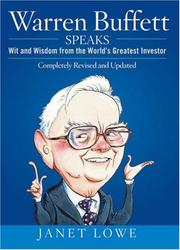
Janet Lowe · 1997

Quotations from Buffett's letters, meetings and interviews, arranged by subject.

Recommended by: Mohnish Pabrai
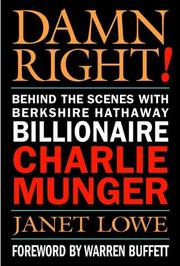
Janet Lowe · 2000

The life of Charlie Munger, from Omaha and Harvard Law to Berkshire Hathaway.

“The two I'd recommend that I thoroughly enjoyed are Damn Right: Behind the Scenes with Berkshire Hathaway Billionaire Charlie Munger by Janet Lowe” — Christopher Bloomstran

Source: Semper Augustus 2023 Letter to Clients, 'Worldly Wisdom', p. 81

Recommended by: Christopher Bloomstran, John C. Bogle and 3 others
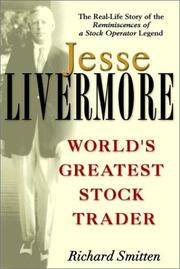
Richard Smitten · 2001

The life of the trader Jesse Livermore, drawn from family sources.
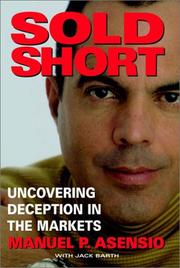
Manuel P. Asensio, Jack Barth · 2001

A short seller's campaigns against companies he publicly accused of fraud.
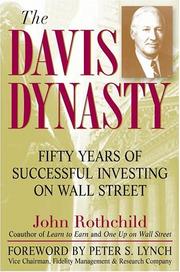
John Rothchild · 2001

Three generations of Davises, who built a fortune from insurance stocks.

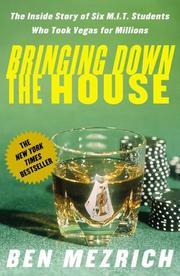
Ben Mezrich · 2002

How the MIT blackjack team used card counting and team play to beat Las Vegas.

“Recently the profitable use of card counting was chronicled in the enjoyable book “Bringing Down the House.” — Howard Marks

Source: A Case in Point, page 1

Recommended by: Howard Marks, Mohnish Pabrai
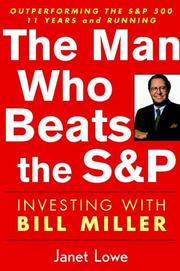
Janet Lowe · 2002

Bill Miller's value investing during his long run of beating the S&P 500.

Recommended by: Mohnish Pabrai
Daniel A. Strachman · 2004

Julian Robertson and Tiger Management, the firm that set the long-short template.

Recommended by: Mohnish Pabrai
Charles R. Morris · 2009

Three men who saw the risks building in the financial system before the crash.

Recommended by: Mohnish Pabrai
Chuck Sudetic · 2011

George Soros's Open Society foundations and what they funded.
Christopher Risso-Gill · 2011

Peter Cundill's deep-value investing, drawn from his own journals.

Recommended by: Mohnish Pabrai
Maneet Ahuja · 2012

Profiles of the hedge fund managers who ran their strategies at scale after 2008.
Joe Carlen · 2012

The life and financial wisdom of Benjamin Graham, an introduction to his ideas.

“Joe Carlen’s “The Einstein of Money” is an exceptional biography of Warren Buffett’s mentor.” — Francois Rochon

Source: Giverny Capital Annual Letter to Partners 2012, page 8

Recommended by: Francois Rochon, Mohnish Pabrai
Whitney Tilson, John Heins · 2013

Quotations from dozens of value investors, arranged by topic.

Recommended by: Mohnish Pabrai
Guy Spier · 2014

One investor's change from a brokerage job to value investing, after Buffett.

“…books I've recommended, highlighted to death, or forced on friends.” — Andrew Wilkinson

Source: Andrew Wilkinson's Bookshelf, neverenough.com

Recommended by: Andrew Wilkinson, Christopher Bloomstran and 1 other
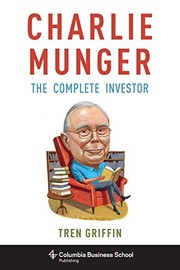
Tren Griffin · 2015

Charlie Munger's stated views, arranged as a system of value investing.

“…books I've recommended, highlighted to death, or forced on friends.” — Andrew Wilkinson

Source: Andrew Wilkinson's Bookshelf, neverenough.com

Recommended by: Andrew Wilkinson, Christopher Bloomstran and 8 others

Jeremy C. Miller · 2016

The rules and results of Buffett's early partnership, from his letters to partners.

Julian Guthrie · 2019

Four women who became venture capitalists in male-dominated Silicon Valley.

Recommended by: Melinda Gates, Reid Hoffman

Cornelius C. Bond · 2019

T. Rowe Price, his firm and the growth investing he named, from his own papers.
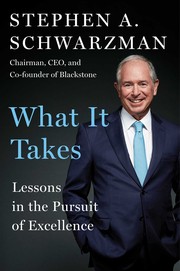
Stephen A. Schwarzman · 2019

Blackstone's co-founder on his career and on building the firm.
Edwin Lefevre · 1925

A novel of a stockbroker's career, based on a real broker's life.

Irving Kahn, Robert D. Milne · 1977

A short biography of Benjamin Graham by a student and colleague.

George Soros · 1991

A financier's work to encourage free enterprise and democracy in Eastern Europe.
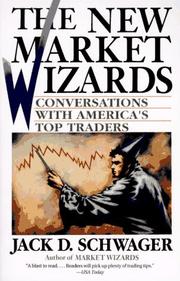
Jack D. Schwager · 1992

Interviews in which successful traders explain the strategies behind their results.

Recommended by: Mohnish Pabrai

Jim Rogers · 1994

An investor's view of the world from a 52-country motorcycle journey.

“Some of the other good reads this summer included Investment Biker and Adventure Capitalist (both by Jim Rogers).” — Mohnish Pabrai

Source: Pabrai Investment Funds letter to partners (101103), page 6

Recommended by: Mohnish Pabrai
Jim Paul · 1994

The psychology of losing money in speculation, from a trader who lost a million.

Recommended by: Nat Eliason, Tim Ferriss
Benjamin Graham · 1996

The memoirs of the investor who laid the foundation of security analysis.

“Those whose appetites have been whetted can proceed to The Intelligent Investor (Harper and Row) by Benjamin Graham.” — William J. Bernstein

Source: Efficient Frontier, issue 996 (1996)

Recommended by: Guy Spier, Jason Zweig, Mohnish Pabrai and 8 others
Peter J.Tanous · 1997

Interviews with leading investment managers and the academics behind them.

Recommended by: Mohnish Pabrai
Andrew Tobias · 1997

A money writer's adventures, from Russian anti-smoking ads to unseen Miami property.

Recommended by: Mohnish Pabrai
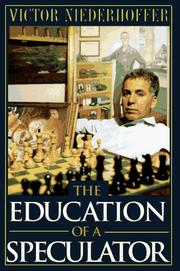
Victor Niederhoffer · 1997

Life as speculation, with lessons on markets, games, careers and relationships.

“Victor Niederhoffer, The Education of a Speculator (New York: John Wiley & Sons, 1997), ix” — Michael Mauboussin

Source: A Tail of Two Worlds: Fat Tails and Investing, page 4

Recommended by: Michael Mauboussin, Mohnish Pabrai
Siimon Reynolds · 1998

A collection of Warren Buffett's wittiest, wisest and most quotable remarks.

Recommended by: Mohnish Pabrai
John Neff, S. L. Mintz · 1999

The value approach of Vanguard's Windsor fund over 31 years: cheap, unloved stocks.

Recommended by: Mohnish Pabrai
Jay Steele · 1999

Warren Buffett's investing, in his own words.

Recommended by: Mohnish Pabrai

Robert Heller · 2000

Warren Buffett's key investment strategies, set out as a series of masterclasses.

Recommended by: Mohnish Pabrai
Jonathan Burton · 2000

Nobel laureates and financial thinkers on how investors can do well.

Recommended by: Mohnish Pabrai
Nikki Ross · 2000

Investing lessons from the lives of great financiers and investors.

Recommended by: Mohnish Pabrai
Michael Steinhardt · 2001

The life of a hedge fund manager with one of the century's best records.

“Michael Steinhardt, No Bull: My Life In and Out of Markets (New York: John Wiley & Sons, 2001), 129” — Michael Mauboussin

Source: Contrarian Investing: The Psychology of Going Against the Crowd, page 6

Recommended by: Michael Mauboussin, Mohnish Pabrai and 1 other
Lois Peltz · 2001

Profiles of the hedge fund managers who rose above thousands of others in a decade.

Recommended by: Mohnish Pabrai
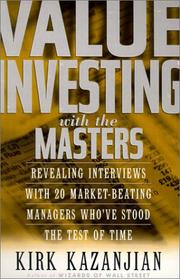
Peter J.Tanous · 2003

Interviews with technology-sector investors and founders on how they succeed.

Recommended by: Mohnish Pabrai
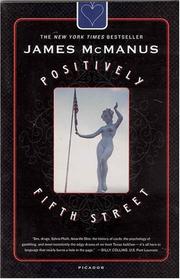
James McManus · 2003

A poker player covers the murder of Ted Binion and plays the World Series of Poker.

“The first, on baseball, is Moneyball: The Art of Winning an Unfair Game by Michael Lewis and the second, on poker, is Positively Fifth Street: Murderers, Cheetahs, and Binion's World Series of Poker by James McManus.” — Mohnish Pabrai

Source: Pabrai Investment Funds letter to partners (101103), page 6

Recommended by: Mohnish Pabrai
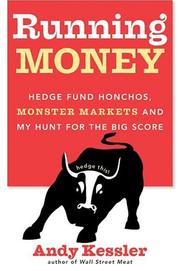
Robert P. Miles · 2004

Warren Buffett's strategies and methods, followed from the start of his career.

Recommended by: Mohnish Pabrai
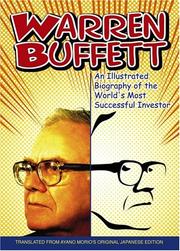
Nolan Dalla · 2005

The rise and fall of Stuey "The Kid" Ungar, called the greatest poker player.

Recommended by: Jason Calacanis
Warren Buffett · 2008

Lecture transcripts on the keys to investment success and to leading a happy life.

Recommended by: Mohnish Pabrai
Bob Thompson · 2008

Interviews with twelve of Canada's top money managers on how they pick stocks.

Recommended by: Mohnish Pabrai
Katherine Burton · 2010

Top hedge fund managers on their methods and the new managers they pick out.

Recommended by: Mohnish Pabrai
Alasdair Nairn, Jonathan Davis · 2012

The strategies and philosophy of the fund manager John Templeton.

Recommended by: Mohnish Pabrai
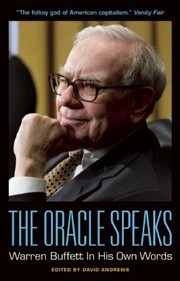
David Andrews · 2012

Warren Buffett's own words on business, success and politics.

Recommended by: Mohnish Pabrai
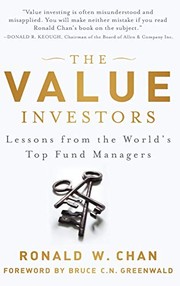
Ronald Chan · 2012

Profiles of value fund managers around the world and their lessons.

Recommended by: Mohnish Pabrai
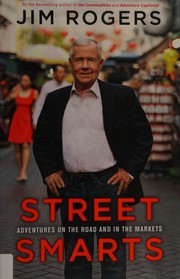
Jim Rogers · 2013

An investor's lessons from a lifetime in markets and travels around the world.

Recommended by: Mohnish Pabrai

Christopher Risso-Gill · 2014

The life of Peter Cundill, the Canadian value investor and philanthropist.

Recommended by: Mohnish Pabrai
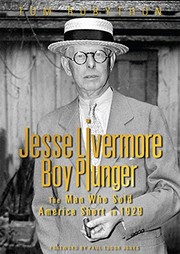
Tom Rubython · 2015

A popular biography of Jesse Livermore, the stock speculator.
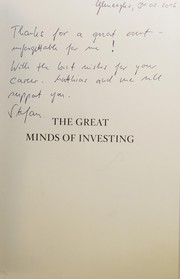
William Green, Michael O'Brien · 2015

Thirty-three profiles of great investors.

Recommended by: Guy Spier

Robin R Speziale · 2016

Interviews with 28 Canadian investors on how they pick investments.

Recommended by: Mohnish Pabrai

Nathaniel Eliason · 2024

A writer's year of making and losing millions in crypto, hacks and NFTs included.

Recommended by: The Barefoot Investor

More books