Draft No. 4
Guidance on structure, diction and tone in writing nonfiction, from his own work.
Who recommended it 2 · 2 direct
“There's no consensus whatsoever because - then there are folks - I mean, people are probably long-time listeners sick of hearing me mention this name, but John McPhee and you read Draft No. 4, and he has the structure anatomically decided to such a level of precision that it is almost unbelievable -”
Similar books 6
Chosen by shared topics, the entries that hold them, and the people who recommended both.
Writing advice focused on the fears and habits that stop people writing.
“So many people love this book, but it just wasn't my style. Aiming to be funny and describing a crazy mindset, but I couldn't relate to either. Mostly about writing novels.” — Derek Sivers
Source: Derek Sivers book notes (primary, rated list) · Rating: 1/10
Recommended by: Derek Sivers, Jim Collins, Nat Eliason and 10 others
A manual for non-fiction: clear writing comes from clear thinking.
“Great blunt advice about writing better non-fiction. So inspiring.” — Derek Sivers
Source: Book notes by Derek Sivers
Recommended by: Derek Sivers, Jim Collins, Matt Mullenweg and 3 others
A rhetoric for writers: diction, syntax, tone, meaning, composition and revision.
Recommended by: Tim Ferriss
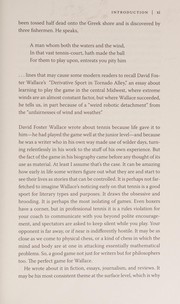
Five essays on tennis, its greatest players and the writer's own junior career.
“String Theory: David Foster Wallace on Tennis was the second book I read today (the first was Dark Matter by Blake Crouch – more on that in another post) and it was delightful.” — Brad Feld
Source: Book: String Theory: David Foster Wallace on Tennis — Feld Thoughts
Recommended by: Bill Gates, Brad Feld
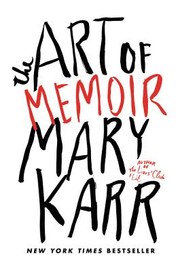
The key elements of literary memoir: memory, identity and reflecting on the past.
Recommended by: Andrew Wilkinson, Tim Ferriss