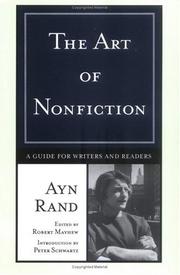
The Art of Nonfiction
Sixteen lectures on writing nonfiction as a skill that can be learned.
Summary
Ayn Rand gave sixteen informal lectures on writing nonfiction to a select audience in the late 1960s; this 2001 book prints edited transcripts of them for the first time. Her starting point is that writing good nonfiction is a skill that can be learned like any other.
Rand takes the reader through the writing process step by step, from choosing a subject to polishing a draft and developing a personal style, for writers of theoretical works and of journalism alike. A large part of the lectures deals with the psychological side of writing, in particular the different roles of the conscious and the unconscious mind. Along the way she discusses art and creation more broadly, so the transcripts serve both as a writing manual and as a statement of her views on creative work.
Key takeaways 4
- Nonfiction writing is a learnable skill, not a gift.
- Choosing the subject is the first step of the process.
- The conscious and subconscious minds play different roles in writing.
- Style can be developed deliberately, through practice and revision.
Who should read it
Aspiring essayists and nonfiction writers, and readers interested in Ayn Rand's method.
Who recommended it 1
Similar books 6
Chosen by shared topics, the entries that hold them, and the people who recommended both.
Writing advice focused on the fears and habits that stop people writing.
“So many people love this book, but it just wasn't my style. Aiming to be funny and describing a crazy mindset, but I couldn't relate to either. Mostly about writing novels.” — Derek Sivers
Source: Derek Sivers book notes (primary, rated list) · Rating: 1/10
Recommended by: Derek Sivers, Jim Collins, Nat Eliason and 10 others
Guidance on structure, diction and tone in writing nonfiction, from his own work.
“After reading Draft No. 4, I envy writers with excellent editors.” — Brad Feld
Source: Book: Draft No. 4: On the Writing Process — Feld Thoughts
Recommended by: Brad Feld, Tim Ferriss
A manual for non-fiction: clear writing comes from clear thinking.
“Great blunt advice about writing better non-fiction. So inspiring.” — Derek Sivers
Source: Book notes by Derek Sivers
Recommended by: Derek Sivers, Jim Collins, Matt Mullenweg and 3 others
A rhetoric for writers: diction, syntax, tone, meaning, composition and revision.
Recommended by: Tim Ferriss
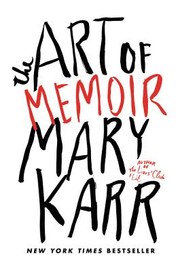
The key elements of literary memoir: memory, identity and reflecting on the past.
Recommended by: Andrew Wilkinson, Tim Ferriss