Stretching the School Dollar
How schools and districts can save money while still serving students well.
Summary
The reference has not verified this book in detail; the summary states only what the title, author and subject establish.
Frederick Hess and his co-editor Osberg present a collection on how American schools and districts can cut costs while raising student achievement. They argue that pressure on both fronts had never been greater, that cost-cutting was essential in an era of tight budgets, and that eliminating inefficient spending was the way to free money for school reform.
The volume brings together scholars, consultants, journalists and entrepreneurs who offer new views on school spending, an issue the editors say no school or district can afford to ignore. It appeared in 2010 as a volume in the Educational Innovations series. The source read here gives the argument and the range of contributors but not the specific proposals in each chapter.
Key takeaways 4
- Schools face pressure to spend less and achieve more at the same time.
- Eliminating inefficient spending frees money for reform.
- Cost-cutting can support rather than undermine student achievement.
- The volume gathers views from scholars, consultants, journalists and entrepreneurs.
Who should read it
School leaders and education policy makers looking for ways to spend more efficiently.
Who recommended it 1 · 1 direct
Similar books 6
Chosen by shared topics, the entries that hold them, and the people who recommended both.
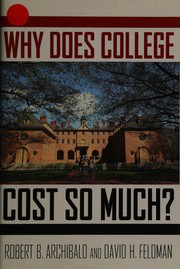
How American schools spend their money, and whether it reaches students fairly.
Recommended by: Bill Gates
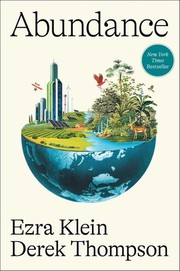
Why America lost the ability to build housing, energy and infrastructure.
Recommended by: Andrew Wilkinson, Bill Gates
The long-run dynamics of wealth and inequality, and why capital concentrates.
Recommended by: Bill Gates, Mohnish Pabrai, Peter Thiel and 1 other
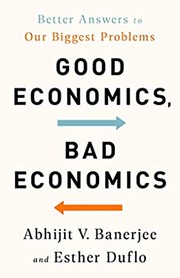
What recent economics research says about the problems facing modern economies.
Recommended by: Bill Gates
How overconsumption harms quality of life, work and family.
Recommended by: The Barefoot Investor