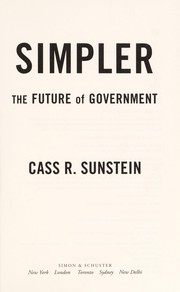
Simpler
How behavioural science can make government regulation simpler.
Summary
Cass Sunstein, co-author of Nudge, describes his nearly four years as administrator of the White House Office of Information and Regulatory Affairs under President Obama, the post that earned him the label "regulatory czar". He argues that government in that period became simpler and smarter, and that the changes, drawn from behavioural psychology and economics, saved billions of dollars and prevented thousands of deaths and many illnesses and accidents.
Much of the gain came from nudges: low-cost, modest policies that keep freedom of choice. Combined with disciplined cost-benefit analysis, they simplified government and made it more effective. Sunstein cites simplified mortgage and student-loan applications, labels on food and on fuel-efficient cars, financial reform and health care reform. He sets out principles that were changing government: open data, giving people and businesses the most relevant information, and making the better outcome the automatic one. Many rules were streamlined or eliminated, and open review of which rules work became normal. He draws on examples from Obama's first term and projects them forward.
Key takeaways 4
- Nudges change behaviour cheaply while keeping freedom of choice.
- Cost-benefit analysis disciplines which rules survive.
- Making the better option the default improves outcomes.
- Simpler disclosure helps people make decisions on mortgages, loans and food.
Who should read it
Readers interested in regulation, behavioural economics and how government works.
Who recommended it 1
Similar books 6
Chosen by shared topics, the entries that hold them, and the people who recommended both.
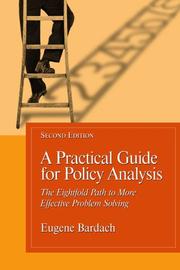
An eight-step method for doing policy analysis, with worked examples.
Recommended by: Patrick Collison
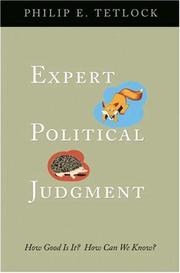
A 20-year test of 28,000 expert forecasts: foxes with many models beat hedgehogs.
“All pundits and commentators should publish their prediction track records, yet don't. What to pay attention to and what to ignore.” — Marc Andreessen
Source: @pmarca, 'Thread: Books I've recently read and recommend'
Recommended by: Marc Andreessen, Michael Mauboussin and 2 others
How judges actually decide cases in the American legal system.
Recommended by: Patrick Collison
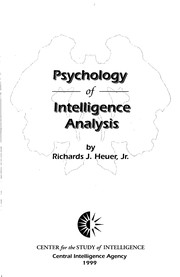
How cognitive limits shape the work of intelligence analysts.
Recommended by: Mohnish Pabrai
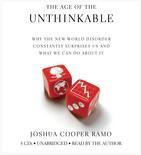
Why policies backfire in a networked world, drawing on complexity theory and history.
Recommended by: Mohnish Pabrai
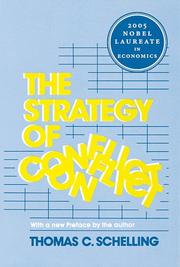
Conflict as bargaining: commitment, credible threats and focal points.
Recommended by: Naval Ravikant
Where it sits in the reference 1
Topics 3
As an Amazon Associate I earn from qualifying purchases.