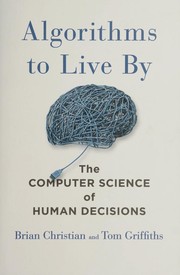
Algorithms to Live By: The Computer Science of Human Decisions
Computer science results such as optimal stopping, applied to everyday decisions.
Brian Christian and Tom Griffiths translate classical computer science results — optimal stopping, explore/exploit tradeoffs, scheduling — into guidance for human decisions. The 37% rule for when to stop searching and commit is the most cited single insight.
Who recommended it 4 · 1 direct
Similar books 6
Chosen by shared topics, the entries that hold them, and the people who recommended both.
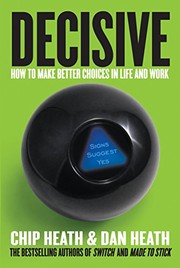
Four traps that ruin decisions, such as narrow framing, and a process to beat each.
“Interesting and insightful dive into the subject of how to make big decisions. Specific useful advice.” — Derek Sivers
Source: Derek Sivers book notes (primary, rated list) · Rating: 8/10
Recommended by: Andrew Wilkinson, Derek Sivers and 6 others
Tools and stories for making complex, long-range decisions.
Recommended by: Alfred Lin, Chris Dixon
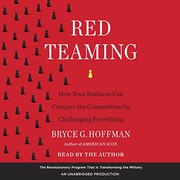
Red teaming, a contrarian method from the military, applied to business planning.
“For a good summary of techniques, see Bryce G. Hoffman, Red Teaming: How Your Business Can Conquer the Competition by Challenging Everything (New York: Crown Business, 2017)” — Michael Mauboussin
Source: BIN There, Done That: How to Reduce the Sources of Forecasting Error, page 15
Recommended by: Michael Mauboussin, Alfred Lin
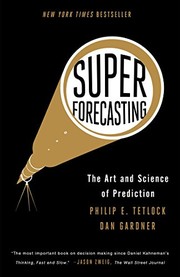
What a four-year forecasting tournament showed about the best forecasters' habits.
“In a book many in our research department have enjoyed, Superforecasting: The Art and Science of Prediction, Philip Tetlock and Dan Gardner state: “The humility required for good judgment is not self-doubt—the sense that you are untalented, unintelligent, or unworthy.” — Bill Nygren
Source: Bill Nygren Market Commentary | 1Q17
Recommended by: Bill Nygren, Mark Leonard and 11 others
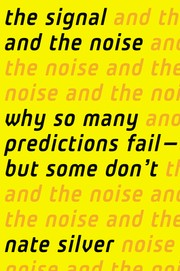
Why some forecasts succeed and most fail, from weather to earthquakes and economics.
“See Gigerenzer, Calculated Risks, 28-29. 14 For a book that treats this topic and more, see Annie Duke, Thinking in Bets: Making Smarter Decisions When You Don't Have All the Facts (New York: Portfolio/Penguin, 2018). 15 For a good discussion of Bayes’ Theorem, see Nate Silver, The Signal and the Noise: Why So Many Predictions Fail—But Some Don’t (New York, The Penguin Press, 2012), 232-261.” — Michael Mauboussin
Source: Confidence: Methods to Assess Confidence Under Uncertainty, page 7
Recommended by: Bill Gates, Michael Mauboussin and 2 others

Principles of observation, inference and avoiding error, from the Holmes stories.
Recommended by: Mohnish Pabrai, Patrick O'Shaughnessy and 1 other