 C
Podcast · 22 episodes in the reference, 2017 to 2026
Conversations with Tyler
Published by Mercatus Center at George Mason University
Host
Tyler CowenTyler CowenHolbert L. Harris Professor of Economics; chairman of the Mercatus CenterEconomist who has co-written the blog Marginal Revolution with Alex Tabarrok since 2003 and hosts the interview podcast Conversations with Tyler.
Episodes
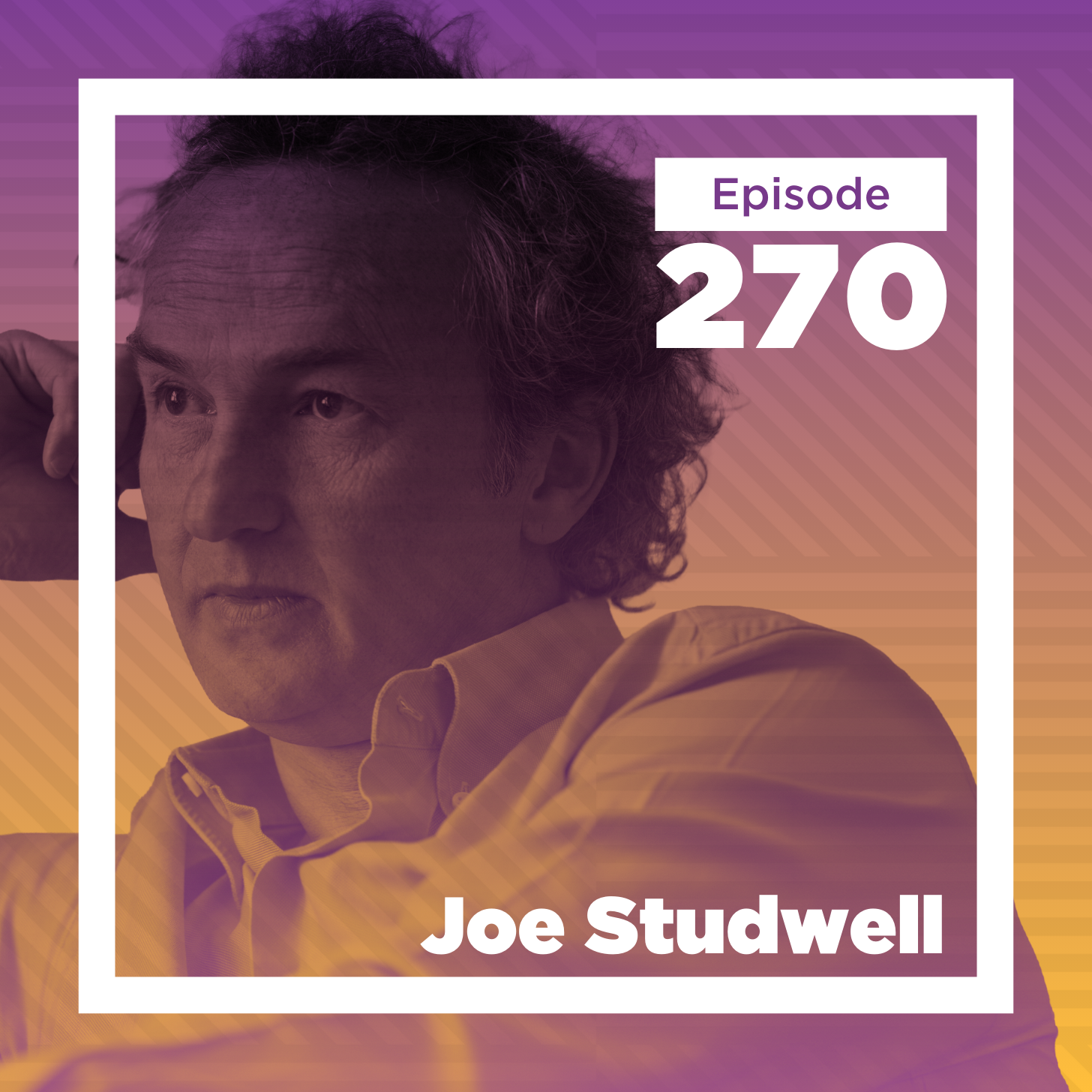 Joe Studwell on Africa, Asia, and What Development Actually Requires | Joe Studwell | 18 February 2026 | 53 min | When Tyler called Joe Studwell's How Asia Works "perhaps my favorite economics book of the year" back in 2013, he wasn't alone: it became one of the most influential treatments of industrial policy ever written. Now Studwell has turned his attention to Africa with How Africa Works . Tyler calls it excellent, extremely well-researched, and essential reading, but does Studwell's optimism about the continent hold up under scrutiny? Tyler and Joe explore whether population density actually solves development, which African countries are likely to achieve stable growth, whether Africa has a manufacturing future, why state infrastructure projects decay while farmer-led irrigation thrives, what progress looks like in education and public health, whether charter cities or special economic zones can work, and how permanent Africa's colonial borders really are. After testing Joe's optimism about Africa, Tyler shifts back to Asia: what Japan and South Korea will do about depopulation, why industrial policy worked in East Asia but failed in India and Brazil, what went wrong in Thailand, and what Joe will tackle next. Read a full transcript enhanced with helpful links, or watch the full vi deo on the new dedicated Conversations with Tyler channel. Recorded January 23rd, 2026 . |
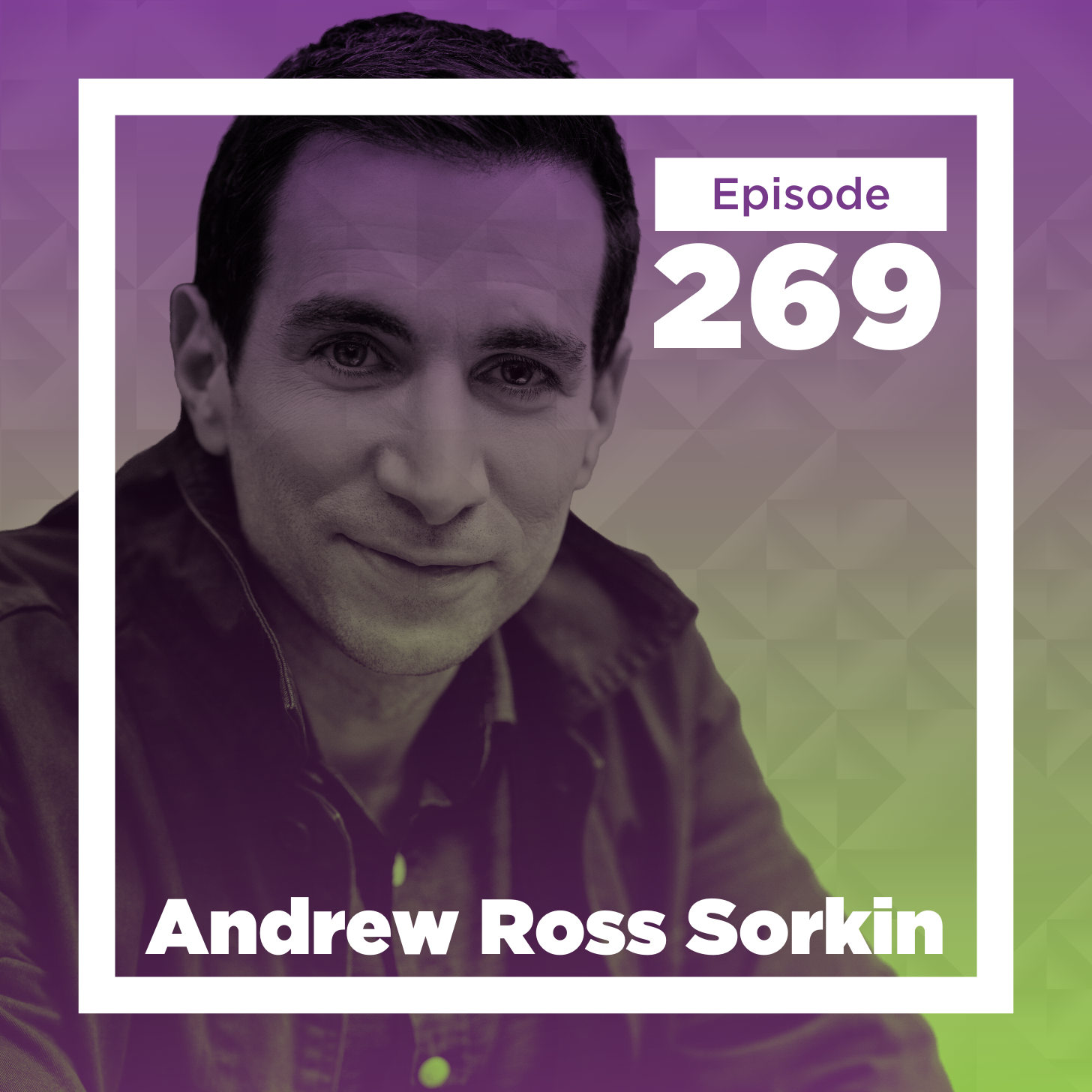 Andrew Ross Sorkin on Market Bubbles, Banking Rules, and the Real Lessons of 1929 | Andrew Ross Sorkin | 4 February 2026 | 56 min | Andrew Ross Sorkin sees the crash of 1929 as a tale of excessive leverage and irrational speculation, but Tyler wonders: maybe those sky-high 1929 prices were actually justified given America's remarkable century ahead. Maybe the real problem was the "Negative Nellies" who panicked afterward rather than the speculators everyone blamed. For that matter, isn't 2008 looking less and less like a bubble with each passing year? Tyler and Andrew debate whether those 1929 stock prices were justified, what Fed and policy choices might have prevented the Depression, whether Glass-Steagall was built on a flawed premises, what surprised Andrew most about the 1920s beyond the crash itself, how business leaders then would compare to today's CEOs, whether US banks should consolidate, how Andrew would reform US banking regulation, what to make of narrow banking proposals and stablecoins, whether retail investors should get access to private equity and venture capital, why sports gambling and new financial regulations won't make us much safer, how Andrew broke into the New York Times at age 18, how he manages his information diet, what he learned co-creating Billions, what he plans on learning about next, and more. Read a full transcript enhanced with helpful links, or watch the full vi deo on the new dedicated Conversations with Tyler channel. Recorded October 30th, 2025 . |
 John Arnold on Trading, Energy, and Evidence-Based Philanthropy | John Arnold | 4 June 2025 | 1:05 | John Arnold built his fortune in energy trading by surrounding himself with smart people, maintaining emotional detachment, sensing market imbalances through first-principles analysis, and focusing with laser intensity on a single niche until he dominated it completely. Now he's applying that same analytical rigor to philanthropy, where he's discovered that changing human behavior for the long term proves far more challenging than predicting natural gas prices, and that the academic research meant to guide social policy is often riddled with perverse incentives and poor methodology. Tyler and John discuss his shift from trading to philanthropy and more, including the specific traits that separate great traders from good ones, the tradeoffs of following an "inch wide, mile deep" trading philosophy, why he attended Vanderbilt, the talent culture at Enron, the growth in solar, the problem with Mexico's energy system, where Canada's energy exports will go, the hurdles to next-gen nuclear, how to fix America's tripartite energy grid, how we'll power new data centers, what's best about living in Houston, his approach to collecting art, why trading's easier than philanthropy, how he'd fix tax the US tax code and primary system, and what Arnold Ventures is focusing on next. Read a full transcript enhanced with helpful links, or watch the full video . Recorded April 28th, 2025 . Help keep the show ad free by donating today! |
 Chris Dixon on Blockchains, AI, and the Future of the Internet | Chris Dixon | 23 April 2025 | 1:03 | Chris Dixon believes we're at a pivotal inflection point in the internet's evolution. As a general partner at Andreessen Horowitz and author of Read Write Own , Chris believes the current internet, dominated by large platforms like YouTube and Spotify, has strayed far from its decentralized roots. He argues that the next era—powered by blockchain technology—can restore autonomy to creators, lower barriers for innovation, and shift economic power back to the network's edges. Tyler and Chris discuss the economics of platform dominance, how blockchains merge protocol-based social benefits with corporate-style competitive advantages, the rise of stablecoins as a viable blockchain-based application, whether Bitcoin or AI-created currencies will dominate machine-to-machine payments, why Stack Overflow could be the first of many casualties in an AI-driven web, venture capital's vulnerability to AI disruption, whether open-source AI could preserve national sovereignty, NFTs as digital property rights system for AIs, how Kant's synthetic a priori, Kripke's modal logic, and Heidegger's Dasein sneak into Dixon's term‑sheet thinking, and much more. Read a full transcript enhanced with helpful links, or watch the full video . Recorded March 26th, 2025 . Help keep the show ad free by donating today! |
 Tobi Lütke on Creating Shopify for Americans as a German in Canada | Tobi Lütke | 18 September 2024 | 54 min | Tobi Lütke is the CEO and co-founder of Shopify. 20 years ago, he was just a German coder who emigrated to Canada to launch some ecommerce platform with another German. Now he's the world-renowned thought and tech leader who has revolutionized online shopping for billions. He's also the creator of many open-source libraries like Liquid, Active Merchant, and the Typo weblog engine. Tyler and Tobi hop from Germany to Canada to America to discuss a range of topics like how outsiders make good coders, learning in meetings by saying wrong things, having one-on-ones with your kids, the positives of venting, German craftsmanship vs. American agility, why German schooling made him miserable, why there aren't more German tech giants, untranslatable words, the dividing line of between Northern and Southern Germany, why other countries shouldn't compare themselves to the US, Canada's lack of exports and brands, ice skating to work in Ottawa, how VR and AI will change retailing, why he expects to be "terribly embarrassed" when looking back at companies in the 2020s, why The Lean Startup is bad for retailers, how fantasy novels teach business principles, what he's learning next, and more. Read a full transcript enhanced with helpful links, or watch the full video . Recorded July 23rd, 2024. |
 Joseph Stiglitz on Pioneering Economic Theories, Policy Challenges, and His Intellectual Legacy | Joseph E. Stiglitz | 26 June 2024 | 50 min | Nobel Prize-winning economist Joseph Stiglitz joined Tyler for a discussion that weaves through Joe's career and key contributions, including what he learned from giving an 8-lecture in Japan, how being a debater influenced his intellectual development, why he tried to abolish fraternities at Amherst, how studying Kenyan sharecropping led to one of his most influential papers, what he thinks today of Georgism and the YIMBY movement, why he was too right-wing for Cambridge, why he left Gary, Indiana, his current views on high trading volumes and liquidity, the biggest difference between him and Paul Krugman, what working in Washington, DC taught him about hierarchies, what he'll do next, and more. Read a full transcript enhanced with helpful links, or watch the full video . Recorded April 22nd, 2024. Other ways to connect Follow us on X and Instagram Follow Tyler on X Follow Joseph on X Sign up for our newsletter Join our Discord Email us: cowenconvos@mercatus.gmu.edu Learn more about Conversations with Tyler and other Mercatus Center podcasts here . |
 Brian Koppelman on TV, Movies, and Appreciating Art | Brian Koppelman | 8 November 2023 | 1:01 | Brian Koppelman is a writer, director, and producer known for his work on films like Rounders and Solitary Man, the hit TV show Billions , and his podcast The Moment , which explores pivotal moments in creative careers. Tyler and Brian sat down to discuss why TV wasn't good for so long, whether he wants viewers to binge his shows, how he'd redesign movie theaters, why some smart people appreciate film and others don't, which Spielberg movie and Murakami book is under appreciated, a surprising fact about poker, whether Jalen Brunson is overrated or underrated, Manhattan food tips, who he'd want to go on a three-day retreat with, whether movies are too long, how happy people are in show business, his unmade dream projects, the next thing he'll learn about, and more. Read a full transcript enhanced with helpful links, or watch the full video . Recorded August 22nd, 2023. Other ways to connect Follow us on X and Instagram Follow Tyler on X Follow Brian on X Join our Discord Email us: cowenconvos@mercatus.gmu.edu Learn more about Conversations with Tyler and other Mercatus Center podcasts here . |
 Paul Graham on Ambition, Art, and Evaluating Talent | Paul Graham | 9 August 2023 | 55 min | Tyler and Y Combinator co-founder Paul Graham sat down at his home in the English countryside to discuss what areas of talent judgment his co-founder and wife Jessica Livingston is better at, whether young founders have gotten rarer, whether he still takes a dim view of solo founders, how to 2x ambition in the developed world, on the minute past which a Y Combinator interviewer is unlikely to change their mind, what YC learned after rejecting companies, how he got over his fear of flying, Florentine history, why almost all good artists are underrated, what's gone wrong in art, why new homes and neighborhoods are ugly, why he wants to visit the Dark Ages, why he's optimistic about Britain and San Fransisco, the challenges of regulating AI, whether we're underinvesting in high-cost interruption activities, walking, soundproofing, fame, and more. Read a full transcript enhanced with helpful links. Recorded July 15th, 2023. Other ways to connect Follow us on Twitter and Instagram Follow Tyler on Twitter Follow Paul on Twitter Join our Discord Email us: cowenconvos@mercatus.gmu.edu Learn more about Conversations with Tyler and other Mercatus Center podcasts here . Photo credit: Dave Thomas |
 Kevin Kelly on Advice, Travel, and Tech | Kevin Kelly | 3 May 2023 | 52 min | As the founding executive editor of Wired magazine and the author of several acclaimed books on technology and culture, Kevin Kelly has long been known for his visionary ideas and insights. But his latest work, Excellent Advice for Living takes a different approach, drawing on his own experience and wisdom to offer practical tips and advice for navigating life's challenges. Naturally then, Kevin and Tyler start this conversation on advice: what kinds of advice Kevin was afraid to give, his worst advice, how to get better at following advice, and whether people who ask for advice really want it in the first place. Then they move on to the best places to see traditional cultures in Asia, the one thing in Kevin's travel kit he can't be without, his favorite part of India, why he's so excited about brain-computer interfaces, how AI will change religion, what the Amish can teach us about tech adoption, the most underrated documentary, his initial entry point into tech, why he's impressed by the way Jeff Bezos handles power, the last thing he's changed his mind about, how growing up in Westfield, New Jersey affected him, his next project called the Hundred Year Desirable Future, and more. Read a full transcript enhanced with helpful links, or watch the full video . |
 Jeremy Grantham on Investing in Green Tech | Jeremy Grantham | 30 November 2022 | 40 min | When it comes to fighting climate change Jeremy Grantham is optimistic about technology – but worried about timing. Known widely for his acuity in identifying bubbles, the British investor contends that the one created by our dependence on fossil fuels is about to pop. He's on a mission to make green energy cheaper, faster and is well on his way. After a lifetime spent thinking about resources, he's using his to power the development of green technology. The Grantham Foundation has invested into 45 early-stage green projects, such as improving the efficiency of lithium extraction. He joined Tyler to discuss the most binding constraint on the green transition, why we need an alternative to lithium, the important message sent by Biden's Inflation Reduction Act, the marginal cost basis of green energy, the topsoil crisis in the Midwest, why estimates of the cost of global warming vastly underestimate its effects, why he distrusts economists, the overpricing concentrated in the US stock market, the consequences of Brexit, the revolutionary tactics of Margaret Thatcher, how his grandparents shaped his worldview, why he's optimistic about American venture capital, the secret to Boston's success in asset management, how COVID changed his media diet, the political difficulty of passing carbon taxes, and more. Read a full transcript enhanced with helpful links, or watch the full video . |
 Marc Andreessen on Learning to Love the Humanities | Marc Andreessen | 15 June 2022 | 51 min | Like the frontier characters from Deadwood , his favorite TV show, Marc Andreessen has discovered that the real challenge to building in new territory is not in the practicalities of learning a trade, but in developing a savviness for what makes people tick. Without understanding the deep patterns of human behavior, how can you know what to build, or who should build it, or how? For Marc, that means reading deeply in the humanities: "I spent the first 25 years of my life trying to understand how machines work," Marc says. "Then I spent the second 25 years, so far, trying to figure out how people work. It turns out people are a lot more complicated." Marc joined Tyler to discuss his ever-growing appreciation for the humanities and more, including why he didn't go to a better school, his contrarian take on Robert Heinlein, how Tom Wolfe helped Marc understand his own archetype, who he'd choose to be in Renaissance Florence, which books he's reread the most, Twitter as an X-ray machine on public figures, where in the past he'd most like to time-travel, his favorite tech product that no longer exists, whether Web will improve podcasting, the civilization-level changes made possible by remote work, Peter Thiel's secret to attracting talent, which data he thinks would be most helpful for finding good founders, how he'd organize his own bookstore, the kinds of people he admires most, and why Deadwood is equal to Shakespeare. |
 Sebastian Mallaby on Venture Capital | Sebastian Mallaby | 9 February 2022 | 56 min | Venture capital powered the tech revolution, but what powers venture capital? With his in-depth knowledge and coverage of the sector you'd be forgiven for thinking Sebastian Mallaby is a veteran of the Silicon Valley scene. The author of several books on finance and economics, Sebastian takes pride in understanding his subjects intimately (perhaps too intimately, if you ask his critics). His latest book, Power Law: Venture Capital and the Making of the New Future , sheds light on the small but mighty industry. |
 Stewart Brand on Starting Things and Staying Curious | Stewart Brand | 26 January 2022 | 57 min | From psychedelics to cyberculture, hippie communes to commercial startups, and the Whole Earth Catalog to the Long Now Foundation, Stewart Brand has not only been a part of many movements—he was there at the start. Now 83, he says he doesn't understand why older people let their curiosity fade, when in many ways it's the best time to set off on new intellectual pursuits. Tyler and Stewart discuss what drives his curiosity, including the ways in which he's a product of the Cold War, how he became a Darwinian decentralist, the effects of pre-industrial America on his thought, the subcultural convergences between hippies and younger American Indians, why he doesn't think humans will be going to the stars, his two-minded approach to unexplained phenomena, how L.L. Bean inspired the Whole Earth Catalog , why Silicon Valley entrepreneurs don't seem interested in the visual arts, why L.A. could not have been the home of hippie culture and digital innovation, what libertarians don't understand about government, why we should bring back woolly mammoths, why he's now focused on maintenance and institutions, and more. Check out Ideas of India . Subscribe to Ideas of India on your favorite podcast app. Read a full transcript enhanced with helpful links, or watch the full video . |
 Ray Dalio on Investing, Management, and the Changing World Order | Ray Dalio | 15 December 2021 | 59 min | Want to support the show? Visit donate.mercatus.org/podcasts When Ray Dalio was 23, President Nixon announced that the United States would no longer be adhering to the gold standard for American currency. Clerking on the floor of the New York Stock Exchange, Dalio expected to see chaos—but instead stocks soared. Curious to understand this phenomenon, he began to read about similar events in 1933, and it opened his eyes to the lessons that could be drawn from history. His latest book draws on the patterns he's gleaned from studying dynasties and empires throughout time, as well as his own experiences as a hedge fund manager and founder of Bridgewater Associates. |
 Stanley McChrystal on the Military, Leadership, and Risk | Stanley McChrystal | 20 October 2021 | 54 min | Stan McChrystal has spent a long career considering questions of risk, leadership, and the role of America's military, having risen through the Army's ranks ultimately to take command of all US and NATO forces in Afghanistan, a force representing 150,000 troops from 45 countries. Retiring as a four-star general in 2010, he has gone on to lecture at Yale and launched the McChrystal Group, where he taps that experience to help organizations build stronger teams and devise winning strategies. His latest book, which he tells Tyler will be his last, is called Risk: A User's Guide . |
 Niall Ferguson on Why We Study History | Niall Ferguson | 28 July 2021 | 54 min | While the modern historical ethos can be obsessed with condescending to the past based on our current value system, Scottish-born historian Niall Ferguson has aimed to set himself apart with his willingness to examine the past in its own context. The result is some wildly unpopular opinions such as "The British Empire was good, actually" and several wildly popular books, such as his latest Doom: The Politics of Catastrophe . Niall joined Tyler to discuss the difference between English and Scottish pessimism, his surprise encounter with Sean Connery, what James Bond and Doctor Who have in common, how religion fosters the cultural imagination to produce doomsday scenarios, which side of the Glorious Revolution he would have been on, the extraordinary historical trajectory of Scotland from the 17th century through the 18th century, why historians seem to have an excessive occupation with leadership, what he learned from R.G. Collingwood and A.J.P. Taylor, why American bands could never quite get punk music right, Tocqueville's insights on liberalism, the unfortunate iconoclasm of John Maynard Keynes, the dystopian novel he finds most plausible, what he learned about right and left populism on his latest trip to Latin America, the importance of intellectual succession and building institutions, what he'll do next, and more. Read a full transcript enhanced with helpful links, or watch the full video . |
 Brian Armstrong on the Crypto Economy | Brian Armstrong | 10 February 2021 | 55 min | Brian Armstrong first recognized the potential of cryptocurrencies after witnessing firsthand the tragic consequences of hyperinflation in Argentina. Coinbase, the company he co-founded, aims to provide the primary financial accounts for the crypto economy. Their success in accomplishing this, he says, is due as much to their innovative approach to regulation as it is anything technological. Brian joined Tyler to discuss how he prevents Coinbase from being run by its lawyers, the value of having a mission statement, what a world with many more crypto billionaires would look like, why the volatility of cryptocurrencies like Bitcoin is more feature than bug, the potential for scalability in Ethereum 2.0, his best guess on the real identity of Satoshi, the biggest obstacle facing new charter cities, the meta rules he'd institute for new Martian colony, the importance of bridging the gap between academics and entrepreneurs, the future of crypto regulation, the benefits of stablecoin for the unbanked, his strongest and weakest interpersonal skill, what he hopes to learn from composing electronic music, and more. Read a full transcript enhanced with helpful links, or watch the full video . Recorded January 14th, 2022 Other ways to connect Follow us on Twitter and Instagram Follow Tyler on Twitter Follow Brian on Twitter Email us: cowenconvos@mercatus.gmu.edu Subscribe at our newsletter page to have the latest Conversations with Tyler news sent straight to your inbox. |
 Mark Zuckerberg Interviews Patrick Collison and Tyler Cowen on the Nature and Causes of Progress (Bonus) | Patrick Collison | 27 November 2019 | 1:08 | Over the past year Mark Zuckerberg has held a series of interviews themed around technology and society. This conversation with Tyler and Patrick is the last in that series, and covers why they think the study of progress is so important, including how it could affect biomedical research, the founding of new universities and foundations, building things fast, housing and healthcare affordability, the next four years of the Chan Zuckerberg Initiative, and more. Read a full transcript enhanced with helpful links, or watch the full video . Recorded November 22nd, 2019 Other ways to connect Follow us on Twitter and Instagram Follow Tyler on Twitter Follow Patrick on Twitter Follow Mark on Facebook Email us: cowenconvos@mercatus.gmu.edu Subscribe at our newsletter page to have the latest Conversations with Tyler news sent straight to your inbox. |
 Daniel Kahneman on Cutting Through the Noise | Daniel Kahneman | 19 December 2018 | 1:09 | If you enjoy Conversation with Tyler, consider making a year-end donation at ConversationsWithTyler.com/donate . All gifts will support the show's production, including future live podcast recordings like this one. You might be surprised by what occupies Daniel Kahneman's thoughts. "You seem to think that I think of bias all the time," he tells Tyler. "I really don't think of bias that much." These days, noise might be the concept most on Kahneman's mind. A forthcoming book, coauthored with Cass Sunstein and "a brilliant Frenchman you haven't heard of" is about how random variability affects our decision-making. And while we've spent a lot of time studying how bias causes error in judgment, Kahneman says, we aren't thinking nearly enough about the problem of noise. In November, Kahneman joined Tyler for a live conversation about bias, noise and more, including happiness, memory, the replication crisis in psychology, advice to CEOs about improving decision-making, superforecasters, the influence of Freud, working in a second language, the value of intuition, and why he can't help you win arguments with a spouse. Read a full transcript enhanced with helpful links. Recorded November 12th, 2018 Other ways to connect Follow us on Twitter and Instagram Follow Tyler on Twitter Email us: cowenconvos@mercatus.gmu.edu Subscribe at our newsletter page to have the latest Conversations with Tyler news sent straight to your inbox. |
 Balaji Srinivasan on the Power and Promise of the Blockchain | Balaji S. Srinivasan | 25 April 2018 | 55 min | When Balaji Srinivasan sat down for his conversation with Tyler he was the CEO of Earn.com. Today he is the CTO at Coinbase, which acquired his company in the intervening weeks (congrats Balaji!). But while his job title has changed, his passion remains the same: harnessing the power of the blockchain to launch a new generation of entrepreneurs, businesses, and entire markets. Balaji talks with Tyler about the potential of the blockchain and beyond, including how firewalls may become the new immigration policy tool, why drones are still underrated, the future of news and academia, what the Silicon Valley opener reveals about how America views the tech industry, and more. Read a full transcript enhanced with helpful links. Recorded April 2nd, 2018 Other ways to connect Follow us on Twitter and Instagram Follow Tyler on Twitter Follow Balaji on Twitter Email us: cowenconvos@mercatus.gmu.edu Subscribe at our newsletter page to have the latest Conversations with Tyler news sent straight to your inbox. |
 Patrick Collison has a Few Questions for Tyler (Live at Stripe) | Patrick Collison | 12 April 2017 | 1:34 | A few months ago, Tyler asked Patrick Collison, CEO of Stripe, to be on the show. Patrick agreed, but only under the condition that the be the one to do the interviewing. Thus, what follows is the conversation Patrick wanted to have with Tyler, not the one you wanted to have. Happily Patrick stayed true to the spirit of Conversations with Tyler, and their dialogue covers a wide range of topics including the the benefits of diverse monocultures, the state of macroeconomics, Donald Trump, the amazing economics faculty at GMU, Peter Thiel, Brian Eno, Thomas Schelling, why Twitter is underrated, and — most pressing of all — why Marginal Revolution is so strange looking. Read a full transcript enhanced with helpful links. Recorded January 25th, 2017 Other ways to connect Follow us on Twitter and Instagram Follow Tyler on Twitter Follow Patrick on Twitter Email us: cowenconvos@mercatus.gmu.edu Subscribe at our newsletter page to have the latest Conversations with Tyler news sent straight to your inbox. Photo credit: JD Lasica |
| Peter Thiel on Stagnation, Innovation, and What Not To Name Your Company (Ep. 1 - Live at Mason) | Peter Thiel | On the Bible, chess, favorite TV shows, and the “Straussian Christ.” |
CJoe Studwell on Africa, Asia, and What Development Actually RequiresJoe Studwell · 18 February 2026CAndrew Ross Sorkin on Market Bubbles, Banking Rules, and the Real Lessons of 1929Andrew Ross Sorkin · 4 February 2026CJohn Arnold on Trading, Energy, and Evidence-Based PhilanthropyJohn Arnold · 4 June 2025CChris Dixon on Blockchains, AI, and the Future of the InternetChris Dixon · 23 April 2025CTobi Lütke on Creating Shopify for Americans as a German in CanadaTobi Lütke · 18 September 2024CJoseph Stiglitz on Pioneering Economic Theories, Policy Challenges, and His Intellectual LegacyJoseph E. Stiglitz · 26 June 2024CBrian Koppelman on TV, Movies, and Appreciating ArtBrian Koppelman · 8 November 2023CPaul Graham on Ambition, Art, and Evaluating TalentPaul Graham · 9 August 2023CKevin Kelly on Advice, Travel, and TechKevin Kelly · 3 May 2023CJeremy Grantham on Investing in Green TechJeremy Grantham · 30 November 2022CMarc Andreessen on Learning to Love the HumanitiesMarc Andreessen · 15 June 2022CSebastian Mallaby on Venture CapitalSebastian Mallaby · 9 February 2022CStewart Brand on Starting Things and Staying CuriousStewart Brand · 26 January 2022CRay Dalio on Investing, Management, and the Changing World OrderRay Dalio · 15 December 2021CStanley McChrystal on the Military, Leadership, and RiskStanley McChrystal · 20 October 2021CNiall Ferguson on Why We Study HistoryNiall Ferguson · 28 July 2021CBrian Armstrong on the Crypto EconomyBrian Armstrong · 10 February 2021CMark Zuckerberg Interviews Patrick Collison and Tyler Cowen on the Nature and Causes of Progress (Bonus)Patrick Collison · 27 November 2019CDaniel Kahneman on Cutting Through the NoiseDaniel Kahneman · 19 December 2018CBalaji Srinivasan on the Power and Promise of the BlockchainBalaji S. Srinivasan · 25 April 2018CPatrick Collison has a Few Questions for Tyler (Live at Stripe)Patrick Collison · 12 April 2017CPeter Thiel on Stagnation, Innovation, and What Not To Name Your Company (Ep. 1 - Live at Mason)Peter Thiel