
War and Strategy
Warfare, military campaigns, grand strategy and the classic texts on conflict, plus first-hand accounts of combat. Read by officers, strategists and readers who take conflict as a lens on human affairs.
Start here
- The Wages of DestructionAdam Tooze, 2006
- The Great IllusionNorman Angell, 1909
- Nazi GoldTom Bower, 1997
- The 33 Strategies of WarRobert Greene, 1998
- The Pity Of War Explaining World War INiall Ferguson, 1998
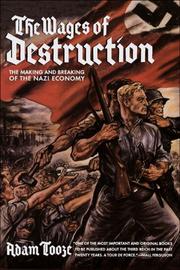
The economic history of Nazi Germany.
Conquest no longer pays, since modern prosperity rests on trade and credit.
Recommended by: Peter Thiel
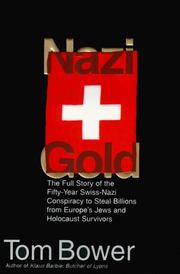
How Swiss bankers kept Jewish deposits and helped Nazis hide looted money.
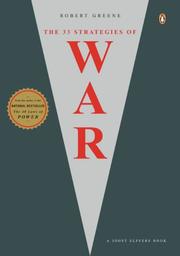
Thirty-three strategies of conflict drawn from Napoleon, Hannibal, Thatcher and more.
Recommended by: Ryan Holiday
Britain's entry turned a continental war into a world war that was not inevitable.
Recommended by: Mohnish Pabrai
Why the 20th century's great progress came with unprecedented violence.
Recommended by: Mohnish Pabrai
How the 37 days after Sarajevo led Europe into the First World War.
Recommended by: Sam Altman
How the US Treasury built the financial tools that cut Iranian banks off.
Why the US buys military power wrongly, and the case for cheap autonomous systems.
Recommended by: Palmer Luckey
How the US made sanctions and economic warfare its main tool of coercion.
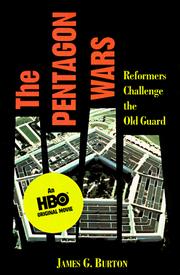
An Air Force colonel's fight to make the Pentagon live-fire test the Bradley vehicle.
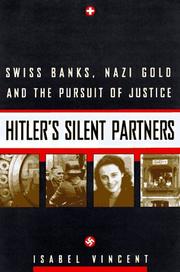
Swiss banks, Holocaust victims' accounts and the campaign to recover them.
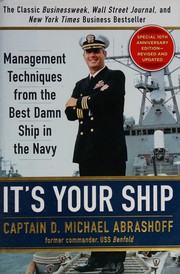
How a naval captain turned around his ship by handing authority to his crew.
Recommended by: Jim Collins

John Boyd's strategic theory, traced through the science that shaped it.
The Pakistan army's foundations, land and industrial holdings, mapped in full.
The history of Pakistan's army and its hand in how the country is governed.
How Lockheed Martin operates and how it shapes the defence policy that buys from it.
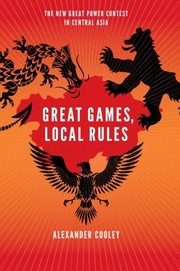
How Central Asian states play the outside powers off against each other.
Combat leadership lessons from the battle of Ramadi, applied to running teams.
Recommended by: Nat Eliason, Tom Bilyeu, Alfred Lin and 9 others
How the US special operations command was rebuilt to make decisions faster.
“You need to understand what you're up against. But Team of Teams has been huge. I'm still giving that one out.” — Doug McMillon
Source: The Tim Ferriss Show Transcripts: Doug McMillon (#345)
Recommended by: Doug McMillon, Patrick Collison and 2 others
How Israel's military tech, from drones to cyber, feeds its commercial industry.
How the Defense Innovation Unit brought Silicon Valley technology to the military.
A contemporary's account of the long war between Athens and Sparta.
Recommended by: Matt Mullenweg, Ryan Holiday, Li Lu and 2 others
The march of ten thousand Greek mercenaries hired by Cyrus the Younger to win Persia.
Recommended by: Patrick Collison
A general's own account of his career, from West Point cadet to head of Union armies.
Recommended by: Jamie Dimon
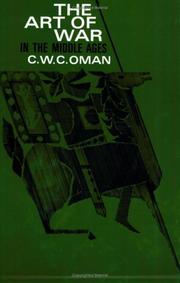
The broad lines of European military history from 378 to 1515.
“Oman, The Art of War in the Middle Ages” — Paul Graham
Source: Rarely-Asked Questions — paulgraham.com
Recommended by: Paul Graham, Sam Altman
A history of Hitler's empire from its rise to its fall.
Recommended by: Jim Collins, Sam Parr
A British officer's own account of the Arab Revolt against the Ottoman Empire.
Recommended by: Patrick Collison
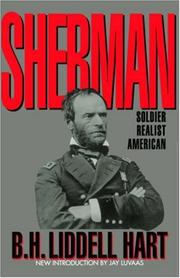
A biography of the general Sherman as soldier, realist and American.
Recommended by: Ryan Holiday
The war between Protestants and Catholics that tore seventeenth-century Europe apart.
Recommended by: Patrick Collison
The stories of six survivors of the atomic bomb dropped on Hiroshima.
Recommended by: Alex Blumberg
Interviews with German generals of the Second World War and their military lessons.
Recommended by: Patrick Collison, Paul Graham
The 1578 battle in Morocco that destroyed Portugal's King Sebastian and his army.
Recommended by: Graham Duncan, Paul Graham

Fifteen battles from Marathon to Waterloo and the effects each had on history.
Recommended by: Peter Thiel
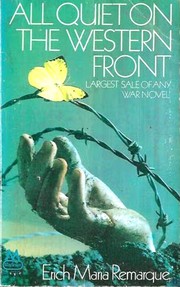
German schoolboys go to the First World War and meet the horror of the trenches.
Recommended by: Jim Collins, Donald Trump
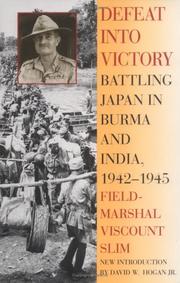
The commander of Britain's 14th Army on retaking Burma from Japan.
Recommended by: Mohnish Pabrai
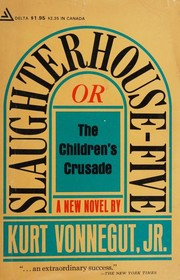
An anti-war novel: Billy Pilgrim moves through time around the bombing of Dresden.
Recommended by: Alexis Ohanian, Joel Connolly and 2 others
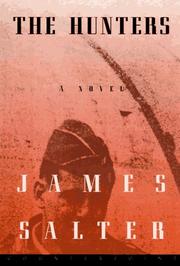
A fighter pilot flies F-86s against Soviet MiGs in the Korean War.
Recommended by: Patrick Collison
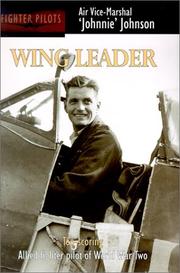
The top-scoring Allied fighter pilot's account of his war, from Battle of Britain on.
Recommended by: Paul Graham
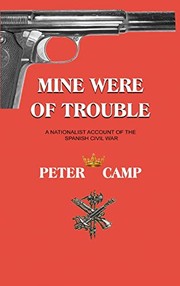
A British volunteer's account of fighting for Franco's Nationalists in Spain.
Recommended by: Marc Andreessen
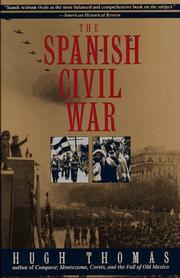
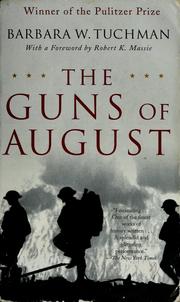
The outbreak of the First World War and its first thirty days of battle.
Recommended by: Jim Collins, Brad Feld
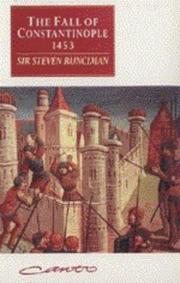
The siege and fall of Constantinople to the Turks, and the West's neglect of it.
“Runciman, The Fall of Constantinople” — Paul Graham
Source: Rarely-Asked Questions — paulgraham.com
Recommended by: Paul Graham
A non-technical story of the people and companies who built the first atomic bomb.
Recommended by: Patrick Collison
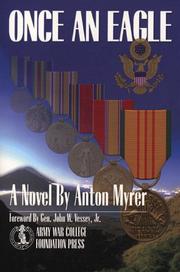
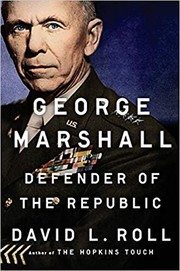
A career Army officer rises from private to general across America's wars.
Recommended by: Patrick Collison, Stanley McChrystal
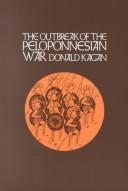
The origins of the war between Athens and Sparta, and whether it was inevitable.
Recommended by: Patrick Collison
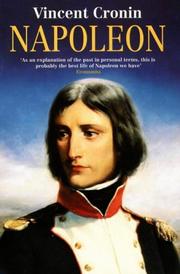
A sympathetic life of Napoleon that centres on his personality and relationships.
Recommended by: Larry Ellison
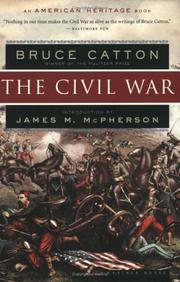
Recommended by: Tim O’Reilly
Why wars of the last three centuries began, why some lasted, and how peace came.
Recommended by: Stewart Brand
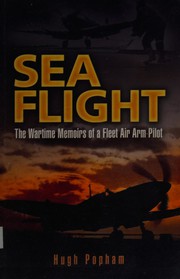
A Fleet Air Arm pilot's story of flying for the Royal Navy in the Second World War.
Recommended by: Paul Graham
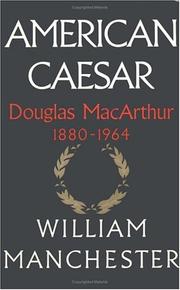
A biography of General Douglas MacArthur.
Recommended by: Jim Collins, Mohnish Pabrai, Elon Musk
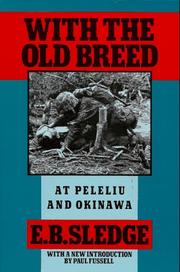
A Marine's account of the fighting after the landing on Peleliu.
Recommended by: Paul Graham
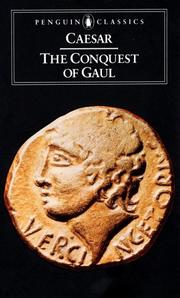
A Roman general's own account of nine years of war against the Celts and Germans.
Recommended by: Paul Graham
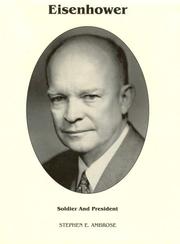
Eisenhower's life, career and presidency, as a study in leadership.
Recommended by: Mohnish Pabrai, Jamie Dimon
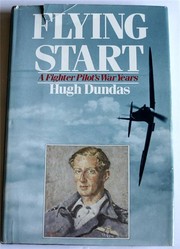
The autobiography of an RAF fighter pilot in the Second World War.
Recommended by: Paul Graham
The US Army from Korea through Vietnam, and what was wrong with it, from the front.
“The first compre-hensive treatise on interface design.” — Bret Victor
Source: Links — Bret Victor (his five-star list)
Recommended by: Bret Victor, Jeff Atwood, Tim Ferriss
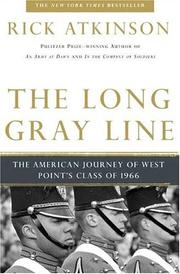
Twenty-five years in the lives of a West Point class that fought in Vietnam.
“I read a wonderful book recently called "The Long Gray Line," and it's by a gentleman named Rick Atkinson.” — Thomas Gayner
Source: Masters in Business transcript: Thomas S. Gayner, Markel Corp
Recommended by: Thomas Gayner
A history of each theatre of the war, with five battles analysed in depth.
Recommended by: Casey Neistat
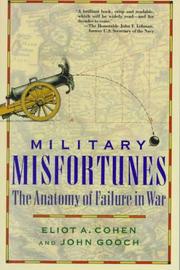
Why competent armies fail: catastrophe as a failure of organisation.
Recommended by: Stewart Brand
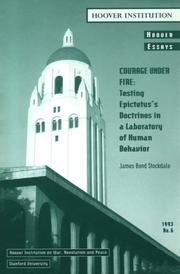
How Epictetus's Stoicism sustained a pilot held prisoner in North Vietnam.
Recommended by: Mohnish Pabrai
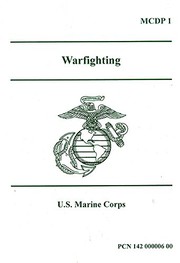
The Marine Corps' philosophy for action: maneuver warfare to shatter enemy cohesion.
Recommended by: Keith Rabois
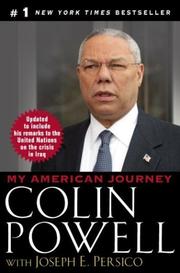
From Harlem to the top of the US military, through Vietnam, Panama and Desert Storm.
Recommended by: Ben Horowitz
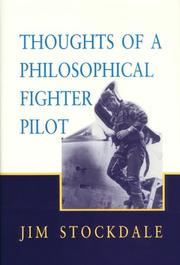
Essays on character, leadership, integrity and rising with dignity over adversity.
Recommended by: Mohnish Pabrai
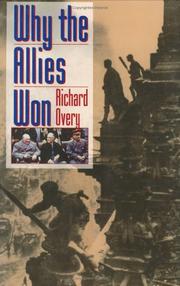
Why the Allies won the Second World War, beyond material strength.
Recommended by: Paul Graham
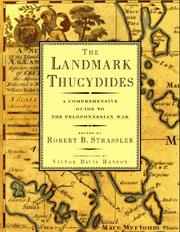
The history of two decades of war between Athens and Sparta, with maps and notes.
Recommended by: Stewart Brand
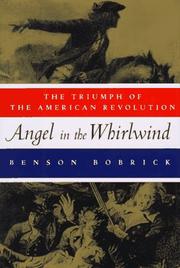
A history of the American Revolution.
“There's a great book by an author named Benson Bobrick called Angel in the Whirlwind. It's a history of the American Revolution.” — John Crowley
Source: The Tim Ferriss Show Transcripts: John Crowley (#225)
Recommended by: John Crowley
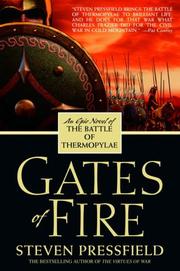
The Battle of Thermopylae, where 300 Spartans held a pass against Persia.
Recommended by: Chris Fussell, Ron Conway
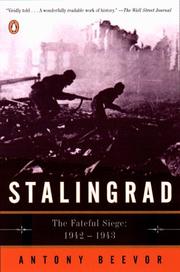
The battle of Stalingrad, as soldiers on both sides and trapped civilians lived it.
Recommended by: Richard Branson

An insider's account of the Soviet Union's secret biological weapons programme.
Recommended by: Patrick Collison
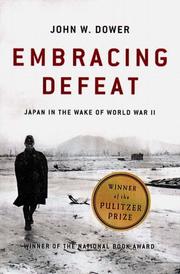
Japan after its defeat in the Second World War, under American occupation.
Recommended by: Mohnish Pabrai
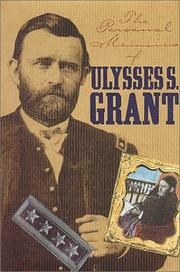
A general's own account of his career, from West Point cadet to head of Union armies.
Recommended by: Jim Collins, Mohnish Pabrai
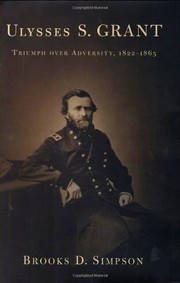
A life of Ulysses S. Grant as a man of opposing qualities.
Recommended by: Ryan Holiday
A practical and spiritual guide for the samurai warrior.
Recommended by: Naval Ravikant
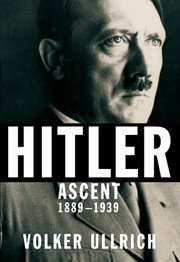
A biography of Hitler in the years of war and defeat.
Recommended by: Marc Andreessen
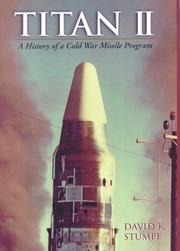
The history of the Titan II, a Cold War missile launched from underground silos.
Recommended by: Bill Gates
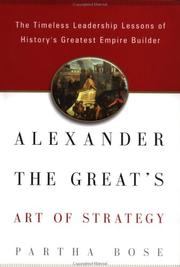
Leadership and strategy lessons drawn from Alexander the Great's campaigns.
Recommended by: Mohnish Pabrai
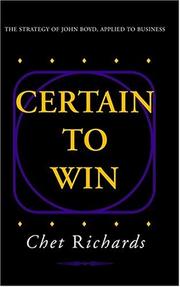
John Boyd's military strategy, including the OODA loop, applied to business.
Recommended by: Ryan Peterson
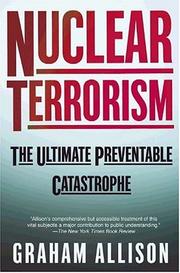
The danger of a terrorist nuclear bomb in an American city and a call to prevent it.
“This year I’ve asked The Bookworm to add Graham Allison’s Nuclear Terrorism: The Ultimate Preventable Catastrophe, a must-read for those concerned with the safety of our country.” — Warren Buffett
Source: Berkshire Hathaway Chairman’s Letter 2004, page 24
Recommended by: Warren Buffett
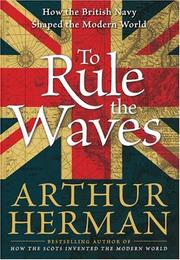
How the Royal Navy made Britain the most powerful nation in history.
Recommended by: Nick Szabo
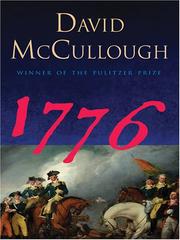
The men who marched with George Washington in the year of independence.
Recommended by: Jim Collins, Mohnish Pabrai

Diaries and letters of kamikaze pilots and other Japanese student soldiers.
Recommended by: Tim Ferriss
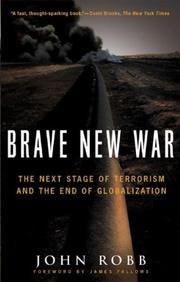
How globalisation's technology lets terrorists and criminals take on states.
Recommended by: Ryan Holiday
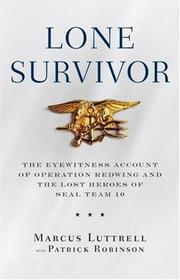
Operation Red Wings, in which a four-man SEAL team was ambushed in Afghanistan.
Recommended by: Jim Collins, Larry Ellison, Marc Andreessen
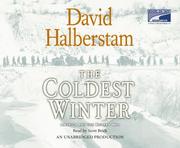
A history of the Korean War and America's part in it.
Recommended by: Mohnish Pabrai
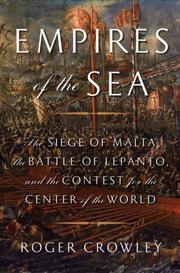
The Ottoman-Christian war for the Mediterranean, from Rhodes onward.
Recommended by: Paul Graham
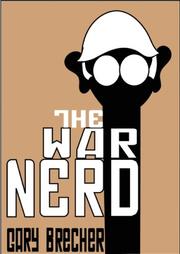
A war commentator and humorist on military incompetence and pieties of all kinds.
Recommended by: Naval Ravikant
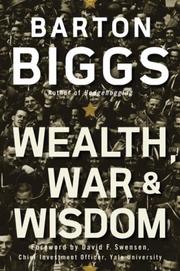
Whether stock markets foresaw the turning points of the Second World War.
Recommended by: Li Lu
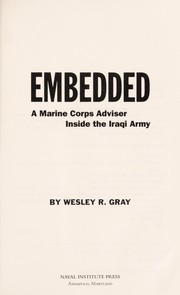
A young Marine adviser's firsthand account of serving with the Iraqi Army.
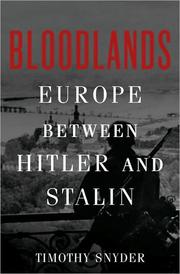
The Nazi and Stalinist mass murders in the lands between, told as one history.
Recommended by: Eric Weinstein, Peter Thiel
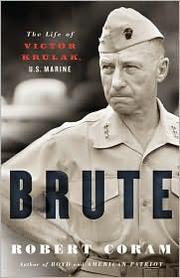
A biography of Victor Krulak, a leading officer in the history of the Marine Corps.
Recommended by: Patrick O'Shaughnessy
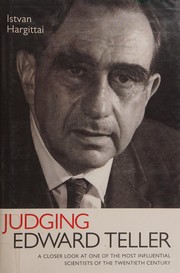
A life of Edward Teller, "father of the H-bomb", beyond the views of fans and foes.
Recommended by: Mohnish Pabrai
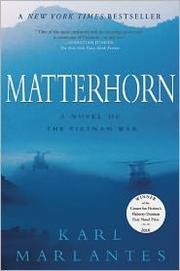
A war novel of a young Marine lieutenant and his comrades in Bravo Company.
Recommended by: Patrick Collison
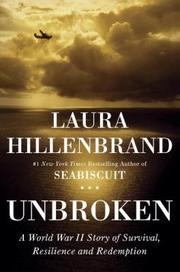
Louis Zamperini, a bombardier, survives a bomber's crash into the Pacific.
Recommended by: Andrew Wilkinson, Jim Collins and 1 other
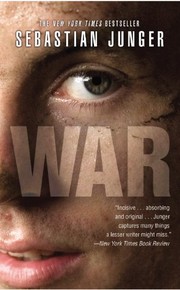
A platoon's fifteen-month tour at a deadly outpost in Afghanistan's Korengal valley.
Recommended by: Patrick O'Shaughnessy
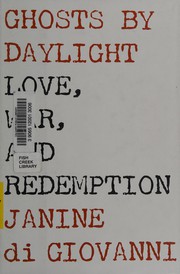
A war correspondent's memoir of twenty years in war zones, and of love.
Recommended by: Patrick Collison
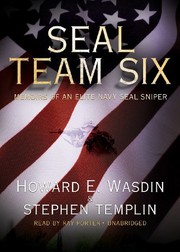
A sniper's memoir of SEAL training and service in the covert unit SEAL Team Six.
Recommended by: Mohnish Pabrai
What the warrior's code is, where it came from and how to live by it today.
Recommended by: Patrick O'Shaughnessy
How Knudsen and Kaiser led America's industrial build-up for the Second World War.
“One of the best books I've read, it's a great story of industrial production and heroes.” — Christopher Bloomstran
Source: Semper Augustus 2020 Letter to Clients, 'To Read or Not to Read', p. 57
Recommended by: Christopher Bloomstran, Patrick Collison
A SEAL Team Six member's account of planning and carrying out the bin Laden raid.
Recommended by: Mohnish Pabrai, Paul Graham
A firsthand account of the Roman conquest of Gaul, from dispatches to the Senate.
Recommended by: Paul Graham
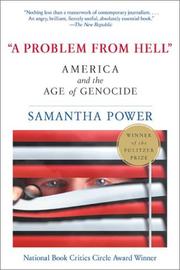
Why American leaders who vowed never again failed to stop modern genocides.
Recommended by: Patrick Collison
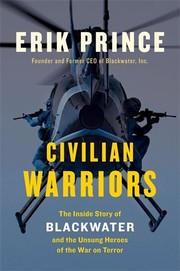
The founder of Blackwater on private military contractors in the war on terror.
Recommended by: Marc Andreessen
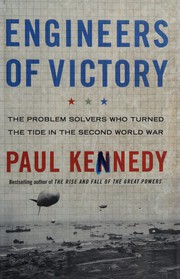
The problem solvers who turned the Second World War against the Nazis.
Recommended by: Mohnish Pabrai, Bill Gates
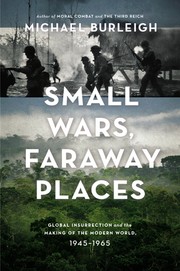
The forgotten "hot" wars fought around the world after the Second World War.
Recommended by: Patrick Collison
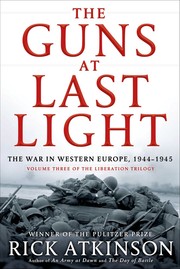
The last volume of a trilogy on the Allied liberation of Europe in the war.
Recommended by: Morgan Housel
A CIA veteran's memoir of thirty years in its clandestine operations.
Recommended by: Patrick Collison
The year that could have stalled the Allies, and how the war turned.
Recommended by: Keith Rabois
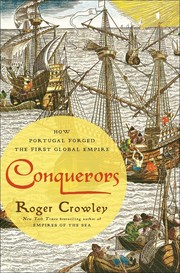
How small, poor Portugal built the first long-range maritime empire.
Recommended by: Ryan Peterson
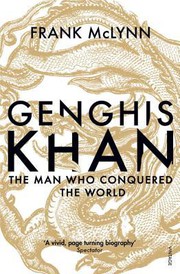
Temujin's rise from outcast to Genghis Khan and the Mongol empire he built.
Recommended by: Patrick Collison

A chronicle of the Fourth Crusade and its conquest of Constantinople.
Recommended by: Paul Graham
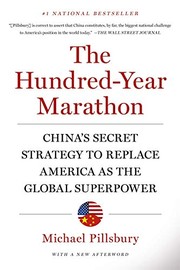
The case that China has a secret strategy to replace the US as the dominant power.
Recommended by: Alfred Lin
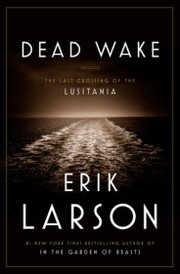
The sinking of the Lusitania, told from both the hunter and the hunted.
Recommended by: Chris Dixon, Sahil Bloom
The Spanish Civil War and the volunteers who went to fight Franco.
Recommended by: Marc Andreessen
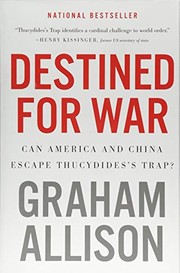
Whether the United States and China can avoid war, read through Thucydides.
“Allison, Graham T. Destined for War: Can America and China Escape Thucydides’ Trap? Boston: Houghton Mifflin Harcourt, 2017” — Ray Dalio
Source: The Changing World Order — citations and bibliography, page 41
Recommended by: Ray Dalio, Bill Gates, David Sacks, Li Lu
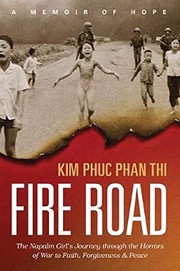
The girl burned by napalm in a famous Vietnam War photograph tells her life.
Recommended by: Karlene Markham
How autonomous weapons are changing war, and what that means.
Recommended by: Bill Gates

How presidents from Madison to Lyndon Johnson took America to war and gained power.
Recommended by: Bill Gates
Why America should keep enforcing world order, and what follows if it withdraws.
Recommended by: Vinod Khosla
A decade of escalating cyber sabotage among Russia, China, Iran and the US.
Recommended by: Bill Gates
A general and former defence secretary on learning to lead in a chaotic world.
Recommended by: Ryan Holiday
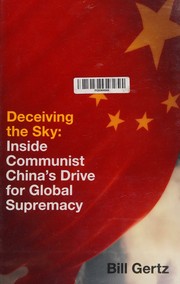
How Communist China deceived the West while it pursued global supremacy.
Recommended by: Matt Mullenweg
A Marine wounded in combat rebuilds body and soul after a hard, homeless youth.
Recommended by: Donald Trump
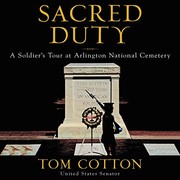
Inside the Old Guard, the Army unit that honours the fallen at Arlington Cemetery.
Recommended by: Donald Trump
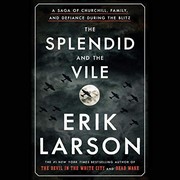
Churchill's first year as prime minister, from Dunkirk through the Blitz.
“…books I've recommended, highlighted to death, or forced on friends.” — Andrew Wilkinson
Source: Andrew Wilkinson's Bookshelf, neverenough.com
Recommended by: Andrew Wilkinson, Bill Gates and 4 others
A history of the Second World War with Stalin, not Hitler, at its centre.
Recommended by: Balaji S. Srinivasan
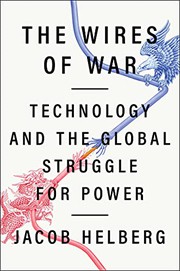
How technology, cyber intelligence and the internet became a field of conflict.
Recommended by: Anthony Pompliano, Keith Rabois
Three men and the decision to use atomic bombs against Japan.
Recommended by: Andrew Wilkinson
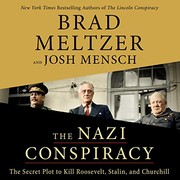
The Nazi plot to kill Roosevelt, Stalin and Churchill at their wartime meeting.
Recommended by: Andrew Wilkinson
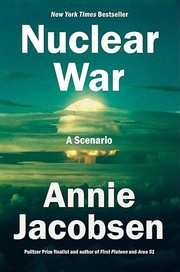
A scenario of a nuclear strike on the United States, built on expert interviews.
Recommended by: Andrew Wilkinson
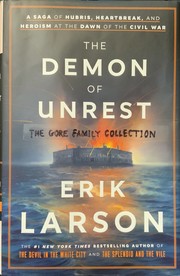
The months between Lincoln's election and the fight over Fort Sumter.
Recommended by: Andrew Wilkinson
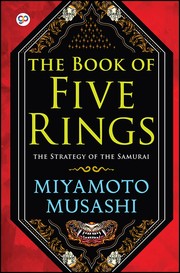
A classic Japanese text on the arts of confrontation and victory.
Recommended by: Nat Eliason, Ryan Holiday, Naval Ravikant and 1 other

A one-volume history of the American Civil War and the decades that led to it.
Recommended by: Patrick Collison
A life of Douglas MacArthur, public figure, private man and soldier.
Recommended by: Jim Collins, Elon Musk, Ryan Holiday
A full life of Dwight D. Eisenhower as general and president.
Recommended by: Jim Collins, Brian Armstrong
More scary and often funny true stories from Royal Air Force crews and friends.
Recommended by: Patrick Collison
 Niall Fergusonwrote 2 books here
 Robert Greenewrote 1 book here
 Wesley R. Graywrote 1 book here
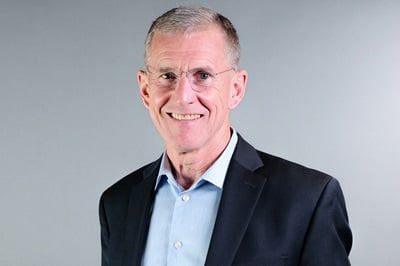 Stanley McChrystalwrote 1 book here
 Patrick Collisonrecommends 19 books here
 Mohnish Pabrairecommends 17 books here
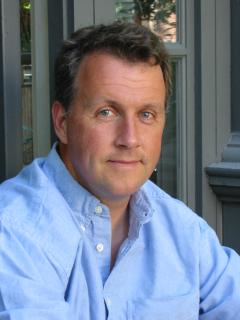 Paul Grahamrecommends 14 books here
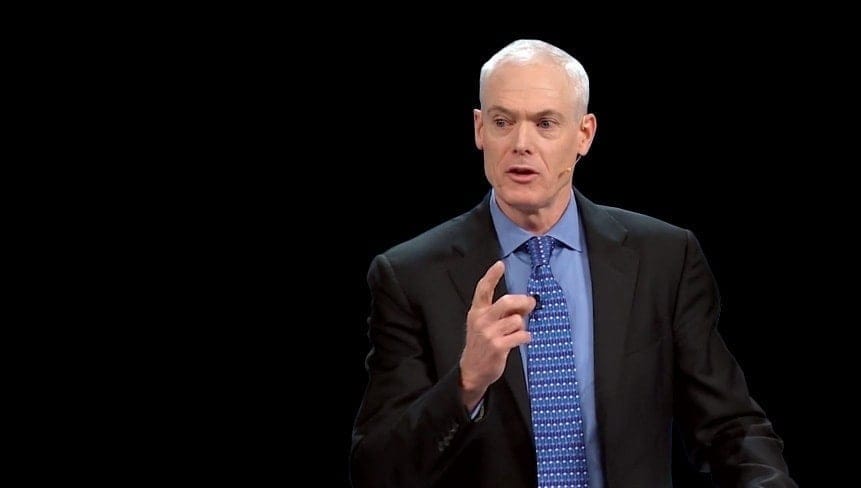 Jim Collinsrecommends 11 books here
 Ryan Holidayrecommends 9 books here
 Marc Andreessenrecommends 8 books here
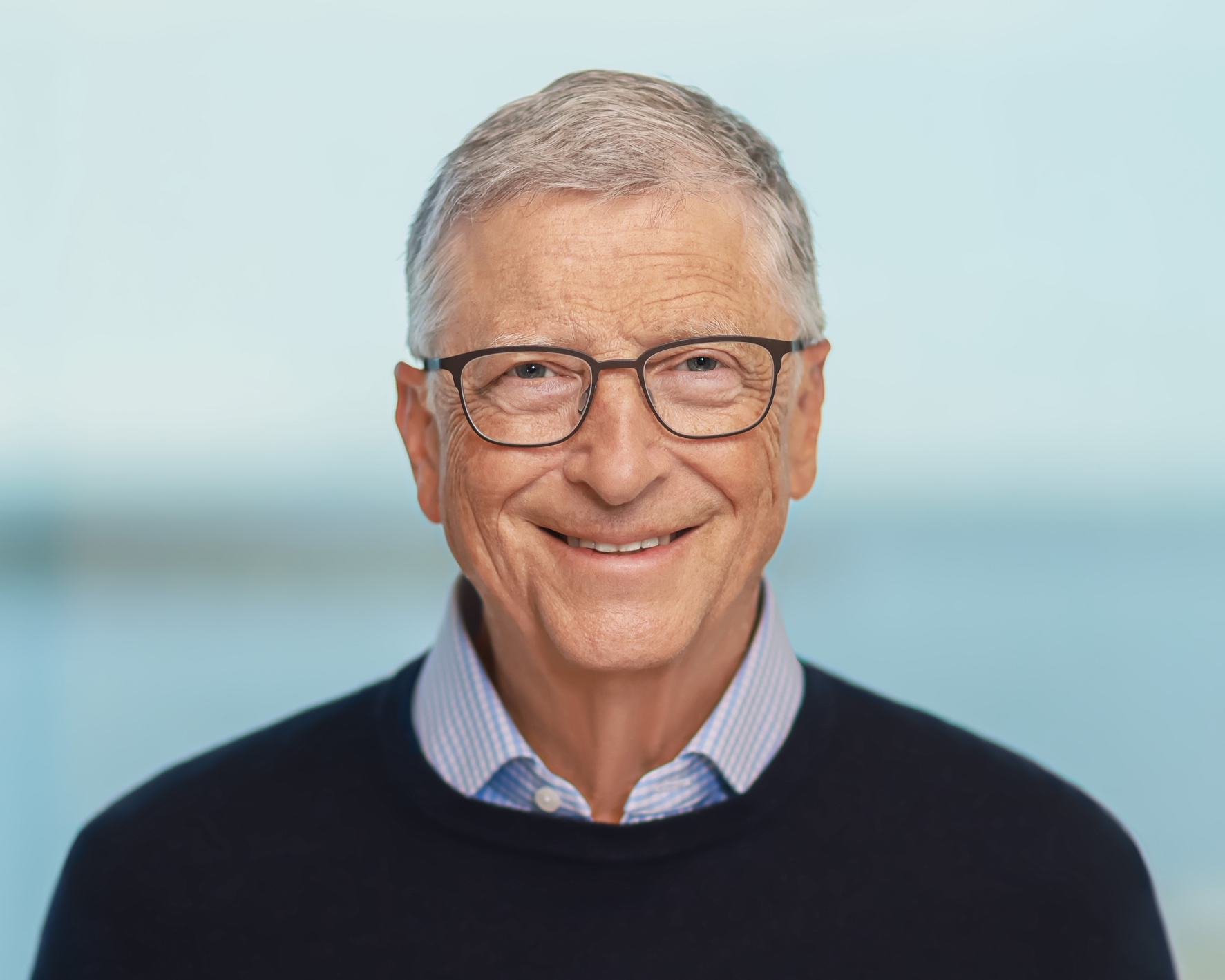 Bill Gatesrecommends 7 books here
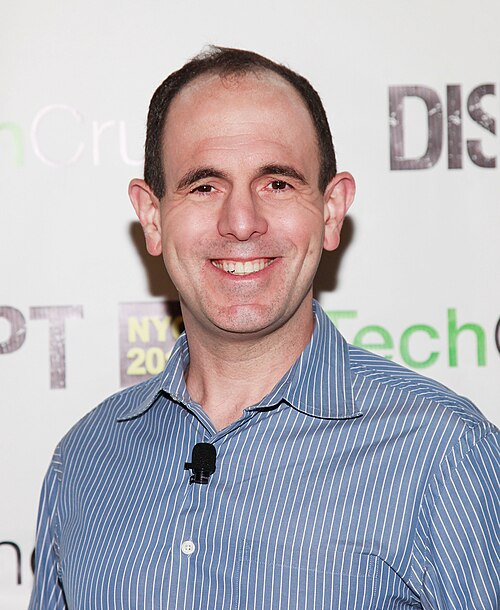 Keith Raboisrecommends 4 books here
 Tim Ferrissrecommends 4 books here
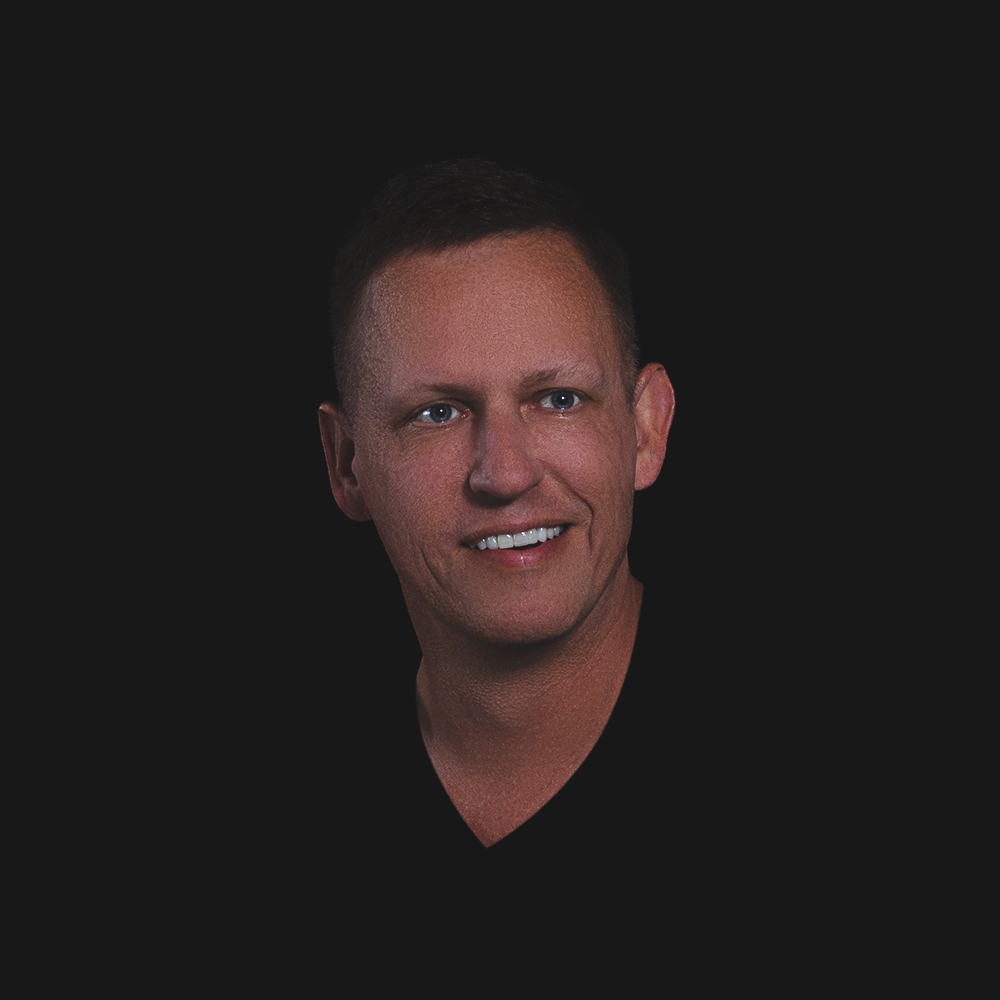 Peter Thielrecommends 3 books here
Show all 70
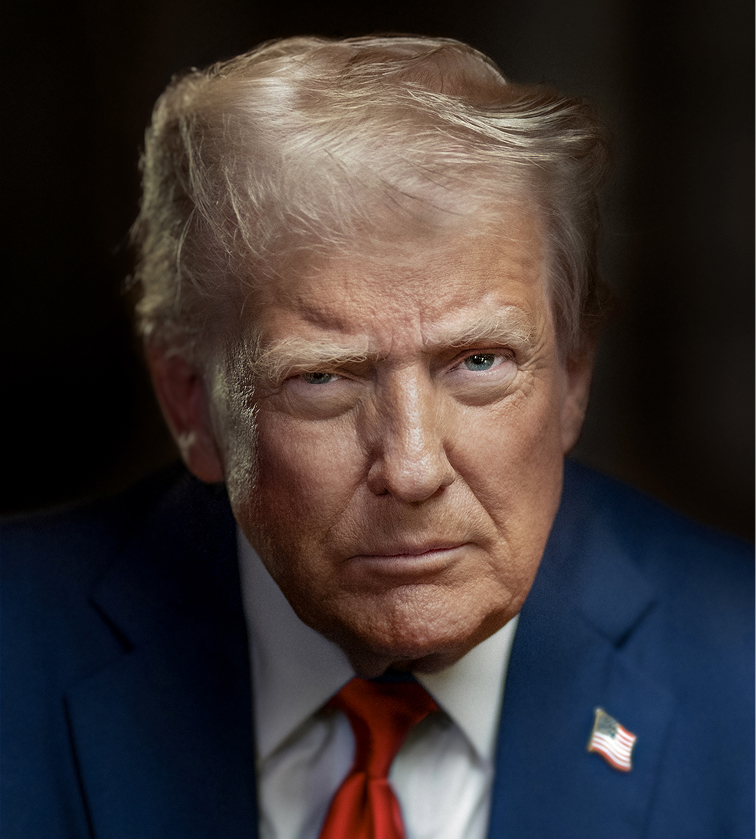 Donald Trumprecommends 3 books here
 Naval Ravikantrecommends 3 books here
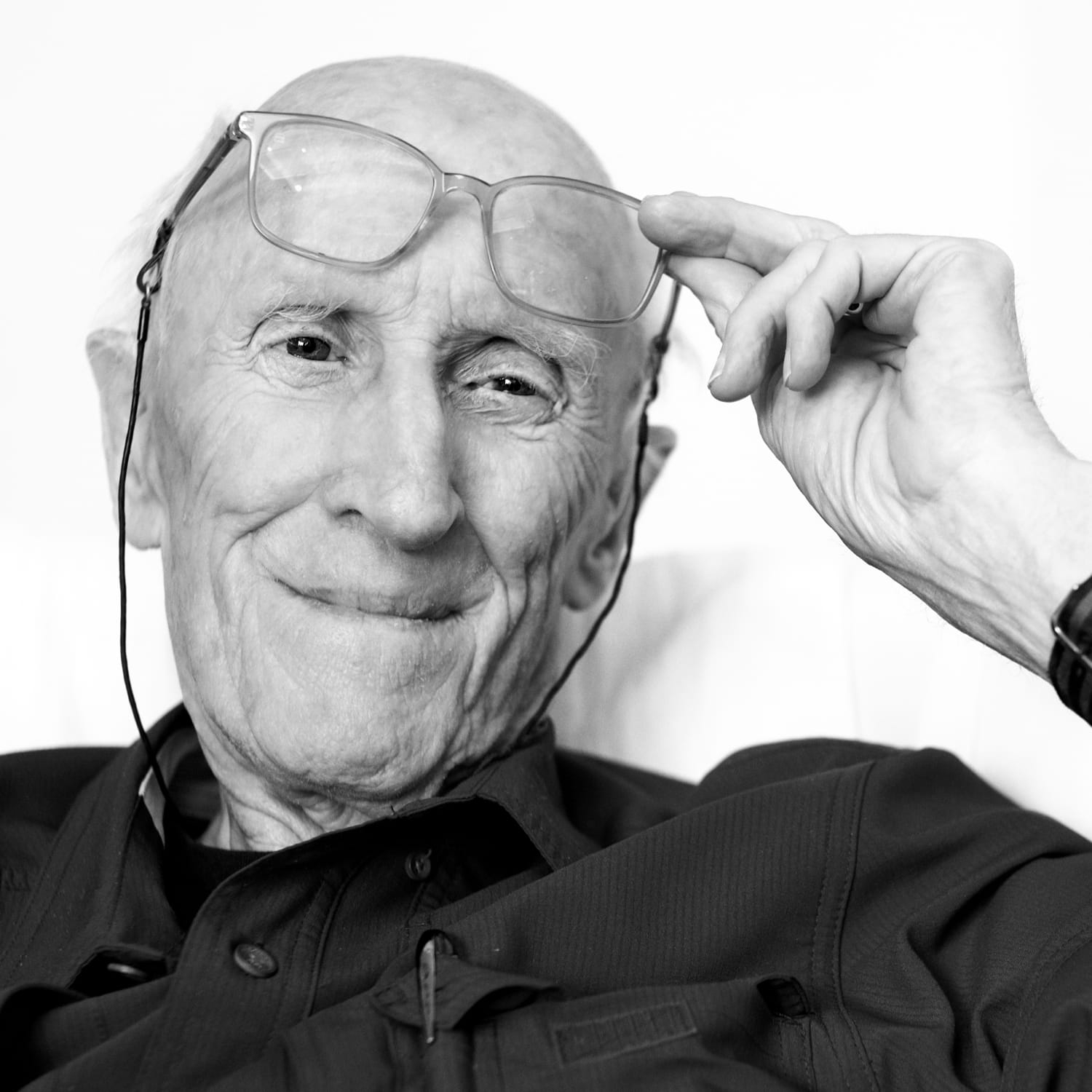 Stewart Brandrecommends 3 books here
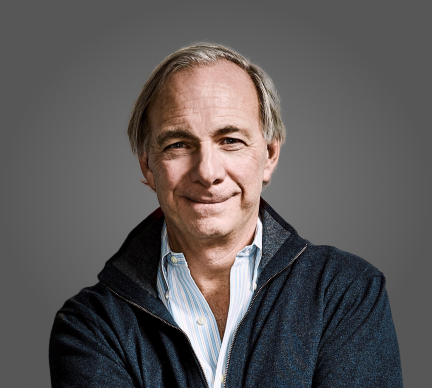 Ray Daliorecommends 2 books here
 Alfred Linrecommends 2 books here
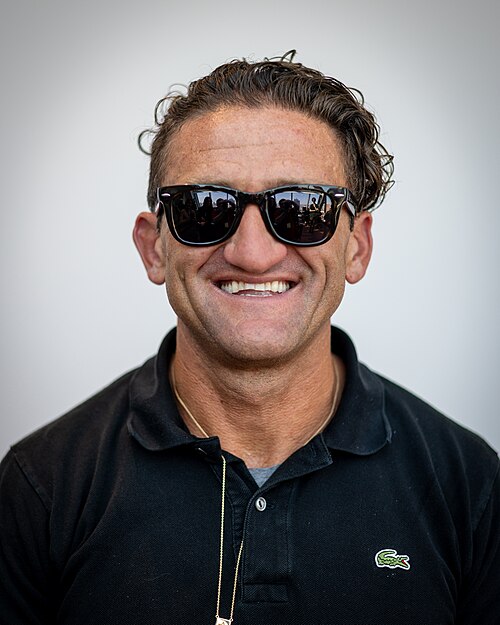 Casey Neistatrecommends 2 books here
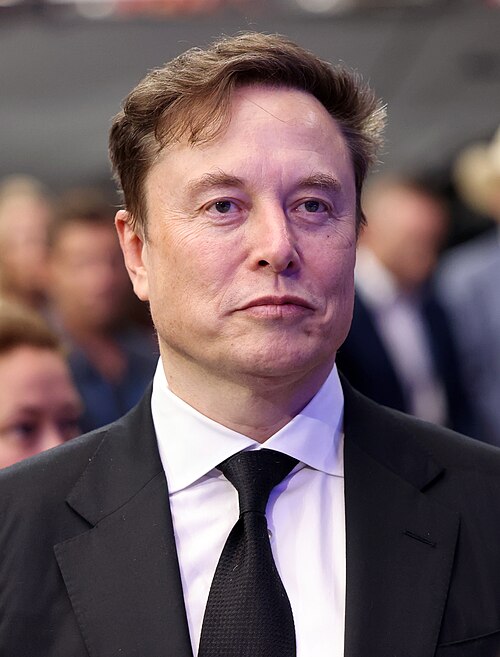 Elon Muskrecommends 2 books here
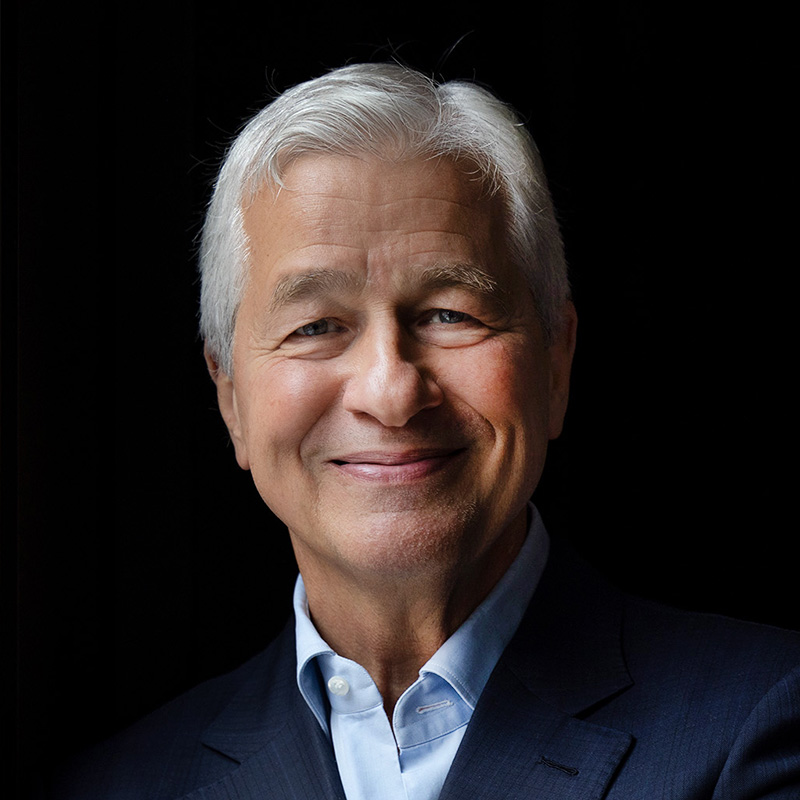 Jamie Dimonrecommends 2 books here
 Larry Ellisonrecommends 2 books here
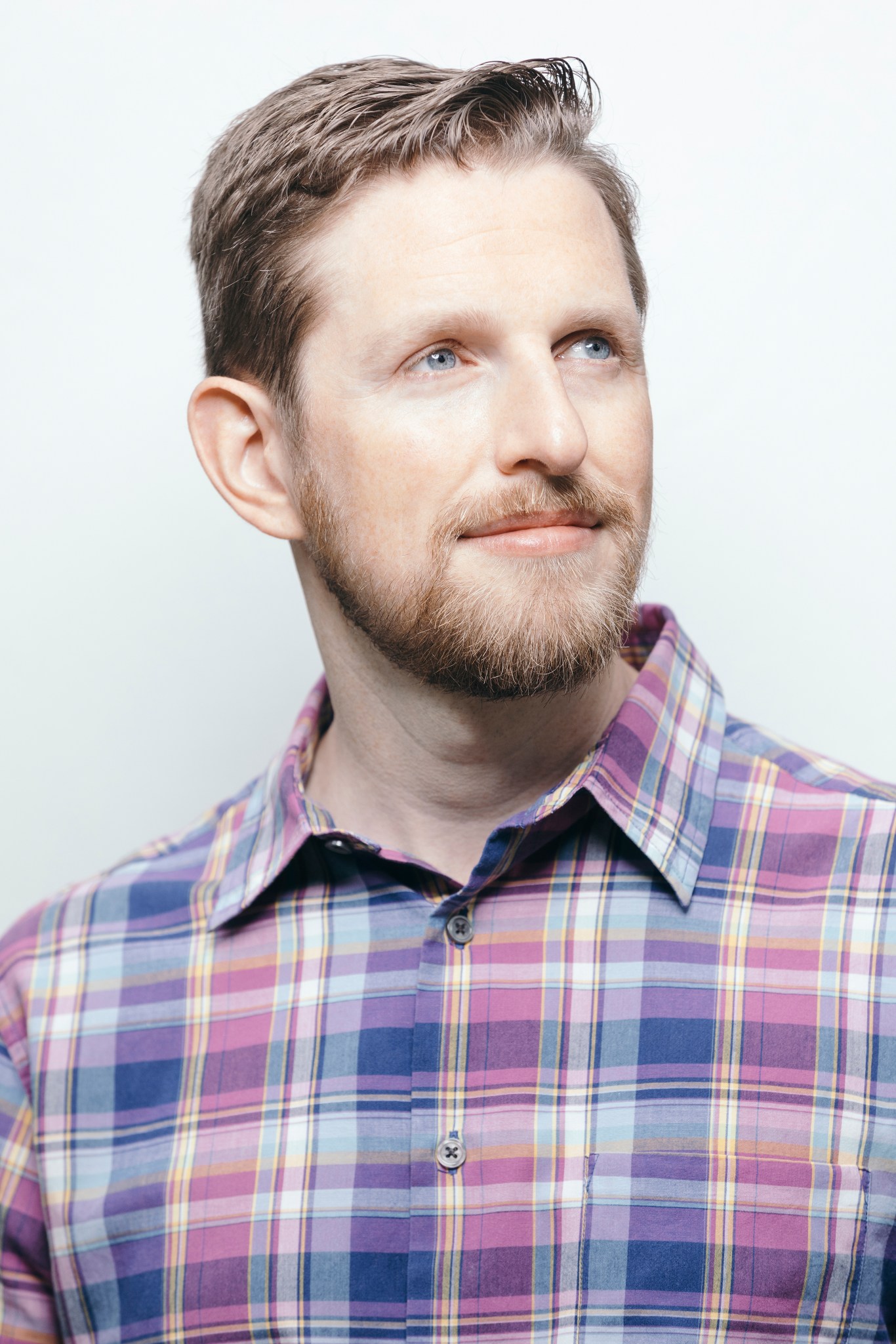 Matt Mullenwegrecommends 2 books here
 Nat Eliasonrecommends 2 books here
 Ryan Petersenrecommends 2 books here
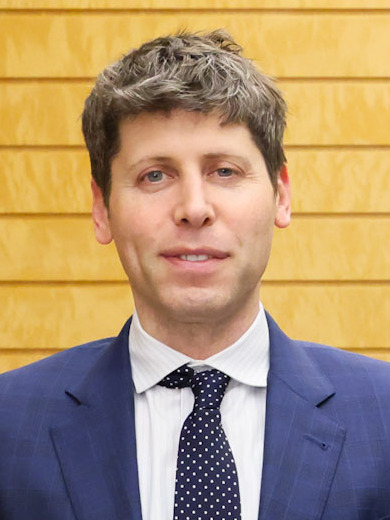 Sam Altmanrecommends 2 books here
 Ben Horowitzrecommends 1 book here
 Michael Mauboussinrecommends 1 book here
 Warren Buffettrecommends 1 book here
 Brad Feldrecommends 1 book here
 Morgan Houselrecommends 1 book here
 Alex Blumbergrecommends 1 book here
 Alexis Ohanianrecommends 1 book here
 Anthony Pomplianorecommends 1 book here
 Balaji S. Srinivasanrecommends 1 book here
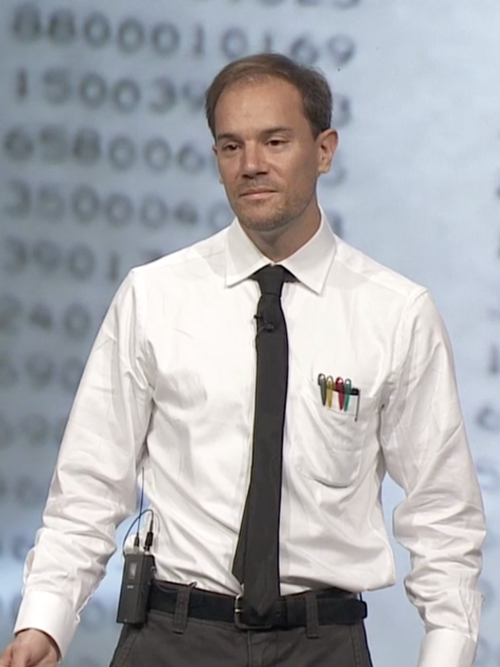 Bret Victorrecommends 1 book here
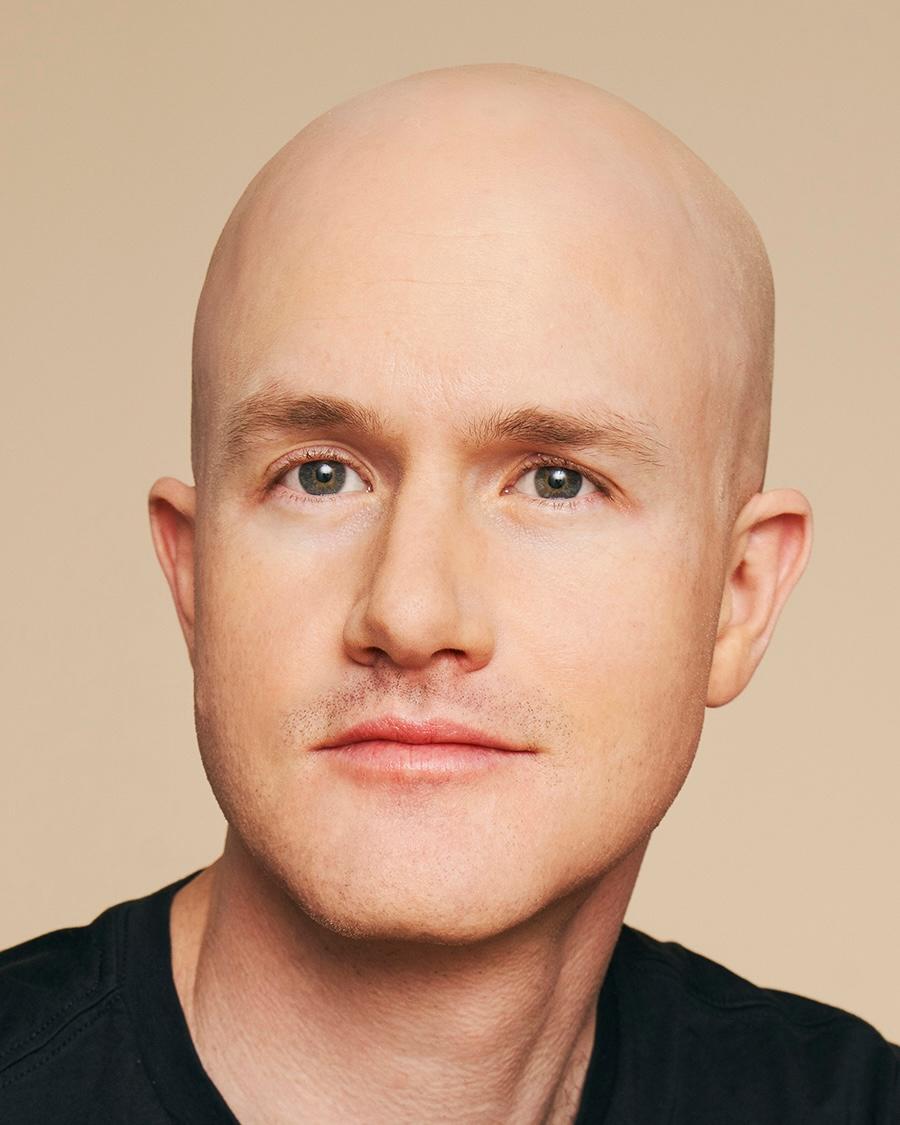 Brian Armstrongrecommends 1 book here
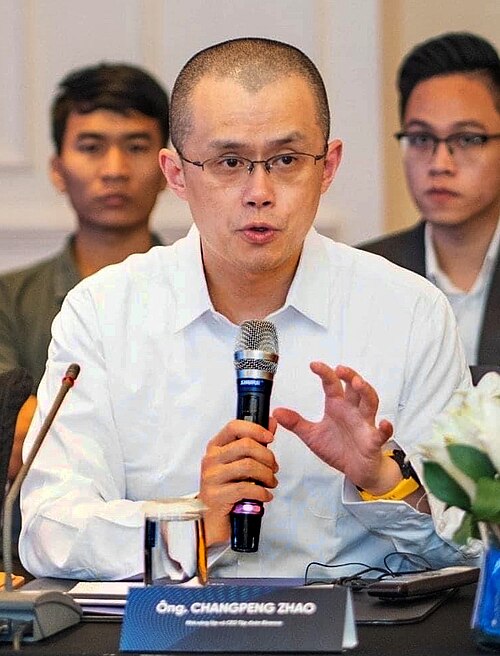 Changpeng Zhaorecommends 1 book here
 Chris Dixonrecommends 1 book here
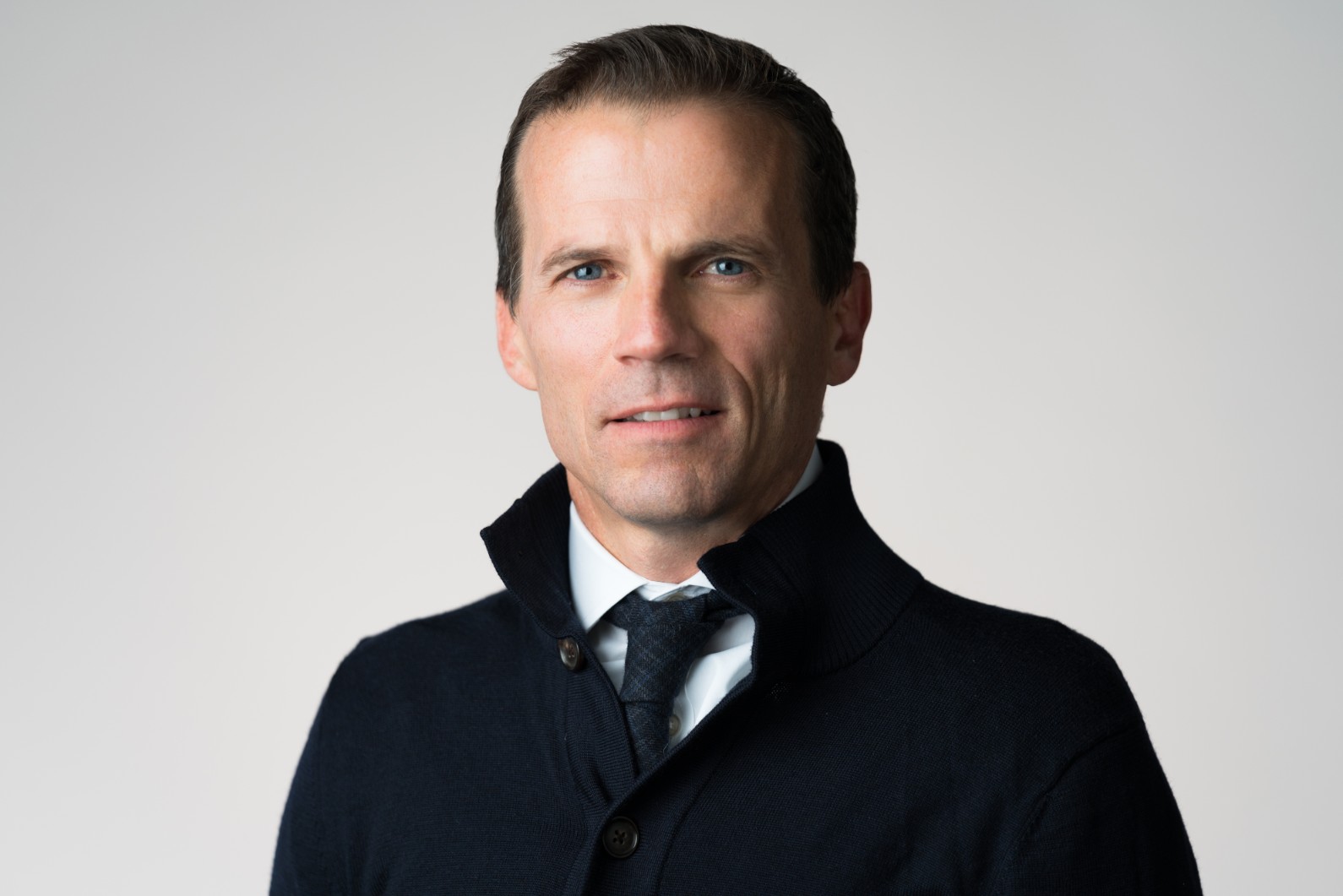 Chris Fussellrecommends 1 book here
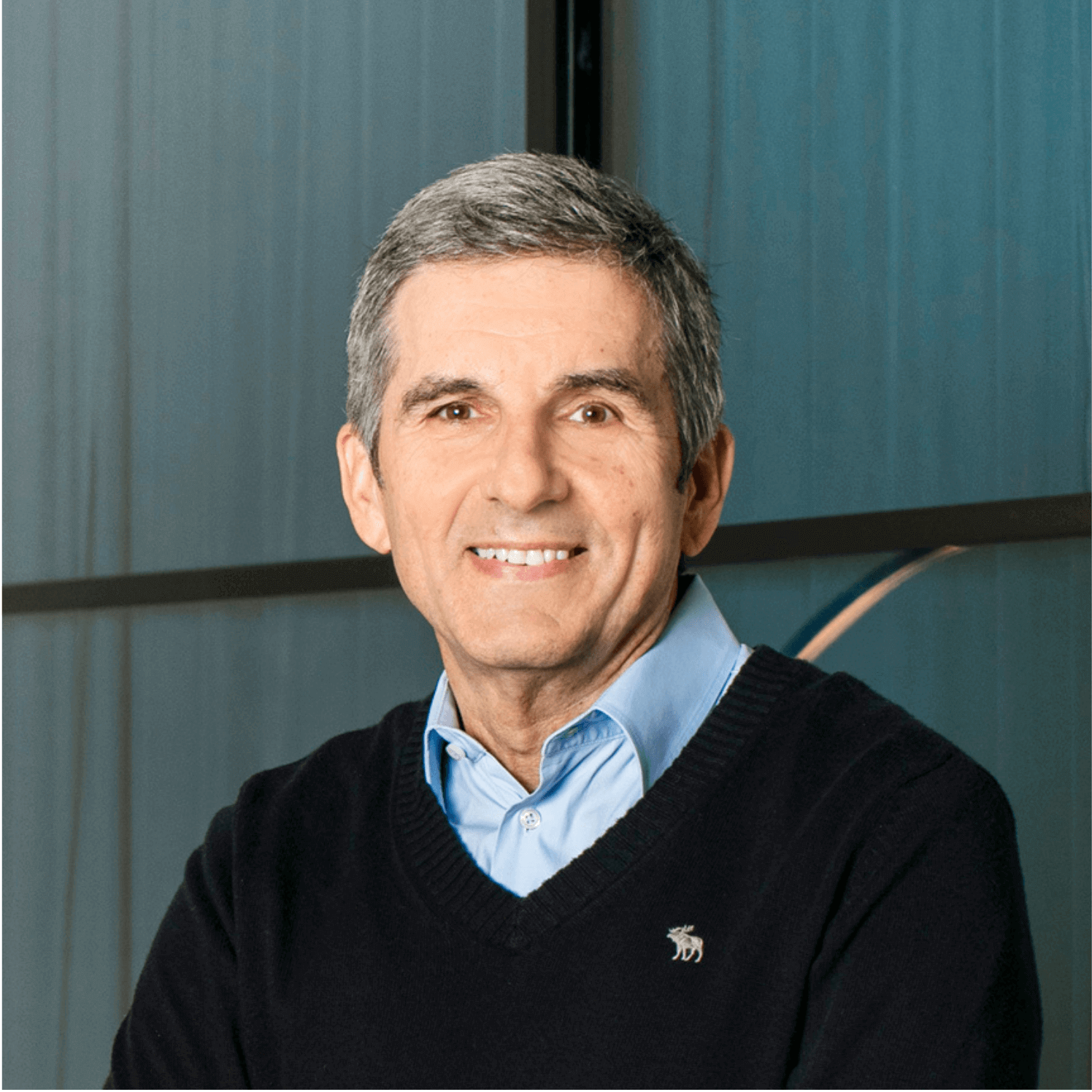 Daniel Petrerecommends 1 book here
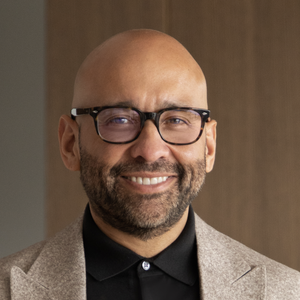 David Cancelrecommends 1 book here
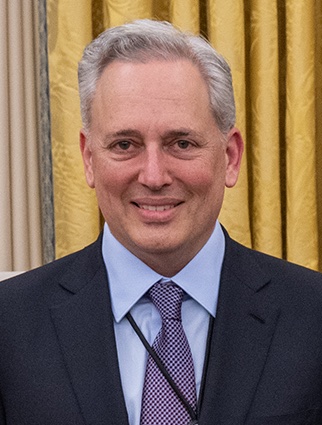 David Sacksrecommends 1 book here
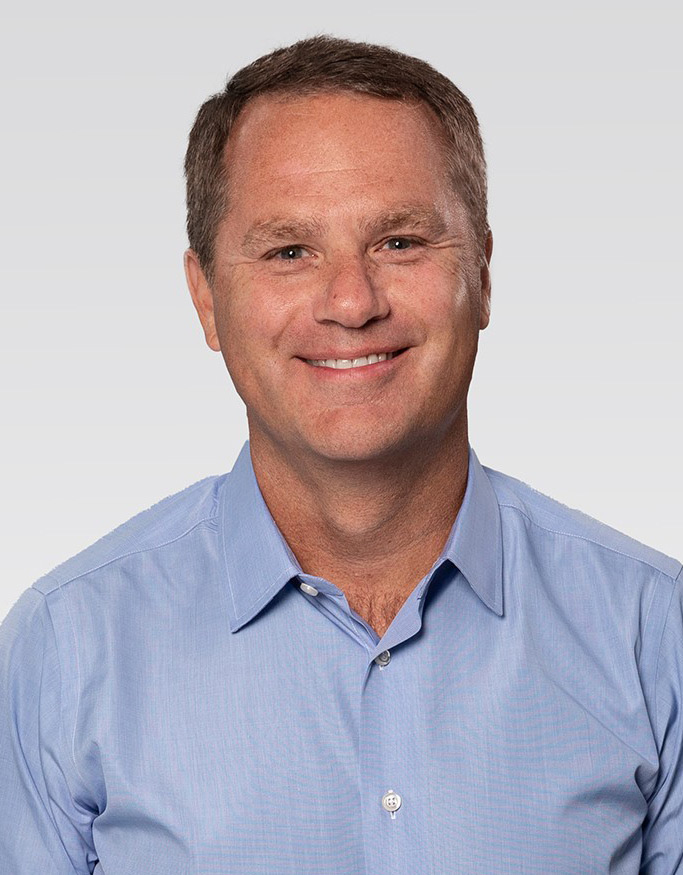 Doug McMillonrecommends 1 book here
 Eric Weinsteinrecommends 1 book here
 Graham Duncanrecommends 1 book here
 Jeff Atwoodrecommends 1 book here
 Joel Connollyrecommends 1 book here
 John Crowleyrecommends 1 book here
 Palmer Luckeyrecommends 1 book here
 Richard Bransonrecommends 1 book here
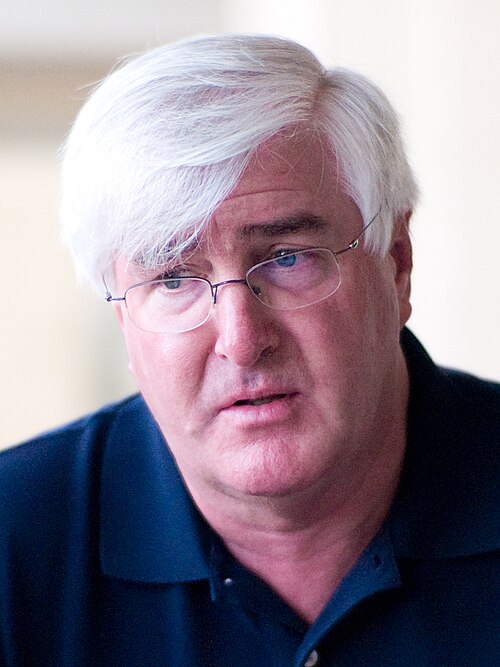 Ron Conwayrecommends 1 book here
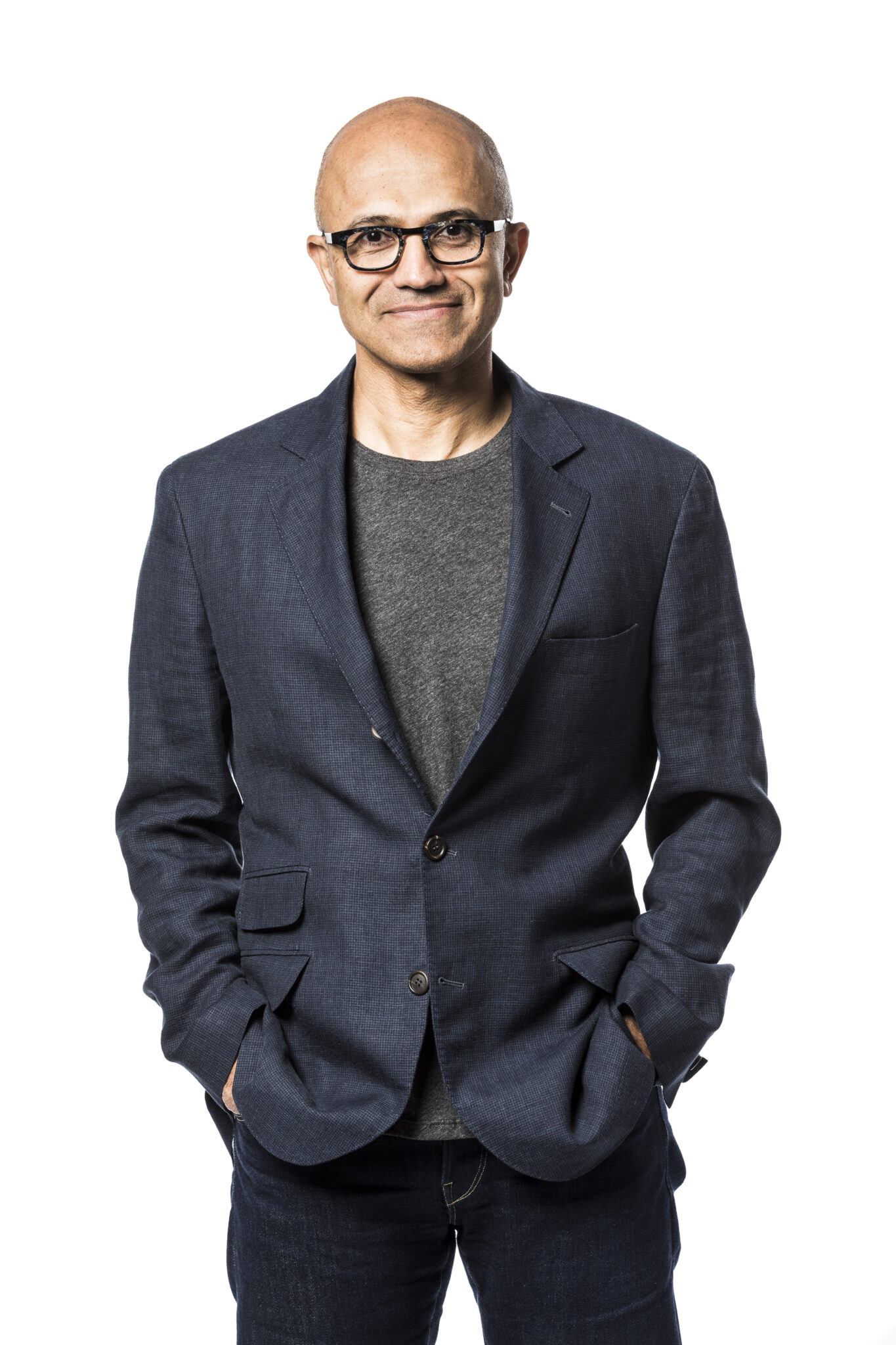 Satya Nadellarecommends 1 book hereStanley McChrystalrecommends 1 book here
 Tim O’Reillyrecommends 1 book here
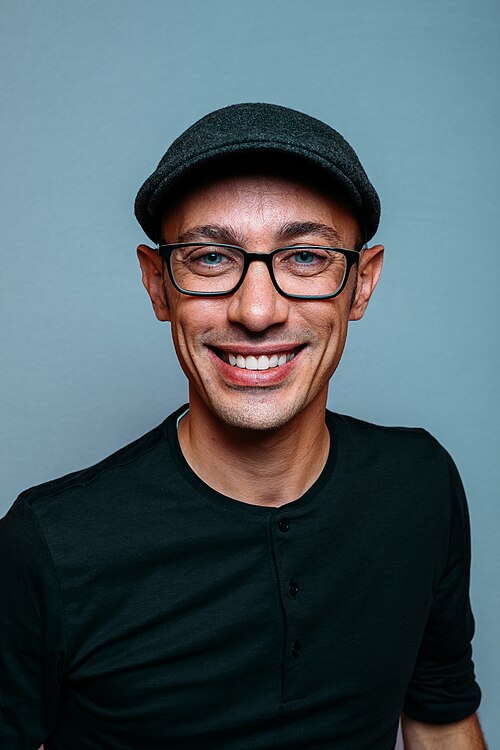 Tobi Lütkerecommends 1 book here
 Tom Bilyeurecommends 1 book here
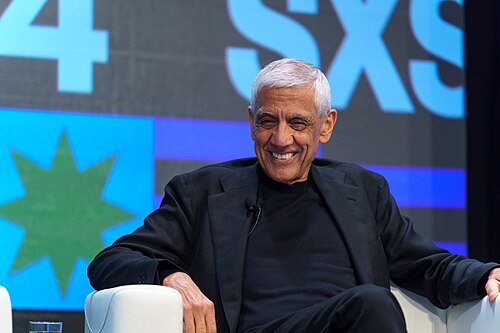 Vinod Khoslarecommends 1 book here