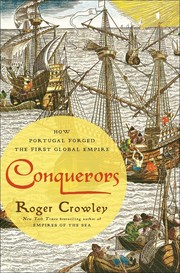
Conquerors
How small, poor Portugal built the first long-range maritime empire.
Summary
Crowley tells how Portugal, a small and poor kingdom, built the first long-range maritime empire and held a century of maritime supremacy. He covers the sea route to India around Africa, the campaigns against Muslim rulers in the Indian Ocean, the drive to take over the spice trade, and the sieges of Indian port cities. His argument is that these voyages upset the Mediterranean trading order and started the first global economy.
The narrative follows the people who made the empire: King João II, called the Perfect Prince; King Manuel, called the Fortunate; the explorer Vasco da Gama; and the governor Afonso de Albuquerque. Crowley shows how each pursued private ambition alongside the crown's aims, and how a religious aim, to defeat Islam and build a Christian empire in the Indian Ocean, ran through the commercial one. He works from letters and eyewitness accounts, and the book includes primary source material. It was published in 2015.
Key takeaways 4
- Navigational skill gave Portugal, a small and poor state, a century of maritime advantage over larger powers.
- The sea route to India moved the spice trade away from Mediterranean and Muslim intermediaries.
- Commercial aims and a crusade against Islam drove the Portuguese empire together.
- Individual commanders such as Albuquerque pursued their own ambitions within the crown's strategy.
Who should read it
Readers of trade and imperial history who want a narrative of how the spice trade and the first global sea routes were taken by force.
Who recommended it 1
Similar books 6
Chosen by shared topics, the entries that hold them, and the people who recommended both.
Theodore Roosevelt's journey down one of the most dangerous rivers on earth.
Recommended by: Patrick O'Shaughnessy, Ryan Holiday and 1 other
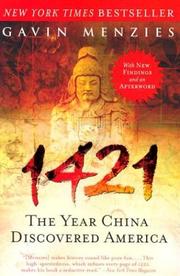
The claim that a Ming Chinese fleet reached the Americas before Columbus.
Recommended by: Samantha Wong, Simon Sinek
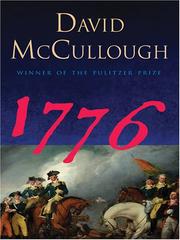
The men who marched with George Washington in the year of independence.
Recommended by: Jim Collins, Mohnish Pabrai
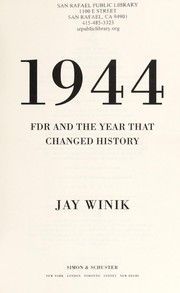
The year that could have stalled the Allies, and how the war turned.
Recommended by: Keith Rabois
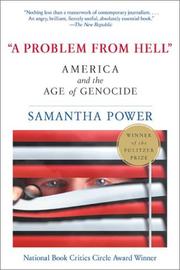
Why American leaders who vowed never again failed to stop modern genocides.
Recommended by: Patrick Collison
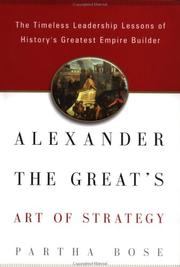
Leadership and strategy lessons drawn from Alexander the Great's campaigns.
Recommended by: Mohnish Pabrai