Europe, Britain and Russia
Politics and political economy of Britain, the euro area, the Nordic countries, Russia, Ukraine, Central Asia and the post-communist states.
Start here
- The Socialist System: The Political Economy of CommunismJános Kornai, 1992
- Economics of ShortageJános Kornai, 1979
- Poland's Jump to the Market EconomyJeffrey Sachs, 1993
- Socialism, Capitalism, TransformationLeszek Balcerowicz, 1995
- The Rotten Heart of EuropeBernard Connolly, 1995
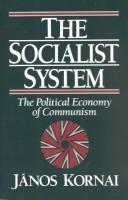
How socialist economies really worked: soft budgets, shortage and party power.

A theory of socialist economies, where chronic shortage is the normal state.
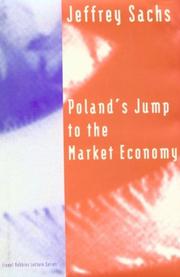
The case for Poland's 1990 shock therapy, from an adviser to the programme.
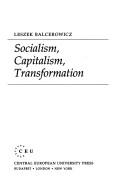
Essays on moving from socialism to markets by Poland's reforming finance minister.
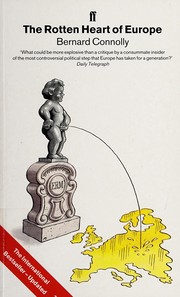
An insider's attack on Europe's exchange rate mechanism and monetary union.
How Romania's planned economy worked in practice, and what followed its end.
What went wrong with Sweden's welfare-state model, leading to the 1990s crisis.
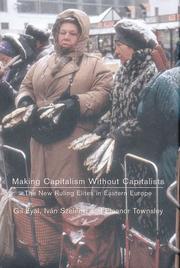
Who took charge of Central Europe's economies after 1989, without a capitalist class.
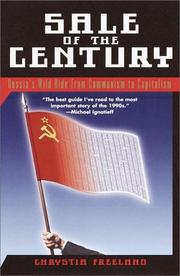
Russia's 1990s privatisation and the rise of the oligarchs, from Moscow.
How Ireland built its growth on foreign investment, told by two who designed it.
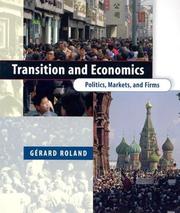
Formal political economy applied to the move from communism to markets.
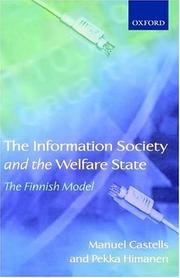
How Finland's welfare state produced a technology cluster.
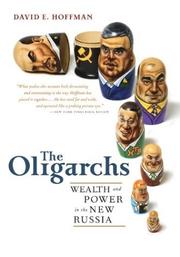
Six men and the mechanics of how they assembled post-Soviet Russia's wealth.

An economist's path from young communist in Hungary to analyst of socialism.
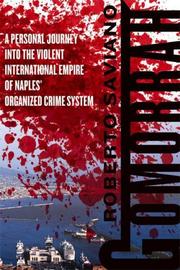
An investigation of a place living under the rule of a murderous crime organisation.
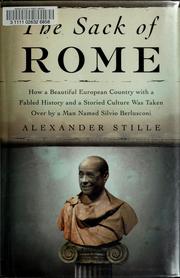
How Berlusconi used media ownership to gain power and capture Italy's regulators.
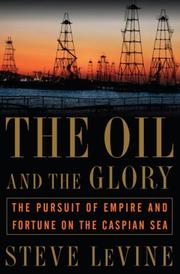
The fight for Caspian Sea oil from the 19th century to the present.
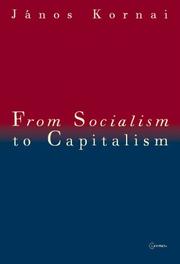
Eight essays on the post-1989 move from socialism to capitalism.
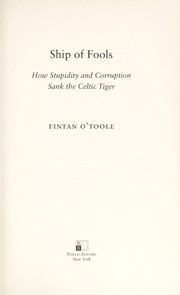
Ireland's crash was the product of its political culture, not global finance.
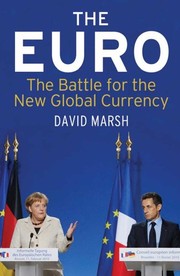
The politics of the euro from postwar plans to its first decade.
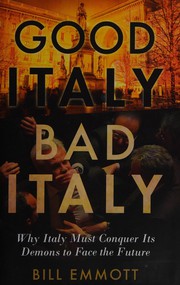
Why Italy's economy underperformed, and the firms and places showing it can change.
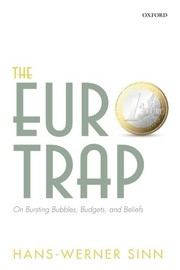
Southern Europe lost competitiveness under the euro; a German critic's remedies.
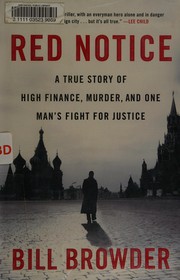
An investor in Russia is expelled, his firms seized, and his lawyer Magnitsky dies.
“Bill Browder’s Red Notice: A True Story of High Finance, Murder, and One Man’s Fight for Justice is one of the best books I’ve read this year.” — Brad Feld
Recommended by: Brad Feld, Christopher Bloomstran and 7 others
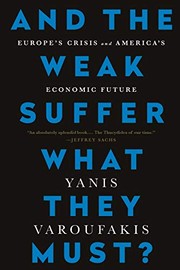
The euro's design flaws traced back through the postwar monetary system.
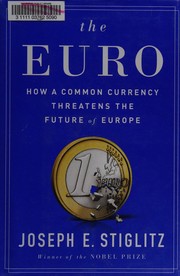
The euro rests on false assumptions; Europe must complete the union or end it.
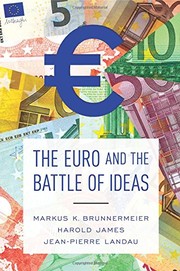
The euro crisis as a clash between German and French economic traditions.
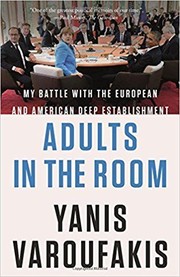
Greece's 2015 debt talks with its creditors, by its finance minister at the time.
How the Greek economy actually works: its product markets, courts and firms.
How Central Asia's rulers use offshore firms, foreign banks and Western property.
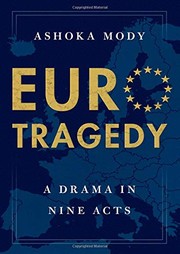
The euro from its intellectual origins to 2018, in nine acts.
How Poland achieved Europe's fastest sustained growth after 1989.
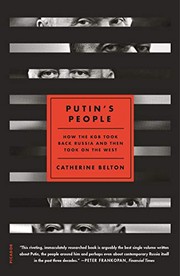
How a KGB network took back control of Russia's economy under Putin.
What happened to Eastern Europe in the thirty years after 1989, measured.
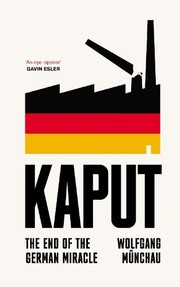
Why Germany's economic model has ended, and why the causes are structural.
Sweden in the thirties as a middle way between capitalism and socialism.
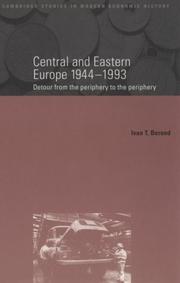
The economic history of Central and Eastern Europe from Soviet rule to transition.
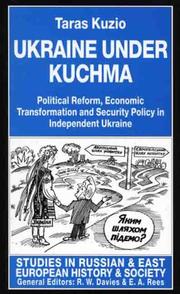
The Kuchma years in which Ukraine's oligarchic structure formed.
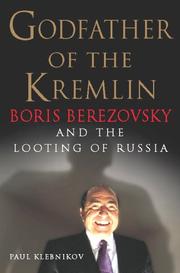
Boris Berezovsky and the businessmen who looted Russia after the Soviet collapse.
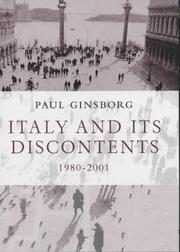
Italy from 1980 to 2001: family capitalism, patronage and the state.
Kazakhstan a decade after independence: oil wealth, state building and its limits.
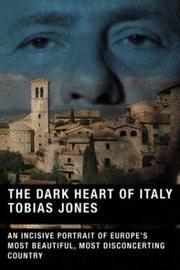
A writer who moved to Italy in 1999 on its courts, bureaucracy and darker side.
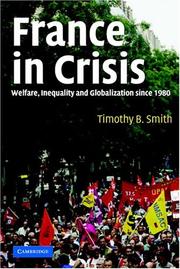
How the French social model protects insiders at the expense of everyone else.
How Poland's Solidarity union won the transition and lost the workers after it.
How Norway designed its oil licensing system, told by the geologist behind it.

A UK ambassador's account of Uzbekistan's cotton trade and its abuses.
Ukraine's 2004 Orange Revolution, the oligarchs and why they kept their assets.
A comparative history of the move from communism to markets in 21 countries.
How Nordic economies combine openness and flexible markets with high taxes.
What the Nordic model is, where it came from and where the countries differ.
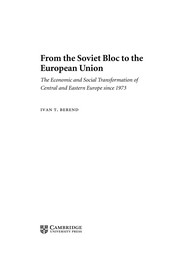
Central and Eastern Europe's economies from late socialism to joining the EU.
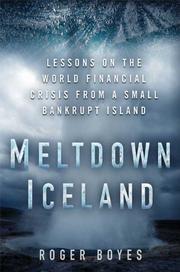
How Iceland went bankrupt, reported by a Times journalist within a year.
A critical account of Poland's move to a market economy tied to European production.
Salazar and the corporatist Estado Novo economy he ran in Portugal.
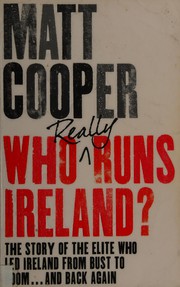
The developers, bankers and politicians behind Ireland's property bubble.

Why Ireland's growth model was fragile, and what its collapse means for recovery.
Why ownership structure, not oil itself, set post-Soviet states' fortunes.
Economic research on Sweden's reforms after its crisis of the early nineties.
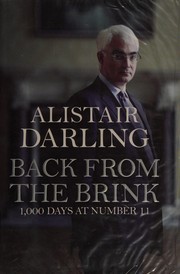
A UK chancellor's memoir of the bank crisis, the guarantee and nationalisations.
A Solidarity adviser's critique of Poland's transition and its social cost.
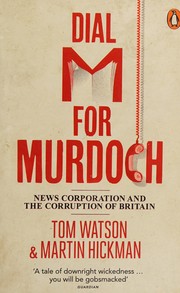
Phone hacking at News International and the fight to expose it in Parliament.
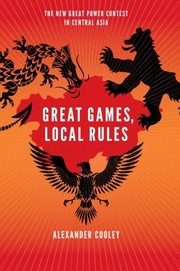
How Central Asian states play the outside powers off against each other.
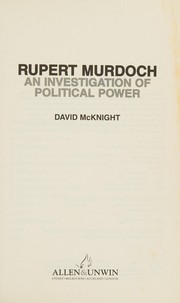
Rupert Murdoch's political power, arguing his politics drove his business.
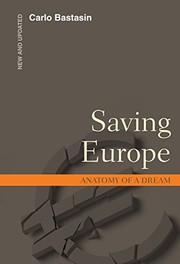
The 2010-12 euro-zone rescues and the national politics behind each one.
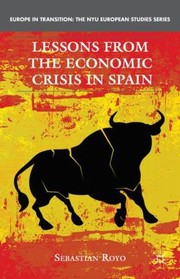
Spain's boom and bust: the cajas, the construction bubble and the bank bailout.
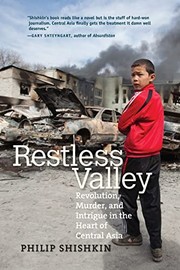
Kyrgyzstan's revolutions, asset seizures and the Bakiyev family's businesses.
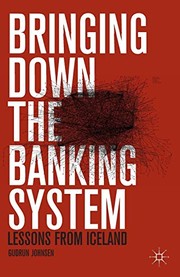
How Iceland's three big banks collapsed, from the parliamentary inquiry's evidence.
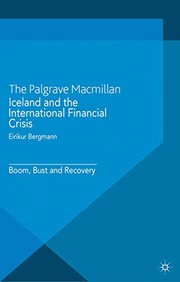
Iceland's banking boom and collapse, read through its national identity and politics.
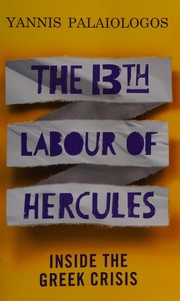
Greece's crisis seen from inside: how its state and institutions failed.
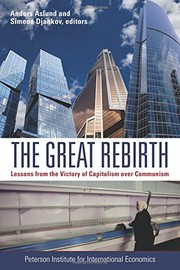
Essays by economists and reformers who ran the post-communist transitions.
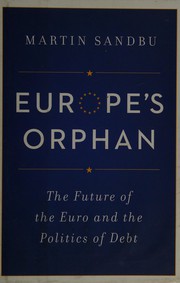
The case that crisis policy, not the euro's design, did the damage in Europe.
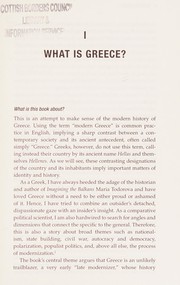
How modern Greece's state developed, up to the debt crisis that began in 2010.
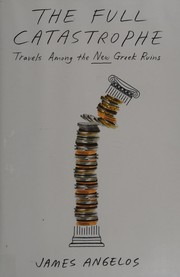
Greece's crisis seen in its villages and streets: tax evasion and informal work.
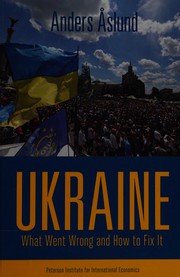
Ukraine's oligarchs, gas rents and crisis, and the reforms needed after the Maidan.
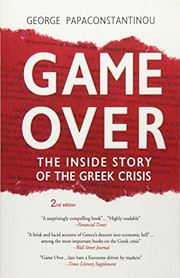
The Greek debt crisis and first bailout, told by the finance minister who signed it.
Why Orban's Hungary is a new kind of regime, a post-communist mafia state.
How Viktor Orbán won and holds power in Hungary through nationalism and patronage.

The insecure jobs and falling mobility behind Germany's export success.
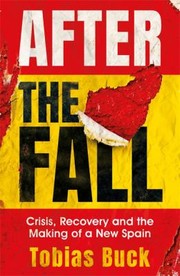
Spain's financial crisis, its bank rescue and the shape of the country's recovery.
Kazakhstan under and after Nazarbayev, reported from across the country.
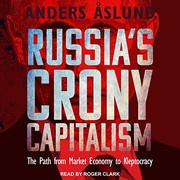
How Putin's Russia runs as a system of rent extraction by his circle.
A framework for post-communist regimes, built on the Hungarian case.
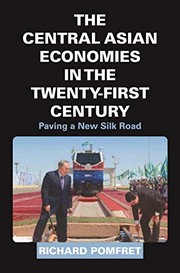
A comparative survey of the five Central Asian economies since independence.
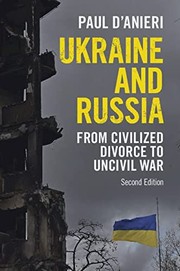
Gas transit, trade dependence and the economics under the Ukraine-Russia conflict.
A history of Hitler's empire from its rise to its fall.
Recommended by: Jim Collins, Sam Parr
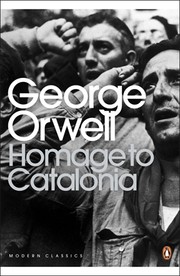
A memoir of fighting in the Spanish Civil War.
“Four books on the Spanish Civil War, which was the trial run for the hundred years of Western history that followed: The Spanish Civil War by Hugh Thomas Homage to Catalonia by George Orwell” — Marc Andreessen
Source: What I've Been Up To Lately — Marc Andreessen, a16z.com
Recommended by: Marc Andreessen
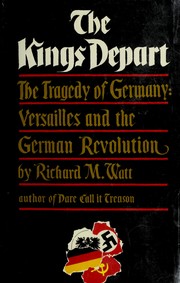
How Versailles and the German revolution of the war's end became Germany's tragedy.
Recommended by: Paul Graham
The Soviet apparatus of camps and repression, told from 200 prisoners' accounts.
Recommended by: Balaji S. Srinivasan
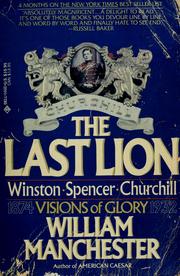
Winston Churchill's years out of power before he became prime minister.
Recommended by: Jim Collins, Mohnish Pabrai, David Sacks and 1 other
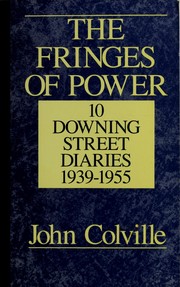
The diaries of a private secretary to Winston Churchill over fifteen years.
Recommended by: Patrick Collison
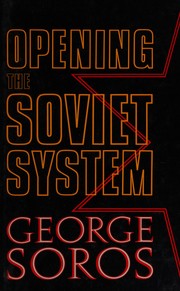
A financier's account of his growing involvement in opening up the Soviet system.
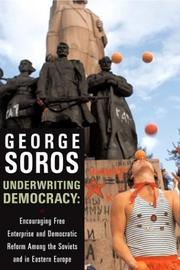
A financier's work to encourage free enterprise and democracy in Eastern Europe.
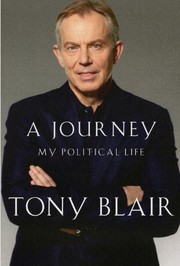
A British prime minister's memoir of his political life.
Recommended by: Patrick Collison
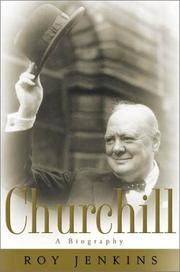
A narrative biography of Winston Churchill's nearly sixty years in British politics.
Recommended by: Mohnish Pabrai
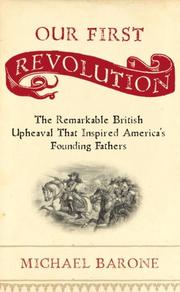
How Britain's Glorious Revolution of 1688-89 shaped the ideals of America's founders.
Recommended by: Mohnish Pabrai
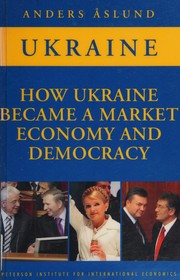
Ukraine's move to a market economy and democracy since independence.
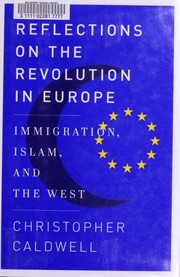
How mass immigration and Islam changed Europe without forming a melting pot.
Recommended by: Patrick Collison
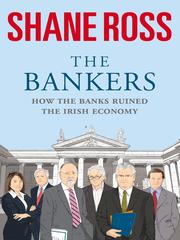
The bankers, boards and regulators behind Ireland's banking collapse.
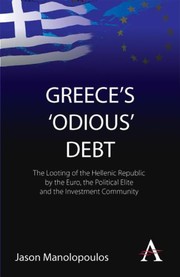
How Greece built up its debt during the euro years, and who was responsible.
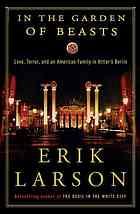
America's first ambassador to Hitler's Germany and his family in Berlin.
Recommended by: Sophie Bakalar
How firms in Denmark, Finland, Norway and Sweden reorganised for globalisation.
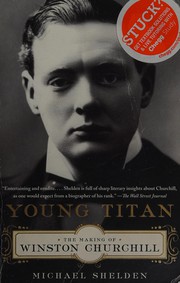
Churchill from twenty-six to forty, from building a navy to the Western Front.
Recommended by: Mohnish Pabrai
Whether the European Union can survive the euro crisis and rising nationalism.
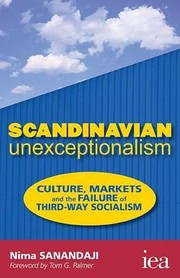
The case that Nordic prosperity came before the welfare state, not from it.
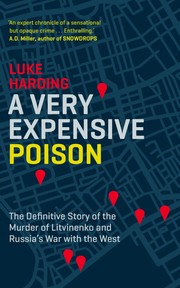
The poisoning of a dissident former spy, and the investigation into his murder.
Recommended by: Marc Andreessen
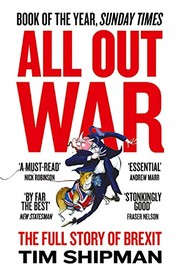
The campaign behind Britain's referendum on leaving the European Union.
Recommended by: Marc Andreessen
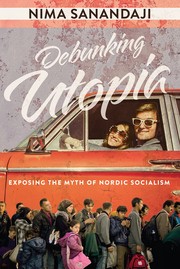
Why American admirers misread Nordic social democracy.
Studies of the blame, protest and rebuilding that followed Iceland's bank collapse.
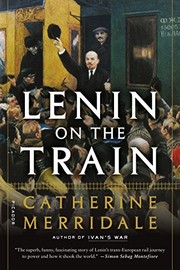
How Lenin crossed wartime Europe in a sealed train and changed world history.
Recommended by: Marc Andreessen
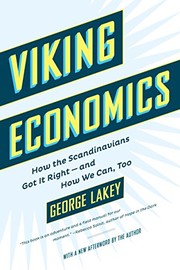
How the Nordic model works in four countries, and how America could adopt it.
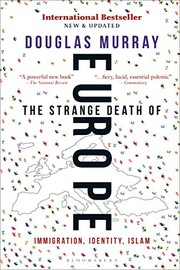
Europe's demographic and political changes, with reporting from across the continent.
Recommended by: Antonio García Martínez, Marc Andreessen
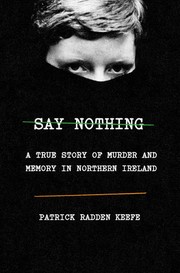
The murder of a Belfast widow as a way into the history of the Troubles.
Recommended by: Barack Obama
A history of the French Revolution and the modern world it created.
Recommended by: Marc Andreessen
How Nokia made Finland's elite serve the company's interests.
Edmund Burke and Charles Fox, great orators and political allies for 25 years.
A life of Lenin that uses his personal relationships to explain his politics.
“Well, so I have been reading Victor Sebestyen's Lenin biography which that's Vladimir Lenin, Vladimir Ilyich ...” — Ben Horowitz
Source: Transcript: Ben Horowitz
Recommended by: Ben Horowitz, Marc Andreessen
The judges, decisions and rivalries of Ireland's Supreme Court.
Recommended by: Brad Feld
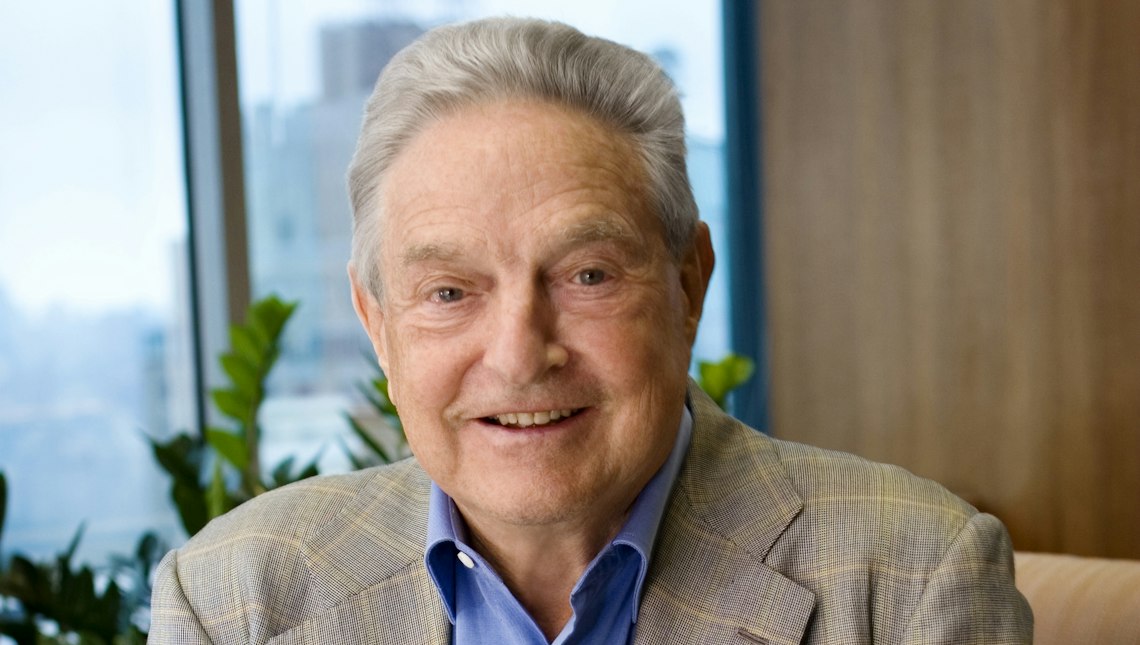 George Soroswrote 3 books here
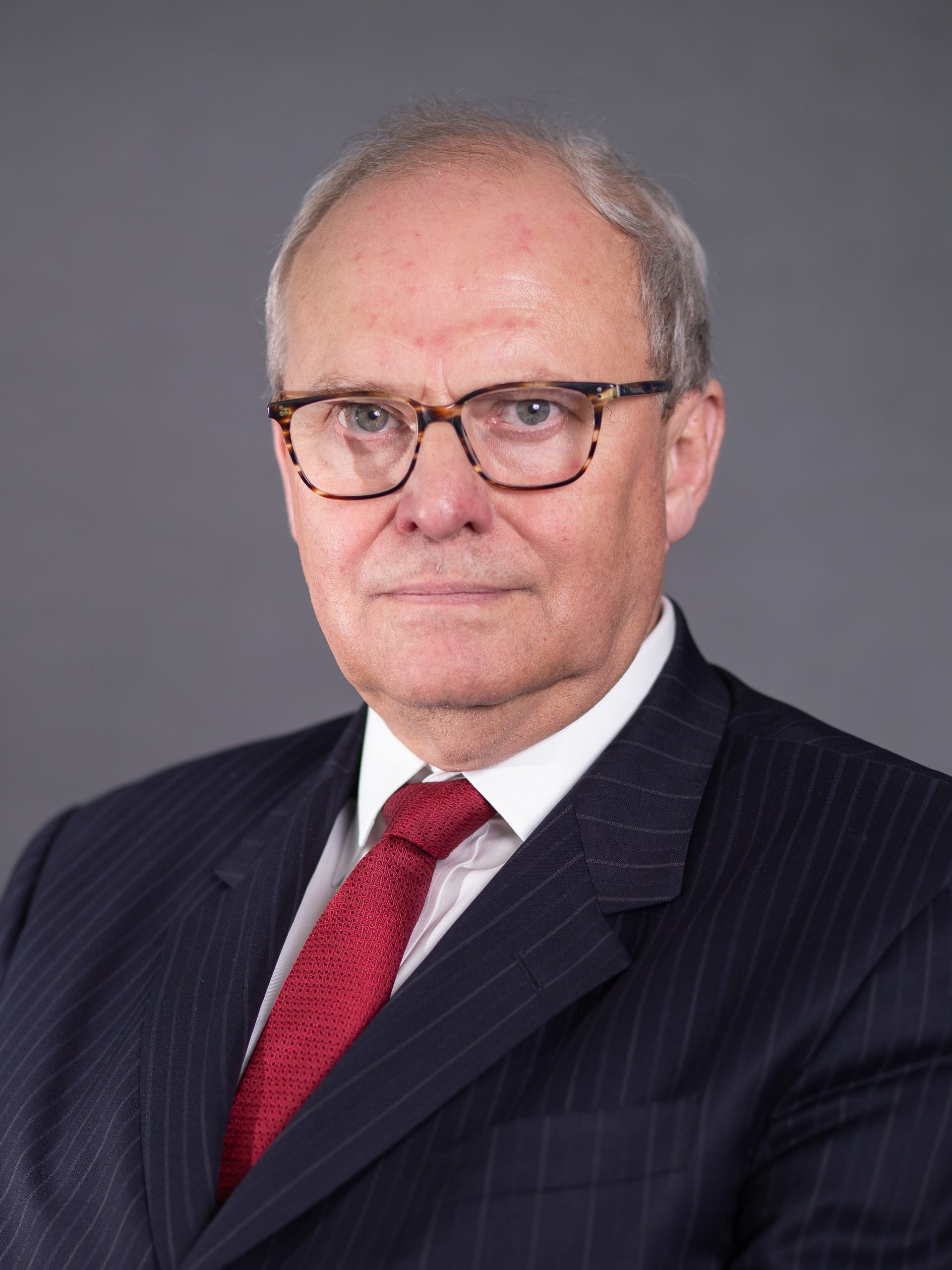 Anders Aslundwrote 2 books here
 James Grantwrote 1 book here
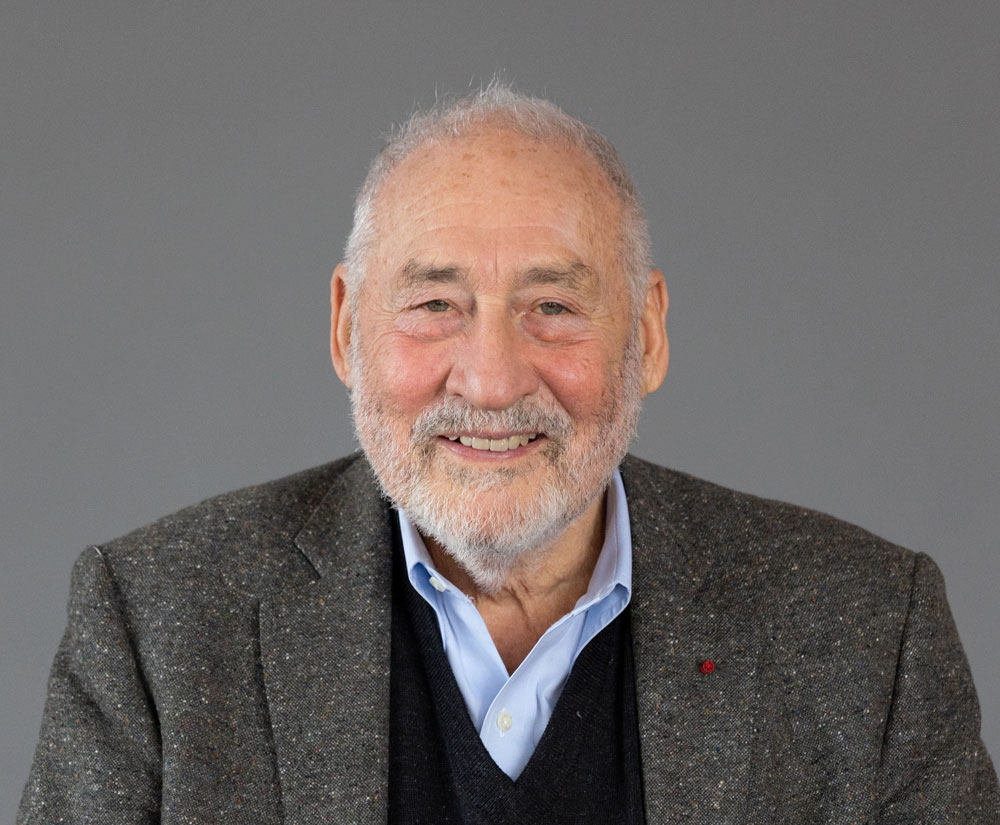 Joseph E. Stiglitzwrote 1 book here
 Marc Andreessenrecommends 7 books here
 Mohnish Pabrairecommends 5 books here
 Patrick Collisonrecommends 5 books here
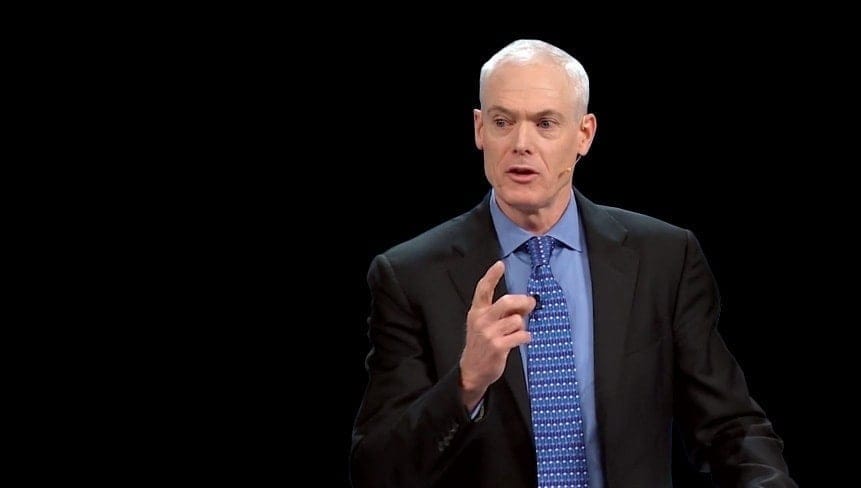 Jim Collinsrecommends 2 books here
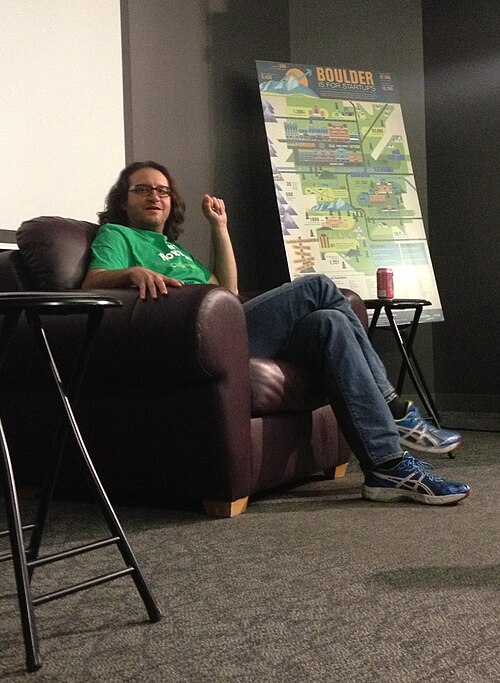 Brad Feldrecommends 2 books here
 Balaji S. Srinivasanrecommends 2 books here
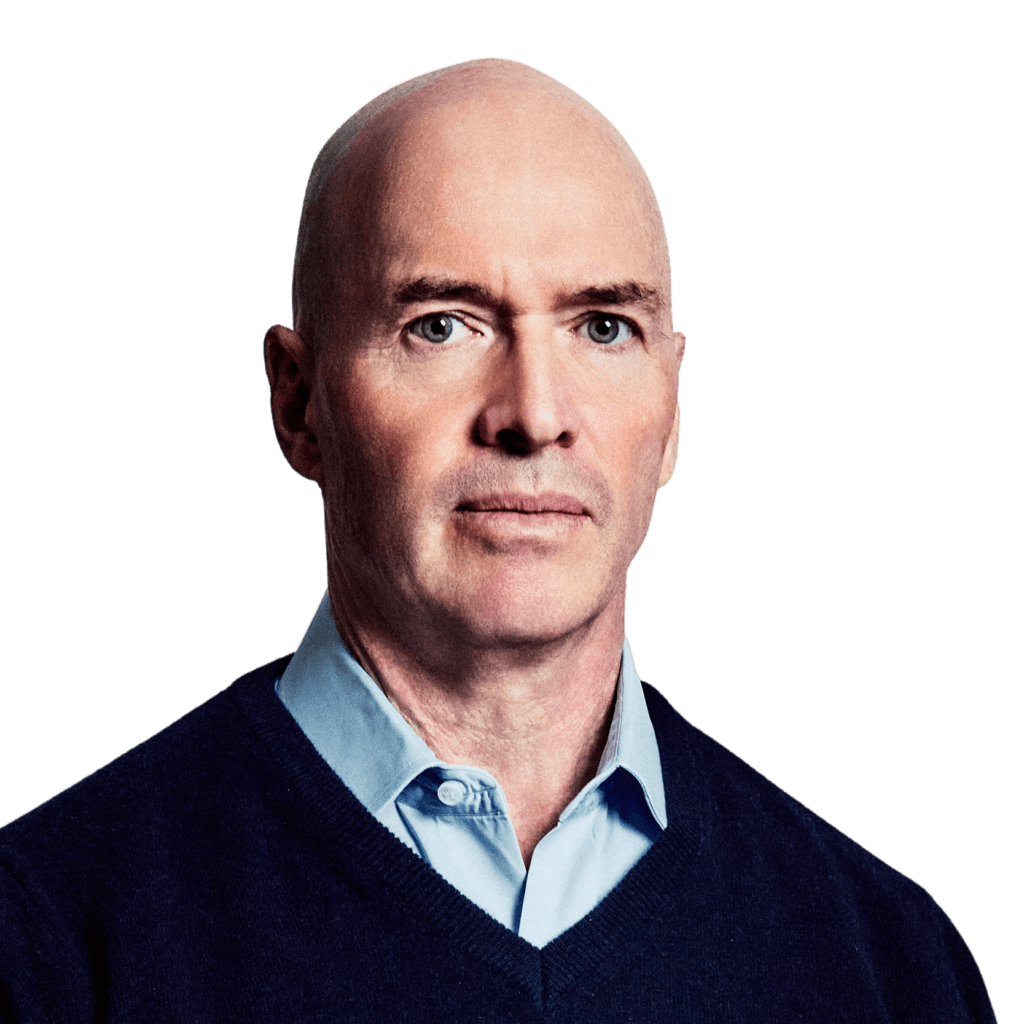 Ben Horowitzrecommends 1 book here
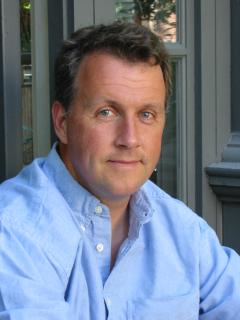 Paul Grahamrecommends 1 book here
 Antonio García Martínezrecommends 1 book here
 Barack Obamarecommends 1 book here
 David Sacksrecommends 1 book here
Show all 21
 Jason Calacanisrecommends 1 book here
 Keith Raboisrecommends 1 book here
 Larry Ellisonrecommends 1 book here
 Nat Eliasonrecommends 1 book here
 Nick Crockerrecommends 1 book here
 Peter Attiarecommends 1 book here