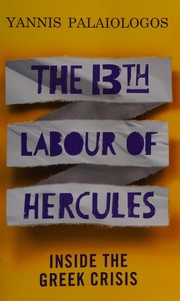
The 13th Labour of Hercules
Greece's crisis seen from inside: how its state and institutions failed.
Reporting on how Greek institutions failed, sector by sector.
Summary
Yannis Palaiologos is a Greek journalist, and he wrote this account of his country's crisis from inside rather than from the perspective of European negotiations. His subject is the Greek state and economy as they actually function, and why the reforms demanded by creditors met the resistance they did.
The reporting proceeds through cases. He covers the closed professions, in which entry to occupations from pharmacy to trucking was restricted by licence, and the political constituencies that defended each. He covers the public administration, its hiring practices, and the clientelist relationship between parties and voters that made public employment a currency. He covers the health system, tax collection and evasion, the university system, and the shipping industry's special tax position. Each chapter follows individuals affected.
His argument is that Greece's crisis was a crisis of the state before it was a crisis of the euro or of sovereign debt, and that external pressure produced austerity without producing the institutional reforms that would have made recovery possible. He is critical of the creditors' programme design and equally critical of the Greek political class. The book was published in 2014, before the Syriza government, the 2015 referendum and the third bailout. It is journalism and offers no economic analysis of the debt sustainability question, which was the central technical dispute.
Key takeaways 7
- Greece's crisis originated in the failure of its state institutions rather than in the euro or in sovereign borrowing alone.
- Closed professions restricted entry to occupations across the economy and each restriction had a political constituency defending it.
- Public employment functioned as the currency of clientelist politics, which made administrative reform an attack on the party system.
- Austerity imposed by creditors reduced spending without reforming the institutions that made spending ineffective.
- Tax evasion in Greece was structural rather than marginal, and enforcement failed because the administration was itself politicised.
- Palaiologos argues that the Greek political class and the European creditors both preferred the fiction of a solvable liquidity problem.
- Reform failure produced the political conditions for the anti-establishment parties that followed.
Who should read it
Investors and analysts of the euro crisis who want the domestic institutional account of why Greek reform failed rather than the negotiation narrative.
Similar books 6
Chosen by shared topics, the entries that hold them, and the people who recommended both.
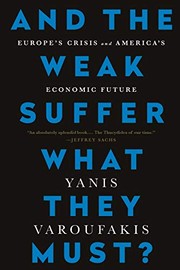
The euro's design flaws traced back through the postwar monetary system.
How the Greek economy actually works: its product markets, courts and firms.
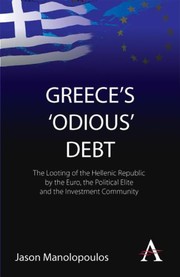
How Greece built up its debt during the euro years, and who was responsible.

How Iceland, Greece, Ireland, Germany and California each spent cheap credit.
“And if you just are curious and want a good “real life is better than fiction” kind of read, you can get that also from Boomerang.” — Brad Feld
Source: Book: Boomerang: Travels in the New Third World — Feld Thoughts
Recommended by: Brad Feld, Mohnish Pabrai, Alfred Lin and 1 other

Why Ireland's growth model was fragile, and what its collapse means for recovery.
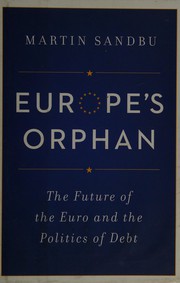
The case that crisis policy, not the euro's design, did the damage in Europe.
Where it sits in the reference 2
Topics 3
As an Amazon Associate I earn from qualifying purchases.