Updates

  1. 137 new fund letters and reports, each with its own page: Kayne Anderson Rudnick (48 market briefings, KayneCast episodes and TV commentaries), Shelton Capital Management (48 shareholder reports and a commentary), Lakehouse Capital (10 Small Companies Fund letters), Smead (5 newsletters), RIT Capital Partners (5 monthly commentaries), Kovitz, Legal & General, Generation, Hosking, Marram, Munro, Oldfield and others.
  2. 200 new fund letters and reports, each with its own page: Spheria (41 monthly reports), Peapack Private (41 weekly recaps and planning newsletters), Fort Washington (23), Polen Capital (15), Aristotle Pacific (14), Riverwater (13), Chou (10), Apollo Asia Fund (8, back to 1998), Personal Asset Trust, Rockwood Strategic, J Capital Research, I/O Fund, Penn Davis McFarland, Pomona and others.
  3. Investor pages have one Investments tab with shares, changes, % owned, class, market cap and Market cap and Status filters, a Funds tab listing each fund the firm runs, and assets under management from Form ADV. The Investors table shows AUM and current investments, and its search finds investors by what they hold.
  4. Filters, search and sort stay as you left them when you come back to a section. Person cards look like book cards. Company pages name their Investors tab Ownership. Kind and Sector filters use four kinds and GICS sectors with industries. Dead links left the Links tabs.
  5. 190 more investors from fiscal.ai's list, with their sites, letters, partners and 13F holdings; 556 more partner descriptions. Experts now lists only people.
  6. Fund letters lists 144 new documents from 23 firms, each with its own page: a summary, key insights and quotes. Among them: 37 BlackRock articles, 21 Value Partners monthly notes, eight Baron Capital letters, six Stone Sentinel letters to partners, seven Value Line portfolio manager Q&As, BNY's 2026 earnings releases and Starboard Value's 2026 conference presentations.
  7. 584 more investors, with their websites, 6,776 letters from their own sites, 1,385 partners with pages and the 13F holdings of 213 firms. New letters arrive daily from 290 more archives.
  8. Media and Companies filter by GICS sector and industry group, taken from the companies an episode or page names. 1,860 more company pages show a logo, the SEC's list included.
  9. The home page counts what the platform holds and lists features such as the document reader, the player and saved marks. Settings sits at the foot of the rail. Book cards are a quarter wider, so rows hold fewer. Companies drops the Named in filter, and the Role list in your account runs A to Z.
  10. Investor pages of 13 firms show their newsroom's latest posts. New 13F filings are read as the SEC publishes them.
  11. Investor pages have an Investments tab: 13,975 holdings for 105 investors, from their 13F filings with the SEC and their own portfolio pages, with status and sector. 7,338 more companies have a page of their own.
  12. A podcast or YouTube episode keeps playing while you move around the site, in a bar with skip, speed and volume. Media tables show each episode's length and description.
  13. Press releases come from each company's own newsroom (167 companies); SEC filings sit on the Filings tab. Tickers name their exchange, and a company's Experts tab includes guests whose episode description names it.
  14. Letter types now include Market commentary, Fact sheet, Interim report, Annual report, Proxy circular and Governance document. The reader opens over the whole window.
  15. Partners of investment firms have 2,836 appearances and 580 pieces of writing on their pages; Derek Sivers's page lists every book he rates, with his rating.
  16. Fund letters lists three Akre Focus shareholder reports: the ETF's annual report for the year to July 2026, its semi-annual report to January 2026 and the fund's semi-annual report to January 2025, each with its own page: a summary, key insights and quotes.
  17. 837 partners of 73 investment firms now have their own pages, with title, description, photograph and social accounts; Andreessen Horowitz partners' pages also list their writing on a16z.com.
  18. Company pages have a Press releases tab: 8,229 releases for 203 companies, from SEC filings and company newsrooms. Companies filter by For-profit or Non-profit. Own media is a table with filters. Media filters by sector and industry. Publication pages link their publisher in the description.
  19. The Unilever page's Letters tab shows what each fund letter says about Unilever, word for word with its page, and whether the letter is bullish, bearish, mixed or neutral. Filter by sentiment, and see 10 letters at a time.
  20. 492 more fund letters and 3,183 more articles show the day they were published, read from each letter's first page or each article's own page.
  21. The PDF reader has a search box: type words to see every match in the document and step through them. About 540 letters that were web pages, among them Oakmark's commentaries, Bill Miller's letters and Howard Marks's memos, now open in the reader.
  22. Person pages: recommendations open with tier 1 books; one button per organisation; transcripts sit on their episodes; the books on 129 reading lists joined the Recommends tabs.
  23. Companies lists every company with a ticker on the SEC's list, with a Source filter. A quote on a company page opens the letter at that page with the words marked. A company's Media tab lists only episodes that name it, and a new Own media tab lists its podcasts, publications and YouTube channel. Show pages link their publisher. A page opened from a table no longer shows that table's filters beside it.
  24. Company, investor and person pages show more of their social accounts: Facebook, TikTok, Bluesky, Medium, GitHub, Discord and podcast shows. Investor pages list every partner the firm's own team page names: 965 people across 73 investors, 98 for Andreessen Horowitz.
  25. About 170 more letters and papers open in the reader: Mohnish Pabrai's letters and transcripts from his site's new folder, and free copies of papers by Asness, Harvey, Altman, Lo and others from their own or their schools' sites.
  26. Every company a fund letter names has a page, with the letters and quotes that name it: 47 new pages, among them Atom Computing, Hugging Face, Rolls-Royce Holdings and Westinghouse Electric. Company pages have a Quotes tab.
  27. A person's Writing tab has a Type column and filter (Article, Essay, Transcript, Speech, Foreword, Interview and the rest), and Publication names only the publication that published each piece.
  28. Fund letters opens on the newest published letter, and a letter or paper found by search opens its own page here instead of the publisher's site.
  29. A letter or paper with a copy on the site opens its PDF over its page, with a button to open it in a new tab. Select text to highlight or underline it; signed-in readers keep their marks in their account. Each quote opens the PDF at its page with its words marked, and a Source link leads to the publisher's original.
  30. Fund letters lists 61 more documents, each with its own page: Fairfax's 2025 and 2026 interim reports, proxy circulars and 2025 annual report (with their French editions), 26 Charlie Munger meeting transcripts, talks and essays, Third Point's 2026 monthly reports and Malibu Life's interim results, and a Seth Klarman interview. Papers adds Richard Thaler's two 2020 editorials on nudges.
  31. Fund letters lists Lux Capital's letters for Q2 and Q3 2026, by Josh Wolfe, each with its own page: a summary, key insights and quotes.
  32. Fund letters lists Brookfield's letter to shareholders for Q3 2026, by Bruce Flatt, with its own page: a summary, key insights and quotes.
  33. Fund letters lists Howard Marks's memo of 11 November 2026, A Layman Thinks About AI, with its own page: a summary, key insights and quotes.
  34. Fund letters lists 118 more letters, each with its own page: 44 weekly commentaries by Jeremy Siegel from 2026, 31 issues of Van Tharp's newsletter from 2018, 23 Pabrai Investment Funds letters from 2021 to Q3 2026, 13 Efficient Frontier essays by William Bernstein, Oakmark's three 3Q 2026 commentaries, two Lindsell Train reports, a John Hussman comment and Third Point's Q3 2026 letter.
  35. 2,027 more books carry a one-line description in the Books table and on their pages; 7,067 of 7,715 have one, every tier 1, 2 and 3 book among them.
  36. Fund letters lists 187 more letters from 19 firms, among them Permanent Equity, Social Capital, Lux Capital, Square Peg, Bestinver, Cobas, Sequoia Fund, Marketfield and EquityCompass; each shows on its investor's page and has a page of its own.
  37. 2,928 more books carry a one-line description in the Books table and on their pages, so every tier 1, 2 and 3 book has one; 5,040 in all.
  38. Every publication on Newsletters has its own page: its writing, its writers, its staff and who recommends it. Investor pages have a Management tab; a company's Experts tab now leaves out its own people, who list under Management. Tabs on a phone move sideways only.
  39. Every fund letter and research paper has its own page: the thesis, the PDF, the companies and books it names, and for 176 letters and 24 papers so far a summary, key insights and quotes with their page.
  40. 99 books that no page listed now sit under their topics in Books, among them Caste, American Prometheus and Pale Blue Dot.
  41. Newsletters lists every newspaper, magazine, investment newsletter, journal and blog the reference holds, 442 in all, with the people who write there. The search box keeps your last 20 searches. You can create an account.
  42. 283 books that fund managers recommend in their letters are on the shelf, each with the letter's own words and page; investor pages have a Recommends tab.
  43. Person, company, investor and show pages link their own accounts on X, Threads, Instagram, LinkedIn, YouTube and Substack: 275 people, 552 companies and organisations, 88 investors and 478 shows.
  44. 716 more book recommendations name their source: the person's own reading list, letter, blog post, speech or interview, or an article that reports it. 232 of them quote the person's own words about the book, on the book card and on the book's page.
  45. Every US-listed company has a page with its SEC filings. Company pages list their experts and their management, past and present. Fund managers sit under Investors. Each show has a page of its episodes, and an episode page names its guests and hosts. Biographies lists groups, then people. Breadcrumbs show where a page sits.
  46. Media lists every podcast episode, video, interview and talk, over 10,000, by person, company, publisher and event; each filter searches its own choices. Books opens on its table, then Browse, then Authors and Recommenders. A filter's count no longer covers its arrow.
  47. A book that no company, country or subject page lists shows its topics under Where it sits in the reference. On a phone, a page's tabs scroll sideways only. Descriptions read the same on every page. See them in the Experts tab lists every expert the page names.
  48. Every podcast episode, video and interview has its own page with a video or audio player and a link to the source. Investor pages show each company's sector and market cap; firms such as Berkshire Hathaway have one page that holds their letters and their company tabs. Letters tabs filter by company and search the theses. Companies filter by Public, Private and Defunct and link each company's website.
  49. Every tab, view and search has its own address, such as /books/table/asset or /letters/companies, so Back works and a link opens the same place. Page addresses no longer end in .html. Fund letters, Investors, Companies and Papers load about a fifth of the data they did.
  50. Fund letters has a Companies tab: every company the letters name, with its market cap, sector, country, and how many letters and investors name it. Investor pages link each investor's website. Lists in table cells end with “… and N more” at every width.
  51. 1,120 more book summaries; descriptions for 373 papers; pages for 137 more companies, each with the fund letters that discuss it; 215 official photographs; search has its own page.
  52. 411 more books have a summary; person pages list 930 more of the books they wrote; 147 people show their official photograph.
  53. Every investor has a page with its letters and the companies they discuss; company pages list the investors whose letters name them.
  54. A Companies section at the top of the rail lists every company the books, experts and fund letters name.
  55. Person pages list letters, writing, profiles and links as sortable tables with filters, and show each person's companies as links; Fund letters show each letter's description in its own column.
  56. Experts show a checked job title and a short description of each person; 30 more people have photographs.
  57. Every company, fund, university and publication the experts work for has a page listing the people there.
  58. Fund letters show each letter's thesis and filter by it; 225 person pages list the essays, columns and newsletter issues the person wrote.
  59. Person pages list every essay and newsletter issue a person wrote, and their own books as a table in List view.
  60. Recommends shows the five largest kinds of book and the rest under More; browse pictures load sooner.
  61. Podcasts and talks link the original episode, filter by Audio and video or Press, and list each publisher once.
  62. Pages are wider, Recommends has List and Grid, and a filter clicked again turns off.
  63. Book cards sit in a ruled grid with Open Library and Goodreads links and each book's one-line note.
  64. Funds is now Investors; each investor's styles are buttons that filter the table.
  65. Podcasts and talks on a person's page filter by year and publisher and show as a list or a grid of pictures.
  66. Quotes show only people's own words: 472 summaries written by list sites are gone.
  67. Country pages open from Browse again, and every link on the shelf lands on a page.
  68. Subject and person pages show their sections as tabs, and each book appears once on a person's page.
  69. Book cards show the quote, who said it and the source; grids show five cards to a row.
  70. On a phone, a menu holds the sections, search, Updates, Feedback and dark mode.
  71. Feedback takes a screenshot of the page with no browser prompt, opens a screenshot full size when you click it, and clears itself once sent.
  72. Book cards are centred, search names the topic each book sits in, and any text cut short shows whole on hover.
  73. Search groups its results by kind: people, companies, geographies, subjects, topics, books, funds, fund letters and papers.
  74. The Books table lists who recommended each book by name, and the browser tab names the section you are in.
  75. Feedback can take a screenshot of the page, or one you paste or choose, and opens in the corner beside Updates.
  76. Each rail button reopens its section where you left it, and Browse, Table and People show on every book and subject page.
  77. Filters grey out choices that hold nothing instead of hiding them, and Books › People filters by authors or recommenders.
  78. Feedback takes a subject line and up to three screenshots.
  79. Biographies are grouped by the person they are about: 41 new pages, from Abraham Lincoln to Lee Kuan Yew.
  80. Sport splits into 23 sports, and Religion into one topic per faith.
  81. Book lists show as cards: the cover, one recommendation quote and every recommender by name.
  82. Seventeen subjects that had two or three pages under different names now have one page each.
  83. Every page lists its Experts as authors and recommenders, with a link to them on the Experts tab.
  84. Economics, Financial history, Financial panics and Accounting are subjects of their own, with one page per financial crisis.
  85. Book, person and subject pages open inside the app, so the tabs stay in view.
  86. 996 more book covers, and photographs or logos for 227 more people and companies.
  87. Books › Browse shows every subject as cards, and the rail holds Fund letters, Papers, Experts, Books and Funds.
  88. Every topic over 150 books splits into narrower topics, each with a page of its own.

Send feedback

What is it?
Screenshots, up to 3 (optional)
or paste one with Ctrl+V

We use your email only to reply to you.

GD

Globalisation, development and offshore money

Books on trade and globalisation, the debate over capitalism, development economics, foreign aid, resource wealth, tax havens and cross-border kleptocracy.

Start here

  1. The Mystery of CapitalHernando de Soto, 2000
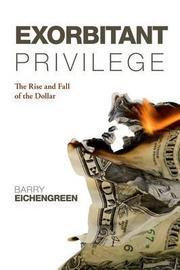
  2. Exorbitant PrivilegeBarry Eichengreen, 2011
  3. The Oil CurseMichael L. Ross, 2012
  4. The Great ConvergenceRichard Baldwin, 2016
  5. Self-Help by the PeopleGeorge Jacob Holyoake, 1858
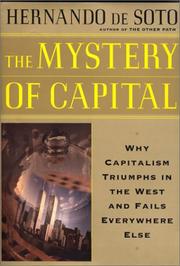
Hernando de Soto · 2000

The poor hold assets but lack the property records that turn them into capital.

Barry Eichengreen · 2011

How the dollar became the world's currency, what it gives the US, what may follow.
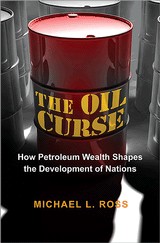
Michael L. Ross · 2012

Why oil-rich countries have less democracy, less stability and more civil war.
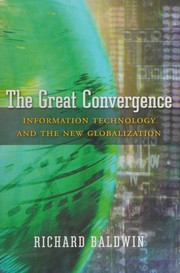
Richard Baldwin · 2016

Globalisation's two phases: cheap shipping of goods, then cheap movement of ideas.

Recommended by: Satya Nadella

George Jacob Holyoake · 1858

The Rochdale Pioneers and the cooperative they founded, told by a contemporary.
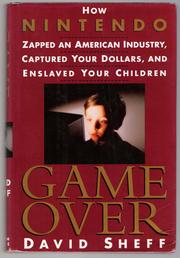
David Sheff · 1993

How Nintendo conquered the American video game market.

Naomi Klein · 1999

Arguments for consumers to question and take on the corporate superbrands.
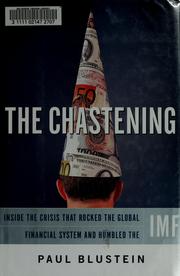
Paul Blustein · 2001

How the IMF handled the Asian and Russian crises of 1997 and 1998, from inside.
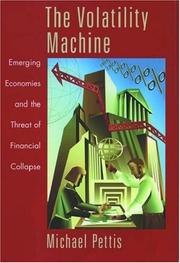
Michael Pettis · 2001

Emerging-market crises come from the structure of national balance sheets.
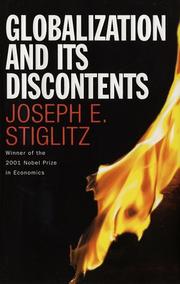
Joseph E. Stiglitz · 2002

An attack on the IMF's one-size-fits-all policies in the crises of the 1990s.

Recommended by: Patrick Collison
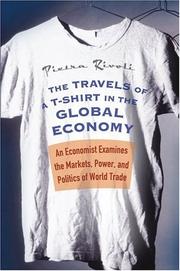
Pietra Rivoli · 2005

One T-shirt traced from a Texas cotton farm to a Chinese factory and beyond.
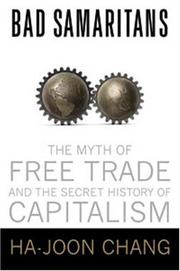
Ha-Joon Chang · 2007

Rich countries urge poor ones to adopt the opposite of the policies they once used.
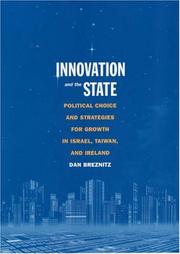
Dan Breznitz · 2007

How Israel, Taiwan and Ireland each used the state to build IT industries.
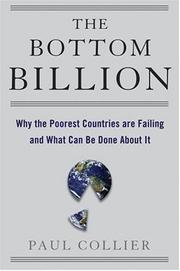
Paul Collier · 2007

Why about sixty poor countries are stuck, caught in traps such as conflict.
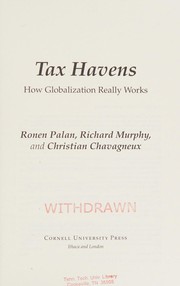
Ronen Palan, Richard Murphy, Christian Chavagneux · 2010

How tax havens work as part of the world economy, not as rogue states.
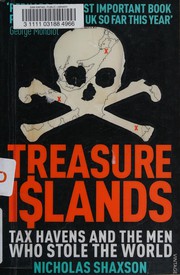
Nicholas Shaxson · 2011

How offshore finance works, with Britain and the City of London at its centre.

Benn Steil · 2013

The 1944 Bretton Woods conference as a contest between Keynes and Harry Dexter White.
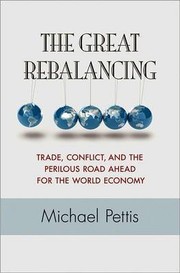
Michael Pettis · 2013

Trade imbalances come from policies that hold down household consumption.
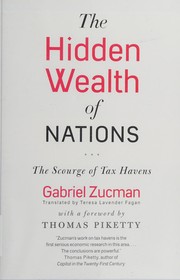
Gabriel Zucman · 2015

How much wealth is hidden in tax havens, and how to tax it.
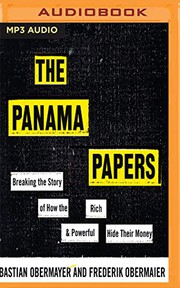
Bastian Obermayer, Frederik Obermaier · 2016

The reporters who received the Mossack Fonseca leak on how they worked through it.
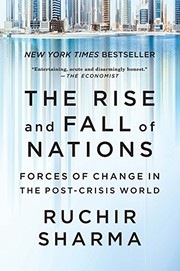
Ruchir Sharma · 2016

Ten rules for judging whether a country's economy will rise or fall.

Recommended by: Patrick Collison
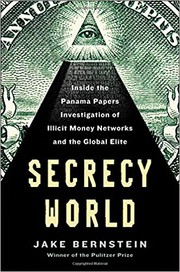
Jake Bernstein · 2017

What the Panama Papers showed about how offshore shell companies are built and sold.

Dani Rodrik · 2017

For trade, but against hyperglobalisation that overrides national choices.
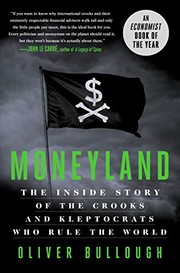
Oliver Bullough · 2018

How the offshore world lets officials who steal money hide it and spend it abroad.
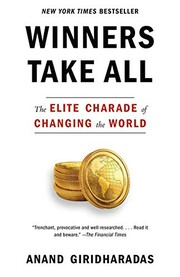
Anand Giridharadas · 2018

How the global elite's efforts to change the world keep the status quo in place.

“This is kind of like Anand's ⁠- I forget his last name ⁠- but the book Winners Take All; we keep looking for these win-win solutions but sometimes we have to lose a little bit so that everybody wins.” — Tristan Harris

Source: The Tim Ferriss Show Transcripts: Tristan Harris — Fighting Skynet and Firewalling Attention (#387)

Recommended by: Tristan Harris, Vinod Khosla, Alexis Ohanian
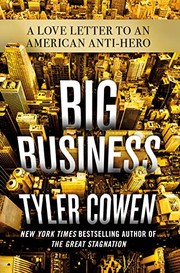
Tyler Cowen · 2019

A defence of American business on fraud, CEO pay, monopoly and tech, issue by issue.
Tom Burgis · 2020

How money from resource-rich autocracies flows into Western finance and law.
Matthew C. Klein, Michael Pettis · 2020

Trade imbalances come from how income is shared within countries.

Andrew Chetley · 1986

The fight over infant formula marketing and the boycott of Nestlé.
George Soros · 1998

Why global markets are unstable, written after the Asian and Russian crises.
Maude Barlow, Tony Clarke · 1999

The case against water privatisation and the companies buying up water supplies.
Peter Drahos, John Braithwaite · 2002

How the TRIPS treaty spread patent and copyright rents worldwide, drugs included.
J. C. Sharman · 2006

How small tax havens defeated the OECD's campaign against harmful tax competition.
Macartan Humphreys, Jeffrey D. Sachs, Joseph E. Stiglitz · 2007

How resource-rich developing countries can avoid the harm resource wealth brings.
David Erdal · 2011

How employee ownership works, and what it does for the towns around such firms.
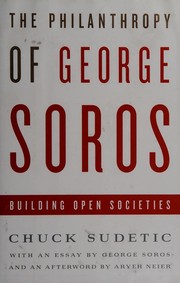
Chuck Sudetic · 2011

George Soros's Open Society foundations and what they funded.
Christopher Balding · 2012

How sovereign wealth funds invest, how they are governed and the reaction to them.

Fred Pearce · 2012

The rush to buy farmland across the developing world, and who loses from it.
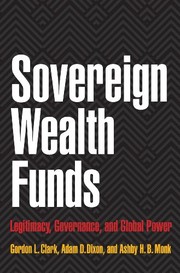
Gordon L. Clark, Adam D. Dixon, Ashby H. B. Monk · 2013

Sovereign wealth funds as institutions: their purpose, governance and power.
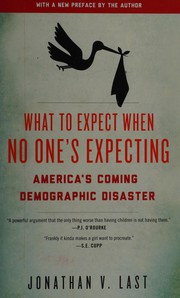
Jonathan V. Last · 2013

Why falling birth rates, not overpopulation, are the economic danger.
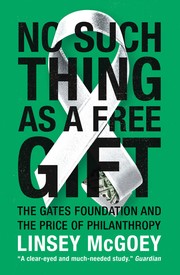
Linsey McGoey · 2015

A critique of the Gates Foundation and the rise of philanthrocapitalism.

Alina Mungiu-Pippidi · 2015

How some societies get corruption under control while others stay corrupt.
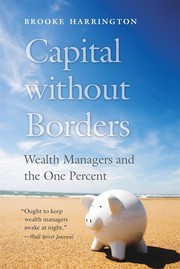
Brooke Harrington · 2016

A sociologist trains as a wealth manager to show how fortunes are shielded offshore.

Bradley Birkenfeld · 2016

The UBS banker who exposed its cross-border tax evasion business, in his own words.

Arkebe Oqubay, Kenichi Ohno · 2019

How countries catch up through deliberate, policy-driven technological learning.
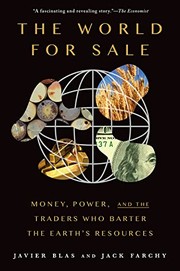
Javier Blas, Jack Farchy · 2021

The history of the commodity traders Vitol, Glencore, Trafigura and Cargill.
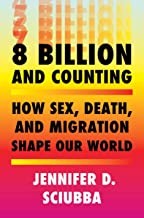
Jennifer D. Sciubba · 2022

A political demographer on what population numbers do and do not determine.

Oliver Bullough · 2022

How Britain built its overseas territories into a deliberate service industry.

Rana Foroohar · 2022

The case that production is relocalising after hyper-globalisation, and should.

Tim Schwab · 2023

An investigative case against the power of the Gates Foundation.

Thomas Pakenham · 1990

The European conquest of Africa in the late nineteenth and early twentieth centuries.

Recommended by: Patrick Collison
Michael E. Porter · 1991

A study of Canadian competitiveness, using the framework of national advantage.
Robert B. Reich · 1991

The social and economic questions that global capitalism will put to policy makers.

Recommended by: Mohnish Pabrai

Lester C. Thurow · 1992

The post-Cold War economic contest among Japan, Europe and America.

Recommended by: Patrick Collison
Paul R. Krugman · 1996

Essays against popular misconceptions about international trade.

Recommended by: Patrick Collison
Dani Rodrik · 1997

Why trade liberalisation was creating social tensions its advocates ignored.

Recommended by: Patrick Collison
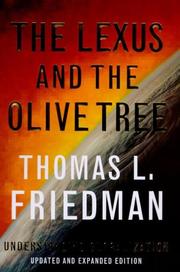
Thomas L. Friedman · 1999

Globalization as the new international system, seen from Amazon farms to Wall Street.

Recommended by: Mohnish Pabrai
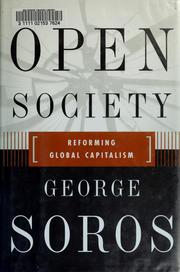
George Soros · 2000

The causes of instability in the global economy and the open society as a remedy.
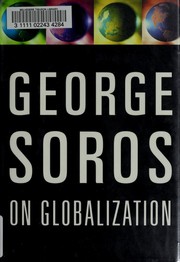
George Soros · 2002

Why global markets outgrew the institutions that govern them, and what to build.

Jagdish N. Bhagwati · 2004

A reply to critics who blame globalisation for child labour and other ills.

Recommended by: Marc Andreessen
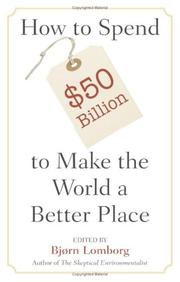
Bjørn Lomborg · 2006

How to do the most good with limited money: global problems ranked.

Recommended by: Bill Gates
Philippe Legrain · 2006

The economic and social case for immigration.

Recommended by: Patrick Collison

Dean T. Jamison · 2006

The main findings on disease-control priorities for developing countries.

Recommended by: Bill Gates
Bill Clinton · 2007

How individuals and companies can give time and money to solve problems.

Recommended by: Mohnish Pabrai

William T. Vollmann · 2007

Poverty around the world in its hopelessness, brutality, pride and fear.

Recommended by: Emmett Shear
J. David Cummins, Olivier Mahul · 2008

A World Bank study of how poor countries can finance the cost of natural disasters.
Thomas L. Friedman · 2008

Climate change, rising competition for energy, and how to respond to both.

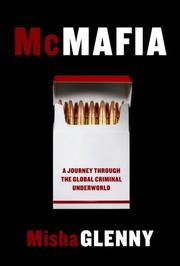
Misha Glenny · 2008

How organised crime went global after the Soviet collapse and financial deregulation.

Recommended by: Vinod Khosla

Ben Wildavsky · 2010

How global competition for the brightest students is transforming universities.

Recommended by: Mohnish Pabrai
William Easterly · 2013

How expert fixes for poverty ignore the rights and politics of the poor.

Recommended by: Nassim Nicholas Taleb
Nicholas D. Kristof, Sheryl WuDunn · 2014

A guide to making a difference in the world through giving.

Recommended by: Andrew Wilkinson
Edward Conard · 2016

Why the focus on income inequality is misguided and slows growth.

Recommended by: Ray Dalio
Jason Hickel · 2017

Global poverty as the product of a world economy built to favour powerful nations.

“That lead me to read his book The Divide, which expands on all these topics, and is truly an illuminating treatises while still being readable!” — David Heinemeier Hansson

Source: You gotta read Less Is More

Recommended by: David Heinemeier Hansson
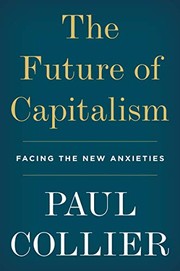
Paul Collier · 2018

Where capitalism fails, and a practical plan for repairing it.

Recommended by: Bill Gates, Vinod Khosla

Bryan Caplan · 2019

The case for unrestricted immigration, told as a graphic novel.

“A nonfiction comic book, by an economist, about unrestricted immigration. What? Yeah. Everyone should read it. This fun easy read of a single well-argued point will change your mind no matter what your previous stance. Brilliant illustration by Zach Weinersmith helps make the topic stick. NOTE: Don’t try to read it on a little black-and-white Kindle. It really is a comic book and needs to be read full-size in color.” — Derek Sivers

Source: Derek Sivers book notes (primary, rated list) · Rating: 8/10

Recommended by: Derek Sivers, Kevin Kelly
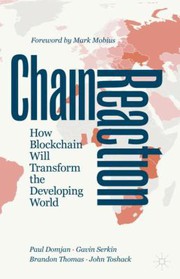
Paul Domjan, Gavin Serkin, Brandon Thomas, John Toshack · 2020

A working method for scoring country risk across frontier markets.

Johan Norberg

The case for globalisation and free trade against the anti-globalisation movement.

Recommended by: Marc Andreessen

More politics and government