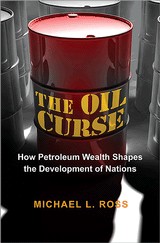
The Oil Curse
Why oil-rich countries have less democracy, less stability and more civil war.
The best statistical treatment of why petro-states fail and Norway did not.
Summary
Ross asks why countries rich in petroleum have less democracy, less economic stability and more frequent civil wars than countries without oil, and whether this oil curse can be fixed. He traces it to the upheaval of the 1970s, when oil prices soared and governments across the developing world seized control of their oil industries. Before nationalisation, oil-rich countries looked much like the rest of the world; afterwards they became 50 percent more likely to be ruled by autocrats and twice as likely to fall into civil war as countries without oil.
The book explains why oil wealth typically produces less economic growth than it should, why it creates jobs for men but not for women, and why it causes more problems in poor states than in rich ones. Ross warns that the world's demand for petroleum is pushing companies to drill in ever poorer nations, which could spread the curse further. He closes by explaining why good geology often leads to bad governance and how governments can turn oil from a curse into a blessing. The analysis is statistical and compares oil producers across the developing world.
Key takeaways 4
- Oil-rich states became more autocratic and more prone to civil war only after they nationalised their oil industries in the 1970s.
- Oil wealth usually delivers less economic growth than its size suggests.
- Oil economies create jobs for men but few for women.
- The curse falls hardest on poor countries, and new drilling is moving into poorer nations.
Who should read it
Investors in emerging markets and energy who want a statistical account of how oil revenue shapes a country's politics and risk.
Similar books 6
Chosen by shared topics, the entries that hold them, and the people who recommended both.
How resource-rich developing countries can avoid the harm resource wealth brings.
How Norway designed its oil licensing system, told by the geologist behind it.
How sovereign wealth funds invest, how they are governed and the reaction to them.
Sovereign wealth funds as institutions: their purpose, governance and power.
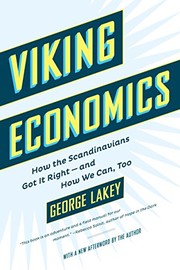
How the Nordic model works in four countries, and how America could adopt it.
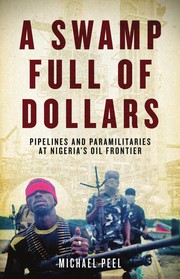
The battle for Nigeria's oil, and the corruption and conflict it brings to the Delta.