
Environment and Energy
Climate, ecology, resources, energy systems, sustainability and humanity's physical footprint on the planet. Read by anyone weighing energy transitions and environmental limits.
Start here
- Networks of PowerThomas P. Hughes, 1983
- Cadillac DesertMarc Reisner, 1986
- Nature's MetropolisWilliam Cronon, 1991
- The Prize: The Epic Quest for Oil, Money, and PowerDaniel Yergin, 1991
- The Ecology of CommercePaul Hawken, 1993
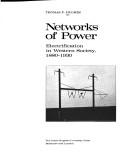
Electrification in the US, Britain and Germany, 1880 to 1930, as a technical system.
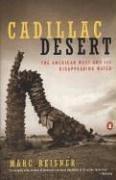
How rival federal agencies dammed the American West's rivers for water projects.
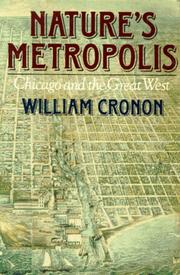
How Chicago and its western hinterland grew together as city and frontier.
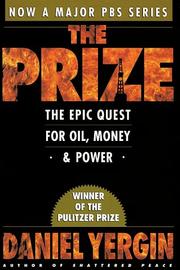
The history of oil from the first Pennsylvania well to the Gulf War.
“He's also an extremely articulate writer, as evidenced by his Pulitzer prize for his early work on oil, The Prize.” — Bill Gates
Source: The Quest — Gates Notes
Recommended by: Bill Gates, Jim Collins, Mohnish Pabrai and 4 others
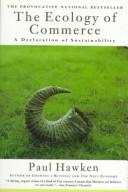
How business harms the environment, and a plan to cut energy and resource use by 80%.

Why oil booms left Venezuela, Iran, Nigeria and others with unstable states.
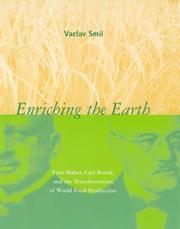
How Haber and Bosch's ammonia synthesis transformed world food production.
“The Vaclav Smil book Enriching the Earth: Fritz Haber, Carl Bosch and the Transformation of World Food Production tells this incredible story in great depth.” — Bill Gates
Source: My review of Vaclav Smil's new book — Gates Notes
Recommended by: Bill Gates, Mohnish Pabrai
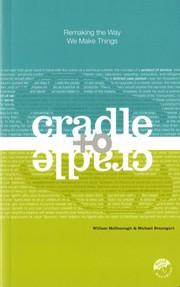
Design products on nature's model, where waste becomes food for the next cycle.
“Cradle to Cradle," yeah, like Bill McDonough's book, which also came out around this time, was hugely influential.” — Joe Gebbia
Source: The Tim Ferriss Show Transcripts: Joe Gebbia (#301)
Recommended by: Joe Gebbia
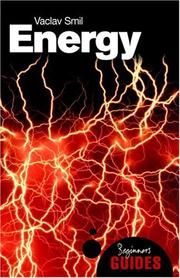
A short primer on energy: its forms, units and role in nature and economies.
Recommended by: Nat Eliason, Bill Gates, Mark Zuckerberg
Four meals traced to their sources, from fast food and organic to hunted and grown.
A short technical primer on oil: geology, extraction, refining, uses and reserves.
Recommended by: Mohnish Pabrai
Each shift from wood to coal to oil took 50 to 70 years; new ones will be slow too.
Recommended by: Bill Gates
Energy from 1990 to 2011: Russian and Caspian oil, Iraq, climate policy, renewables.
Recommended by: Bill Gates, Jim Collins, Mohnish Pabrai
Why oil-rich countries have less democracy, less stability and more civil war.
Meat in human evolution and modern farming, and the costs of heavy meat-eating.
Recommended by: Bill Gates, Mohnish Pabrai
The economics of climate change, and why a universal carbon price works best.
History told through energy, from muscle and fire to coal, oil and electricity.
Recommended by: Balaji S. Srinivasan, Bill Gates and 1 other
Energy and geopolitics in 2020: US shale, Russia, China and the Middle East.
The physical basics of modern life: energy, food, materials and globalisation.
Recommended by: Bill Gates
The economic criteria for setting regulated utility rates.
A computer model of world growth that overshoots its limits and then declines.
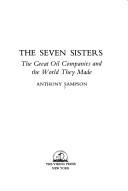
The big international oil companies and how the 1973 embargo took away their control.
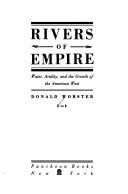
How control of water built power in the arid American West.
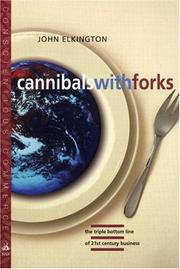
The triple bottom line: report on economic, environmental and social results.
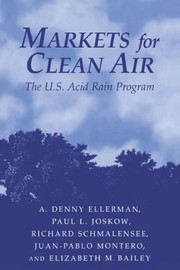
How the 1990 US sulphur dioxide allowance trading programme worked in practice.
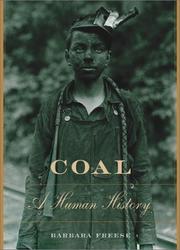
How coal built empires and economies, and the death and pollution it caused.
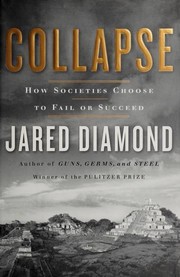
Why past societies from Easter Island to the Maya collapsed, and what that teaches.
Recommended by: Bill Gates, Jim Collins, Mohnish Pabrai and 1 other
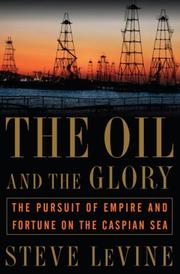
The fight for Caspian Sea oil from the 19th century to the present.
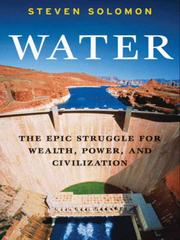
A world history showing how control of water shaped political and economic power.
Recommended by: Mohnish Pabrai
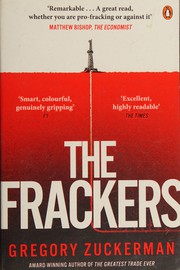
The wildcatters, from George Mitchell to Harold Hamm, who started the shale boom.
Recommended by: Mohnish Pabrai
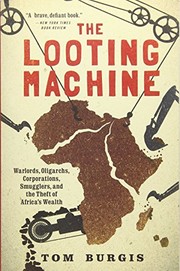
How Africa's oil and minerals are extracted in ways that leave its people poorer.
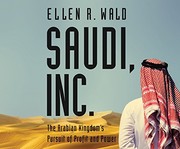
Saudi Arabia told through its oil business, from the 1930s concession to Aramco.
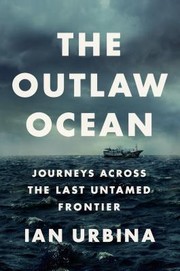
Flags of convenience, crew abuse and the gaps in law on the high seas.
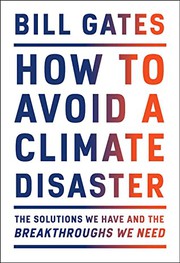
What it would take to cut greenhouse gas emissions to zero, sector by sector.
Recommended by: Bill Gates
How land ownership shaped history: how people fight over, keep and share land.
A plan with measurable goals for reaching net-zero emissions.
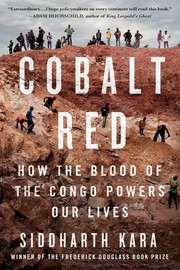
Artisanal cobalt mining in Congo and its place in the battery supply chain.
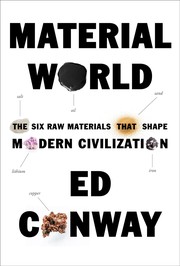
Six materials the world runs on, sand, salt, iron, copper, oil and lithium, traced.
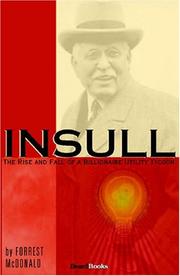
Samuel Insull, from Edison's secretary to Chicago utility empire to fugitive.
How pesticides harm the environment; it launched America's environmental movement.
Recommended by: Stewart Brand
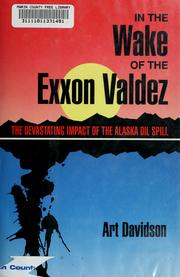
The 1989 Exxon Valdez oil spill and Exxon's response, reported from Alaska.
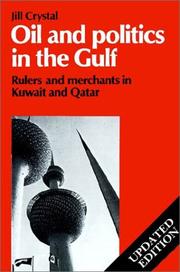
How oil revenue freed the rulers of Kuwait and Qatar from their merchant families.
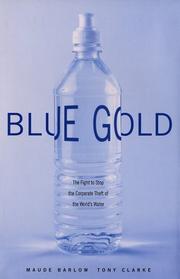
The case against water privatisation and the companies buying up water supplies.
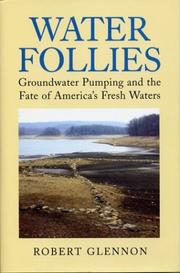
How unchecked groundwater pumping dries up American rivers and springs.
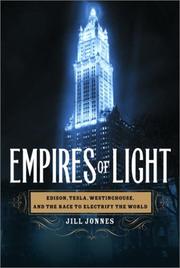
Edison, Westinghouse and Tesla, and the fight to electrify the United States.
“I mean, the airplane, the car, the photograph, the light bulb, for God's sake, this amazing book called Empires of Light.” — Chris Dixon
Recommended by: Chris Dixon
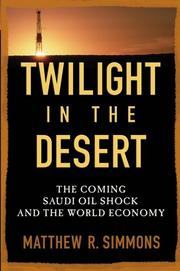
The argument that Saudi oil output was nearer its limit than the kingdom said.
Recommended by: Mohnish Pabrai
How Norway designed its oil licensing system, told by the geologist behind it.
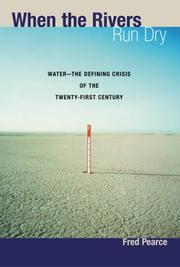
Field reporting on drained aquifers and rivers that no longer reach the sea.
How resource-rich developing countries can avoid the harm resource wealth brings.
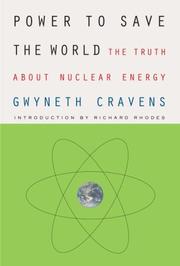
A sceptic's conversion to nuclear power, and how public fear of it formed.
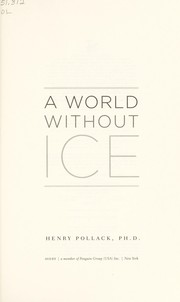
Ice cores, old shorelines and fossil pollen show how fast the climate now changes.
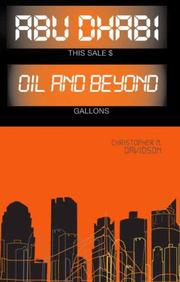
How Abu Dhabi's oil wealth built the emirate and gave rise to its sovereign funds.
How oil prices, the dollar and debt form one cycle of recurring financial crises.
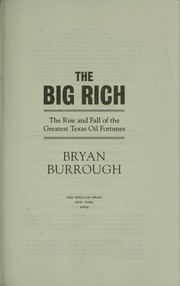
The rise and fall of the Texas oil fortunes, the Hunts among them.
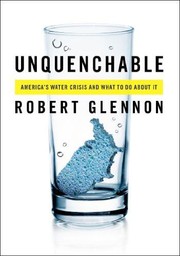
Why America's water crisis comes from law, pricing and subsidy, not scarcity.
An environmentalist's case for nuclear power, dense cities and genetic engineering.
“on why even environmentalists should be pro building, pro cities, pro nuclear, and pro genetic engineering” — Marc Andreessen
Source: @pmarca, companion thread to 'It's Time to Build'
Recommended by: Marc Andreessen, Patrick Collison and 2 others
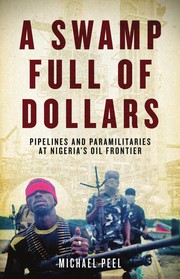
The battle for Nigeria's oil, and the corruption and conflict it brings to the Delta.

How free tap water became bottled water, one of the most profitable products sold.
Why ownership structure, not oil itself, set post-Soviet states' fortunes.
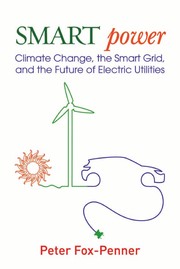
How utility business models must change once regulated growth ends.
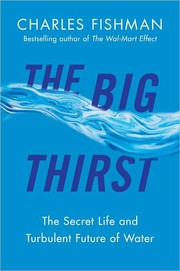
Water as an economic problem, and why the era of cheap, plentiful water is ending.
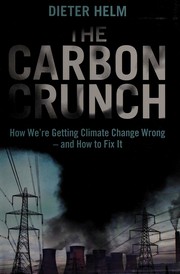
Why climate policy failed to cut emissions as coal use kept rising.
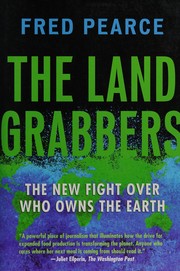
The rush to buy farmland across the developing world, and who loses from it.
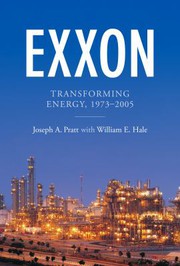
Exxon from the 1973 oil shock to 2005, written with access to its own archive.
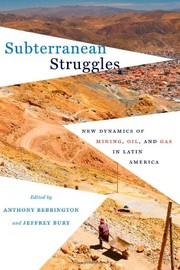
Conflicts over mining, oil and gas in the Andes, and the social licence to operate.
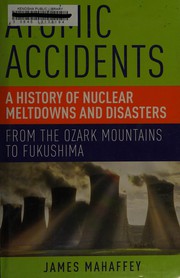
Nuclear accidents, what went wrong in each, and what each taught about the atom.
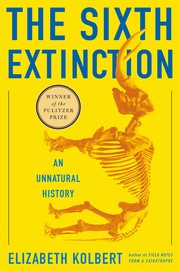
Field reporting on the sixth mass extinction, which humans are causing.
Recommended by: Bill Gates
The argument that climate change is a problem of capitalism, not one within it.
How cities' water and sewer systems were built, and the cost of replacing them.
How Israel solved its water scarcity, and the policies others can copy.
The supply chains of rare earths and other minor metals that technology needs.
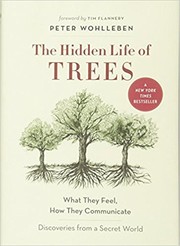
How trees in a forest work as a connected system.
“A fascinating book about the complexity of something that seems basic.” — Morgan Housel
Source: A Few Good Books · Collaborative Fund
Recommended by: Morgan Housel, Patrick O'Shaughnessy
The global race to build a better lithium-ion battery for electric cars.
How Venezuela's oil wealth, fuel subsidies and exchange rates wrecked its economy.
The American electrical grid as a physical and social system, and why it is strained.
“And then another book I'm reading, which was actually a Bill Gates recommendation is, it's called The Grid about the electric grid, which is also pretty good.” — Mohnish Pabrai
Source: Pabrai Investment Funds Annual Meeting Transcript 2018, page 21
Recommended by: Mohnish Pabrai
Why oil prices are stable only when a cartel or swing producer controls supply.

Water projects worldwide that work with nature's rhythms rather than against them.
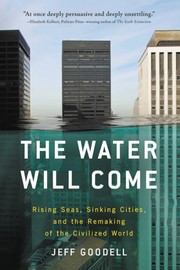
Rising seas as a present property and insurance crisis, from Miami to Lagos.
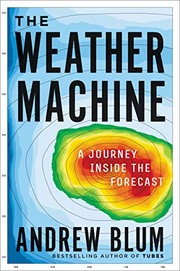
How weather forecasts are made, and how fragile the global monitoring behind them is.
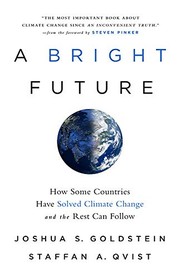
The case, from Sweden and France, that nuclear power decarbonises fastest.
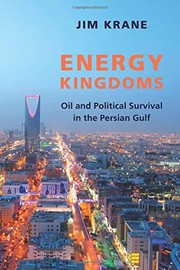
How the Gulf monarchies' cheap domestic energy became their central fiscal problem.
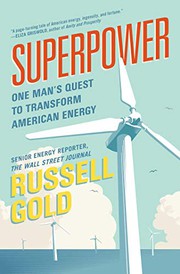
Michael Skelly's bid to build a power line across America for wind power.
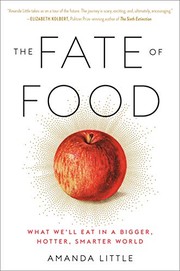
The people trying to grow food in a hotter climate, from vertical farms to lab meat.
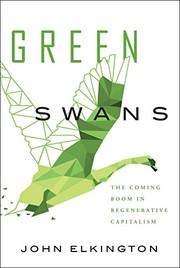
The inventor of the triple bottom line revises it and argues for faster change.
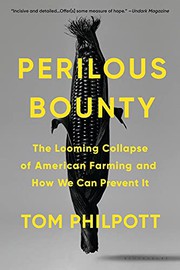
Soil loss, water and the financial fragility of American farmland.
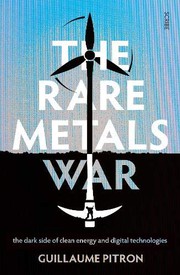
The rare metals behind green tech and devices, and China's hold on their supply.
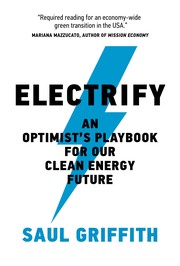
An engineer's plan to decarbonise America by electrifying nearly everything.
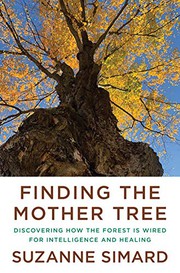
A forest ecologist's research on how fungi link trees into nutrient-sharing networks.
Recommended by: Barack Obama
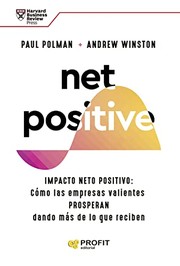
The case that companies should give back more than they take, from Unilever's record.
Where the lithium, cobalt and nickel for electric car batteries come from.
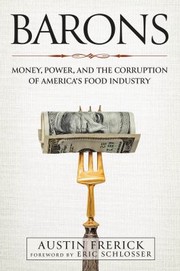
How ownership of American agriculture came to sit with a few families and firms.
A data-driven look at emissions and what reduces them.
Recommended by: Bill Gates

An essay on walking in nature and the freedom it brings.
Recommended by: Patrick O'Shaughnessy
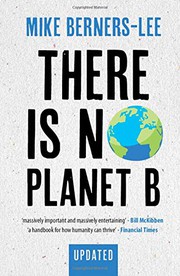
A handbook of facts and answers on what each of us can do for the planet.
Recommended by: Jan Losert
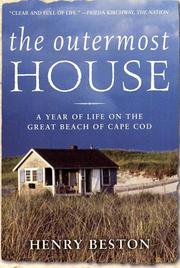
A year spent alone in a small house on a Cape Cod beach.
Recommended by: Richard Branson
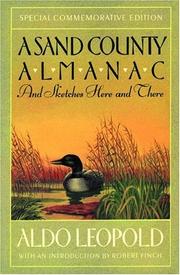
Nature writing on wildlife, natural history and the case for conservation.
Recommended by: Tim Ferriss
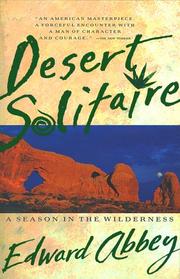
A park ranger's seasons at Arches near Moab, Utah, and the desert around it.
Recommended by: Mohnish Pabrai

A warning that overpopulation would bring mass starvation and upheaval.
Recommended by: Paul Graham
Why hunger comes from food policy, not food shortage, and why meat wastes resources.
Recommended by: Steve Jobs
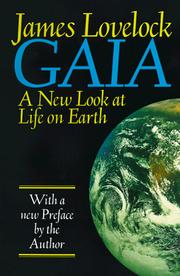
The hypothesis that life on Earth behaves as one self-regulating organism.
Recommended by: Stewart Brand
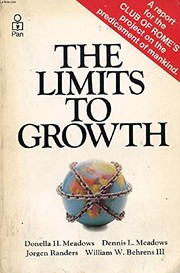
A computer model of exponential economic and population growth on finite resources.
Recommended by: Bill Gates
Why human ingenuity, not limits on population, drives the supply of resources.
Recommended by: Kevin Kelly
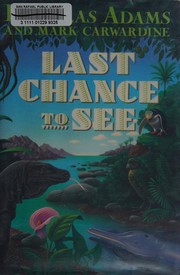
A trip around the world in search of endangered animals.
Recommended by: Patrick O'Shaughnessy
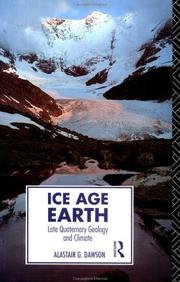
The geology and climate of the late Quaternary ice age.
Recommended by: Mohnish Pabrai
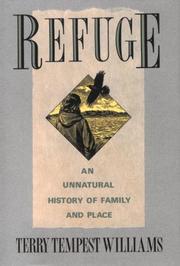
A naturalist's mother dies of cancer as the rising Great Salt Lake threatens birds.
Recommended by: Mohnish Pabrai
Population and consumption face physical limits that economics ignores.
“In Living Within Limits, Hardin focuses on the neglected problem of overpopulation, making a forceful case for dramatically changing the way we live in and manage our world. Our world itself, he writes, is in the dilemma of the lifeboat: it can only hold a certain number of people before it sinks-not everyone can be saved.” — Shane Parrish
Source: What Books Would You Recommend Someone Read to Improve their General Knowledge of the World?
Recommended by: Charlie Munger, Mohnish Pabrai and 1 other
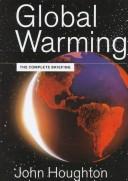
A complete briefing on global warming and climate change.
Recommended by: Bill Gates
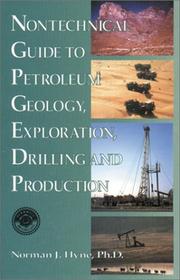
How oil and gas form, how they are found, drilled and produced, in plain terms.
Recommended by: Mohnish Pabrai
A textbook on the economics and finance of forestry, rotation age included.
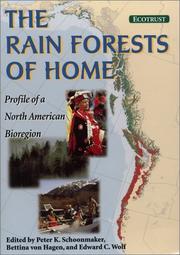
The coastal temperate rain forests from California's redwoods to southeast Alaska.
Recommended by: Patrick Collison
How energy is transformed to power the biosphere and human society.
Recommended by: Bill Gates
Why treating natural resources as capital will drive the next industrial revolution.
Recommended by: Joe Gebbia
How to plan, buy, site and install a home or community wind-energy system.
Recommended by: Mohnish Pabrai
How scientists came to understand ice ages and their causes.
Recommended by: Charlie Munger
The Earth's biosphere from its origins to its future: physics, chemistry and biology.
Recommended by: Bill Gates
The species the world is about to lose, and how conservation can pay economically.
Recommended by: Mohnish Pabrai, Stewart Brand
How the world can meet its growing energy demand and keep the biosphere intact.
Recommended by: Bill Gates
The true story of a logger who cut down a 300-year-old tree sacred to the Haida.
Recommended by: Ryan Holiday
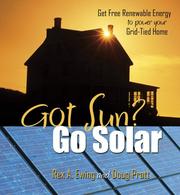
A plain guide to solar and wind power for homes connected to the grid.
Recommended by: Mohnish Pabrai
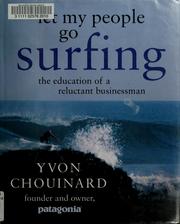
Patagonia's founder on running a business against conventional growth logic
“The story of the founding of Patagonia and more importantly how to build a company with strong values.” — David Cancel
Source: The Books Every Startup CEO Should Read — David Cancel, Medium
Recommended by: David Cancel, David Perell, Nat Eliason and 4 others
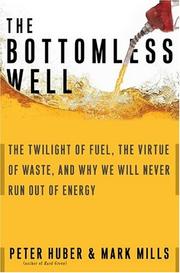
Why energy demand never falls, why 'waste' helps, and why quality power is scarce.
Recommended by: Mohnish Pabrai
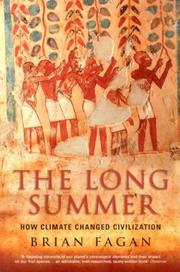
How climate change since the last ice age shaped human civilization.
Recommended by: Stewart Brand
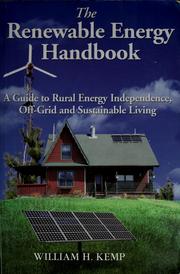
How to power a home with renewable energy and live off the grid.
Recommended by: Mohnish Pabrai
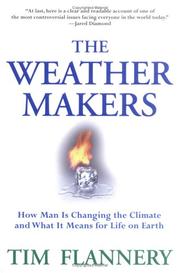
The history of climate change, how it will unfold, and what can be done about it.
Recommended by: Mohnish Pabrai, Richard Branson
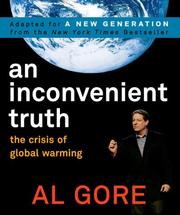
The young readers' edition of the case on global warming and the greenhouse effect.
Recommended by: Richard Branson
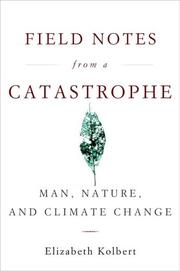
A New Yorker writer's reporting on climate change and its effects.
Recommended by: Mohnish Pabrai
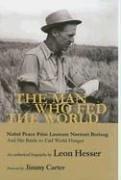
The career of Norman Borlaug, the plant scientist who won the Nobel Peace Prize.
Recommended by: Bill Gates, Mohnish Pabrai
Humanity at a turning point, and how to use technology to solve its problems.
Recommended by: Richard Branson
Why the climate crisis may soon pass the point where people can alter it.
Recommended by: Stewart Brand
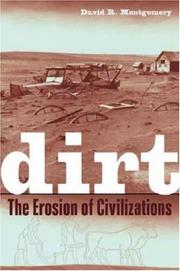
How people have used up the Earth's soil for millennia, and what erosion cost them.
Recommended by: Stewart Brand
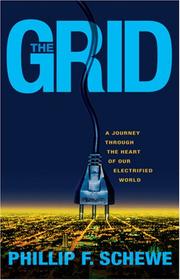
The history of the electrical grid, how it is used and misused, and its future.
Recommended by: Bill Gates
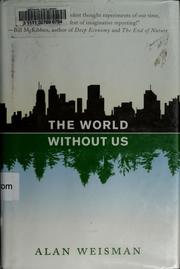
What would be left of the world if humans ceased to exist.
Recommended by: Patrick Collison, Richard Branson
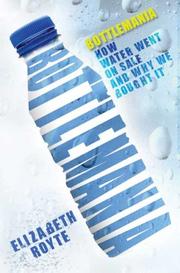
How drinking water became bottled water, and the local fights over extraction.
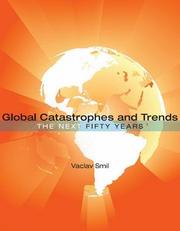
How the world changes through sudden catastrophes and through slow trends.
Recommended by: Bill Gates
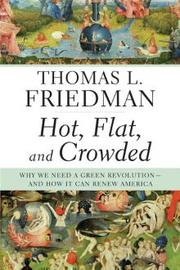
Climate change, rising competition for energy, and how to respond to both.
Recommended by: Mohnish Pabrai, Bill Gates, Meg Whitman
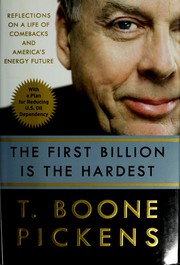
An oilman's life of comebacks and his plan to cut America's dependence on oil.
Recommended by: Mohnish Pabrai
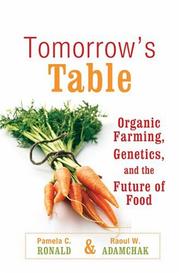
Organic farming and genetically engineered crops as ways to feed the world.
Recommended by: Bill Gates
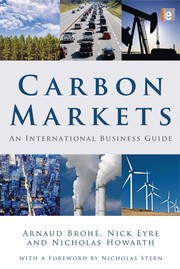
A guide to carbon markets: allowances, offsets, registries and schemes.

A novelist examines what it means to eat animals raised on industrial farms.
Recommended by: Andrew Wilkinson, Jordan Hughes
A trader's technical primer on oil barrels, grades, refining and pricing.
Whether Britain could live on renewables, worked out in numbers per person.
Recommended by: Bill Gates
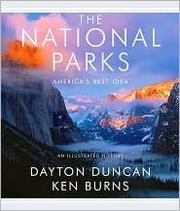
An illustrated history of the national park idea in America.
Recommended by: Patrick Collison
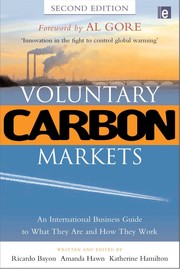
How voluntary carbon offsets are created, sold and bought.
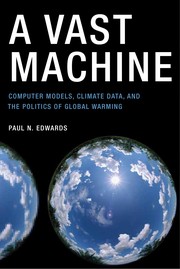
How weather data and computer models built our knowledge of global climate change.
Recommended by: Patrick Collison
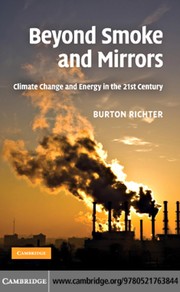
An assessment of the proposals for averting climate change, and the energy options.
Recommended by: Mohnish Pabrai
Common claims about energy tested against the record of past energy transitions.
Recommended by: Bill Gates
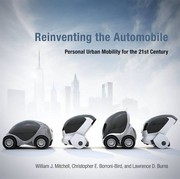
A new design for cars suited to personal mobility in modern cities.
Recommended by: Patrick Collison
Two centuries of population politics, from eugenics to China's family planning.
Recommended by: Stewart Brand
How business lobbies made emissions trading the chosen climate policy.
The history and technology of the Integral Fast Reactor built at Argonne, 1984-94.
Recommended by: Sam Altman
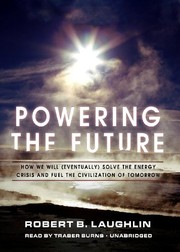
How people will get energy two centuries from now, once fossil carbon is gone.
Recommended by: Sam Altman
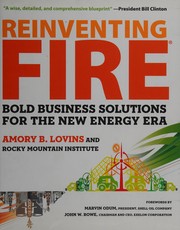
How American industry can cut its energy use and move to renewable sources.
Recommended by: Bill Gates, Ev Williams
What happens as technology stands in for people's experience of nature.
Recommended by: Patrick Collison
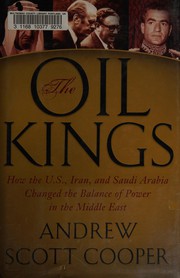
How America's choice of Saudi Arabia as top oil power led to Iran's revolution.
Recommended by: Mohnish Pabrai
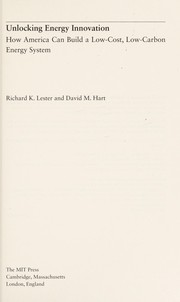
A plan to remake America's energy innovation system for low-cost, low-carbon energy.
Recommended by: Bill Gates
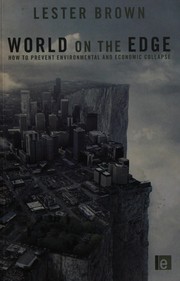
How global warming and environmental decline threaten economies, and what to do.
Recommended by: Bill Gates
The challenges of feeding the world by 2050 and the reasons for hope.
Recommended by: Bill Gates
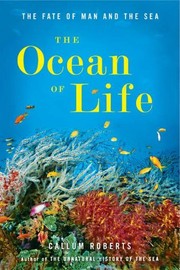
A conservation biologist's account of the life of the seas.
Recommended by: Patrick Collison
How rocks and living matter evolved together to shape Earth.
Recommended by: Mohnish Pabrai
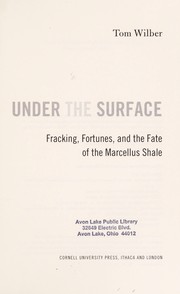
Fracking in the Marcellus Shale, from West Virginia to New York.
Recommended by: Mohnish Pabrai
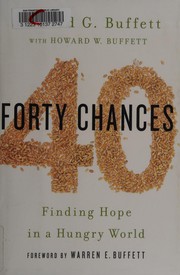
A philanthropist's campaign against hunger, after his father gave away his fortune.
Recommended by: Mohnish Pabrai, Warren Buffett
How much of the biosphere's living matter people have taken, measured.
Recommended by: Bill Gates
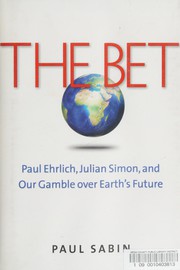
Julian Simon and Paul Ehrlich's wager on metal prices, and their fight over scarcity.
Recommended by: Bill Gates
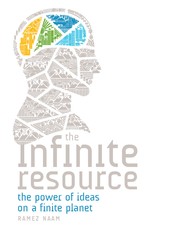
Human knowledge as the greatest resource for overcoming environmental limits.
Recommended by: Patrick Collison
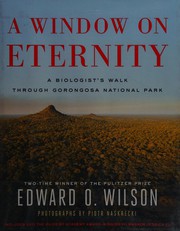
A biologist's walk through Gorongosa National Park, and why biodiversity matters.
Recommended by: Patrick Collison
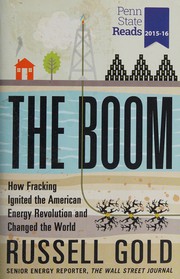
How fracking was developed, and its economic and environmental consequences.
Recommended by: Mohnish Pabrai, The Barefoot Investor
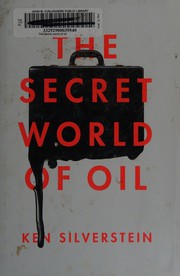
The fixers, traders and middlemen who run the hidden side of the oil trade.
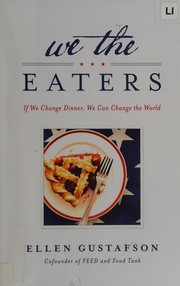
How hunger and obesity are linked, and how food choices can change the food system.
Recommended by: Ev Williams
A polar explorer and photographer's homage to the Arctic and the dangers it faces.
Recommended by: Richard Branson
How to build a good future for humanity and the Earth in the Anthropocene.
Recommended by: Richard Branson
Rare metals such as tantalum and rhodium, and why phones and weapons need them.
How industry could use far less steel, cement, plastic, paper and aluminium.
Recommended by: Bill Gates
The century-long race among automakers to build the car of the future.
Recommended by: Mohnish Pabrai
Proposals for planned intervention in the climate, and what geoengineering could do.
Recommended by: Patrick Collison
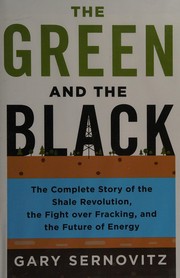
The shale revolution explained by an oil and gas insider.
“The best book I have read on the subject is The Green and The Black by Gary Sernovitz.” — Mohnish Pabrai
Source: Pabrai Investment Funds letter to partners (070116), page 24
Recommended by: Mohnish Pabrai
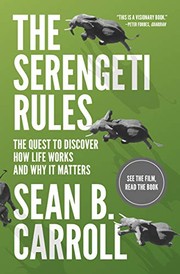
The rules that regulate the numbers of animals in nature and cells in the body.
Recommended by: Ray Dalio
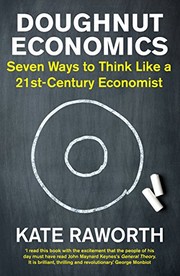
Replacing growth as the goal with a range between social needs and planetary limits.
Recommended by: Jackie Vullinghs
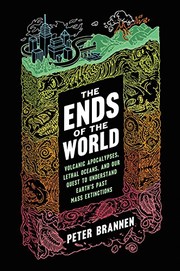
The planet's five mass extinctions and the role climate change played in them.
Recommended by: Jake Knapp
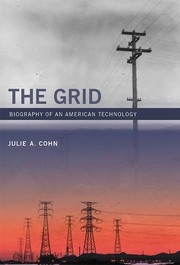
How the American power grid was interconnected and who controls it.
Shinrin-yoku, spending time among trees for better health.
Recommended by: Kevin Rose
Why most American shale drillers lose money despite the fracking boom.
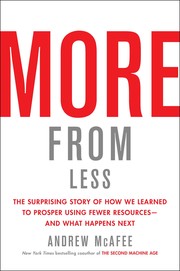
Evidence that rich economies now grow while using fewer physical resources.
“on how modern technological economies can build more outputs with less inputs” — Marc Andreessen
Source: @pmarca, companion thread to 'It's Time to Build'
Recommended by: Marc Andreessen
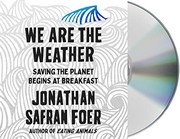
Why we fail to act on climate change, and how changing what we eat can help.
Recommended by: Jordan Hughes
How deregulated wholesale power markets put the grid's reliability at risk.
How modern chemicals and habits disrupt hormones and lower sperm counts.
“These include Sicker Fatter Poorer by Leonardo Trasande (2019), Count Down by Shanna Swan and Stacey Colino (2021), The Obesogen Effect by Bruce Blumberg and Kristin Loberg (2018), Toxic Cocktail by Barbara Demeneix (2017), and Our Stolen Future by Dianne Dumanoski, John Peterson Myers, and Theo Colborn (1996).” — Jeremy Grantham
Source: Rising Toxicity and the Threat to Capitalism and Life Itself, page 3
Recommended by: Jeremy Grantham, Nat Eliason
People trying to fix the damage humans have done to nature with new technology.
Recommended by: Bill Gates
The Fort McMurray wildfire and the changing relationship between fire and people.
Recommended by: Andrew Wilkinson
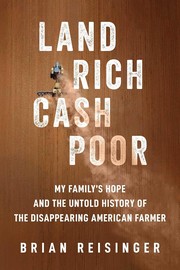
Why family farms lose ground to consolidated ownership.
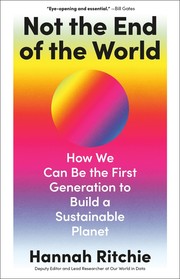
Data showing progress on environmental problems, enough to reach true sustainability.
Recommended by: Bill Gates
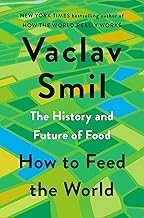
The main questions about the world's food system, answered with numbers.
Recommended by: Bill Gates
 Vaclav Smilwrote 14 books here
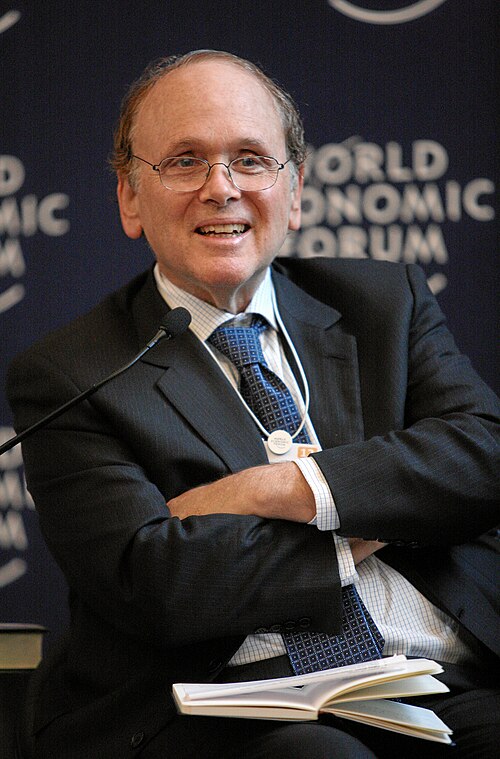 Daniel Yerginwrote 3 books here
 Bethany McLeanwrote 1 book here
 Gregory Zuckermanwrote 1 book here
 John Doerrwrote 1 book here
 Joseph E. Stiglitzwrote 1 book here
 Bill Gateswrote 1 book here
 Stewart Brandwrote 1 book hereBill Gatesrecommends 34 books here
 Mohnish Pabrairecommends 33 books here
 Patrick Collisonrecommends 12 books hereStewart Brandrecommends 9 books here
 Richard Bransonrecommends 7 books here
 Nat Eliasonrecommends 5 books here
 Jim Collinsrecommends 3 books here
 Marc Andreessenrecommends 3 books here
 Jordan Hughesrecommends 3 books here
 Charlie Mungerrecommends 2 books here
Show all 40
 Ev Williamsrecommends 2 books here
 Jackie Vullinghsrecommends 2 books here
 Joe Gebbiarecommends 2 books here
 Sam Altmanrecommends 2 books here
 Paul Grahamrecommends 1 book here
 Ray Daliorecommends 1 book here
 Warren Buffettrecommends 1 book here
 Jeremy Granthamrecommends 1 book here
 Kevin Kellyrecommends 1 book here
 Morgan Houselrecommends 1 book here
 Ryan Holidayrecommends 1 book here
 Balaji S. Srinivasanrecommends 1 book here
 Barack Obamarecommends 1 book here
 Chris Dixonrecommends 1 book here
 David Cancelrecommends 1 book here
 Emmett Shearrecommends 1 book here
 Jack Dorseyrecommends 1 book here
 Jake Knapprecommends 1 book here
 Kevin Roserecommends 1 book here
 Mark Zuckerbergrecommends 1 book here
 Matt Mullenwegrecommends 1 book here
 Meg Whitmanrecommends 1 book here
 Steve Jobsrecommends 1 book here
 Tim Ferrissrecommends 1 book here