Diet for a Small Planet
Why hunger comes from food policy, not food shortage, and why meat wastes resources.
Summary
Lappé argues that world hunger is caused not by a lack of food but by ineffective food policy, and that meat production wastes resources and contributes to food scarcity. She makes the case for eating lower on the food chain for environmental reasons and for soy and other plant foods as protein sources, and she introduced protein combining: eating plant foods together so that their combined amino acids match the body's needs.
The book has four parts: Earth's Labor Lost, on protein in American agribusiness; Bringing Protein Theory Down to Earth, on protein in human nutrition; Eating From the Earth, with tables of food values relating protein to calories and cost; and Combining Non-Meat Foods to Increase Protein Values, with guidelines and hundreds of meat-free recipes. Ballantine Books published it in 1971 with sponsorship from Friends of the Earth. In the tenth-anniversary edition of 1981 Lappé wrote that getting enough protein is easier than she had thought: with three exceptions, diets dependent on fruit, on tubers such as cassava, or on junk food, people who get enough calories get enough protein. It has sold more than three million copies.
Key takeaways 4
- Hunger is a problem of policy and distribution, not of total food supply.
- Meat production has an environmental cost and contributes to global food scarcity.
- Plant foods can supply enough protein, and Lappé later judged careful combining unnecessary for most diets.
- Personal diet can be a form of political action on food and the environment.
Who should read it
Readers interested in the economics of food, the environmental cost of meat, and the book that started the modern plant-based diet movement.
Who recommended it 1
Similar books 6
Chosen by shared topics, the entries that hold them, and the people who recommended both.

A novelist examines what it means to eat animals raised on industrial farms.
Recommended by: Andrew Wilkinson, Jordan Hughes
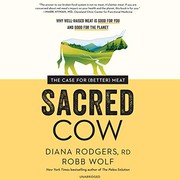
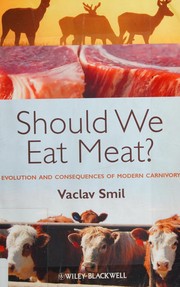
Meat in human evolution and modern farming, and the costs of heavy meat-eating.
Recommended by: Bill Gates, Mohnish Pabrai
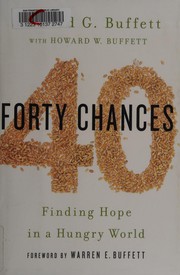
A philanthropist's campaign against hunger, after his father gave away his fortune.
Recommended by: Mohnish Pabrai, Warren Buffett
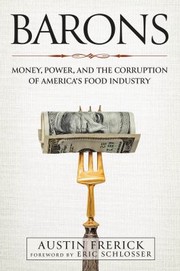
How ownership of American agriculture came to sit with a few families and firms.

The case against water privatisation and the companies buying up water supplies.