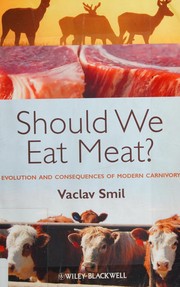
Should We Eat Meat?
Meat in human evolution and modern farming, and the costs of heavy meat-eating.
Summary
Smil examines meat consumption across human evolution and around the world, and he presents the book as an evaluation rather than a tract for or against eating meat. An opening chapter sets out meat's role in human evolution and its growing influence as agriculture developed. The book then examines modern production systems, their efficiencies, outputs and environmental impacts, and describes the main global trends in meat consumption to show what part meat plays in changing diets country by country.
The central chapters address the consequences of what Smil calls the massive carnivory of Western diets: the inefficiency of turning feed into meat and the large impacts on land, water and the atmosphere. He covers health effects both positive and negative. The conclusion sets out his idea of rational meat eating, in which environmental and health impacts fall, animals are treated more humanely, and alternative sources of protein supply a larger share. The book is written for professionals in food production, nutrition, environmental science and policy.
Key takeaways 4
- Meat eating has deep roots in human evolution and expanded with the development of agriculture.
- Producing meat converts feed into food inefficiently, which multiplies its demands on land and water.
- Western levels of meat consumption carry large environmental costs, and their health effects are both positive and negative.
- A moderate level of meat eating, with other protein sources filling the gap, would cut those costs.
Who should read it
Investors in food, agriculture and alternative protein who want a quantified view of meat's costs and benefits without advocacy.
About Vaclav Smil
Distinguished professor emeritus at the University of Manitoba; writes quantitative histories of energy, food, materials and technical change.
Each book counts the physical inputs an economy consumes - joules, tonnes of steel, ammonia, cement - and establishes the historical rates at which past energy transitions actually moved. Those numbers let an investor size decarbonisation timelines and test claims about how fast an energy system can be rebuilt.
Who recommended it 2 · 2 direct
Similar books 6
Chosen by shared topics, the entries that hold them, and the people who recommended both.
How Haber and Bosch's ammonia synthesis transformed world food production.
“The Vaclav Smil book Enriching the Earth: Fritz Haber, Carl Bosch and the Transformation of World Food Production tells this incredible story in great depth.” — Bill Gates
Source: My review of Vaclav Smil's new book — Gates Notes
Recommended by: Bill Gates, Mohnish Pabrai
A short primer on energy: its forms, units and role in nature and economies.
Recommended by: Nat Eliason, Bill Gates, Mark Zuckerberg
History told through energy, from muscle and fire to coal, oil and electricity.
Recommended by: Balaji S. Srinivasan, Bill Gates and 1 other
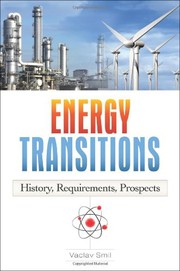
Each shift from wood to coal to oil took 50 to 70 years; new ones will be slow too.
Recommended by: Bill Gates
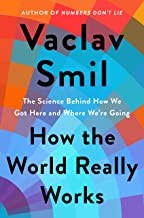
The physical basics of modern life: energy, food, materials and globalisation.
Recommended by: Bill Gates
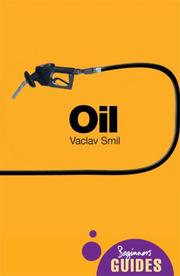
A short technical primer on oil: geology, extraction, refining, uses and reserves.
Recommended by: Mohnish Pabrai