Climate change and sustainability
Books on climate science and policy, carbon markets, limits to growth and sustainable business.
Start here
- The Ecology of CommercePaul Hawken, 1993
- Cradle to CradleWilliam McDonough, Michael Braungart, 2002
- The Climate CasinoWilliam Nordhaus, 2013
- The Limits to GrowthDonella H. Meadows, Dennis L. Meadows, Jorgen Randers, 1972
- Cannibals with ForksJohn Elkington, 1997
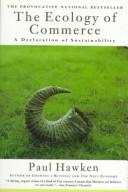
How business harms the environment, and a plan to cut energy and resource use by 80%.
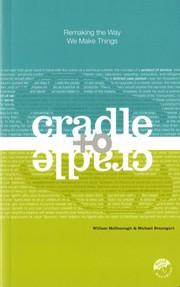
Design products on nature's model, where waste becomes food for the next cycle.
“Cradle to Cradle," yeah, like Bill McDonough's book, which also came out around this time, was hugely influential.” — Joe Gebbia
Source: The Tim Ferriss Show Transcripts: Joe Gebbia (#301)
Recommended by: Joe Gebbia
The economics of climate change, and why a universal carbon price works best.
A computer model of world growth that overshoots its limits and then declines.
The triple bottom line: report on economic, environmental and social results.
How the 1990 US sulphur dioxide allowance trading programme worked in practice.
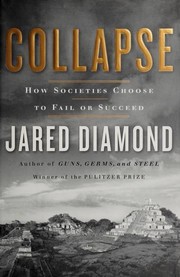
Why past societies from Easter Island to the Maya collapsed, and what that teaches.
Recommended by: Bill Gates, Jim Collins, Mohnish Pabrai and 1 other
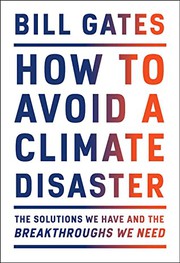
What it would take to cut greenhouse gas emissions to zero, sector by sector.
Recommended by: Bill Gates
A plan with measurable goals for reaching net-zero emissions.
Ice cores, old shorelines and fossil pollen show how fast the climate now changes.
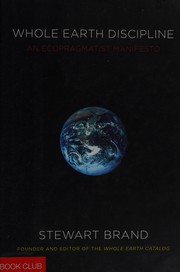
An environmentalist's case for nuclear power, dense cities and genetic engineering.
“on why even environmentalists should be pro building, pro cities, pro nuclear, and pro genetic engineering” — Marc Andreessen
Source: @pmarca, companion thread to 'It's Time to Build'
Recommended by: Marc Andreessen, Patrick Collison and 2 others
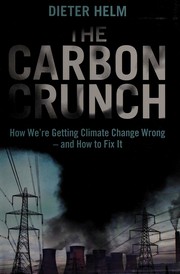
Why climate policy failed to cut emissions as coal use kept rising.
The argument that climate change is a problem of capitalism, not one within it.
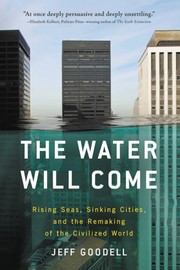
Rising seas as a present property and insurance crisis, from Miami to Lagos.
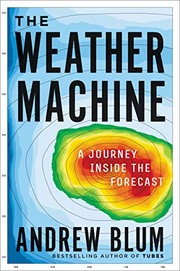
How weather forecasts are made, and how fragile the global monitoring behind them is.
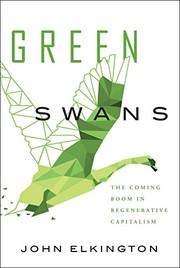
The inventor of the triple bottom line revises it and argues for faster change.
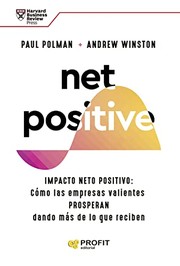
The case that companies should give back more than they take, from Unilever's record.
A data-driven look at emissions and what reduces them.
Recommended by: Bill Gates
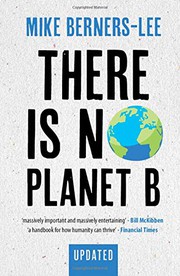
A handbook of facts and answers on what each of us can do for the planet.
Recommended by: Jan Losert

A warning that overpopulation would bring mass starvation and upheaval.
Recommended by: Paul Graham
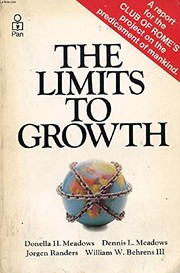
A computer model of exponential economic and population growth on finite resources.
Recommended by: Bill Gates
Why human ingenuity, not limits on population, drives the supply of resources.
Recommended by: Kevin Kelly
Population and consumption face physical limits that economics ignores.
“In Living Within Limits, Hardin focuses on the neglected problem of overpopulation, making a forceful case for dramatically changing the way we live in and manage our world. Our world itself, he writes, is in the dilemma of the lifeboat: it can only hold a certain number of people before it sinks-not everyone can be saved.” — Shane Parrish
Source: What Books Would You Recommend Someone Read to Improve their General Knowledge of the World?
Recommended by: Charlie Munger, Mohnish Pabrai and 1 other
A complete briefing on global warming and climate change.
Recommended by: Bill Gates
Why treating natural resources as capital will drive the next industrial revolution.
Recommended by: Joe Gebbia
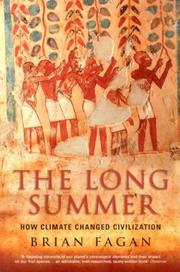
How climate change since the last ice age shaped human civilization.
Recommended by: Stewart Brand
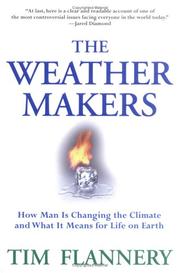
The history of climate change, how it will unfold, and what can be done about it.
Recommended by: Mohnish Pabrai, Richard Branson
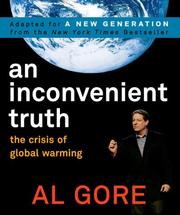
The young readers' edition of the case on global warming and the greenhouse effect.
Recommended by: Richard Branson
A New Yorker writer's reporting on climate change and its effects.
Recommended by: Mohnish Pabrai
Humanity at a turning point, and how to use technology to solve its problems.
Recommended by: Richard Branson
Why the climate crisis may soon pass the point where people can alter it.
Recommended by: Stewart Brand
How the world changes through sudden catastrophes and through slow trends.
Recommended by: Bill Gates
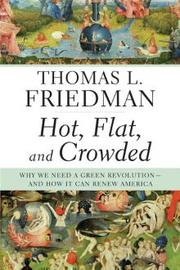
Climate change, rising competition for energy, and how to respond to both.
Recommended by: Mohnish Pabrai, Bill Gates, Meg Whitman
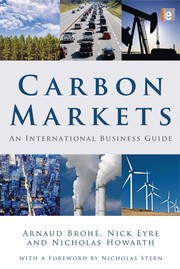
A guide to carbon markets: allowances, offsets, registries and schemes.
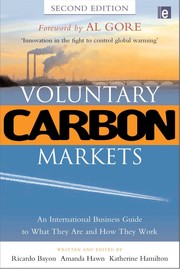
How voluntary carbon offsets are created, sold and bought.
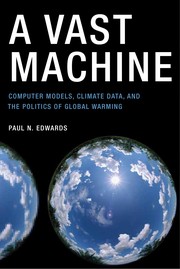
How weather data and computer models built our knowledge of global climate change.
Recommended by: Patrick Collison
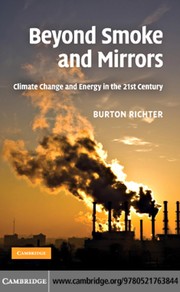
An assessment of the proposals for averting climate change, and the energy options.
Recommended by: Mohnish Pabrai
Two centuries of population politics, from eugenics to China's family planning.
Recommended by: Stewart Brand
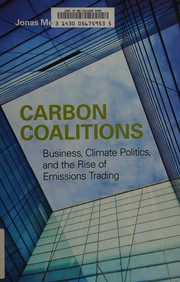
How business lobbies made emissions trading the chosen climate policy.
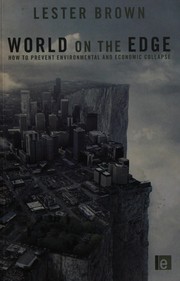
How global warming and environmental decline threaten economies, and what to do.
Recommended by: Bill Gates
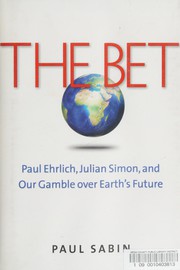
Julian Simon and Paul Ehrlich's wager on metal prices, and their fight over scarcity.
Recommended by: Bill Gates
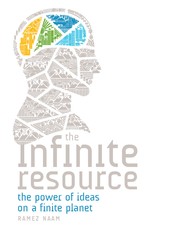
Human knowledge as the greatest resource for overcoming environmental limits.
Recommended by: Patrick Collison
How to build a good future for humanity and the Earth in the Anthropocene.
Recommended by: Richard Branson
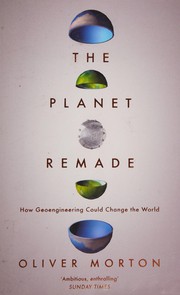
Proposals for planned intervention in the climate, and what geoengineering could do.
Recommended by: Patrick Collison
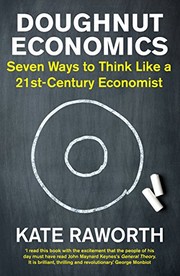
Replacing growth as the goal with a range between social needs and planetary limits.
Recommended by: Jackie Vullinghs
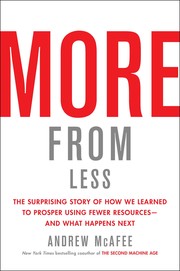
Evidence that rich economies now grow while using fewer physical resources.
“on how modern technological economies can build more outputs with less inputs” — Marc Andreessen
Source: @pmarca, companion thread to 'It's Time to Build'
Recommended by: Marc Andreessen
Why we fail to act on climate change, and how changing what we eat can help.
Recommended by: Jordan Hughes
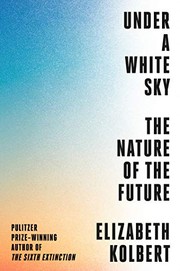
People trying to fix the damage humans have done to nature with new technology.
Recommended by: Bill Gates
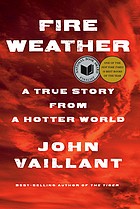
The Fort McMurray wildfire and the changing relationship between fire and people.
Recommended by: Andrew Wilkinson
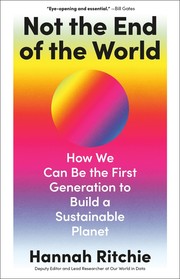
Data showing progress on environmental problems, enough to reach true sustainability.
Recommended by: Bill Gates
 Vaclav Smilwrote 1 book here
 John Doerrwrote 1 book here
 Bill Gateswrote 1 book here
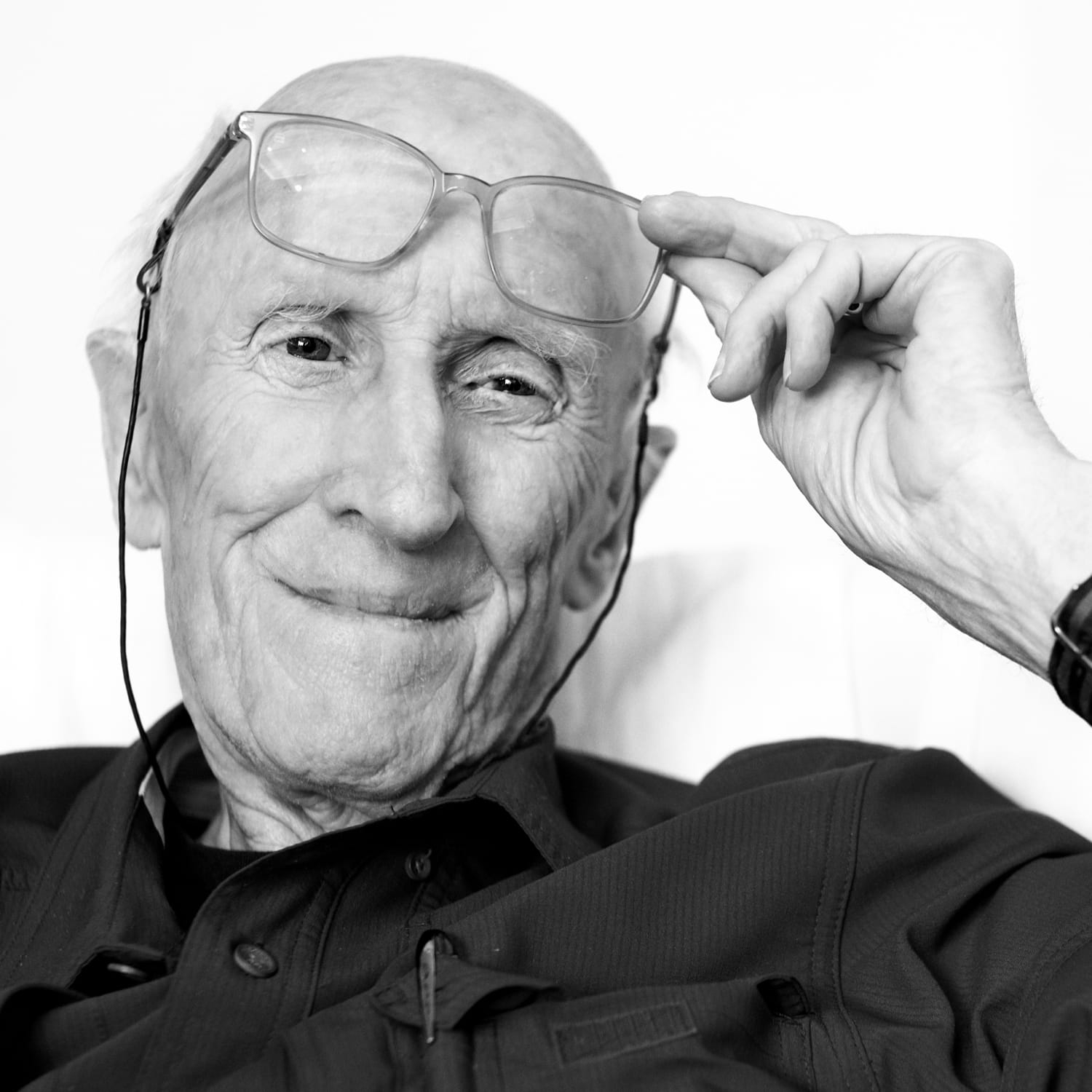 Stewart Brandwrote 1 book hereBill Gatesrecommends 11 books here
 Mohnish Pabrairecommends 6 books hereStewart Brandrecommends 5 books here
 Patrick Collisonrecommends 4 books here
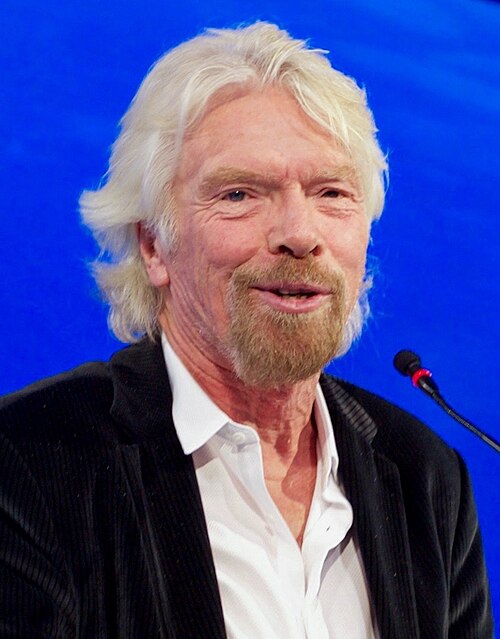 Richard Bransonrecommends 4 books here
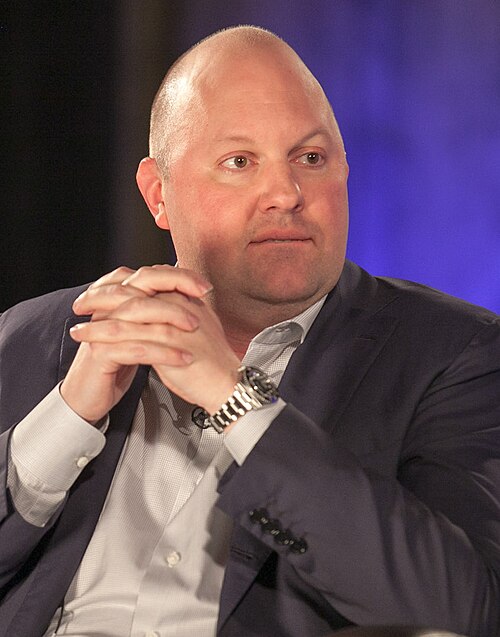 Marc Andreessenrecommends 2 books here
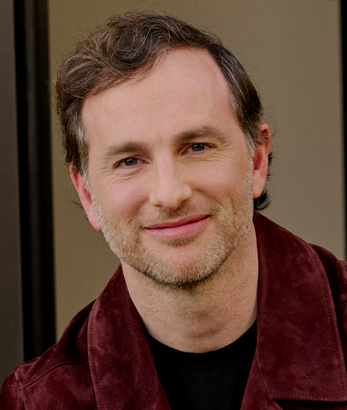 Joe Gebbiarecommends 2 books here
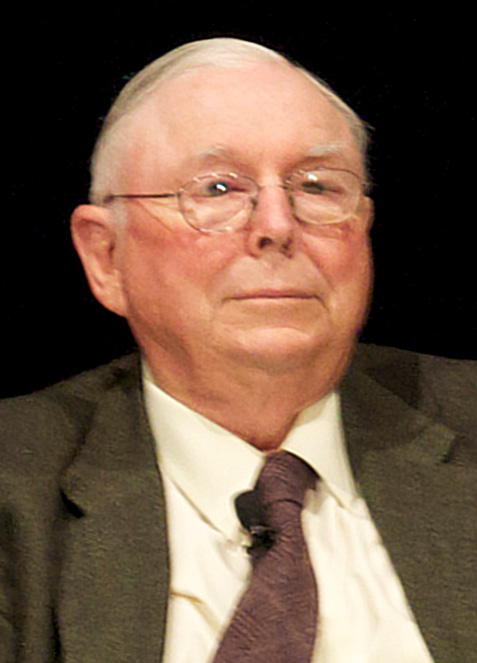 Charlie Mungerrecommends 1 book here
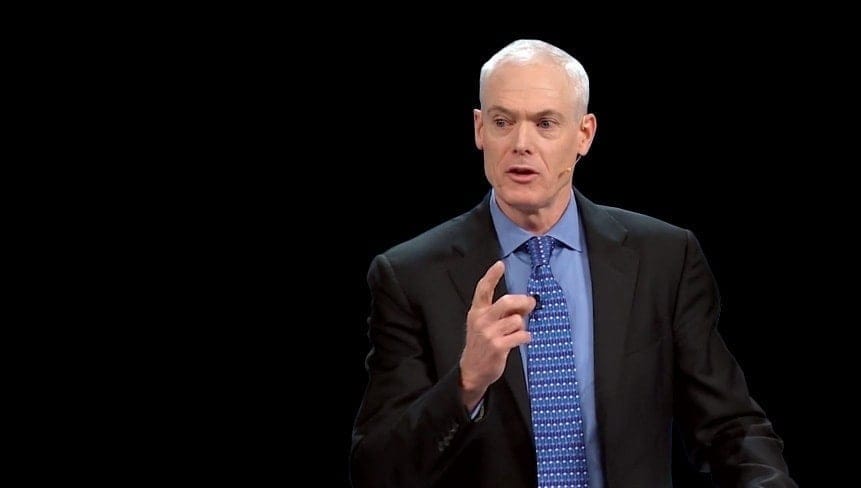 Jim Collinsrecommends 1 book here
 Paul Grahamrecommends 1 book here
 Kevin Kellyrecommends 1 book here