Energy, resources and environmental economics
Books on oil, gas, fracking, commodities, water, forests, climate policy and the material and energy basis of the economy, many by Vaclav Smil.
Start here
- The Climate CasinoWilliam Nordhaus, 2013
- Markets for Clean AirA. Denny Ellerman, Paul L. Joskow, Richard Schmalensee, Juan-Pablo Montero, Elizabeth M. Bailey, 2000
- Crude VolatilityRobert McNally, 2017
- Merchants of Grain: The Power and Profits of the Five Giant Companies at the Center of the World's Food SupplyDan Morgan, 1979
- The Limits to GrowthDonella H. Meadows et al., 1979
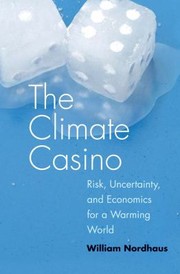
The economics of climate change, and why a universal carbon price works best.
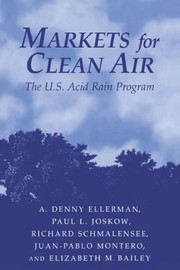
How the 1990 US sulphur dioxide allowance trading programme worked in practice.
Why oil prices are stable only when a cartel or swing producer controls supply.
The family-owned firms, from Cargill to Bunge, that controlled the world grain trade.
Recommended by: Mohnish Pabrai
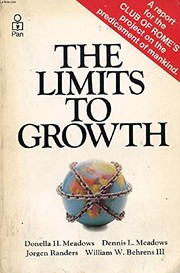
A computer model of exponential economic and population growth on finite resources.
Recommended by: Bill Gates
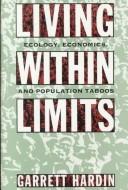
Population and consumption face physical limits that economics ignores.
“In Living Within Limits, Hardin focuses on the neglected problem of overpopulation, making a forceful case for dramatically changing the way we live in and manage our world. Our world itself, he writes, is in the dilemma of the lifeboat: it can only hold a certain number of people before it sinks-not everyone can be saved.” — Shane Parrish
Source: What Books Would You Recommend Someone Read to Improve their General Knowledge of the World?
Recommended by: Charlie Munger, Mohnish Pabrai and 1 other
A textbook on the economics and finance of forestry, rotation age included.
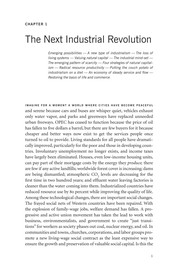
Why treating natural resources as capital will drive the next industrial revolution.
Recommended by: Joe Gebbia
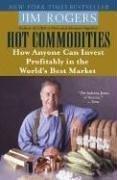
Why years of low prices and Chinese demand set up a long commodity bull market.
“Very specific book about understanding the commodity markets.” — Derek Sivers
Source: Derek Sivers book notes (primary, rated list) · Rating: 2/10
Recommended by: Derek Sivers, Mohnish Pabrai
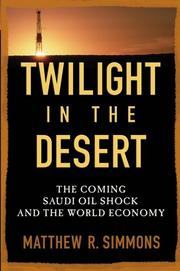
The argument that Saudi oil output was nearer its limit than the kingdom said.
Recommended by: Mohnish Pabrai
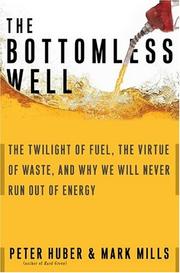
Why energy demand never falls, why 'waste' helps, and why quality power is scarce.
Recommended by: Mohnish Pabrai
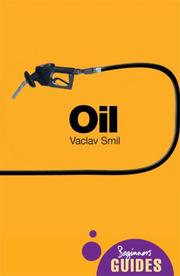
A short technical primer on oil: geology, extraction, refining, uses and reserves.
Recommended by: Mohnish Pabrai
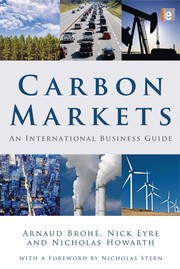
A guide to carbon markets: allowances, offsets, registries and schemes.
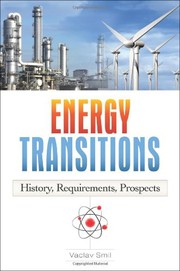
Each shift from wood to coal to oil took 50 to 70 years; new ones will be slow too.
Recommended by: Bill Gates
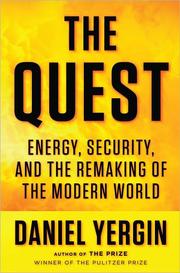
Energy from 1990 to 2011: Russian and Caspian oil, Iraq, climate policy, renewables.
Recommended by: Bill Gates, Jim Collins, Mohnish Pabrai
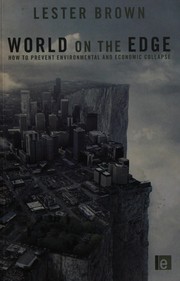
How global warming and environmental decline threaten economies, and what to do.
Recommended by: Bill Gates
Fracking in the Marcellus Shale, from West Virginia to New York.
Recommended by: Mohnish Pabrai
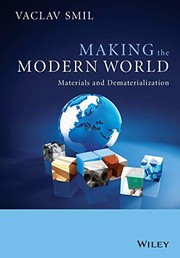
How much steel, cement and plastic the world uses, and whether growth needs less.
Recommended by: Bill Gates, Mohnish Pabrai, Mark Zuckerberg
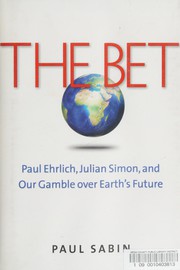
Julian Simon and Paul Ehrlich's wager on metal prices, and their fight over scarcity.
Recommended by: Bill Gates
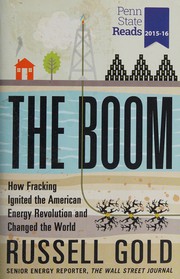
How fracking was developed, and its economic and environmental consequences.
Recommended by: Mohnish Pabrai, The Barefoot Investor
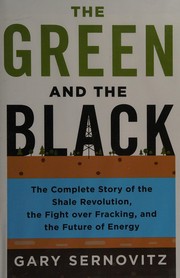
The shale revolution explained by an oil and gas insider.
“The best book I have read on the subject is The Green and The Black by Gary Sernovitz.” — Mohnish Pabrai
Source: Pabrai Investment Funds letter to partners (070116), page 24
Recommended by: Mohnish Pabrai
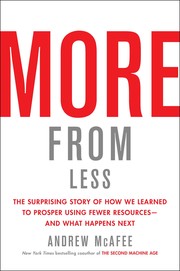
Evidence that rich economies now grow while using fewer physical resources.
“on how modern technological economies can build more outputs with less inputs” — Marc Andreessen
Source: @pmarca, companion thread to 'It's Time to Build'
Recommended by: Marc Andreessen
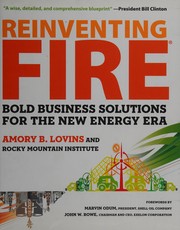
How American industry can cut its energy use and move to renewable sources.
Recommended by: Bill Gates, Ev Williams
Why human ingenuity, not limits on population, drives the supply of resources.
Recommended by: Kevin Kelly
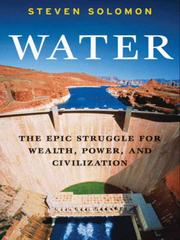
A world history showing how control of water shaped political and economic power.
Recommended by: Mohnish Pabrai

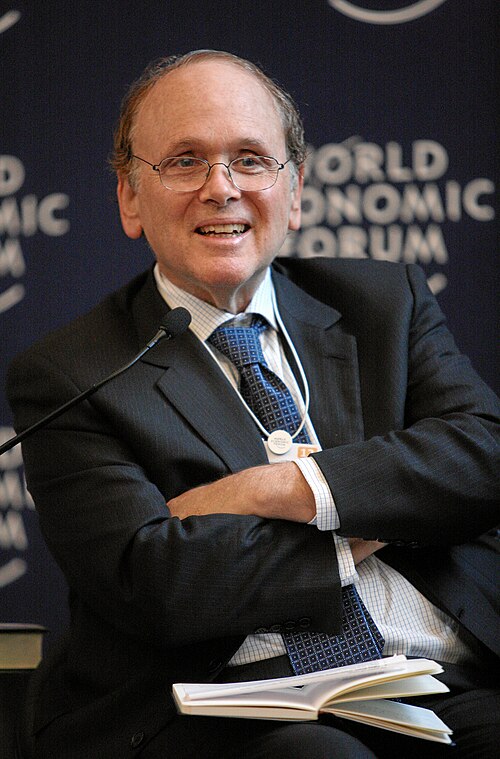

 Mohnish Pabrairecommends 12 books here
 Bill Gatesrecommends 7 books here
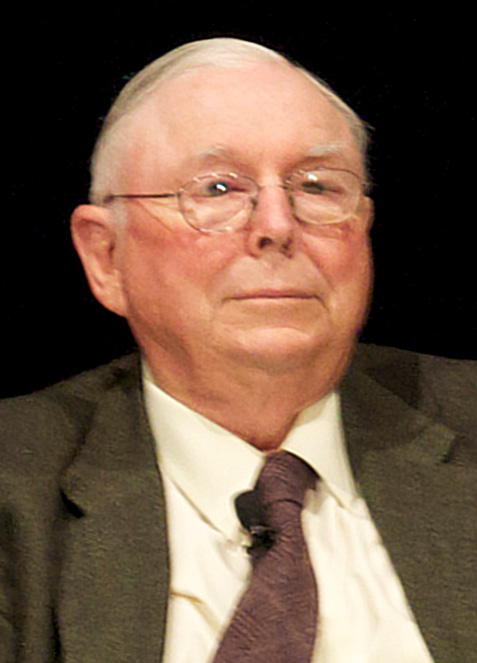 Charlie Mungerrecommends 1 book here
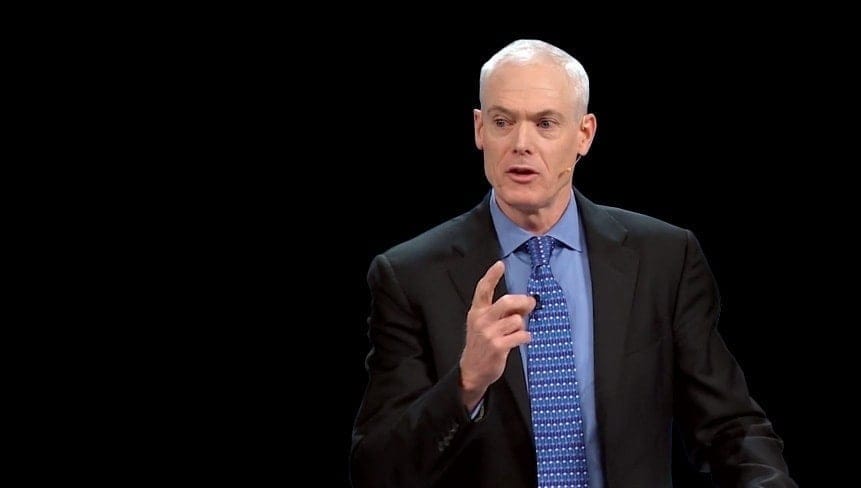 Jim Collinsrecommends 1 book here
 Marc Andreessenrecommends 1 book here
 Kevin Kellyrecommends 1 book here
 Derek Siversrecommends 1 book here
 Ev Williamsrecommends 1 book here
 Joe Gebbiarecommends 1 book here
 Mark Zuckerbergrecommends 1 book here