Oil and Gas
Producers earn the difference between the cost of finding and lifting a barrel and a price set somewhere else, refiners earn the crack spread between crude and product, and service companies earn on drilling activity, so the three parts of the chain peak at different points. High prices pay for drilling that arrives years later and drives prices down again, which is the pattern behind the busts of 1986, 1998, 2014 to 2016 and 2020; OPEC production decisions set the floor when its members hold to quota. Reserves accounting, decline rates and long lead times make the capital cycle slower here than almost anywhere else. The literature covers the political history of the industry, the American shale revolution and how it was financed, the conduct of the majors, Saudi Arabia's reserves and finances, and the traders who move the physical cargoes.
Start here
- The Prize: The Epic Quest for Oil, Money, and PowerDaniel Yergin, 1991
- The FrackersGregory Zuckerman, 2013
- Private Empire: ExxonMobil and American PowerSteve Coll, 2012
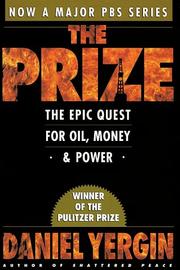
The history of oil from the first Pennsylvania well to the Gulf War.
“He's also an extremely articulate writer, as evidenced by his Pulitzer prize for his early work on oil, The Prize.” — Bill Gates
Source: The Quest — Gates Notes
Recommended by: Bill Gates, Jim Collins, Mohnish Pabrai and 4 others
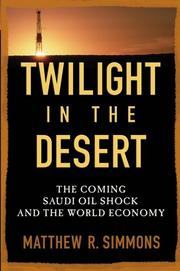
The argument that Saudi oil output was nearer its limit than the kingdom said.
Recommended by: Mohnish Pabrai
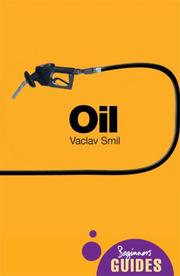
A short technical primer on oil: geology, extraction, refining, uses and reserves.
Recommended by: Mohnish Pabrai
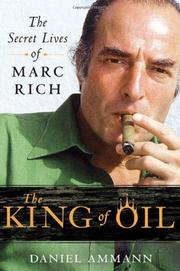
Marc Rich, who created the modern oil trading business.
Recommended by: Mohnish Pabrai
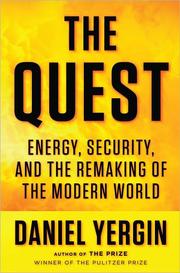
Energy from 1990 to 2011: Russian and Caspian oil, Iraq, climate policy, renewables.
Recommended by: Bill Gates, Jim Collins, Mohnish Pabrai
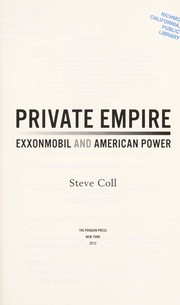
How ExxonMobil acts like a sovereign power, from the Valdez spill to 2011.
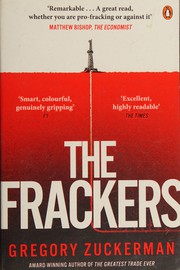
The wildcatters, from George Mitchell to Harold Hamm, who started the shale boom.
Recommended by: Mohnish Pabrai
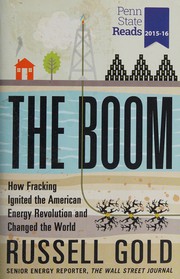
How fracking was developed, and its economic and environmental consequences.
Recommended by: Mohnish Pabrai, The Barefoot Investor
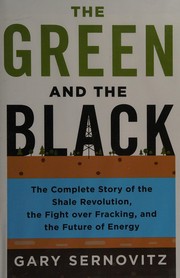
The shale revolution explained by an oil and gas insider.
“The best book I have read on the subject is The Green and The Black by Gary Sernovitz.” — Mohnish Pabrai
Source: Pabrai Investment Funds letter to partners (070116), page 24
Recommended by: Mohnish Pabrai
Why oil prices are stable only when a cartel or swing producer controls supply.

Saudi Arabia told through its oil business, from the 1930s concession to Aramco.
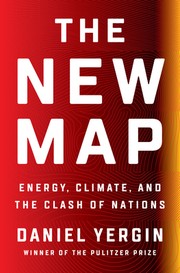
Energy and geopolitics in 2020: US shale, Russia, China and the Middle East.
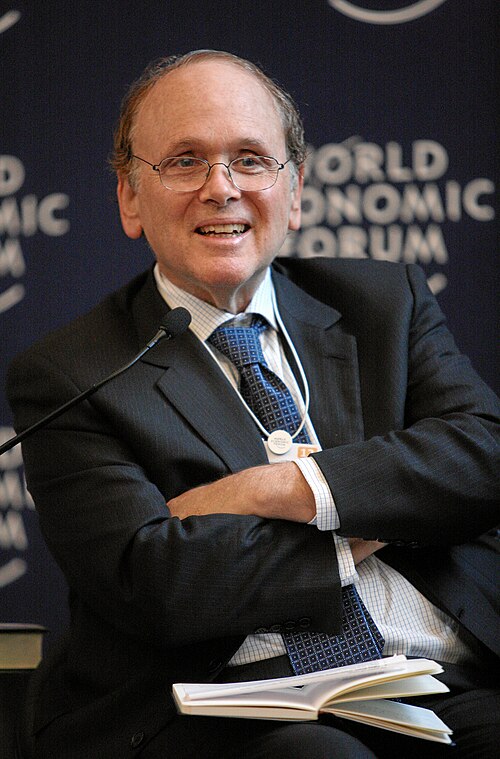


 Mohnish Pabrairecommends 8 books here
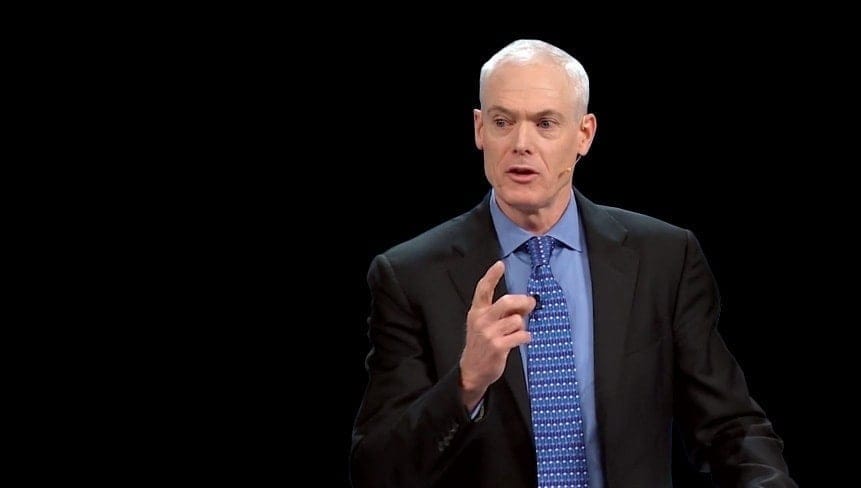 Jim Collinsrecommends 2 books here
 Bill Gatesrecommends 2 books here
 Marc Andreessenrecommends 1 book here
 Emmett Shearrecommends 1 book here