Energy, climate and the Earth
Books on energy systems, materials, food production, climate change, geology and the environmental history of the planet, many by Vaclav Smil.
Start here
- Enriching the EarthVaclav Smil, 2001
- Energy: A Beginner's GuideVaclav Smil, 2006
- Making the Modern World: Materials and DematerializationVaclav Smil, 2013
- GrowthVaclav Smil, 2019
- Numbers Don't LieVaclav Smil, 2020
How Haber and Bosch's ammonia synthesis transformed world food production.
“The Vaclav Smil book Enriching the Earth: Fritz Haber, Carl Bosch and the Transformation of World Food Production tells this incredible story in great depth.” — Bill Gates
Source: My review of Vaclav Smil's new book — Gates Notes
Recommended by: Bill Gates, Mohnish Pabrai
A short primer on energy: its forms, units and role in nature and economies.
Recommended by: Nat Eliason, Bill Gates, Mark Zuckerberg
How much steel, cement and plastic the world uses, and whether growth needs less.
Recommended by: Bill Gates, Mohnish Pabrai, Mark Zuckerberg
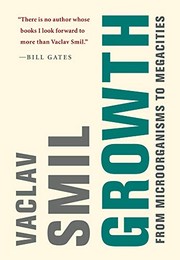
How organisms, populations, machines, economies and civilisations grow, and stop.
“and Vaclav Smil, Growth: From Microorganisms to Megacities (Cambridge, MA: MIT Press, 2019)” — Michael Mauboussin
Source: Underestimating the Red Queen: Measuring Growth and Maintenance Investments, page 18
Recommended by: Bill Gates, Michael Mauboussin
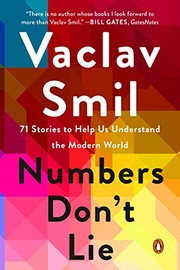
Seventy-one short pieces that correct common impressions with plain arithmetic.
Recommended by: Bill Gates, Mark Zuckerberg and 1 other
The physical basics of modern life: energy, food, materials and globalisation.
Recommended by: Bill Gates
A computer model of world growth that overshoots its limits and then declines.
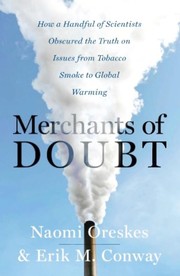
How a few scientists with ties to industry ran campaigns to deny settled science.
Recommended by: Nat Eliason, Elon Musk
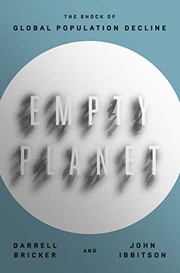
The costs and benefits of a shrinking world population.
“A favorite book on the topic is Empty Planet: The Shock of Global Population Decline, by Darrell Bricker and John Ibbitson, and a recommended YouTube video, if you prefer, is “Birthgap – Childless World Part 1,” Birthgap.org (2022).” — Jeremy Grantham
Source: Rising Toxicity and the Threat to Capitalism and Life Itself, page 8
Recommended by: Jeremy Grantham
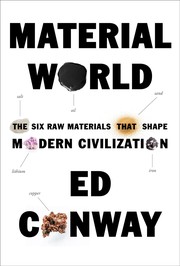
Six materials the world runs on, sand, salt, iron, copper, oil and lithium, traced.
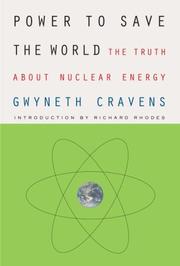
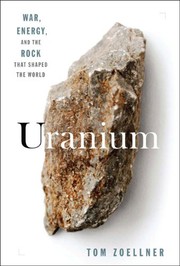
A sceptic's conversion to nuclear power, and how public fear of it formed.
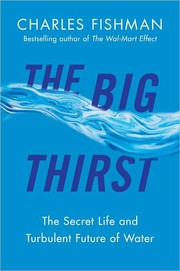
Water as an economic problem, and why the era of cheap, plentiful water is ending.
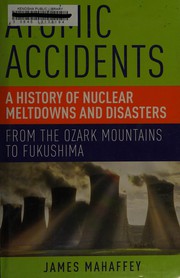
Nuclear accidents, what went wrong in each, and what each taught about the atom.
A data-driven look at emissions and what reduces them.
Recommended by: Bill Gates
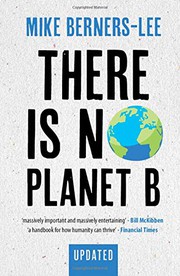
A handbook of facts and answers on what each of us can do for the planet.
Recommended by: Jan Losert
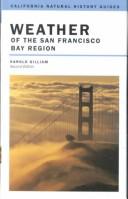
The forces of air, land and water that give the Bay Area its many kinds of weather.
Recommended by: Patrick Collison
The movement of plants, animals, diseases and people between the Old and New Worlds.
“Alfred Crosby's The Columbian Exchange, which is basically what Jared Diamond ripped off when he wrote his book.” — Nick Szabo
Source: The Tim Ferriss Show Transcripts: Nick Szabo (#244)
Recommended by: Nick Szabo
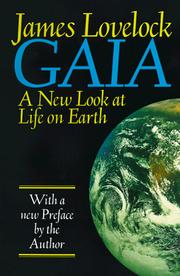
The hypothesis that life on Earth behaves as one self-regulating organism.
Recommended by: Stewart Brand
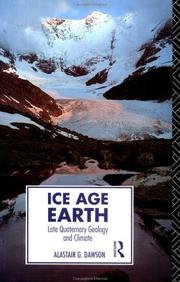
The geology and climate of the late Quaternary ice age.
Recommended by: Mohnish Pabrai
A complete briefing on global warming and climate change.
Recommended by: Bill Gates
How oil and gas form, how they are found, drilled and produced, in plain terms.
Recommended by: Mohnish Pabrai
Recommended by: Mohnish Pabrai
How energy is transformed to power the biosphere and human society.
Recommended by: Bill Gates
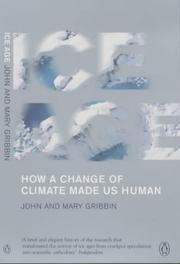
How scientists came to understand ice ages and their causes.
Recommended by: Charlie Munger
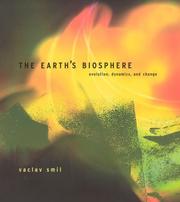
The Earth's biosphere from its origins to its future: physics, chemistry and biology.
Recommended by: Bill Gates
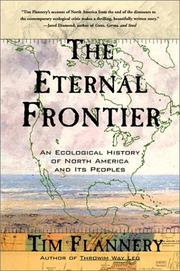
An ecological history of North America from the asteroid that killed the dinosaurs.
Recommended by: Stewart Brand
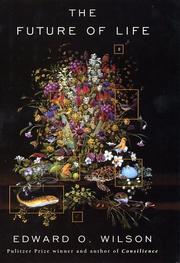
The species the world is about to lose, and how conservation can pay economically.
Recommended by: Mohnish Pabrai, Stewart Brand
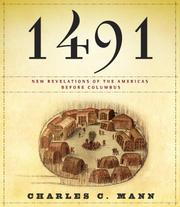
What the Americas were like before Europeans arrived, against the old view.
Recommended by: Mohnish Pabrai
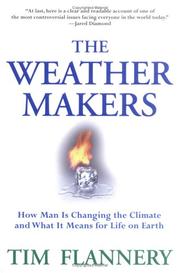
The history of climate change, how it will unfold, and what can be done about it.
Recommended by: Mohnish Pabrai, Richard Branson
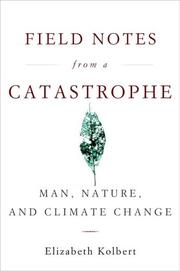
A New Yorker writer's reporting on climate change and its effects.
Recommended by: Mohnish Pabrai
The career of Norman Borlaug, the plant scientist who won the Nobel Peace Prize.
Recommended by: Bill Gates, Mohnish Pabrai
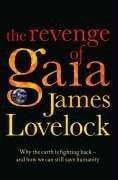
Why the climate crisis may soon pass the point where people can alter it.
Recommended by: Stewart Brand
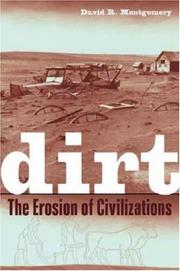
How people have used up the Earth's soil for millennia, and what erosion cost them.
Recommended by: Stewart Brand
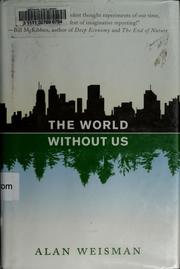
What would be left of the world if humans ceased to exist.
Recommended by: Patrick Collison, Richard Branson
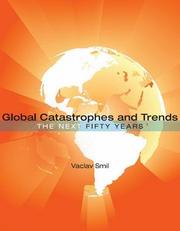
How the world changes through sudden catastrophes and through slow trends.
Recommended by: Bill Gates
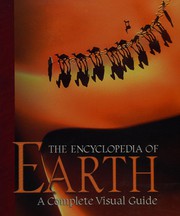
A visual reference to the Earth today and across the ages.
Recommended by: Stewart Brand
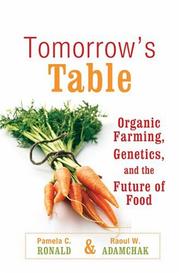
Organic farming and genetically engineered crops as ways to feed the world.
Recommended by: Bill Gates
Whether Britain could live on renewables, worked out in numbers per person.
Recommended by: Bill Gates
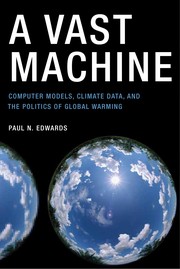
How weather data and computer models built our knowledge of global climate change.
Recommended by: Patrick Collison
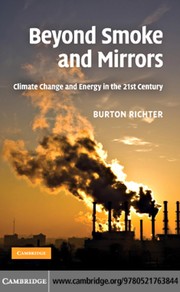
An assessment of the proposals for averting climate change, and the energy options.
Recommended by: Mohnish Pabrai
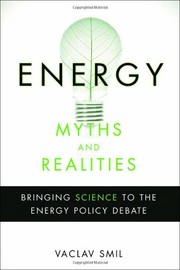
Common claims about energy tested against the record of past energy transitions.
Recommended by: Bill Gates
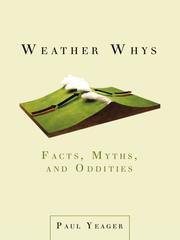
Facts, myths and oddities about the weather from a meteorologist.
Recommended by: Patrick Collison
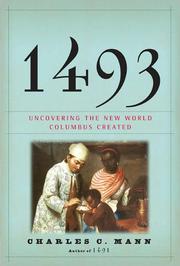
The biological upheaval that followed Columbus's voyages, and the world it made.
Recommended by: Mohnish Pabrai
The history and technology of the Integral Fast Reactor built at Argonne, 1984-94.
Recommended by: Sam Altman
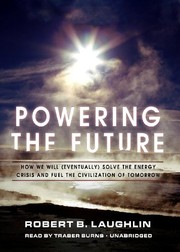
How people will get energy two centuries from now, once fossil carbon is gone.
Recommended by: Sam Altman
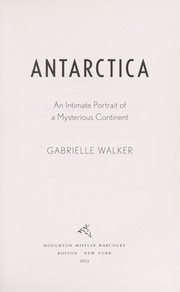
Antarctica's science, natural history, exploration and people, in one portrait.
Recommended by: Matt Mullenweg
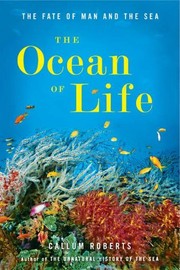
A conservation biologist's account of the life of the seas.
Recommended by: Patrick Collison
How rocks and living matter evolved together to shape Earth.
Recommended by: Mohnish Pabrai
How much of the biosphere's living matter people have taken, measured.
Recommended by: Bill Gates
How to build a good future for humanity and the Earth in the Anthropocene.
Recommended by: Richard Branson
Rare metals such as tantalum and rhodium, and why phones and weapons need them.
How industry could use far less steel, cement, plastic, paper and aluminium.
Recommended by: Bill Gates
Proposals for planned intervention in the climate, and what geoengineering could do.
Recommended by: Patrick Collison
The planet's five mass extinctions and the role climate change played in them.
Recommended by: Jake Knapp
People trying to fix the damage humans have done to nature with new technology.
Recommended by: Bill Gates
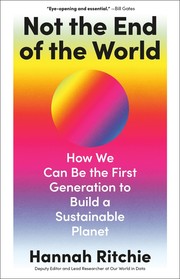
Data showing progress on environmental problems, enough to reach true sustainability.
Recommended by: Bill Gates
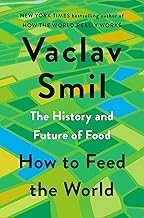
The main questions about the world's food system, answered with numbers.
Recommended by: Bill Gates
 Bill Gatesrecommends 20 books here
 Mohnish Pabrairecommends 13 books here
 Patrick Collisonrecommends 6 books here
 Stewart Brandrecommends 6 books here
 Mark Zuckerbergrecommends 3 books here
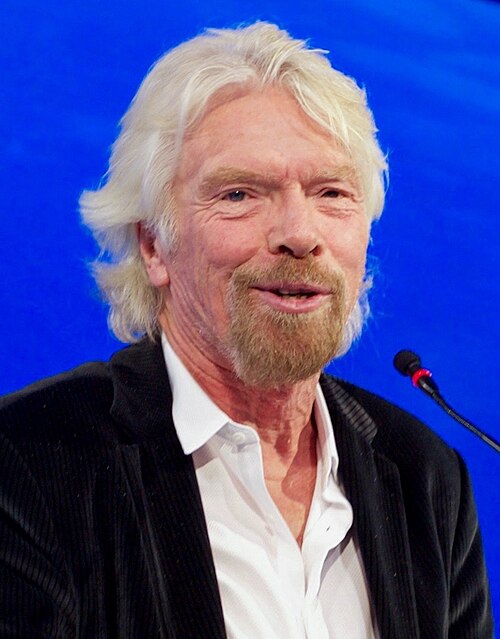 Richard Bransonrecommends 3 books here
 Nat Eliasonrecommends 2 books here
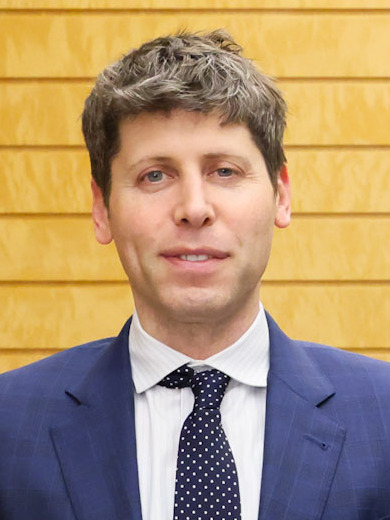 Sam Altmanrecommends 2 books here
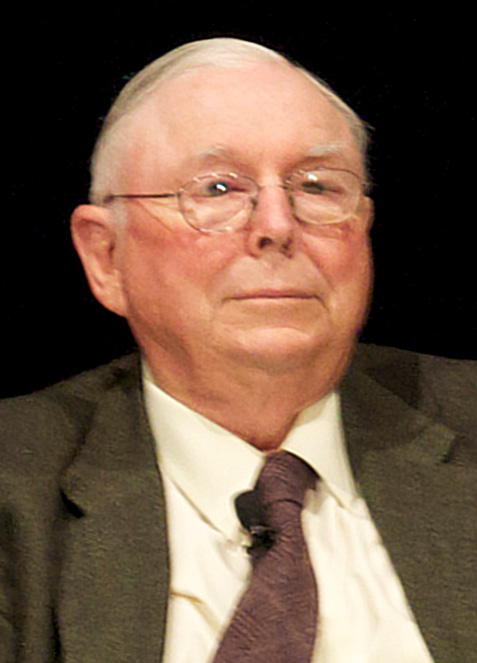 Charlie Mungerrecommends 1 book here
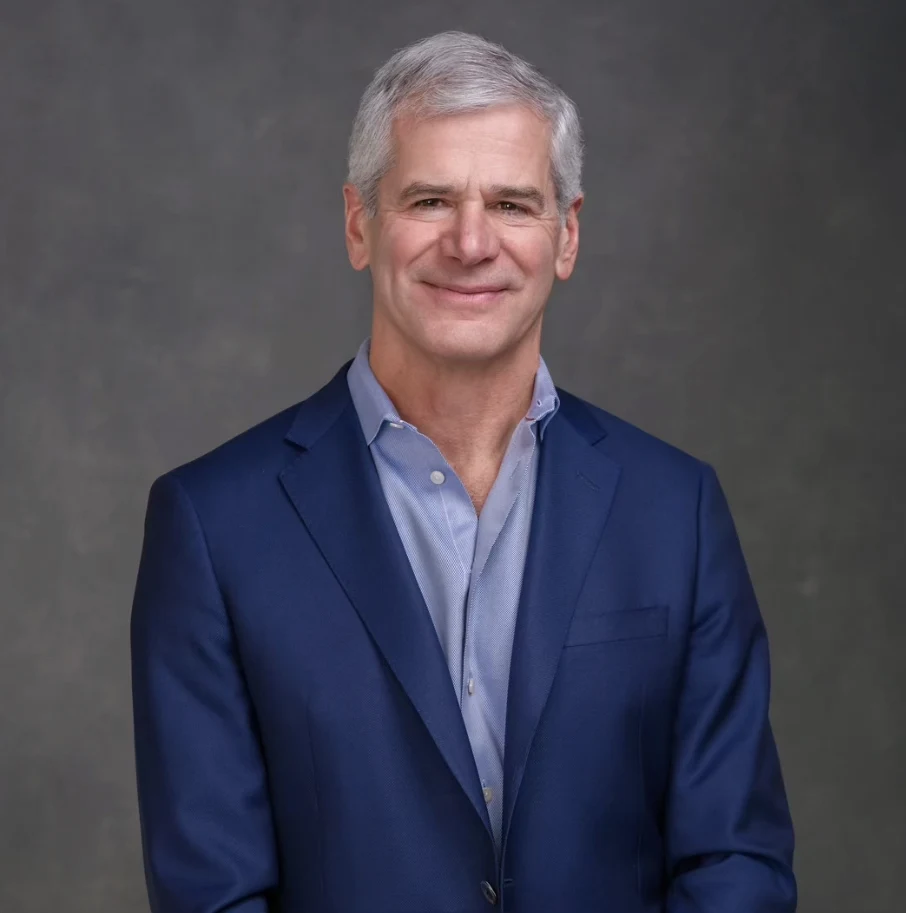 Michael Mauboussinrecommends 1 book here
 Jeremy Granthamrecommends 1 book here
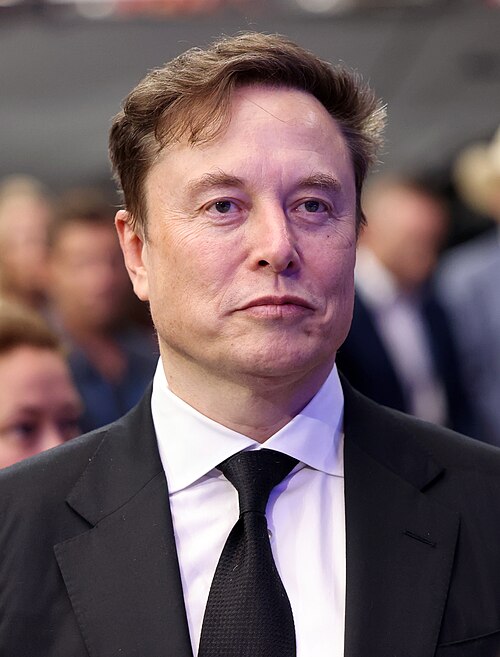 Elon Muskrecommends 1 book here