Harvesting the Biosphere
How much of the biosphere's living matter people have taken, measured.
Summary
Vaclav Smil measures, across several disciplines, how much of the biosphere's living matter people have taken, from prehistory to the present. The biosphere is the Earth's thin layer of life, and it goes back almost four billion years, to the appearance of the first simple organisms. Many species have had a large effect on its character and productivity, but none has changed the planet in as many ways, or on as large a scale, as Homo sapiens.
Smil covers every kind of harvest, from the hunting of megafauna by early humans to modern crop farming, and every use people make of the biomass they gather: food, energy and raw materials. Human evolution and the growth of civilisation, he notes, depended on those harvests. Yet today's harvests have grown so wide and so intense that they are altering the basis of civilisation's well-being. To track how harvests have grown and how large they now are, Smil assembles the best figures he can for past and present global losses of biomass. He draws on research from anthropology to environmental science and gives a long-term view, at the scale of the whole planet, of environmental change caused by people.
Key takeaways 4
- No species has changed the biosphere as much as Homo sapiens.
- Harvested biomass supplies food, energy and raw materials.
- Smil puts numbers on how much living matter humans have taken over time.
- The scale of present harvests is changing the basis of human well-being.
Who should read it
Readers of environmental science and history who want hard numbers on humanity's use of the living world.
About Vaclav Smil
Distinguished professor emeritus at the University of Manitoba; writes quantitative histories of energy, food, materials and technical change.
Each book counts the physical inputs an economy consumes - joules, tonnes of steel, ammonia, cement - and establishes the historical rates at which past energy transitions actually moved. Those numbers let an investor size decarbonisation timelines and test claims about how fast an energy system can be rebuilt.
Who recommended it 1 · 1 direct
Similar books 6
Chosen by shared topics, the entries that hold them, and the people who recommended both.
The Earth's biosphere from its origins to its future: physics, chemistry and biology.
Recommended by: Bill Gates
How people have used up the Earth's soil for millennia, and what erosion cost them.
Recommended by: Stewart Brand
The hypothesis that life on Earth behaves as one self-regulating organism.
Recommended by: Stewart Brand
The geology and climate of the late Quaternary ice age.
Recommended by: Mohnish Pabrai
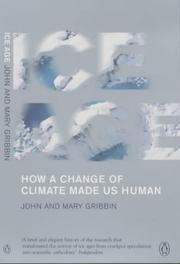
How scientists came to understand ice ages and their causes.
Recommended by: Charlie Munger
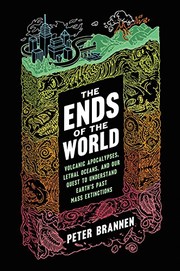
The planet's five mass extinctions and the role climate change played in them.
Recommended by: Jake Knapp