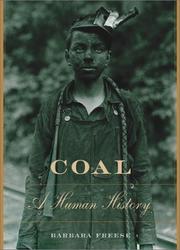
Coal: A Human History
How coal built empires and economies, and the death and pollution it caused.
Summary
Freese traces coal's history over hundreds of millions of years and across the globe. Roman invaders prized it as the best stone in Britain and carved jewellery from it. Coal made China a superpower in the twelfth century, inspired the writing of The Communist Manifesto and helped the northern states win the American Civil War. It built the global economy and still powers electrical plants.
Freese also records its costs: death, disease and environmental destruction. As early as 1306 King Edward I tried, without success, to ban coal because its smoke was so foul, and coal is now identified as a main cause of global warming. Her account, part social, part environmental and part political history, ranges from the great stinking fogs of London and the slums of Manchester to the coal mines of Pennsylvania, the women's clubs of Chicago and the toxic streets of Beijing. She shows coal bringing nations together while tearing families apart, and driving technological advances while spreading poverty and illness.
Key takeaways 4
- Coal powered China's twelfth-century rise and Britain's industrial economy.
- Its smoke caused public outcry as early as 1306 in England.
- Coal brought prosperity and progress alongside poverty and disease.
- Coal is a main cause of global warming and still powers electricity generation.
Who should read it
Investors in energy who want the long history of coal's economic power and its environmental costs.
Similar books 6
Chosen by shared topics, the entries that hold them, and the people who recommended both.
The history of the commodity traders Vitol, Glencore, Trafigura and Cargill.
Why oil prices are stable only when a cartel or swing producer controls supply.
The 1989 Exxon Valdez oil spill and Exxon's response, reported from Alaska.
The rise and fall of the Texas oil fortunes, the Hunts among them.
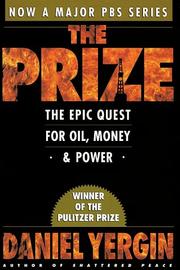
The history of oil from the first Pennsylvania well to the Gulf War.
“He's also an extremely articulate writer, as evidenced by his Pulitzer prize for his early work on oil, The Prize.” — Bill Gates
Source: The Quest — Gates Notes
Recommended by: Bill Gates, Jim Collins, Mohnish Pabrai and 4 others
The big international oil companies and how the 1973 embargo took away their control.
Where it sits in the reference 1
Topics 4
As an Amazon Associate I earn from qualifying purchases.