Trade, globalisation and shipping
Histories and debates about international trade, global supply chains, container shipping and the politics of globalisation.
Start here
- The Travels of a T-Shirt in the Global EconomyPietra Rivoli, 2005
- The Great RebalancingMichael Pettis, 2013
- Straight Talk on TradeDani Rodrik, 2017
- Trade Wars Are Class WarsMatthew C. Klein, Michael Pettis, 2020
- How the World Ran Out of EverythingPeter S. Goodman, 2024
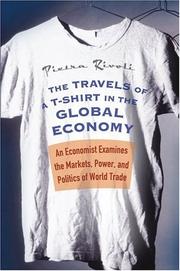
One T-shirt traced from a Texas cotton farm to a Chinese factory and beyond.
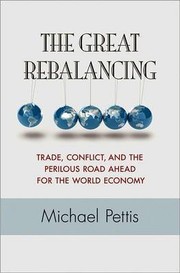
Trade imbalances come from policies that hold down household consumption.
For trade, but against hyperglobalisation that overrides national choices.
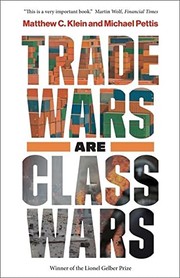
Trade imbalances come from how income is shared within countries.
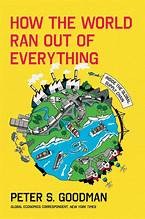
The supply-chain breakdown of 2020 to 2022, traced through shipments and people.

The case that production is relocalising after hyper-globalisation, and should.
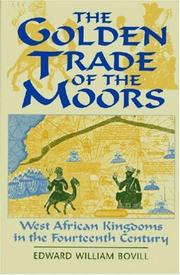
The trans-Saharan trade of West African gold for salt.
“Bovill, The Golden Trade of the Moors” — Paul Graham
Source: Rarely-Asked Questions — paulgraham.com
Recommended by: Paul Graham
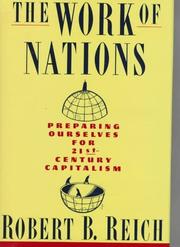
The social and economic questions that global capitalism will put to policy makers.
Recommended by: Mohnish Pabrai
Why trade liberalisation was creating social tensions its advocates ignored.
Recommended by: Patrick Collison

Globalization as the new international system, seen from Amazon farms to Wall Street.
Recommended by: Mohnish Pabrai
Why global markets outgrew the institutions that govern them, and what to build.

A reply to critics who blame globalisation for child labour and other ills.
Recommended by: Marc Andreessen
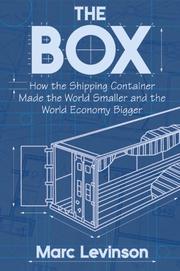
How the shipping container cut freight costs and remade global trade.
“History of the shipping container, and how it affected the world economy. Also for ambitious entrepreneurs, Malcom McLean is a damn good role model. Great read.” — Derek Sivers
Source: Derek Sivers book notes (primary, rated list) · Rating: 6/10
Recommended by: Bill Gates, Derek Sivers, Mohnish Pabrai and 2 others
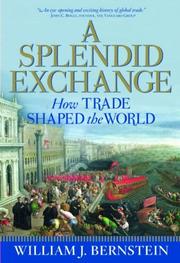
Long-distance trade from Mesopotamia and the spice routes to modern globalisation.
Recommended by: Patrick Collison, Mohnish Pabrai, Nick Szabo
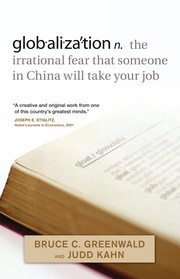
Why globalisation matters less than the shift from manufacturing to services.
“A terrific resource for this argument is Bruce C. Greenwald and Judd Kahn, Globalization: The Irrational Fear That Someone in China Will Take Your Job (Hoboken, NJ: John Wiley & Sons, 2008)” — Michael Mauboussin
Source: Blaming the Rat: Incentives, Motivation, and How They Interact, page 13
Recommended by: Michael Mauboussin
The economics of shipping: the market cycle, freight rates and vessel costs.
Recommended by: Patrick Collison
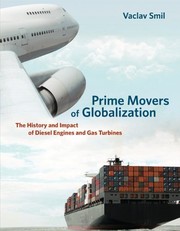
How the diesel engine and the gas turbine made modern global trade possible.
Recommended by: Bill Gates, Mohnish Pabrai
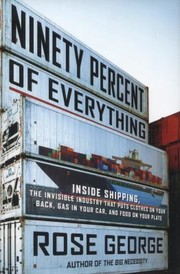
A voyage on a container ship, and how the industry that moves traded goods works.
Recommended by: Mohnish Pabrai
How the quest for gold, silver and copper gave birth to globalisation.
Recommended by: Nick Szabo
Globalisation's two phases: cheap shipping of goods, then cheap movement of ideas.
Recommended by: Satya Nadella
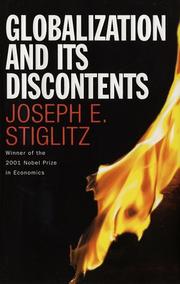
An attack on the IMF's one-size-fits-all policies in the crises of the 1990s.
Recommended by: Patrick Collison
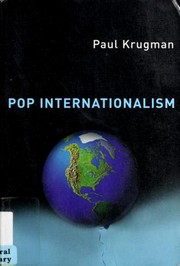
Essays against popular misconceptions about international trade.
Recommended by: Patrick Collison
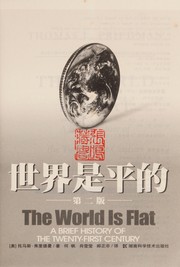
Ten forces around 2000 that let anyone, anywhere compete in the global economy.
Recommended by: Jim Collins, Mohnish Pabrai, Bill Gates and 3 others
 George Soroswrote 1 book here
 Vaclav Smilwrote 1 book here
 Joseph E. Stiglitzwrote 1 book here
 Mohnish Pabrairecommends 7 books here
 Patrick Collisonrecommends 5 books here
 Bill Gatesrecommends 3 books here
 Paul Grahamrecommends 2 books here
 Jim Collinsrecommends 1 book here
 Marc Andreessenrecommends 1 book here
 Michael Mauboussinrecommends 1 book here
 John Doerrrecommends 1 book here
 Derek Siversrecommends 1 book here
 Jamie Dimonrecommends 1 book here
 Meg Whitmanrecommends 1 book here