Deglobalisation
Tariffs, sanctions and security screening reversing four decades of integration. Distinct from the globalisation and supply chain entry, which covers the build-up.
Start here
- HomecomingRana Foroohar, 2022
- Straight Talk on TradeDani Rodrik, 2017
- Trade Wars Are Class WarsMatthew C. Klein, Michael Pettis, 2020
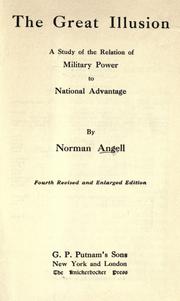
Conquest no longer pays, since modern prosperity rests on trade and credit.
Recommended by: Peter Thiel
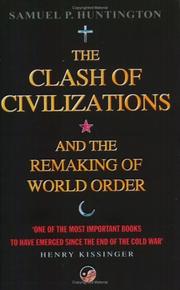
After the Cold War, conflict will follow cultural and religious fault lines.
Recommended by: Mohnish Pabrai, Patrick Collison and 3 others
Why trade liberalisation was creating social tensions its advocates ignored.
Recommended by: Patrick Collison
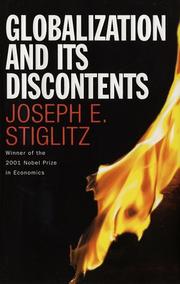
An attack on the IMF's one-size-fits-all policies in the crises of the 1990s.
Recommended by: Patrick Collison
Competing regional ideas of legitimate order and the balance of power.
Recommended by: Mohnish Pabrai, Mark Zuckerberg, Ray Dalio
For trade, but against hyperglobalisation that overrides national choices.
Trade imbalances come from how income is shared within countries.
A forecast that information technology will erode the nation state's power to tax.
“This is the best book I've read since Sapiens (far less mainstream, though).” — Naval Ravikant
Source: Naval's Recommended Reading — The Almanack of Naval Ravikant
Recommended by: Balaji S. Srinivasan, Nat Eliason and 11 others

The case that production is relocalising after hyper-globalisation, and should.
Why the US-guarded trading order is ending, and what that means for supply chains.
Recommended by: Andrew Wilkinson

 Patrick Collisonrecommends 4 books here
 Peter Thielrecommends 2 books here
 Ray Daliorecommends 2 books here
 Mohnish Pabrairecommends 2 books here
 Marc Andreessenrecommends 1 book here
 Balaji S. Srinivasanrecommends 1 book here
 Brian Armstrongrecommends 1 book here
 Jamie Dimonrecommends 1 book here
 Mark Zuckerbergrecommends 1 book here