Technology, innovation and the digital economy
Books on how technology, automation, platforms and the internet change economies, firms and work, and on how innovation and venture finance operate.
Start here
- Platform RevolutionGeoffrey G. Parker, Marshall W. Van Alstyne, Sangeet Paul Choudary, 2016
- Game OverDavid Sheff, 1993
- Innovation and Its DiscontentsAdam B. Jaffe, Josh Lerner, 2004
- Invisible EnginesDavid S. Evans, Andrei Hagiu, Richard Schmalensee, 2006
- Innovation and the StateDan Breznitz, 2007
How platforms create value by matching groups, unlike linear pipeline businesses.
Recommended by: Reid Hoffman
How 1980s changes turned the US patent system from aid to obstacle for innovation.
Software platforms as two-sided markets, and how they price and grow.
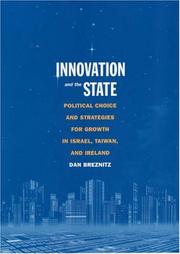
How Israel, Taiwan and Ireland each used the state to build IT industries.

Why most government efforts to build venture capital sectors fail.
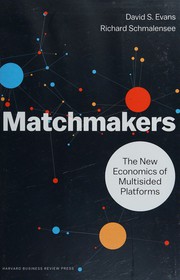
How multi-sided platforms such as card networks get both sides on board at once.
“David S. Evans and Richard Schmalensee, Matchmakers: The New Economics of Multisided Platforms (Boston, MA: Harvard Business Review Press, 2016)” — Michael Mauboussin
Source: Measuring the Moat: Assessing the Magnitude and Sustainability of Value Creation
Recommended by: Michael Mauboussin
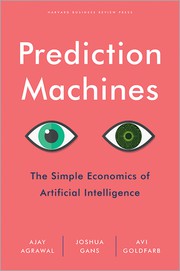
AI as a fall in the cost of prediction, and what that does to decisions and jobs.
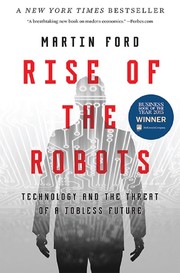
Why automation of cognitive work may cause lasting unemployment.
Recommended by: Daniel Petre, Patrick O'Shaughnessy
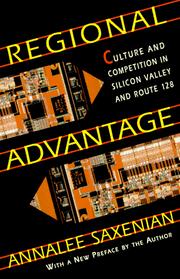
How Silicon Valley and Boston's Route 128 differ, and why the Valley pulled ahead.
Recommended by: Patrick Collison, Kevin Kelly
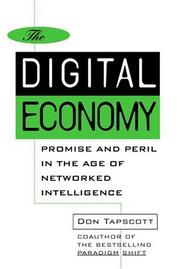
Why networked computing would reorganise business, not just speed it up.
Recommended by: Mohnish Pabrai
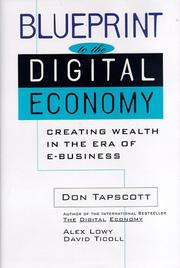
Essays by consultants and executives on restructuring businesses for the internet.
Recommended by: Mohnish Pabrai
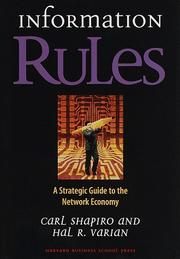
Economics for information goods: pricing, versioning, lock-in and network effects.
“Carl Shapiro and Hal R. Varian, Information Rules (Boston, MA: Harvard Business School Press, 1999), 174” — Michael Mauboussin
Source: The Ecosystem Edge, page 10
Recommended by: Michael Mauboussin, Mohnish Pabrai and 1 other
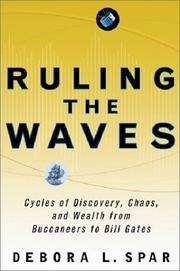
What happens when technology moves faster than governments can write rules.
Recommended by: Mohnish Pabrai
How the wealth of the future will be created and spread.
Recommended by: Ev Williams
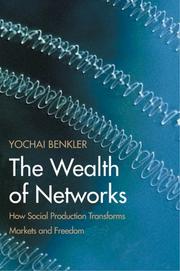
How the internet changed the way information is produced, and what follows.
Recommended by: Patrick Collison, Mike Maples, Jr.
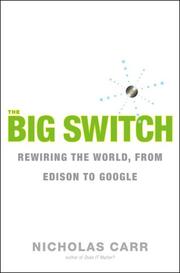
Computing is becoming a utility supplied over a network, as electricity did.
Recommended by: Marc Benioff
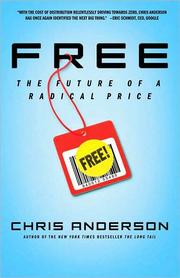
Digital costs near zero mean goods can be given away, which changes whole industries.
“During the month I read Chris Anderson’s excellent 2009 book “Free” and found in it a lot of sense about the way the business world is today and where it’s going – certainly more sense than I get from watching a Bloomberg scr” — Nick Train
Source: April 2016 Monthly Manager Report, page 2
Recommended by: Nick Train
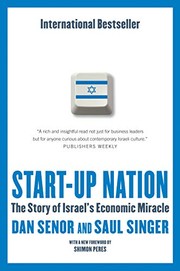
Why Israel produces so many tech start-ups, from military service to immigration.
Recommended by: Balaji S. Srinivasan
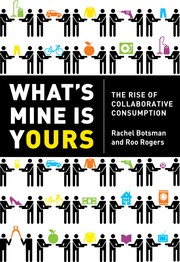
The rise of economic models based on sharing and collective consumption.
Recommended by: Lauren Capelin
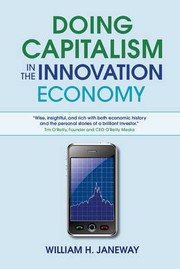
Innovation as a game played by the state, capital markets and competition.
“He wrote this book, which I really recommend, it's called Doing Capitalism” — Marc Andreessen
Source: Dwarkesh Podcast — Marc Andreessen (transcript)
Recommended by: Marc Andreessen
How entrepreneurs spread four centuries of progress to the world's excluded majority.
Recommended by: Mohnish Pabrai
How fashion, cuisine and other fields thrive on copying without patents or copyright.
Recommended by: Mohnish Pabrai
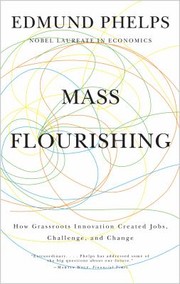
How grassroots innovation created jobs, challenge and change, by a Nobel economist.
Recommended by: Patrick Collison
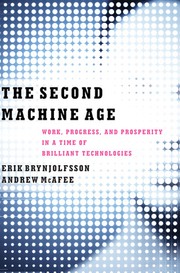
How digital technology is changing work and wealth as the Industrial Revolution did.
“For additional discussion of freestyle chess, see Erik Brynjolfsson and Andrew McAfee, The Second Machine Age: Work, Progress, and Prosperity in a Time of Brilliant Technologies (New York: W.W. Norton & Company, 2014)” — Michael Mauboussin
Source: Lessons from Freestyle Chess: Merging Fundamental and Quantitative Analysis, page 9
Recommended by: Michael Mauboussin, Mohnish Pabrai and 5 others
How the internet went from university and military networks to commerce.
Recommended by: Patrick Collison
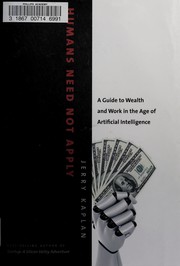
How machine learning and robots will displace work faster than institutions adapt.
Recommended by: Antonio García Martínez, Brian Armstrong
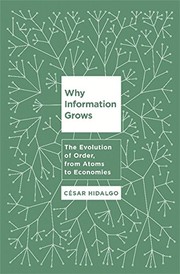
Why some nations prosper, explained by how information and knowledge grow.
Recommended by: Naval Ravikant
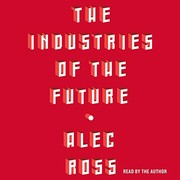
The technologies and industries expected to drive the economy next.
Recommended by: Alfred Lin, Reid Hoffman
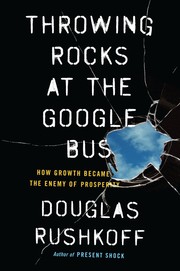
Why an economy driven by technology traps everyone, and how to remake it for people.
Recommended by: George Hatzis
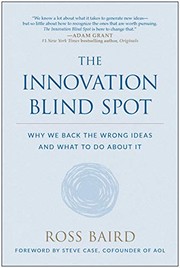
The innovators investors overlook, and what that costs economic growth.
“Recently, my friend Ross Baird came out with a new book, The Innovation Blind Spot. In the book, Ross outlines and diagnoses a problem that I’ve been exploring for over a decade: our innovation economy neglects many people and ideas. Ross kicks off the book with some pretty stark statistics: despite the fact that promising startup communities (such as my hometown of Boulder) are thriving, in most communities in America, firm creation is the lowest it’s been in a generation.” — Brad Feld
Source: Book: The Innovation Blind Spot — Feld Thoughts
Recommended by: Brad Feld
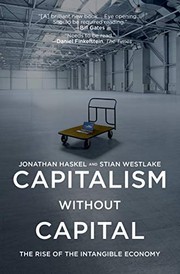
How the economy changes when intangible assets replace physical capital.
“For a more thorough review of the characteristics of intangible assets, see Jonathan Haskel and Stian Westlake, Capitalism Without Capital: The Rise of the Intangible Economy (Princeton, NJ: Princeton University Press, 2017), 56-88” — Michael Mauboussin
Source: The Impact of Intangibles on Base Rates, page 10
Recommended by: Bill Gates, Michael Mauboussin
Why Google's free, ad-funded model is at its limit, and what may replace it.
Recommended by: Peter Thiel
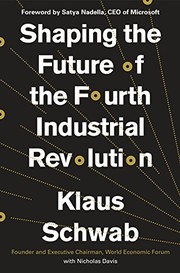
How new technologies are changing work, economies and how people relate.
Recommended by: Satya Nadella
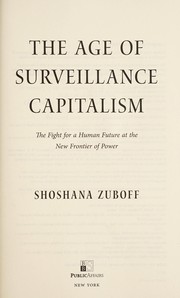
How Google and others turn behaviour into data to predict and steer what people do.
Recommended by: Vinod Khosla, Benedict Evans

Why the flying cars of 1960s futurism never came, and what happened instead.
“Incredibly ambitious and specific. Says we’d have flying cars and nanotech today, and all power should be nuclear, if not for misguided regulations.” — Derek Sivers
Source: Derek Sivers book notes (primary, rated list) · Rating: 6/10
Recommended by: Balaji S. Srinivasan, Derek Sivers and 1 other
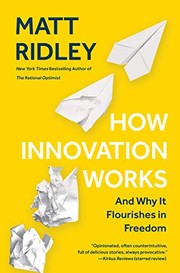
Innovation is gradual, collective and bottom-up, not the work of lone inventors.
“Matt Ridley, How Innovation Works: And Why It Flourishes in Freedom (New York: Harper, 2020)” — Michael Mauboussin
Source: Increasing Returns: Identifying Forms of Increasing Returns and What Drives Them, page 17
Recommended by: Balaji S. Srinivasan, Michael Mauboussin and 1 other
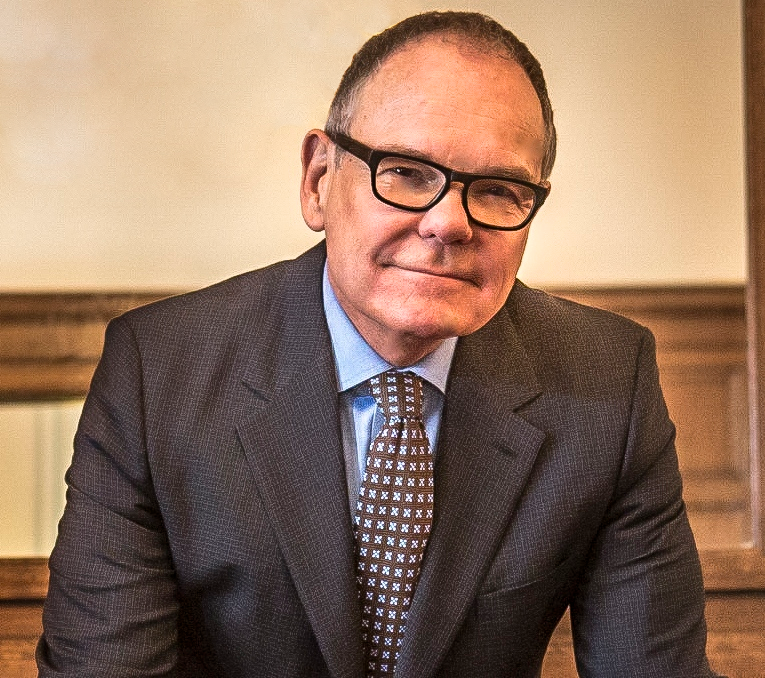


 Mohnish Pabrairecommends 8 books here
 Patrick Collisonrecommends 6 books here
 Michael Mauboussinrecommends 5 books here
 Balaji S. Srinivasanrecommends 3 books here
 Reid Hoffmanrecommends 2 books here
 Antonio García Martínezrecommends 2 books here
 Naval Ravikantrecommends 2 books here
 Tim O’Reillyrecommends 2 books here
 Marc Andreessenrecommends 1 book here
 Peter Thielrecommends 1 book here
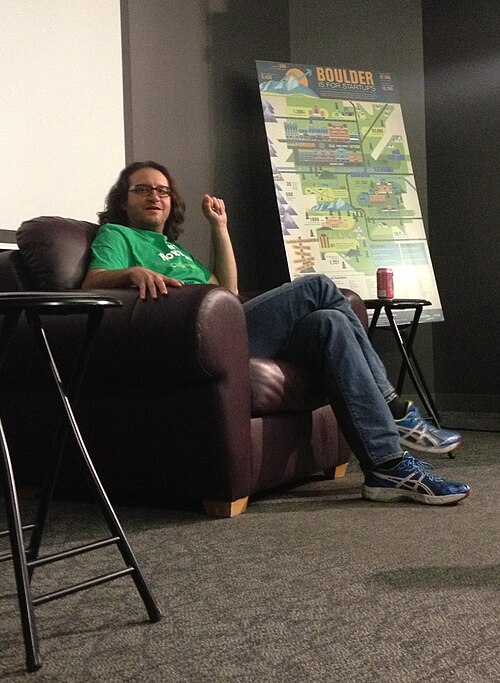 Brad Feldrecommends 1 book here
 Kevin Kellyrecommends 1 book here
Show all 29
 Marc Benioffrecommends 1 book here
 Alfred Linrecommends 1 book here
 Bill Gatesrecommends 1 book here
 Brian Armstrongrecommends 1 book here
 Daniel Petrerecommends 1 book here
 Derek Siversrecommends 1 book here
 Ev Williamsrecommends 1 book here
 George Hatzisrecommends 1 book here
 Mike Maples, Jr.recommends 1 book here
 Raoul Palrecommends 1 book here
 Satya Nadellarecommends 1 book here
 Vinod Khoslarecommends 1 book here