
Artificial Intelligence
The current dominant capital-allocation story, spanning technical capability, economic displacement and control risk.
Start here
- Prediction MachinesAjay Agrawal, Joshua Gans, Avi Goldfarb, 2018
- The Alignment ProblemBrian Christian, 2020
- SuperintelligenceNick Bostrom, 2014
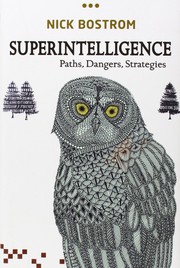
Why machines smarter than humans pose a control problem to solve before they arrive.
“I've read a few of the books that get tossed around, like Bostrom's Superintelligence, and a bunch of the articles that people have written.” — Brad Feld
Source: What Is The "Third Wave" Of This Generation? — Feld Thoughts
Recommended by: Brad Feld, Michael Mauboussin and 9 others
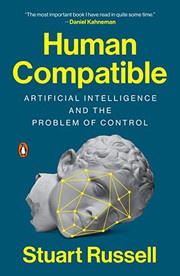
Why AI must be redesigned from the ground up to keep superhuman machines in check.
Recommended by: Andrew Wilkinson, Elon Musk, Sam Altman
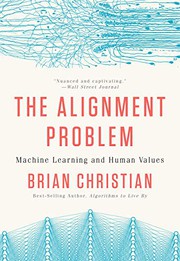
The struggle to make machine learning systems do what people actually intend.
Recommended by: Sam Altman
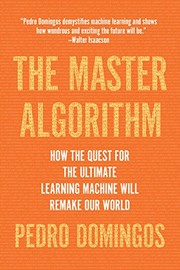
The five schools of machine learning, and the search for one algorithm to unite them.
“Pedro Domingos, The Master Algorithm: How the Quest for the Ultimate Learning Machine Will Remake Our World (New York: Basic Books, 2015)” — Michael Mauboussin
Source: How Well Do You Compare?, page 16
Recommended by: Michael Mauboussin, Shane Parrish and 2 others
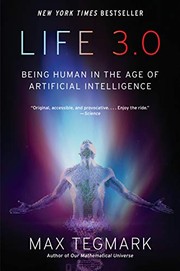
How AI could change crime, war, justice, jobs and what it means to be human.
“A deep, bold, and visionary dive into Artificial Intelligence and its many implications. One of the most interesting books I've ever read. If you haven't read much of AI yet, start with “Surviving AI” as an intro, then read this as a deep-dive. His perspective is amazingly thorough. Defining terminology was a great way to start. For example life is a “process that can retain its complexity and replicate”. Intelligence is the “ability to accomplish complex goals”. That keeps it broad enough to define future technology as alive and intelligent.” — Derek Sivers
Source: Derek Sivers book notes (primary, rated list) · Rating: 7/10
Recommended by: Andrew Wilkinson, Derek Sivers, Bill Gates and 3 others
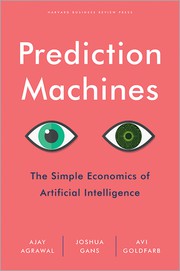
AI as a fall in the cost of prediction, and what that does to decisions and jobs.
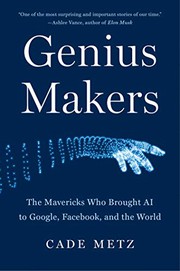
How Hinton, LeCun and Bengio kept neural networks alive until deep learning took off.
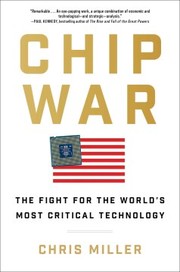
How chips became the key to economic and military power, made in a few chokepoints.
Recommended by: Andrew Wilkinson
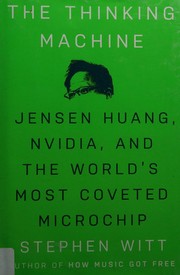
Jensen Huang and how Nvidia came to power the move to artificial intelligence.
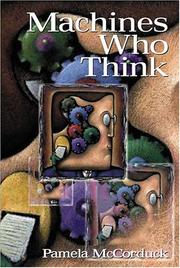
The founding of AI research, from interviews with McCarthy, Minsky and others.
AI research from Dartmouth in 1956 to the funding cuts, told by the field's leaders.
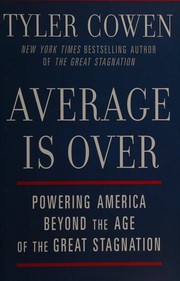
Work is splitting between those who work well with smart machines and the rest.
“Tyler Cowen, a professor of economics at George Mason University, dedicates a chapter to freestyle chess in his terrific book, Average Is Over.” — Michael Mauboussin
Source: Lessons from Freestyle Chess: Merging Fundamental and Quantitative Analysis, page 3
Recommended by: Michael Mauboussin, Ryan Holiday
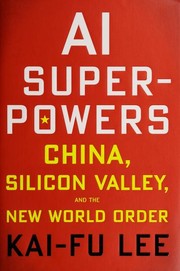
Why China may match the US in AI now that applying it matters more than research.
“Kai-Fu Lee, AI Superpowers: China, Silicon Valley, and the New World Order (Boston: Houghton Mifflin Harcourt Publishing, 2018), 22-26” — Michael Mauboussin
Source: One Job: Expectations and the Role of Intangible Investments, page 21
Recommended by: Balaji S. Srinivasan, Michael Mauboussin and 3 others
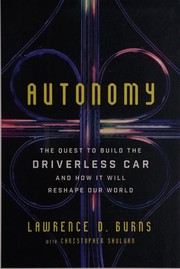
How driverless cars were built, and how they will change commuting, jobs and safety.
The people behind self-driving cars, from the DARPA Grand Challenge onward.
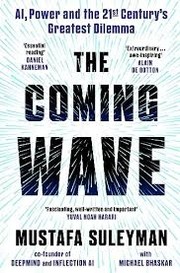
Why AI and synthetic biology will spread fast and cheaply, and how to contain them.
“Everything is about to be changed by AI in a radical, scary way” — Andrew Wilkinson
Source: Newsletter
Recommended by: Andrew Wilkinson, Bill Gates and 1 other
The AI boom after ChatGPT, reported from inside Silicon Valley's funding rounds.
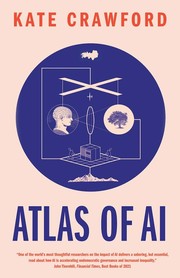
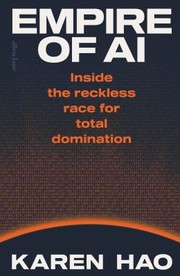
Traces AI to its physical costs: lithium mines, data-centre labour, military money.
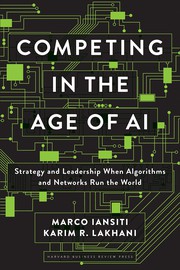
How AI changes the architecture of a firm, from Ant Financial to Amazon.
Recommended by: Satya Nadella
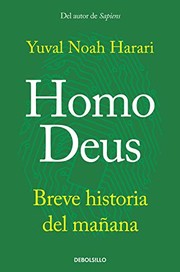
What humanity may seek after famine, plague and war: immortality and divinity.
“Very interesting alternative perspective on life from a historian. Anti-religion, anti-humanism, pro-animal. Seems detached, but is quite opinionated. Much to think about, regardless. My notes here give a taste. A lot to think about.” — Derek Sivers
Source: Derek Sivers book notes (primary, rated list) · Rating: 6/10
Recommended by: Andrew Wilkinson, Bill Gates, Derek Sivers and 8 others
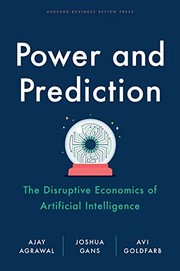
AI as cheap prediction, and how it changes the value of decisions and systems.
Recommended by: Andrew Wilkinson
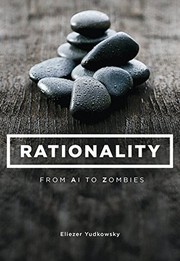
Collected essays on how to reason well and update beliefs.
Recommended by: Emmett Shear
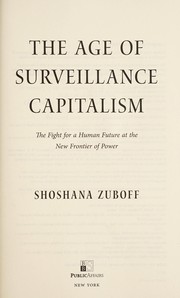
How Google and others turn behaviour into data to predict and steer what people do.
Recommended by: Vinod Khosla, Benedict Evans
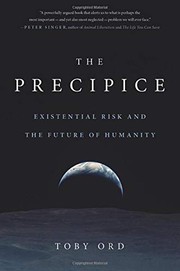
The threats that could end humanity, with an estimate of each one's odds.
Recommended by: Tobi Lütke, Vitalik Buterin
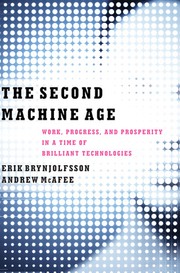
How digital technology is changing work and wealth as the Industrial Revolution did.
“For additional discussion of freestyle chess, see Erik Brynjolfsson and Andrew McAfee, The Second Machine Age: Work, Progress, and Prosperity in a Time of Brilliant Technologies (New York: W.W. Norton & Company, 2014)” — Michael Mauboussin
Source: Lessons from Freestyle Chess: Merging Fundamental and Quantitative Analysis, page 9
Recommended by: Michael Mauboussin, Mohnish Pabrai and 5 others
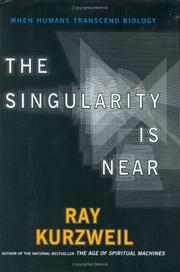
Why technological progress is exponential, and what follows if the trend holds.
Recommended by: Brian Armstrong, Patrick Collison and 7 others
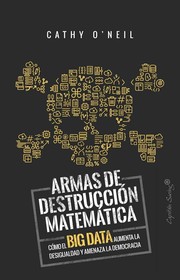
How algorithms in hiring, lending and policing harm people and deepen inequality.
Recommended by: Tom Peters
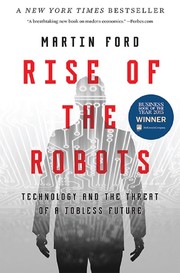
Why automation of cognitive work may cause lasting unemployment.
Recommended by: Daniel Petre, Patrick O'Shaughnessy
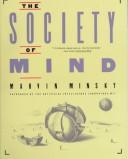
A theory of how the human mind works and how thought arises.
Recommended by: Patrick Collison
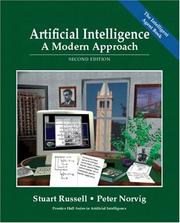
Recommended by: Patrick Collison, Cynthia Johnson, Elon Musk
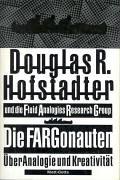
Computer models of how minds make analogies and create.
Recommended by: Patrick Collison
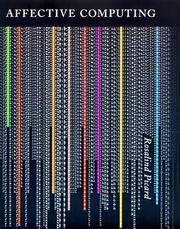
Why computers must recognise and express emotion to be intelligent.
“And so I was looking for a thesis topic and my fiance at the time went on Amazon and he said, "Oh, there's this really interesting book by this MIT professor called Rosalind Picard called Affective Computing.” — Rana el Kaliouby
Recommended by: Rana el Kaliouby
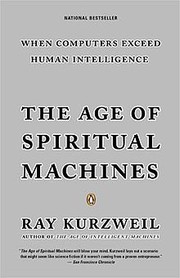
Predictions of computers passing the human brain and merging with human life.
“Ray Kurzweil, in his imagination-stretching book The Age of Spiritual Machines, suggests that it is possible to trace Moore’s Law, or some variant of it, back to about 1900.” — Michael Mauboussin
Source: Innovation and Markets: How Innovation Affects the Investing Process, page 13
Recommended by: Michael Mauboussin, Steve Jurvetson
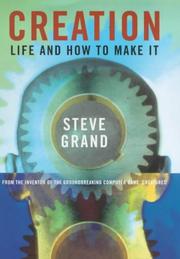
How a game designer built artificial life from simple rules of biology.
Recommended by: Mohnish Pabrai, Jeff Bezos
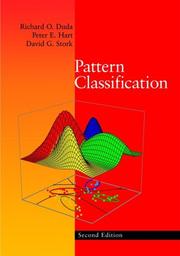
A text and reference on pattern recognition, from speech to character recognition.
Recommended by: Eric Weinstein
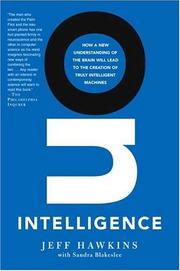
How the brain produces intelligence, and what that means for intelligent machines.
Recommended by: Keith Rabois, Patrick Collison, Ev Williams
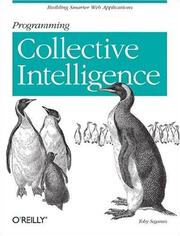
How to build web applications that mine user data, with Python algorithms.
Recommended by: Patrick Collison
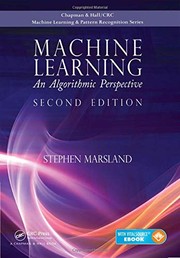
A textbook on machine learning built around its algorithms.
Recommended by: Patrick Collison
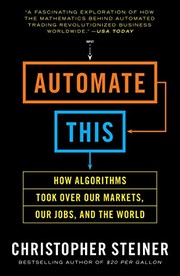
How algorithms spread from trading into hospitals, culture and daily life.
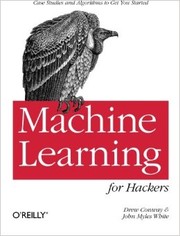
An introduction to machine learning through case studies and algorithms.
Recommended by: Patrick Collison
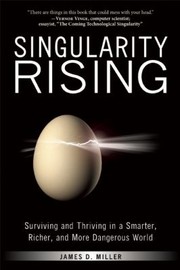
How a future of abundant human and machine intelligence may change the world.
Recommended by: Patrick Collison
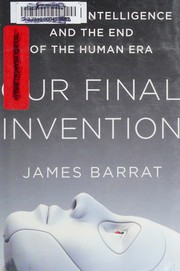
The benefits and risks of human-level and superhuman artificial intelligence.
Recommended by: Elon Musk
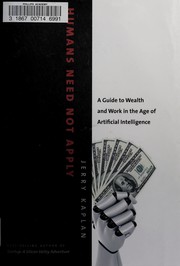
How machine learning and robots will displace work faster than institutions adapt.
Recommended by: Antonio García Martínez, Brian Armstrong
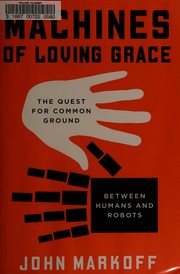
Whether robots and intelligent machines will replace people or work with them.
“And now, that has been played out, and John Markoff came out with his good book a year or two ago called Machines of Loving Grace, which basically spells out the ongoing debate between artificial intelligence and intelligence augmentation - I.A. and A.I.” — Stewart Brand
Source: The Tim Ferriss Show Transcripts: Stewart Brand (#281)
Recommended by: Stewart Brand
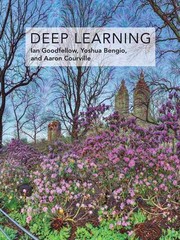
The textbook on deep learning: how machines learn layered concepts from data.
Recommended by: Vinod Khosla, Elon Musk and 2 others
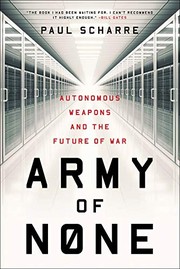
How autonomous weapons are changing war, and what that means.
Recommended by: Bill Gates
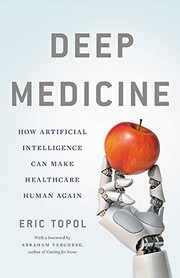
How artificial intelligence could give doctors back time for their patients.
Recommended by: Keith Rabois
AlphaZero, the chess program that taught itself, and what its play shows.
Recommended by: Bertalan Meskó, Demis Hassabis
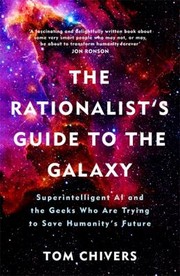
The rationalists around LessWrong and their fear of artificial intelligence risk.
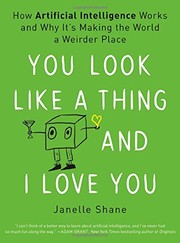
How artificial intelligence works, shown through the odd things it produces.
“A funny book explaining the basics of AI! The subtitle is How Artificial Intelligence Works and Why It's Making the World a Weirder Place. A great introduction to AI. With a cute cartoon mascot. The title is from her training an AI to write romantic greeting cards.” — Derek Sivers
Source: Derek Sivers book notes (primary, rated list) · Rating: 9/10
Recommended by: Derek Sivers, Susan Cain
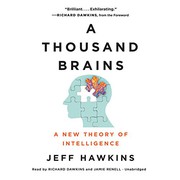
The theory that the neocortex works through thousands of models of the world.
Recommended by: Bill Gates
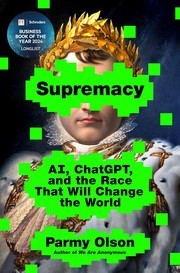
The race between DeepMind and OpenAI, told through Demis Hassabis and Sam Altman.
Recommended by: Andrew Wilkinson
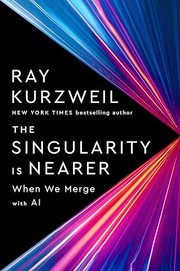
How artificial intelligence, bioengineering and nanotechnology may change humanity.
Recommended by: Andrew Wilkinson
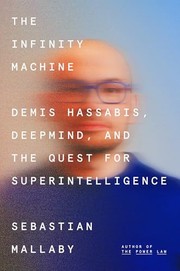
Fifteen years of AI through Demis Hassabis and DeepMind, from AlphaGo to AlphaFold.

Khan Academy's founder on artificial intelligence in education and parenting.
Recommended by: Bill Gates
A plain introduction to machine learning: supervised, unsupervised and more.
Recommended by: Demis Hassabis
Artificial intelligence programming, taught through Common Lisp.
Recommended by: Patrick Collison, Paul Graham
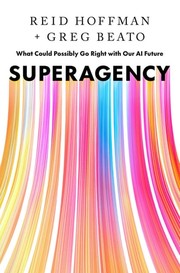
The case for deploying artificial intelligence broadly and quickly.
Recommended by: Brad Feld
An argument that consciousness is not algorithmic and rests on quantum mechanics.
Recommended by: Patrick Collison
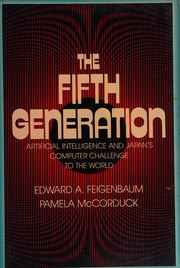
Japan's drive to build fifth-generation AI computers, and its stakes for America.
Recommended by: Patrick Collison
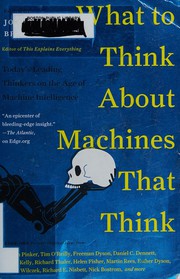
Nearly two hundred thinkers on artificial intelligence.
Recommended by: Patrick Collison
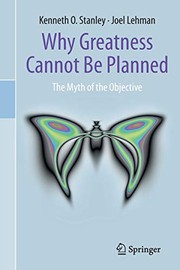
Why chasing fixed objectives stifles discovery in science, education and life.
Recommended by: Ev Williams
 Patrick Collisonrecommends 15 books here
 Michael Mauboussinrecommends 6 books here
 Bill Gatesrecommends 6 books here
 Elon Muskrecommends 6 books here
 Sam Altmanrecommends 5 books here
 Vinod Khoslarecommends 4 books here
 Daniel Petrerecommends 3 books here
 Derek Siversrecommends 3 books here
 Keith Raboisrecommends 3 books here
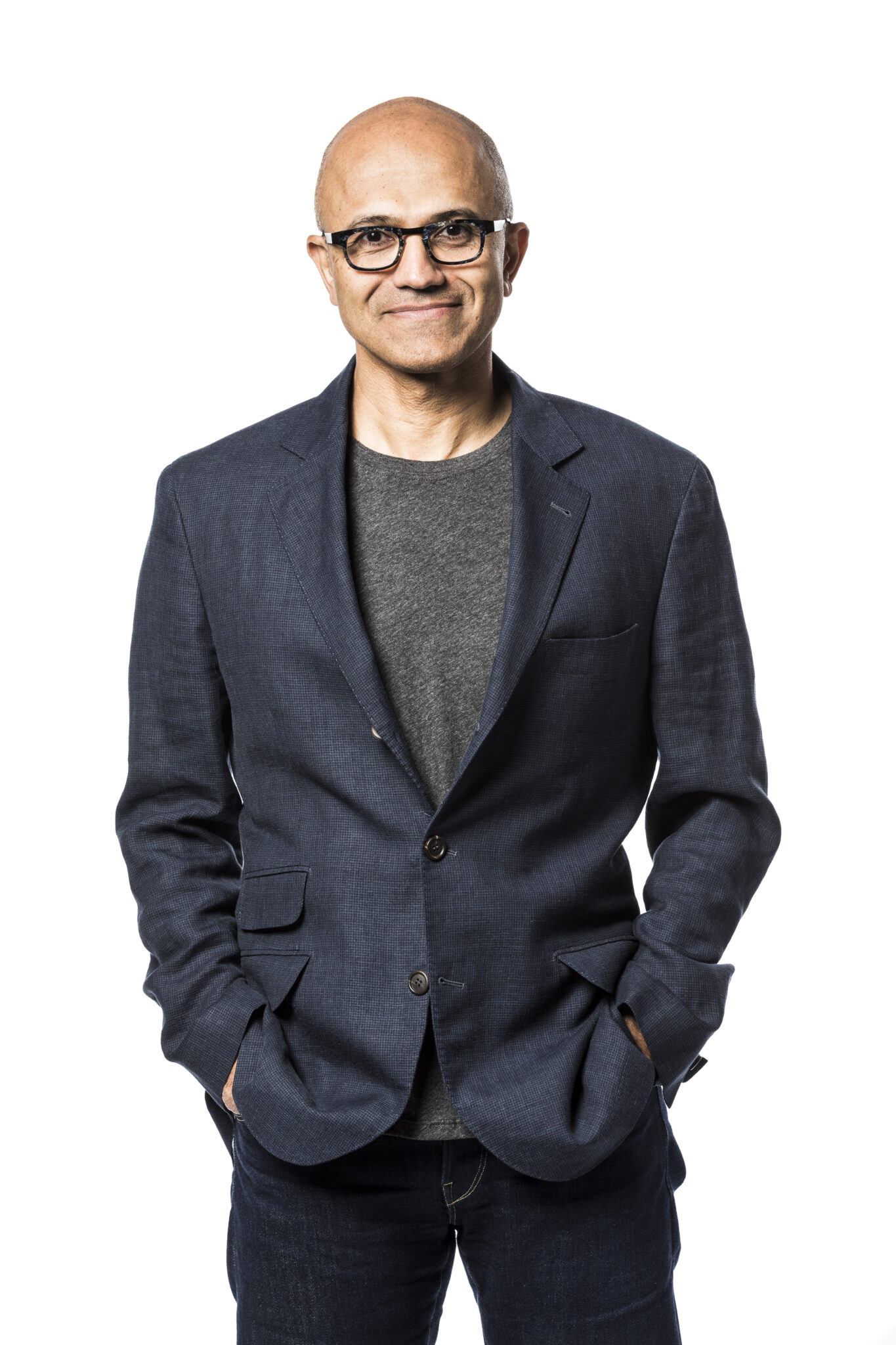 Satya Nadellarecommends 3 books here
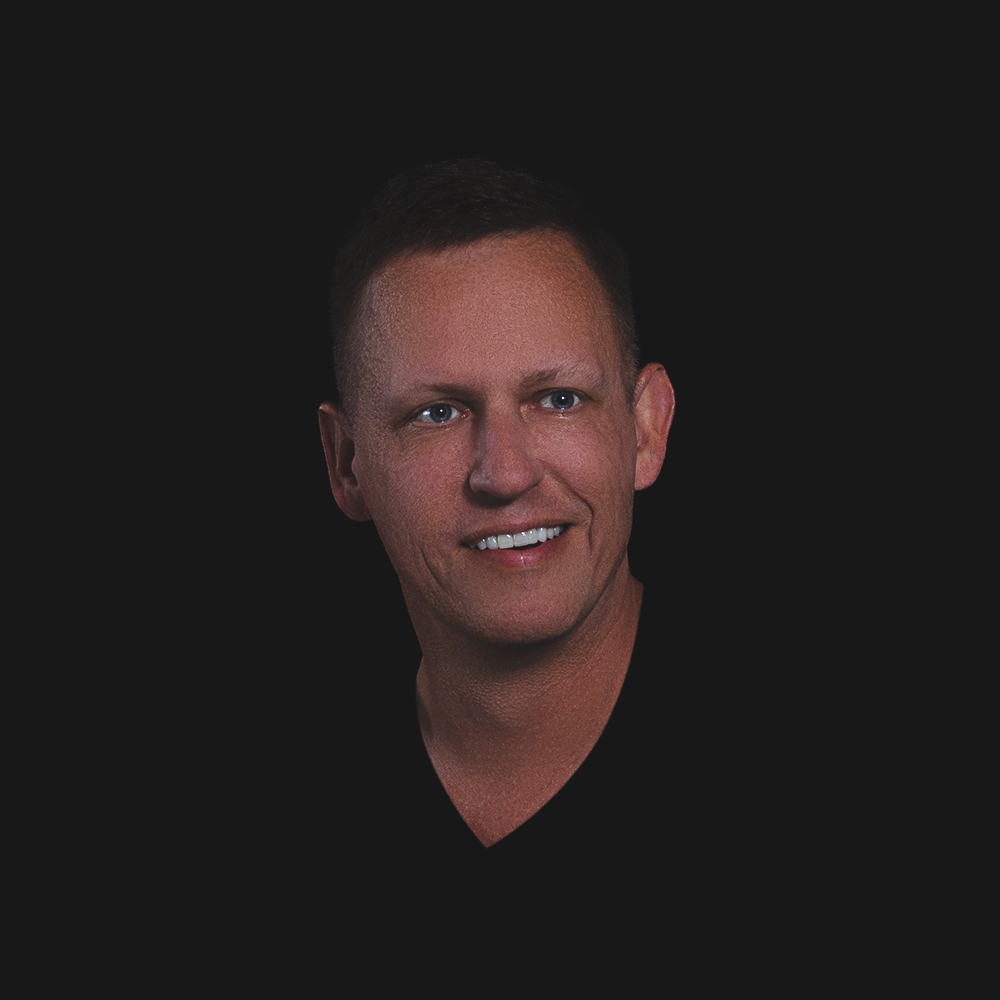 Peter Thielrecommends 2 books here
Show all 55
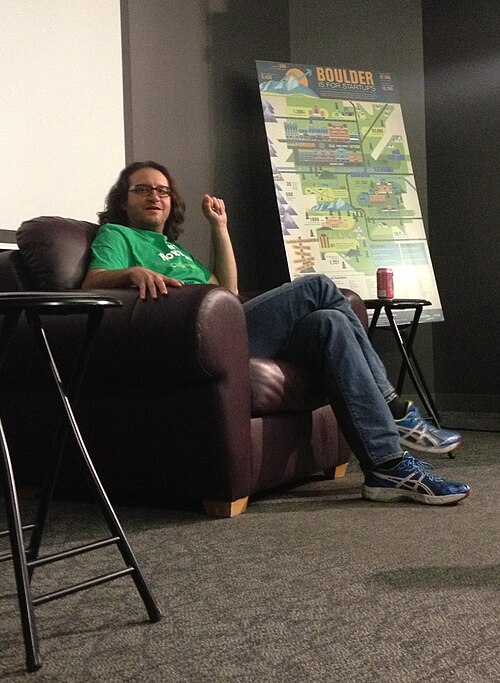 Brad Feldrecommends 2 books here
 Mohnish Pabrairecommends 2 books here
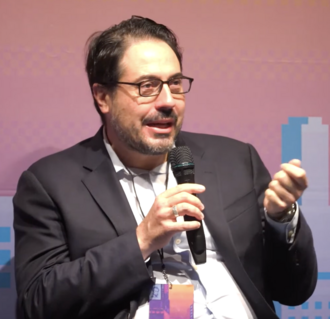 Antonio García Martínezrecommends 2 books here
 Brian Armstrongrecommends 2 books here
 Demis Hassabisrecommends 2 books here
 Ev Williamsrecommends 2 books here
 Marc Goodmanrecommends 2 books here
 Naval Ravikantrecommends 2 books here
 Raoul Palrecommends 2 books here
 Stewart Brandrecommends 2 books here
 Nassim Nicholas Talebrecommends 1 book here
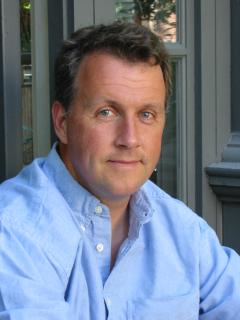 Paul Grahamrecommends 1 book here
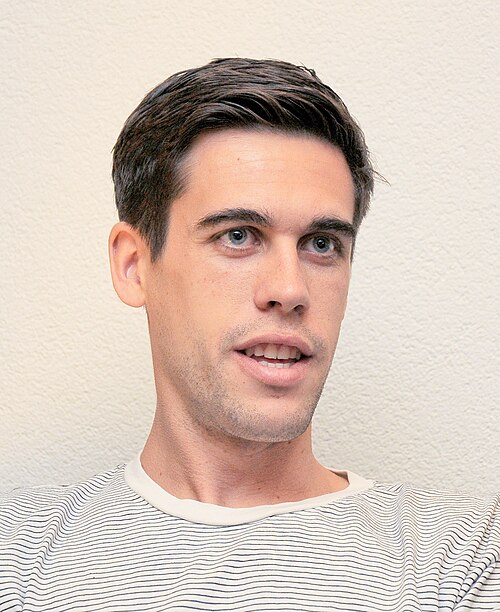 Ryan Holidayrecommends 1 book here
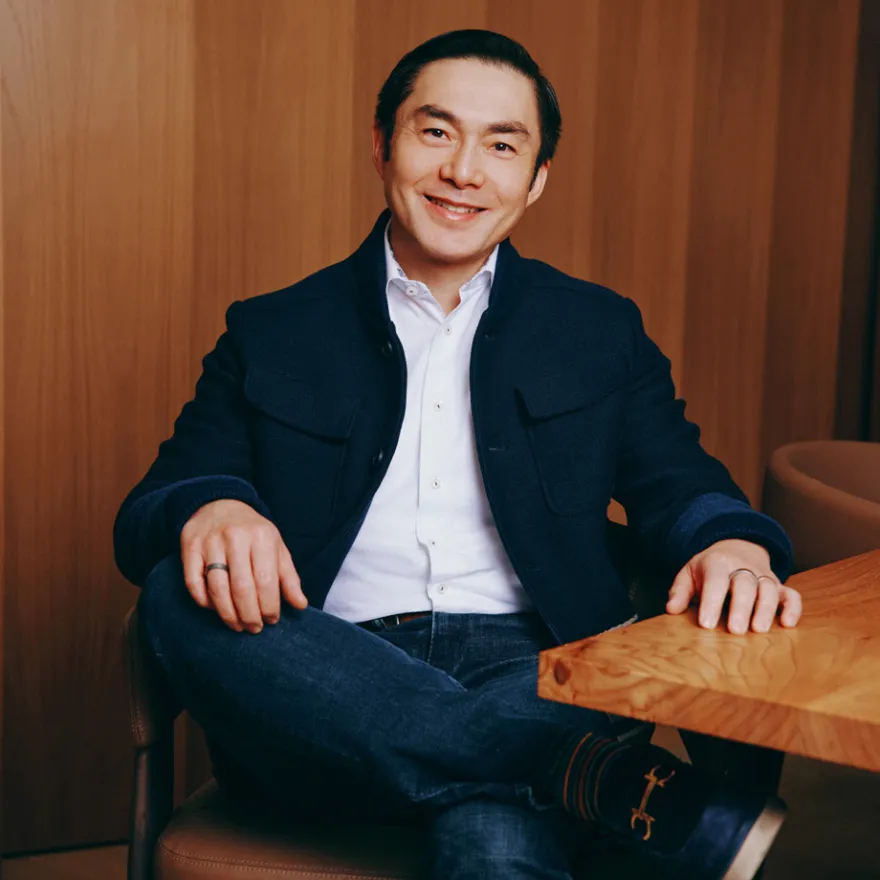 Alfred Linrecommends 1 book here
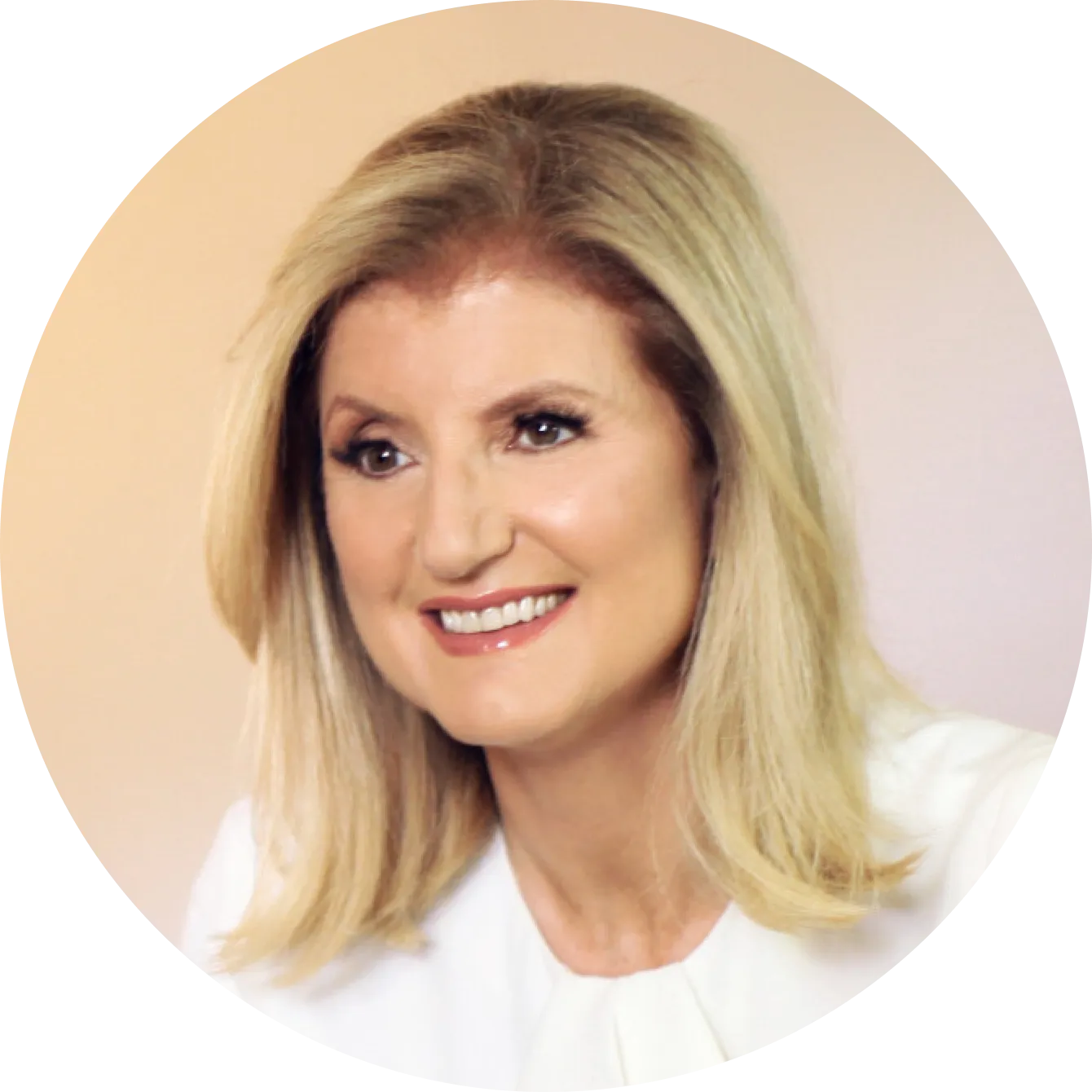 Arianna Huffingtonrecommends 1 book here
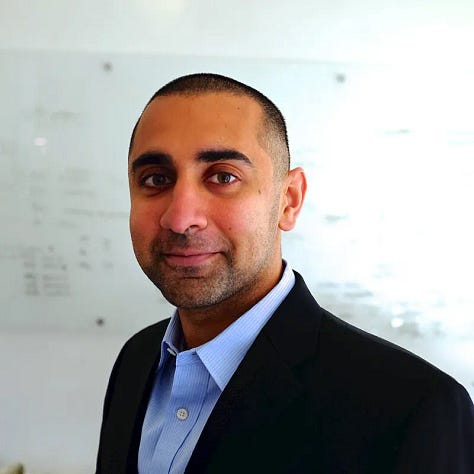 Balaji S. Srinivasanrecommends 1 book here
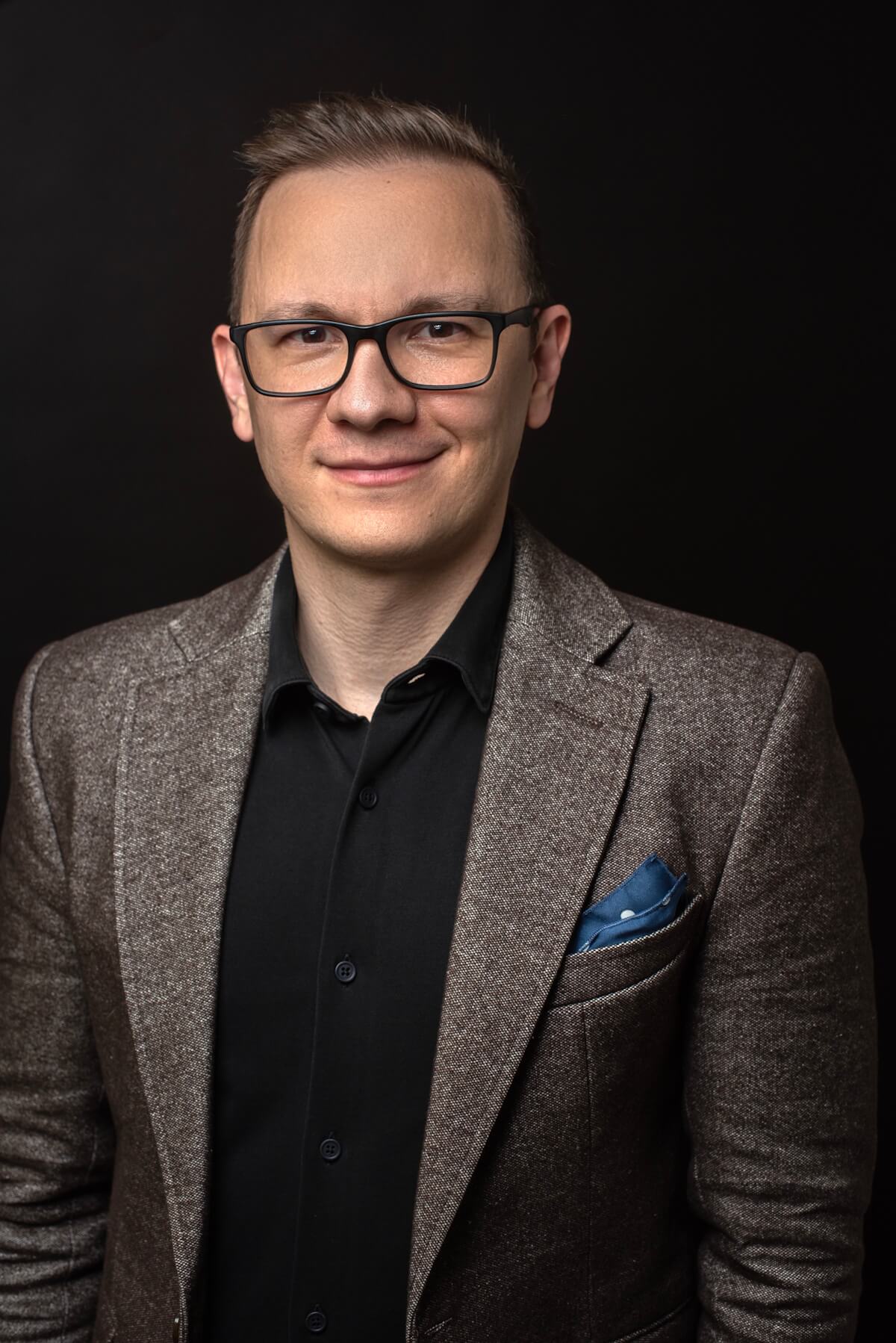 Bertalan Meskórecommends 1 book here
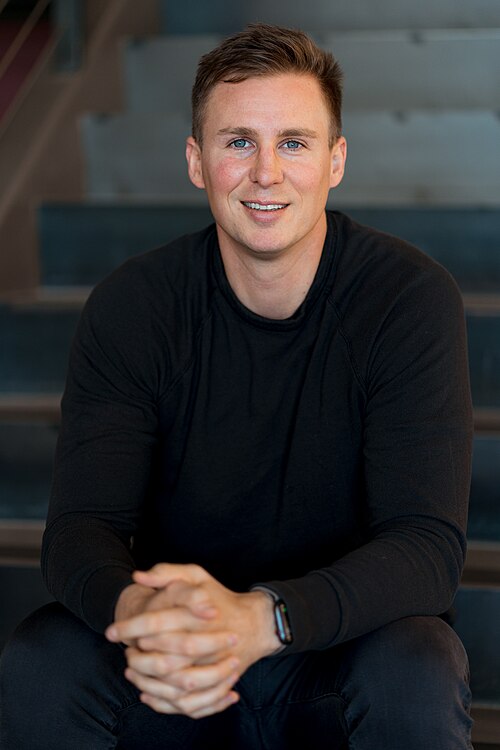 Brett Adcockrecommends 1 book here
 Cynthia Johnsonrecommends 1 book here
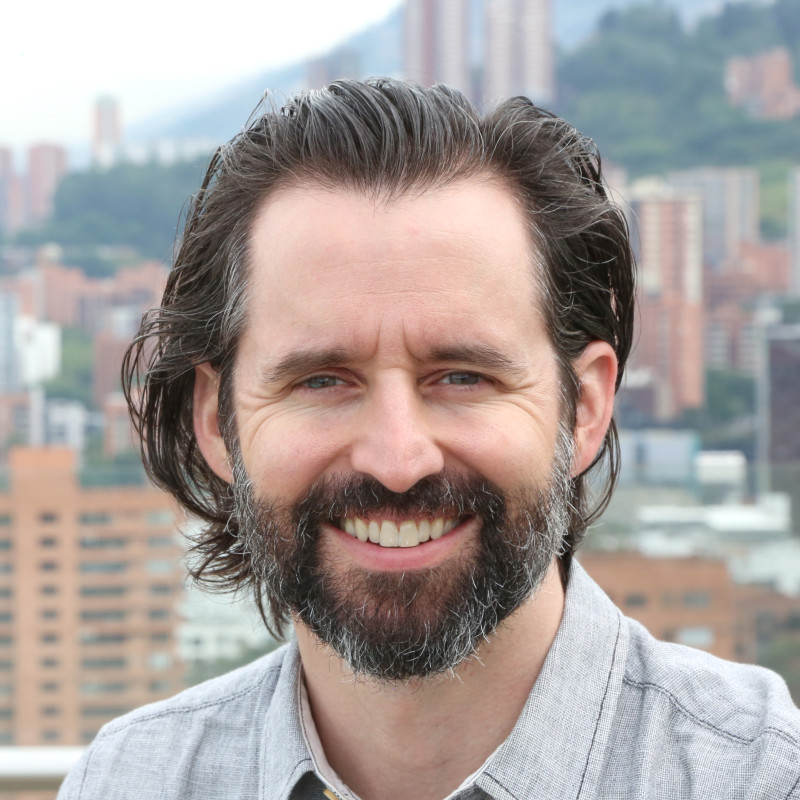 David Kadavyrecommends 1 book here
 Emmett Shearrecommends 1 book here
 Eric Weinsteinrecommends 1 book here
 Jake Knapprecommends 1 book here
 Jeff Bezosrecommends 1 book here
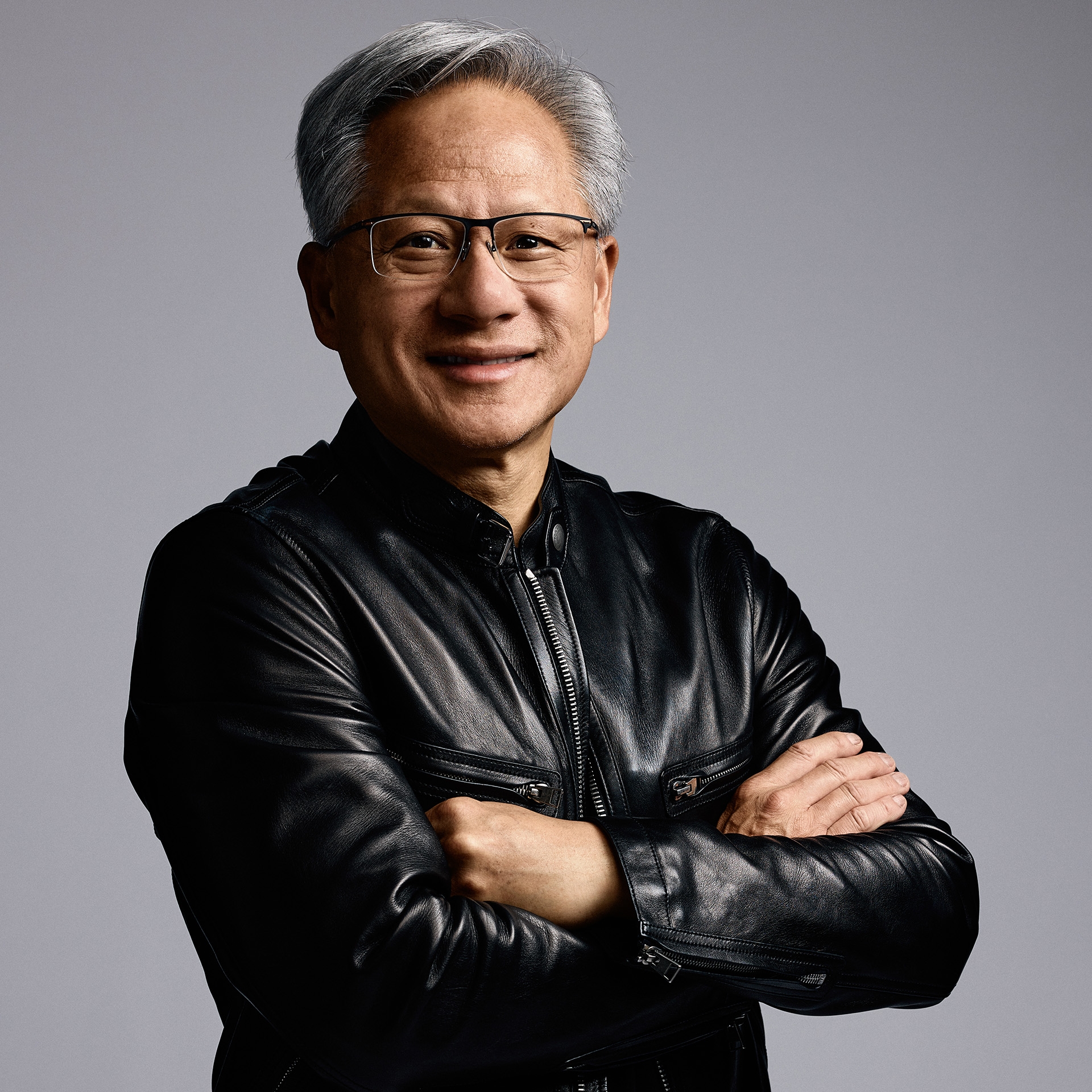 Jensen Huangrecommends 1 book here
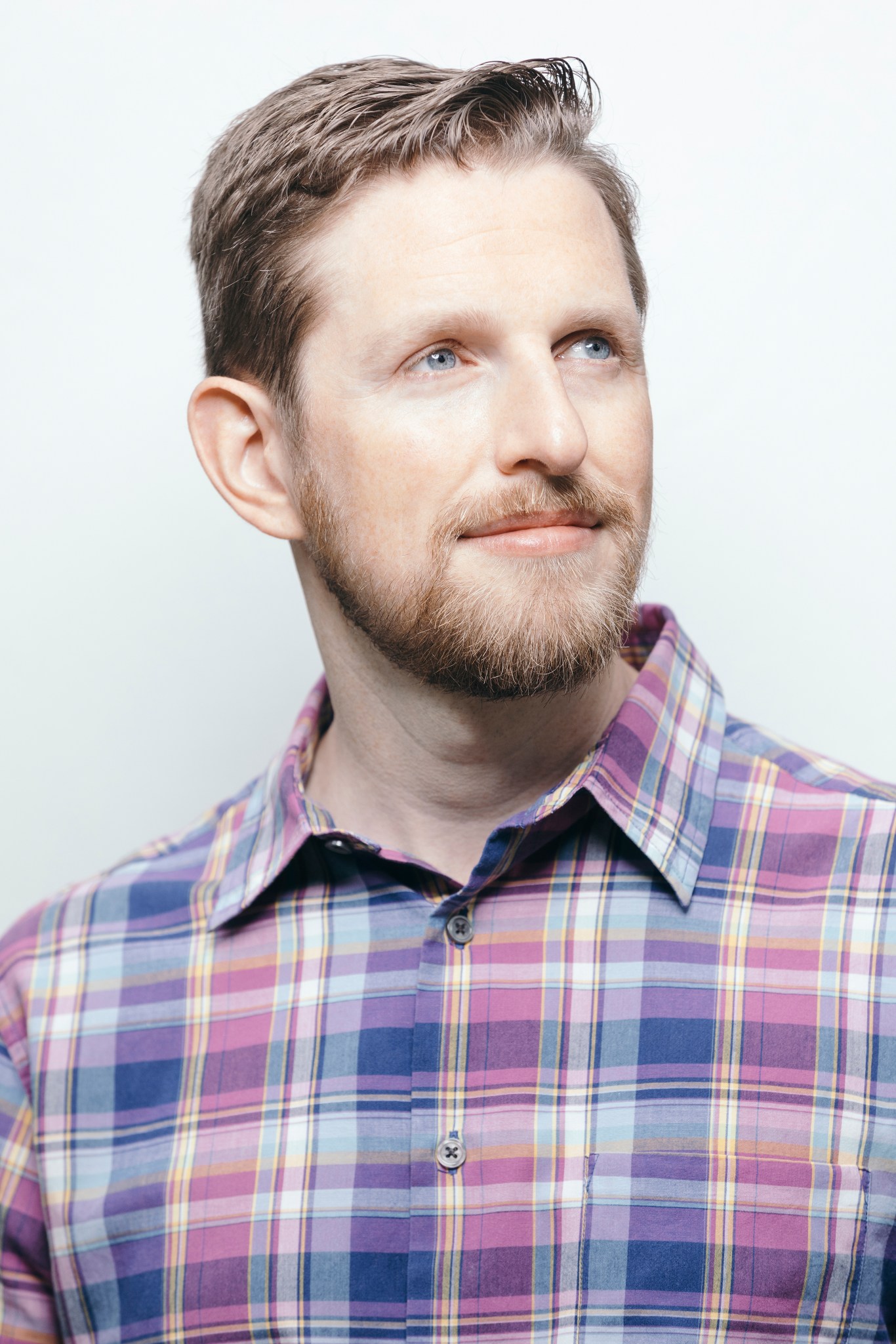 Matt Mullenwegrecommends 1 book here
 Nat Eliasonrecommends 1 book here
 Niki Scevakrecommends 1 book here
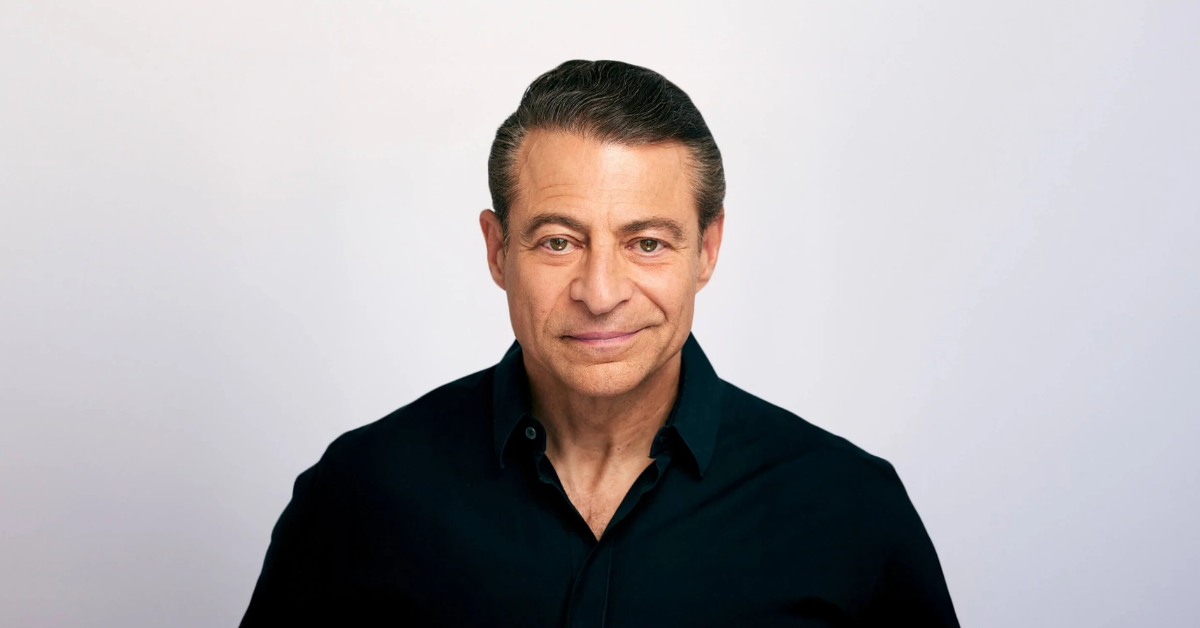 Peter Diamandisrecommends 1 book here
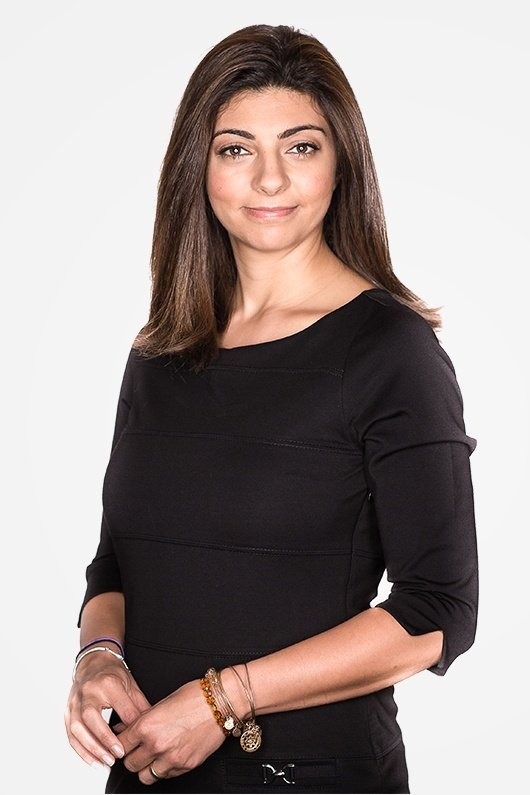 Rana el Kalioubyrecommends 1 book here
 Richard Bransonrecommends 1 book here
 Steve Jurvetsonrecommends 1 book here
 Susan Cainrecommends 1 book here
 Tim O’Reillyrecommends 1 book here
 Tobi Lütkerecommends 1 book here
 Tony Robbinsrecommends 1 book here
 Vitalik Buterinrecommends 1 book here