Statistics, probability and data
Books on statistics, probability, causal inference, econometrics, forecasting, machine learning and the display of data.
Start here
- How to Lie with StatisticsDarrell Huff, 1954
- MoneyballMichael Lewis, 2003
- The Book of WhyJudea Pearl, Dana Mackenzie, 2018
- Probability, Random Variables and Stochastic ProcessesAthanasios Papoulis, S. Unnikrishna Pillai, 1965
- CausalityJudea Pearl, 2000
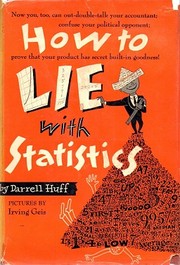
How biased samples, chosen averages and cut-off chart axes make numbers mislead.
“This puckish riff on how math can be manipulated is only 142 pages; most people could read it on a train ride or two, or in an afternoon at the beach. As light as the book is, however, it is nevertheless profound. In one short take after another, Huff picks apart the ways in which marketers use statistics, charts, graphics and other ways of presenting numbers to baffle and trick the public.” — Jason Zweig
Source: Best Books for Investors: A Short Shelf — jasonzweig.com
Recommended by: Bill Gates, Jason Zweig, Mohnish Pabrai and 7 others
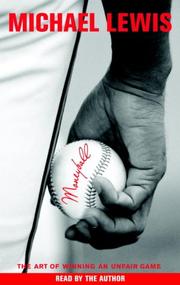
How the Oakland A's won on a small payroll by buying players the market undervalued.
“Moneyball by Michael Lewis was a great example of how a baseball team could be successfully constructed using principles that were very similar to those used by value investors.” — Bill Nygren
Source: Bill Nygren Market Commentary | 1Q14
Recommended by: Bill Nygren, Jim Collins, Joel Greenblatt and 5 others
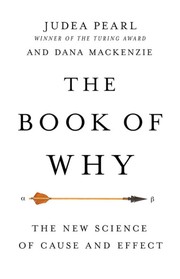
How the science of cause and effect moved past 'correlation is not causation'.
Recommended by: Bill Gates, Keith Rabois, Naval Ravikant
The graduate engineering text on probability and stochastic processes.
Recommended by: Nassim Nicholas Taleb
A mathematical theory of causation for statistics, AI, economics and science.
A practical guide to causal inference: regression, instruments, differences.
The history of Bayes' rule and the long fight over it.
“To read more about the controversy, see Sharon Bertsch McGrayne, The Theory That Would Not Die: How Bayes’ Rule Cracked the Enigma Code, Hunted Down Russian Submarines, and Emerged Triumphant from Two Centuries of Controversy (New Haven, CT: Yale University Press, 2011).” — Michael Mauboussin
Source: Cultivating Your Judgment Skills: A Framework for Improving the Quality of Decisions, page 13
Recommended by: Michael Mauboussin
Statistics without the maths, for reading claims: averages, correlation, regression.
Recommended by: Keith Rabois
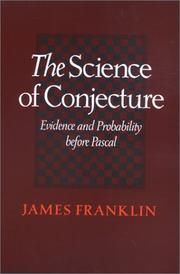
How judges, juries and scientists weighed evidence before formal statistics.
Recommended by: Nassim Nicholas Taleb
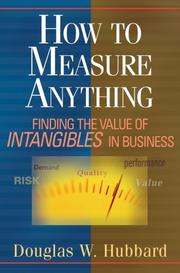
Why anything a manager cares about can be measured, and how to measure it.
“Hubbard, Douglas, How to Measure Anything: Finding the Value of Intangibles in Business (Hoboken, NJ: John Wiley & Sons, 2007)” — Michael Mauboussin
Source: The Wisdom of Crowds in Markets: Crowd Behavior in Prediction, Betting, and Stock Markets
Recommended by: Michael Mauboussin, Julia Galef, Nick Ganju
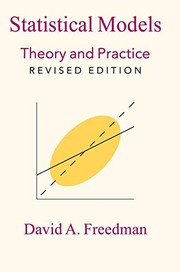
Regression's assumptions and the causal claims it cannot support.
Recommended by: Nassim Nicholas Taleb
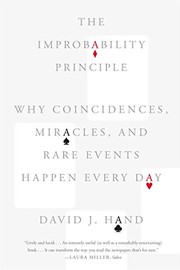
Probability and coincidence, explained for a general reader.
Recommended by: Mohnish Pabrai

The wartime theory of filtering and predicting time series, applied to engineering.
Recommended by: Patrick Collison
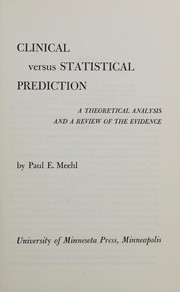
Whether clinical judgement or statistical formulas predict better in psychology.
“Paul E. Meehl, Clinical versus Statistical Prediction: A Theoretical Analysis and a Review of the Evidence (Minneapolis, MN: University of Minnesota Press, 1954)” — Michael Mauboussin
Source: BIN There, Done That: How to Reduce the Sources of Forecasting Error, page 14
Recommended by: Michael Mauboussin, Daniel Kahneman
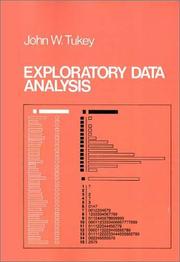
Informal ways to study data, from plots to numerical summaries done by hand.
Recommended by: Patrick Collison
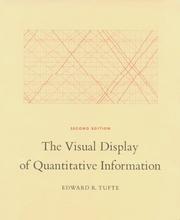
The theory and practice of designing statistical graphics, charts and tables.
“The classic text is Edward R. Tufte, The Visual Display of Quantitative Information, 2nd Ed. (Cheshire, CT: Graphics Press, 2001)” — Michael Mauboussin
Source: Feedback: Information as a Basis for Improvement, page 18
Recommended by: Jeff Atwood, Jim Collins, Michael Mauboussin and 3 others
Methods for showing data in graphs in science and technology.
Recommended by: Bret Victor
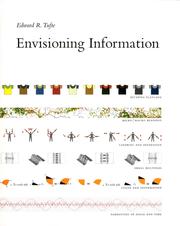
How to show complex information on flat paper or screens, with many examples.
“The bibles of information design. Nothing comparable exists.” — Bret Victor
Source: Links — Bret Victor (his five-star list)
Recommended by: Bret Victor, Jeff Atwood, Jim Collins and 2 others
Statistical analysis as argument: how to interpret data and tell a coherent story.
Recommended by: Patrick Collison
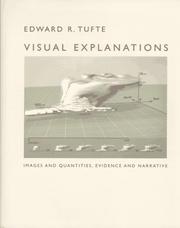
How to present information so that pictures and charts explain clearly.
“The bibles of information design. Nothing comparable exists.” — Bret Victor
Source: Links — Bret Victor (his five-star list)
Recommended by: Bret Victor, Jeff Atwood, Jim Collins and 1 other
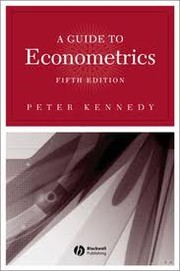
What each econometric technique is for, what it assumes and what goes wrong.
Recommended by: Nassim Nicholas Taleb
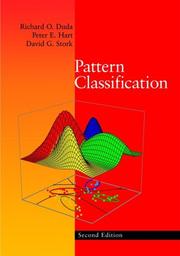
A text and reference on pattern recognition, from speech to character recognition.
Recommended by: Eric Weinstein
How seeing turns into showing: turning data and evidence into explanation.
“The bibles of information design. Nothing comparable exists.” — Bret Victor
Source: Links — Bret Victor (his five-star list)
Recommended by: Bret Victor, Jeff Atwood, Patrick Collison
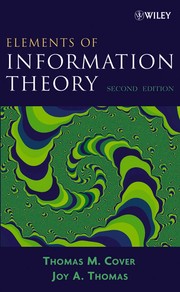
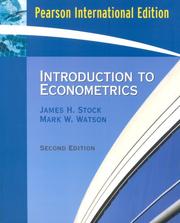
A textbook introduction to econometrics.
Recommended by: Eric Weinstein
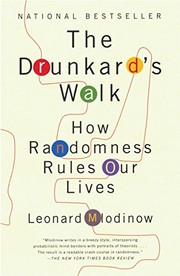
How randomness shapes our lives, the history of probability, and why we misread it.
“I thought it was about the philosophy of randomness, but turned out to be about the math of probability. Might read again some day when in the mood for that.” — Derek Sivers
Source: Derek Sivers book notes (primary, rated list) · Rating: 3/10
Recommended by: Derek Sivers, Michael Mauboussin and 1 other
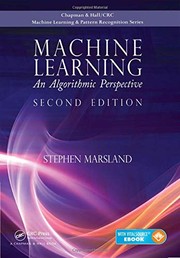
A textbook on machine learning built around its algorithms.
Recommended by: Patrick Collison
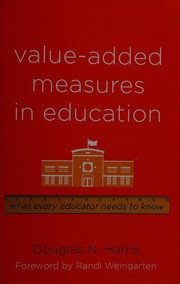
What value-added measures of teaching are and how educators should use them.
Recommended by: Bill Gates
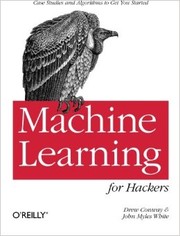
An introduction to machine learning through case studies and algorithms.
Recommended by: Patrick Collison
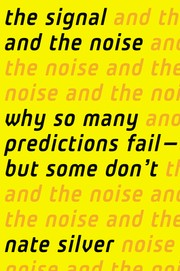
Why some forecasts succeed and most fail, from weather to earthquakes and economics.
“See Gigerenzer, Calculated Risks, 28-29. 14 For a book that treats this topic and more, see Annie Duke, Thinking in Bets: Making Smarter Decisions When You Don't Have All the Facts (New York: Portfolio/Penguin, 2018). 15 For a good discussion of Bayes’ Theorem, see Nate Silver, The Signal and the Noise: Why So Many Predictions Fail—But Some Don’t (New York, The Penguin Press, 2012), 232-261.” — Michael Mauboussin
Source: Confidence: Methods to Assess Confidence Under Uncertainty, page 7
Recommended by: Bill Gates, Michael Mauboussin and 2 others
What the data people leave online reveal about human nature.
Recommended by: Mohnish Pabrai
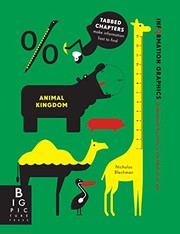
Information graphics for young readers, on animals and science.
Recommended by: Coleen Baik, Jessica Hische
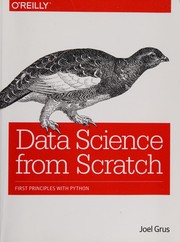
Data science taught from first principles in Python.
Recommended by: Balaji S. Srinivasan
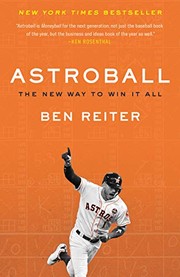
How the Houston Astros used statistics to rebuild their baseball team.
Recommended by: Nick Crocker
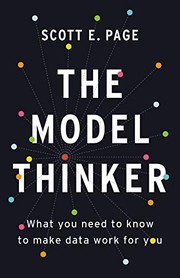
About thirty formal models: what each explains and where each fails.
“Scott E. Page, The Model Thinker: What You Need to Know to Make Data Work for You (New York: Basic Books, 2018), 27-42” — Michael Mauboussin
Source: BIN There, Done That: How to Reduce the Sources of Forecasting Error, page 14
Recommended by: Michael Mauboussin, Keith Rabois
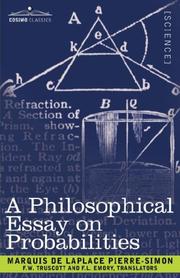
An introduction for lay readers to the concepts and uses of probability theory.
Recommended by: Patrick Collison


 Patrick Collisonrecommends 12 books here
 Michael Mauboussinrecommends 8 books here
 Mohnish Pabrairecommends 5 books here
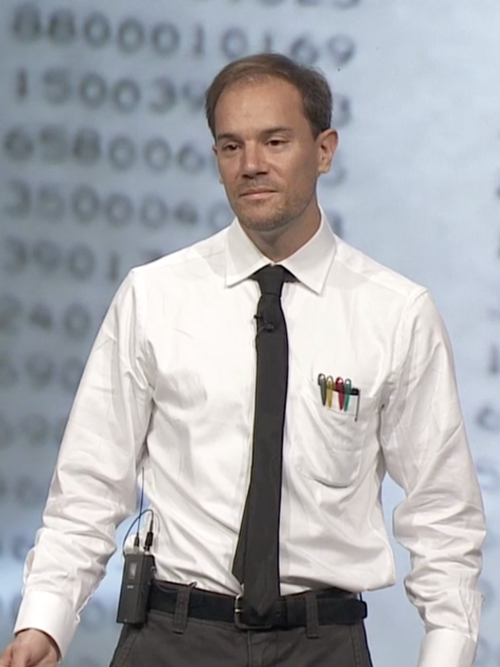 Bret Victorrecommends 5 books here
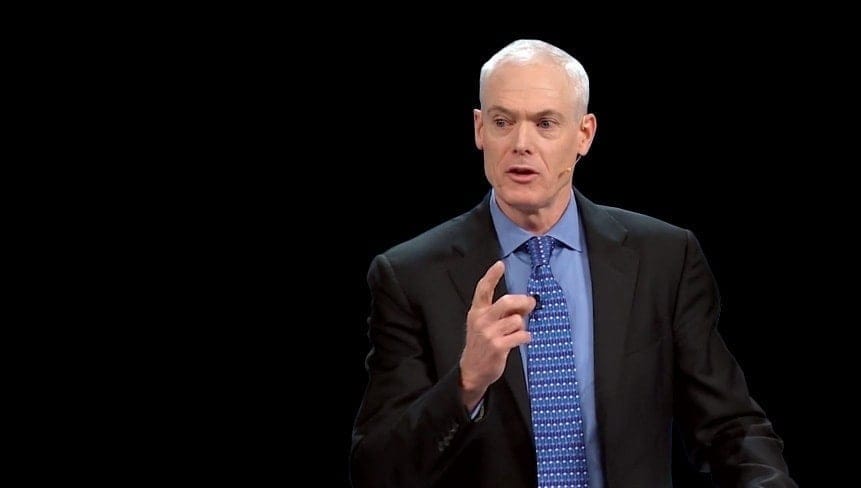 Jim Collinsrecommends 4 books here
 Nassim Nicholas Talebrecommends 4 books here
 Bill Gatesrecommends 4 books here
 Jeff Atwoodrecommends 4 books here
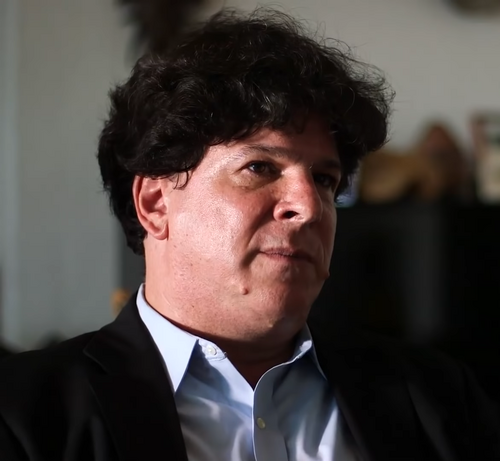 Eric Weinsteinrecommends 3 books here
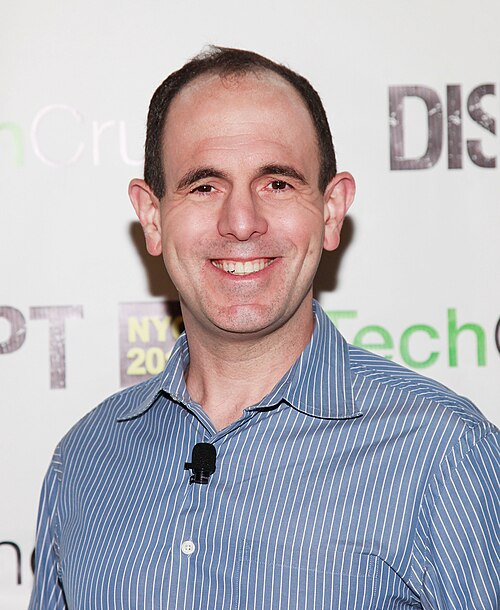 Keith Raboisrecommends 3 books here
 Seth Klarmanrecommends 2 books here
 Daniel Kahnemanrecommends 1 book here
Show all 33
 Jason Zweigrecommends 1 book here
 Morgan Houselrecommends 1 book here
 Bill Nygrenrecommends 1 book here
 Balaji S. Srinivasanrecommends 1 book here
 Daniel Burkarecommends 1 book here
 Derek Siversrecommends 1 book here
 Ev Williamsrecommends 1 book here
 Jessica Hischerecommends 1 book here
 Jordan Hughesrecommends 1 book here
 Julia Galefrecommends 1 book here
 Kevin Roserecommends 1 book here
 Nat Eliasonrecommends 1 book here
 Naval Ravikantrecommends 1 book here
 Nick Crockerrecommends 1 book here