
Philosophy
Ethics, metaphysics, epistemology, political philosophy and the practical wisdom traditions including Stoicism, aphorism and the examined life. Read by people asking how to think and how to live rather than what to do on Monday.
Start here
- MeditationsMarcus Aurelius, 1626
- Poor Richard's AlmanackBenjamin Franklin, 1732
- The Theory of Moral SentimentsAdam Smith, 1759
- On the Principles of Political Economy and TaxationDavid Ricardo, 1817
- The MuqaddimahIbn Khaldun, 1858
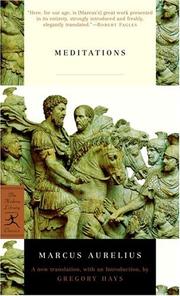
A Roman emperor's private notes reminding himself to live by Stoic principles.
“For example, the Hayes translation of Marcus Aurelius' Meditations is regarded as being truest to the original text, while also having a modern (accessible) feel.” — Shane Parrish
Source: How to Remember What You Read
Recommended by: Austen Allred, Mohnish Pabrai, Nat Eliason and 17 others

An almanac of proverbs and maxims urging thrift, industry and courtesy.
Recommended by: Li Lu, Tim Ferriss
How moral judgement grows from sympathy and an imagined impartial spectator.
“Years before he wrote The Wealth of Nations, extolling the virtues of the invisible hand of competition and the essential nature of personal advantage and self-love in making the world’s economic system work, Adam Smith wrote The Theory of Moral Sentiments.” — John C. Bogle
Source: Business as a Calling, page 4
Recommended by: John C. Bogle, Mohnish Pabrai
Rent, wages, profit and comparative advantage, reasoned from first assumptions.

Why states rise and fall, explained through asabiyyah, the cohesion of a group.
Recommended by: Mohnish Pabrai, Mark Zuckerberg
How a search for a philosophy of his own led him to Christian theology.
Essays on self-knowledge and how unreliable one's own judgement is.
Recommended by: Patrick Collison, Nassim Nicholas Taleb
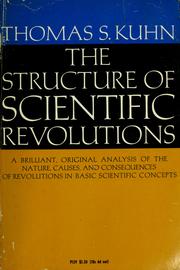
Science moves through long stretches of normal work broken by paradigm shifts.
“Thomas Kuhn laid out the best-known framework for this analysis in his seminal book,The Structure of Scientific Revolutions (1962).” — Michael Mauboussin
Source: Shift Happens: On a New Paradigm of the Markets as a Complex Adaptive System, page 2
Recommended by: Jim Collins, Michael Mauboussin, Nat Eliason and 8 others

Knowledge grows by bold guesses that we then try to refute, not by proof.
Recommended by: Patrick Collison
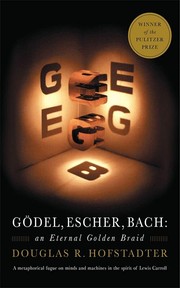
How a mind could arise from parts, traced through Godel, Escher and Bach.
Recommended by: Nat Eliason, Naval Ravikant, Demis Hassabis and 3 others
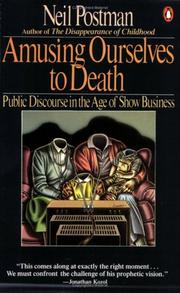
How television turned public discourse from argument into entertainment.
“The most prescient here is Neil Postman's Amusing Ourselves to Death, originally published in 1985. It's long, but I'm going to quote the foreword in its entirety because it's worth reading a few times over:” — Matt Mullenweg
Source: Culture of Distraction
Recommended by: Keith Rabois, Matt Mullenweg, Nat Eliason and 3 others
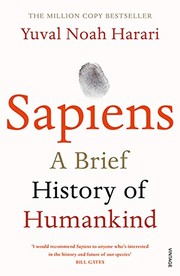
How shared fictions such as money, nations and gods let humans cooperate at scale.
“…books I've recommended, highlighted to death, or forced on friends.” — Andrew Wilkinson
Source: Andrew Wilkinson's Bookshelf, neverenough.com
Recommended by: Andrew Wilkinson, Bill Gates, David Perell and 40 others
End-of-life and hospice care, and why medicine should aim at well-being.
Recommended by: Bill Gates, Mohnish Pabrai, Julie Zhuo
Books One to Three: division of labour, money, prices, wages, profit and capital.
“Adam Smith, An Inquiry into the Nature and Causes of the Wealth of Nations (London: W. Strahan and T. Cadell, 1776)” — Michael Mauboussin
Source: Increasing Returns: Identifying Forms of Increasing Returns and What Drives Them, page 15
Recommended by: Michael Mauboussin, Mohnish Pabrai and 1 other
Books Four and Five: the case against mercantilism, and the role of the state.
Recommended by: Mohnish Pabrai
Language, logic and the limits of what can be said about the world.
Recommended by: Reid Hoffman
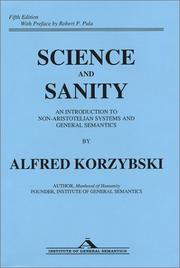
General semantics: why a map is not the territory and a word is not the thing.
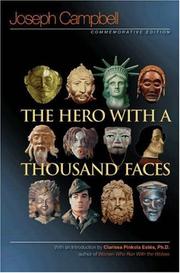
The one pattern of the hero's journey that runs through myths across cultures.
Recommended by: Nat Eliason, Patrick O'Shaughnessy and 2 others
Recurring patterns drawn from world history: biology, morals, religion, economics.
“…books I've recommended, highlighted to death, or forced on friends.” — Andrew Wilkinson
Source: Andrew Wilkinson's Bookshelf, neverenough.com
Recommended by: Andrew Wilkinson, Balaji S. Srinivasan and 14 others
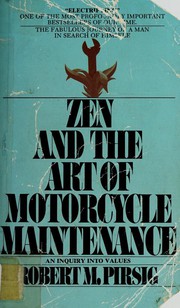
A father and son's motorcycle trip framing an inquiry into what Quality means.
“And then you also on the philosophical front Zen and the Art of Motorcycle Maintenance.” — Drew Houston
Source: The Tim Ferriss Show Transcripts: Drew Houston (#334)
Recommended by: Austen Allred, Brad Feld, Drew Houston and 9 others
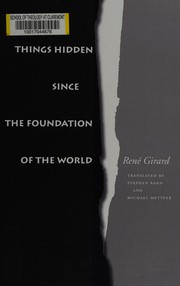
Mimetic rivalry, where rivals grow alike, and the violence it unleashes in societies.
Recommended by: Patrick Collison, Eric Weinstein and 1 other
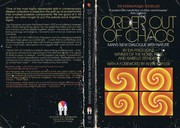
How irreversible processes in thermodynamics bring order out of disorder.
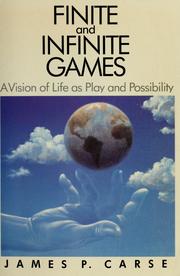
Finite games are played to win; infinite games are played to keep playing.
“So abstract. Maybe the most abstract book you'll ever read. Compares "finite" games with rules and winners, versus "infinite" games without winners where we can play with the game itself.” — Derek Sivers
Source: Book notes by Derek Sivers
Recommended by: Derek Sivers, Graham Duncan, Mohnish Pabrai and 9 others
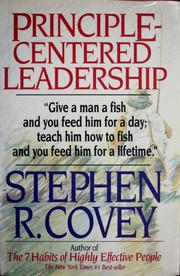
Applies the Seven Habits to organisations: lead by fixed principles, not by values.
Recommended by: Mohnish Pabrai
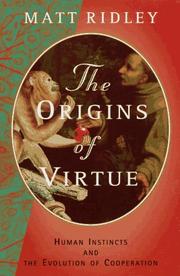
How cooperation and morality evolved from self-interest, via the prisoner's dilemma.
“I really highly, highly recommend picking up Genome, The Red Queen, Origins of Virtue, The Rational Optimist, and The Evolution of Everything.” — Naval Ravikant
Source: The Tim Ferriss Show — Naval Ravikant Q&A, full transcript
Recommended by: Mohnish Pabrai, Naval Ravikant, Ryan Holiday
Reality through four strands: many-worlds physics, computation, evolution, Popper.
Recommended by: Naval Ravikant, Patrick Collison and 4 others
How the sciences and humanities can be unified by causal links from physics up.
“I was inspired by E. O. Wilson's book Consilience, which came out in 1998 and is a book I'd recommend.” — Michael Mauboussin
Source: MOI Global interview with Michael Mauboussin
Recommended by: Michael Mauboussin, Mohnish Pabrai
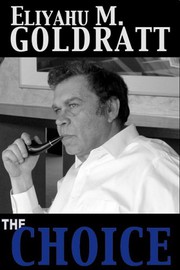
A dialogue on thinking clearly: reality is simple, conflicts can be resolved.
Recommended by: Mohnish Pabrai
How humanity and technology together keep widening the opportunities open to people.
“Fascinating historical and philosophical perspective on technology, where it's come from, where it's going.” — Derek Sivers
Source: Derek Sivers book notes (primary, rated list) · Rating: 8/10
Recommended by: Derek Sivers, Patrick Collison and 2 others
Knowledge can grow without limit through good explanations that are hard to vary.
“Favorites, I would say David Deutsch, "The Beginning of Infinity" is definitely one of my favorites.” — Albert Wenger
Source: Transcript: Albert Wenger
Recommended by: Albert Wenger, Derek Sivers and 9 others

Why societies should put sustainable long-run growth almost above all else.
“Subtitle “A Vision for a Society of Free, Prosperous, and Responsible Individuals” gives a hint of its contents. I love these kinds of books: full of well-considered, smart, rational and surprising ideas from an economist.” — Derek Sivers
Source: Derek Sivers book notes (primary, rated list) · Rating: 8/10
Recommended by: Derek Sivers, Jackie Vullinghs and 1 other
Why economics misapplies probability to problems where the future is unknowable.
The struggle to make machine learning systems do what people actually intend.
Recommended by: Sam Altman
Short pieces of advice on living, goals, generosity, careers, family and money.
“Tiny sentences with deep wisdom unelaborated. Up to you to extract, reflect, and apply.” — Derek Sivers
Source: Derek Sivers book notes (primary, rated list) · Rating: 6/10
Recommended by: Andrew Wilkinson, Derek Sivers and 1 other
An unfinished utopia built around organised scientific research.
Recommended by: Patrick Collison, Peter Thiel

Elite theory: who rules, and why stated political aims mislead.
“The book that I always recommend on this topic is called "The Machiavellians," which is this sort of a famous book from the 1940s” — Marc Andreessen
Source: The a16z Show — Marc Andreessen with David Senra (transcript)
Recommended by: Marc Andreessen
Dostoevsky read through mimetic rivalry and resentment.
Recommended by: Peter Thiel
Conversations on the myths that cultures share and the stories they tell themselves.
Recommended by: Jim Collins, Nat Eliason, David Perell and 3 others
Mastery as long practice on the plateau, with a reward that comes late.
“Mostly detailed historical biographical tales of ”masters” like DaVinci, Darwin, Mozart, Proust, Goethe, Wright Brothers, Einstein, Coltrane, Martha Graham, etc. Lessons dissected from their successes, and categorized. Similar format to his great book “48 Laws of Power”, but a little less effective here. The biographies were interesting, but lessons were mostly conventional wisdom.” — Derek Sivers
Source: Derek Sivers book notes (primary, rated list) · Rating: 8/10
Recommended by: Derek Sivers, Patrick O'Shaughnessy and 2 others
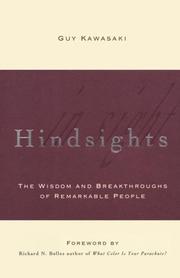
Letters from 33 people on the lessons of their lives.
Recommended by: Mohnish Pabrai
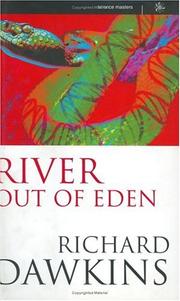
Genes as a river of digital information, and how life began and spreads.
“Biologist describes how evolution works, everything maximized for the gene’s survival. Includes related insights and analogies. I like his writing style.” — Derek Sivers
Source: Derek Sivers book notes (primary, rated list) · Rating: 6/10
Recommended by: Derek Sivers, Ray Dalio
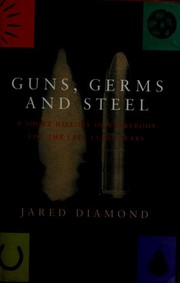
Why Eurasian societies conquered others: the role of geography, crops and animals.
“This is an insightful read on the pace at which societies develop and why.” — Christopher Bloomstran
Source: Semper Augustus 2023 Letter to Clients, 'Worldly Wisdom', p. 81
Recommended by: Charlie Munger, Christopher Bloomstran and 17 others
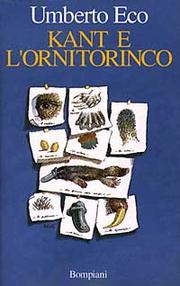
How people sort the world into categories, and where categories fail.
Recommended by: Nassim Nicholas Taleb
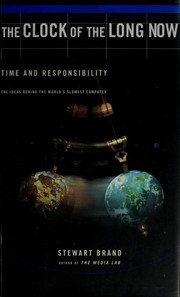
The case for a 10,000-year clock and for long-term thinking in institutions.
“Metcalfe’s original diagram was taken from Brand, Stewart, The Clock of the Long Now: Time and Responsibility: The Ideas Behind the World’s Slowest Computer , Basic Books, New York, 2000” — Michael Mauboussin
Source: Network to Net Worth: Exploring Network Dynamics, page 28
Recommended by: Michael Mauboussin, Bret Victor, Phil Libin and 1 other
History as a growing web of non-zero-sum games, in which both sides can gain.
“His book Nonzero is among my five favorite books of all time. So, that book came out recently, and I gave that to my closest friend and my family.” — Nick Thompson
Source: The Tim Ferriss Show Transcripts: Nick Thompson (#311)
Recommended by: Mohnish Pabrai, Nick Thompson, Ev Williams and 1 other
A history of Western philosophy from the Greeks to the Renaissance.
Recommended by: Mohnish Pabrai, Nassim Nicholas Taleb
What makes a truth objective: what stays the same across perspectives.
Recommended by: Nassim Nicholas Taleb
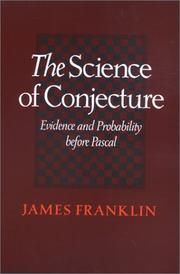
How judges, juries and scientists weighed evidence before formal statistics.
Recommended by: Nassim Nicholas Taleb
Evolution told as a journey back in time, meeting ancestors at each branch.
Recommended by: Patrick Collison

Why social science should explain by mechanisms rather than by laws.
Recommended by: Mohnish Pabrai, Nassim Nicholas Taleb
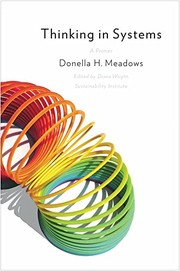
An introduction to systems: stocks, flows, feedback loops and where to intervene.
Recommended by: Patrick O'Shaughnessy, Daniel Burka and 3 others
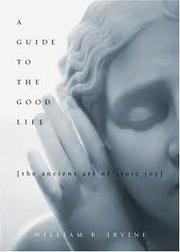
Stoicism as a practical philosophy, with techniques such as negative visualisation.
“…books I've recommended, highlighted to death, or forced on friends.” — Andrew Wilkinson
Source: Andrew Wilkinson's Bookshelf, neverenough.com
Recommended by: Andrew Wilkinson, Austen Allred and 7 others
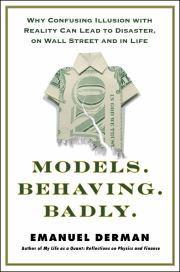
Why models are not theories, and the harm of mistaking them for reality.
Recommended by: Nassim Nicholas Taleb
Short essays on the scientific concepts that would improve everyone's thinking.
Recommended by: Morgan Housel, Patrick Collison
Stoic lessons on turning obstacles into a path, through perception, action and will.
“A succinct adrenaline-generating call to clear thinking and rational action. Many historical examples. Incredibly inspiring.” — Derek Sivers
Source: Derek Sivers book notes (primary, rated list) · Rating: 8/10
Recommended by: Derek Sivers, Ryan Holiday, Tom Bilyeu and 4 others
One investor's change from a brokerage job to value investing, after Buffett.
“…books I've recommended, highlighted to death, or forced on friends.” — Andrew Wilkinson
Source: Andrew Wilkinson's Bookshelf, neverenough.com
Recommended by: Andrew Wilkinson, Christopher Bloomstran and 1 other
The limits of what science can know about the world.
Recommended by: Shane Parrish
When the simpler theory is the better one: the principle of parsimony tested.
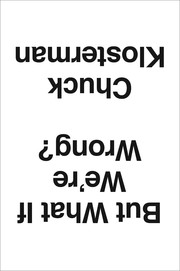
How today's certainties in culture and science may look once they are replaced.
“Hard to read and not emerge humbled.” — Marc Andreessen
Source: @pmarca, 'Thread: Books I've recently read and recommend'
Recommended by: Marc Andreessen, Brad Feld, Bryan Johnson and 1 other
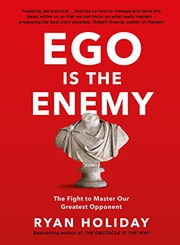
How ego harms a person in aspiration, success and failure, and how to check it.
“Forget yourself and focus on the work. Be humble and persistent. Value discipline and results, not passion and confidence. Be lesser, do more. This message is crucial, but the opposite of almost every other book. I wish everyone would read this. I need to re-read it each year. It's that important. It's easy to read this and say “oh yeah I've got my ego under control”, but the problem is deeper than that.” — Derek Sivers
Source: Derek Sivers book notes (primary, rated list) · Rating: 9/10
Recommended by: Andrew Wilkinson, David Cancel, Derek Sivers and 5 others
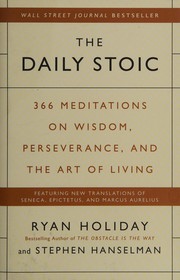
Stoic wisdom for living a better life, not for the classroom.
“As I was reading The Daily Stoic I found many ideas that spoke to me. I’ve known Ryan from a distance for a while. We ended up at a dinner together at either SXSW or CES a number of years together and I remember an interesting and engaged conversation.” — Brad Feld
Recommended by: Brad Feld, Derek Sivers, Alex Lieberman and 1 other
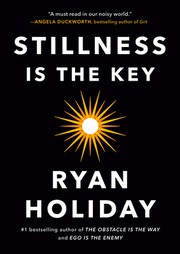
How stillness helps leaders and artists control temper and avoid distraction.
“If even one chapter in each section strikes a chord with you, I encourage you to grab a copy of Stillness Is The Key.” — Brad Feld
Source: Book: Stillness Is The Key — Feld Thoughts
Recommended by: Brad Feld, Cal Newport, Derek Sivers and 1 other
What warming at each level would do, beyond the rise in the sea.
Recommended by: Vinod Khosla, George Hatzis
Six ways of thinking that help people plan for generations ahead.
“I love the subject, and pre-ordered the book based on the title alone. But I found it hard to sift through the clutter of obvious and unnecessary sentences to find some interesting ideas.” — Derek Sivers
Source: Derek Sivers book notes (primary, rated list) · Rating: 2/10
Recommended by: Derek Sivers
Time management for a life of about four thousand weeks, and the limits it sets.
“Give up hope and embrace your limits. Everything you do means giving up something else. Say yes to less. He’s one of my favorite authors, so wonderfully thorough, but I already agree and am living this way. (My “Hell Yeah or No” was about this subject.) Still, I’d recommend it to anyone.” — Derek Sivers
Source: Derek Sivers book notes (primary, rated list) · Rating: 8/10
Recommended by: Andrew Wilkinson, Derek Sivers, Sahil Bloom and 1 other
Why and how to plan for the well-being of people many generations from now.
Recommended by: Andrew Wilkinson, Ali Abdaal
Politics drawn from the history of the Roman Republic in 142 discourses.
Recommended by: Peter Thiel

A tract to the English Parliament against licensing and censorship of the press.
Recommended by: Antonio García Martínez
Three hundred maxims with commentary on how to live and advance in society.
Recommended by: Nat Eliason
An early argument for the social contract and strong, absolute government.
Recommended by: Li Lu, Peter Thiel

Philosophical fragments of an unfinished defence of the Christian religion.
Recommended by: Mohnish Pabrai
A seventeenth-century treatise on governing one's speech.
Recommended by: Paul Graham
A rational, empirical, non-dogmatic reading of the Gospels.
“It was John Locke, in The Reasonableness of Christianity, said that Christ obviously had to mislead people, since if he had not done so, the authorities might have tried to kill him.” — Peter Thiel
Recommended by: Peter Thiel
The Stoic philosopher's teachings on ethics and the conduct of life.
Recommended by: Nat Eliason, Julie Stevanja
A philosopher's autobiography of the first fifty-three years of his life.
Recommended by: Li Lu, Paul Graham
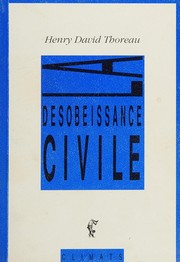
The essay on resisting a government that acts unjustly.
Recommended by: Nat Eliason

Practical rules for living as happily, or as little unhappily, as one can.
“I mean, there's ancient wisdom in Schopenhauer, read Counsels and Maxims.” — Naval Ravikant
Source: The Tim Ferriss Show #473 — Naval Ravikant, full transcript
Recommended by: Naval Ravikant

Advice on living that shuns quick pleasures and prizes the joys of the intellect.
Recommended by: Patrick O'Shaughnessy
An essay on walking in nature and the freedom it brings.
Recommended by: Patrick O'Shaughnessy
A rejection of Western philosophy's notions of truth, God, good and evil.
Recommended by: Marc Andreessen
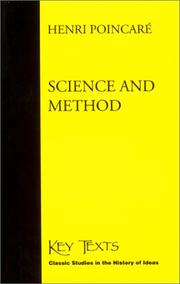
The method and psychology of scientific discovery, above all in mathematics.
Recommended by: Naval Ravikant
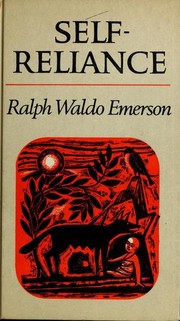
An essay on avoiding conformity and following one's own instincts and ideas.
“Pow! This punched me in the gut from page one. Takes a tiny effort to read the English of the 1840s, but what a reward. A masterpiece essay (manifesto?) on independence, non-conformity, and trusting oneself.” — Derek Sivers
Source: Derek Sivers book notes (primary, rated list) · Rating: 7/10
Recommended by: Derek Sivers, Nat Eliason and 1 other
Twenty-six poetic essays in which the prophet Almustafa speaks on life.
“I absolutely love that book. And then, The Prophet by Kahlil Gibran is one of my favorite books.” — Peter Mallouk
Source: The Tim Ferriss Show Transcripts: Peter Mallouk (#356)
Recommended by: David Perell, Peter Mallouk, Naval Ravikant

A short New Thought essay on how a person's thinking shapes their life.
Recommended by: Nat Eliason, Tim Ferriss, Tony Robbins
Fictional letters from a merchant to his son on business and the conduct of life.
Recommended by: Mohnish Pabrai, Ryan Holiday
A study of religious experience through vivid first-hand accounts.
Recommended by: Mark Zuckerberg
An accessible introduction to the logical foundations of mathematics.
Recommended by: Vlad Zamfir
How to drop the outdated rules of work, love and money and set your own.
Recommended by: Jim Kwik
Examples showing what the logical-analytic method in philosophy can and cannot do.
Recommended by: Patrick Collison
The lives and ideas of great philosophers, from Plato to Nietzsche.
“Profiles of some top philosophers: Plato, Aristotle, Bacon, Voltaire, Kant, Schopenhauer, Nietzsche. But wow - Durant’s writing steals the show. A hundred various thoughts to digest.” — Derek Sivers
Source: Derek Sivers book notes (primary, rated list) · Rating: 8/10
Recommended by: Derek Sivers, Nat Eliason, Naval Ravikant
A life of non-violent struggle against racism and colonial rule, told by its subject.
Recommended by: Mohnish Pabrai, Tim Cook
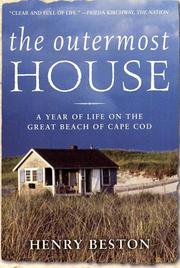
A year spent alone in a small house on a Cape Cod beach.
Recommended by: Richard Branson

Letters of advice on poetry, solitude and life written to a young would-be poet.
Recommended by: Maria Popova
A system of speculative philosophy, process philosophy, from lectures in Edinburgh.
Recommended by: Patrick Collison
How each reader can build and defend an inner self through culture.
Recommended by: Tim O’Reilly
A philosopher's view of Western culture sinking to its lowest common denominator.
Recommended by: Patrick Collison
Essays on the Versailles treaty, the gold standard and Britain's currency.
Recommended by: Mohnish Pabrai, Warren Buffett

An early classic on what scientific thinking is and what it promises.
Recommended by: Jason Zweig, Mohnish Pabrai
The political defined by the distinction between friend and enemy.
“One of his books was The Concept of the Political - what defines politics. It's some of this division of friends and enemies that somehow is really foundational, and you shouldn't get sidetracked with all these other things.” — Peter Thiel
Source: Peter Thiel on Political Theology (Ep. 210) | Conversations with Tyler
Recommended by: Peter Thiel
Why the Age of Reason was far less modern in temper than it is thought.
Recommended by: Patrick Collison
A psychologist's study of modern people's spiritual search.
Recommended by: Mohnish Pabrai
Essays for reflection and free enquiry, from fascism's roots to "useless" knowledge.
Recommended by: Nat Eliason, Patrick Collison, Ed Cooke
A novel in which industrialists vanish from an economy run by government directives.
“Ayn Rand had it about right when she wrote John Galt’s famous speech in Atlas Shrugged that “no substitute can do your thinking”.” — Nick Sleep
Source: Nomad Investment Partnership - Letters to Partners, complete collection 2001-2013, page 47
Recommended by: Brian Armstrong, Jim Collins, Mohnish Pabrai and 21 others
The argument that play is primary to culture and a condition of it.
Recommended by: Stewart Brand
A theory of spiritual evolution toward a supramental being and a divine life.
Recommended by: Mohnish Pabrai

Why mathematics is worth doing for its beauty, apart from any use.
Recommended by: Patrick Collison, Paul Graham
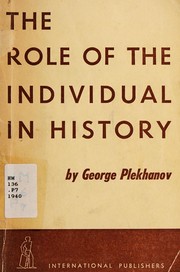
A defence of the Marxist theory of social development and the individual's place.
Recommended by: Ray Dalio

Why people flee from freedom into totalitarianism: a psychoanalyst's account.
Recommended by: Nat Eliason
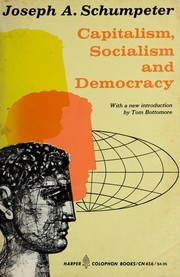
Capitalism runs on creative destruction, and its success may lead it to socialism.
“Joseph A Schumpeter, Capitalism, Socialism and Democracy (New York: Harper & Row, 1942)” — Michael Mauboussin
Source: Why Corporate Longevity Matters: What Index Turnover Tells Us about Corporate Results, page 14
Recommended by: Jim Collins, Michael Mauboussin, Li Lu
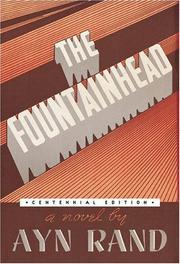
A novel of an architect who will build only by his own judgment, whatever it costs.
Recommended by: Mohnish Pabrai, Ev Williams, Iman Gadzhi and 7 others
A translation of the Tao Te Ching, on poise, serenity and the futility of ego.
Recommended by: Tim O’Reilly
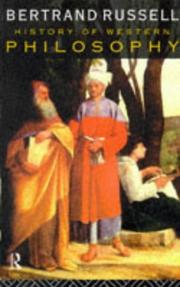
Western philosophy from the earliest times, tied to its political and social setting.
Recommended by: Patrick Collison
A reading of Xenophon's Hiero, where a tyrant and a poet weigh the uses of tyranny.
Recommended by: Peter Thiel
Nature writing on wildlife, natural history and the case for conservation.
Recommended by: Tim Ferriss
The first full Austrian school treatise on economics, built from individual action.
Recommended by: Charles Koch
Six writers on their conversion to communism and their disillusionment with it.
Recommended by: Marc Andreessen
An analysis of the Western idea of "woman" and of inequality and otherness.
Recommended by: Arianna Huffington, Laura R Walker
A poem arguing that all is atoms and void, the soul dies, and religion breeds fear.
Recommended by: Stewart Brand
Essays, talks and letters from 1934 to 1950 on social, religious and school issues.
Recommended by: Eric Weinstein
The founder of cybernetics on machines that free people from drudgery, and the risks.
Recommended by: Patrick Collison
Ways to end humanity's conflicts with nature, with other people and within the self.
Recommended by: Patrick Collison

A theologian on the challenges and illusions of American democracy in the Cold War.
Recommended by: Patrick Collison
Argues that ethics and politics rest on a real distinction between right and wrong.
Recommended by: Peter Thiel
A poet who defected from Stalinist Poland on intellectuals under its regime.
“The definitive work on intellectual life under totalitarianism: The Captive Mind by Czeslaw Milosz” — Marc Andreessen
Source: What I've Been Up To Lately — Marc Andreessen, a16z.com
Recommended by: Marc Andreessen
His last full account of his ethical and political views.
Recommended by: Patrick Collison
Reflections on a woman's life, written on holiday by the sea in Florida.
Recommended by: Maria Popova

A short handbook of Stoic philosophy by a teacher who was born a slave.
Recommended by: Nat Eliason, Ryan Holiday, Naval Ravikant and 1 other
The philosophy of the absurd, and why it calls for revolt rather than suicide.
Recommended by: Jim Collins, Nat Eliason
A forecast of changes in three areas of life, starting with a shift in philosophy.
An anthropologist's reflections on humanity's long journey through time.
Recommended by: Mohnish Pabrai
An introduction to Zen, its Buddhist and Taoist origins and its principles.
Recommended by: Nat Eliason, Naval Ravikant
A restatement, from Harvard lectures, of the theory of justice as fairness.
Recommended by: Patrick Collison
Argues that scientific knowledge joins personal experience, moral judgement and data.
Recommended by: Charles Koch

Freedom from the fears of the known and the unknown that hold a person back.
Recommended by: Mohnish Pabrai, Naval Ravikant
Essays that set out the fundamentals of a psychological system of archetypes.
Recommended by: Ricardo Semler
The basic principles of Buddhist doctrine drawn from the original Pali texts.
Recommended by: Chade-Meng Tan
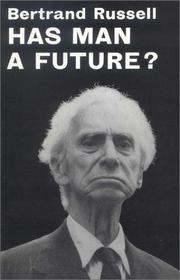
A philosopher on human survival in the nuclear age.
Recommended by: Patrick Collison

A writer's encounters with British philosophers and historians.
Recommended by: Patrick Collison
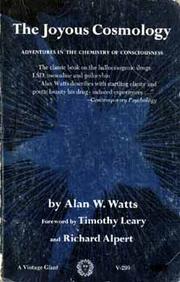
Changes of consciousness under "mystic drugs" and what they reveal.
Recommended by: Ed Cooke, Naval Ravikant
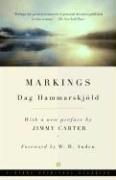
A public figure's private record of his spiritual life, published after his death.
Recommended by: Kara Swisher
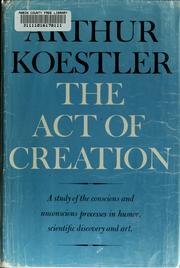
Creativity in humour, science and art as 'bisociation': joining two unrelated frames.
Recommended by: Patrick Collison, Patrick O'Shaughnessy and 1 other
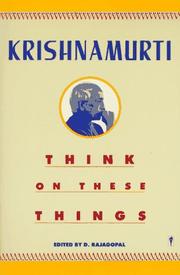
On how to live, on culture and on ethics.
“Yeah, I actually don't recommend starting with Krishnamurti; he's a tough one, but if you're going to start somewhere, I started with this book called Think on These Things.” — Naval Ravikant
Recommended by: Mohnish Pabrai, Naval Ravikant
A major work of post-Kantian philosophy, the summation of a lifetime of thought.
Recommended by: Sheryl Sandberg
The forces that have shaped technology since prehistory and now shape modern people.
Recommended by: Patrick Collison
Life in Nazi concentration camps, and logotherapy: finding meaning to survive.
“What's more certain to me is that we all need a why, as Viktor Frankl told us in Man's Search for Meaning.” — David Heinemeier Hansson
Source: Universal Basic Dead End
Recommended by: David Heinemeier Hansson, David Perell and 29 others
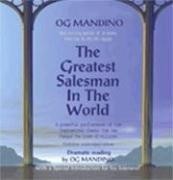
A parable of Hafid, ancient scrolls and the secrets of salesmanship and success.
Recommended by: Nick Huber
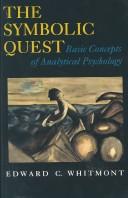
The basic concepts of Jung's analytical psychology: archetypes, the self and healing.
Recommended by: Guy Spier
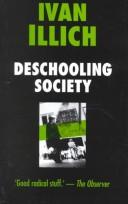
The argument that universal schooling fails and that schools should be abolished.
Recommended by: Ana Fabrega

Essays on the will, the blind desire that drives human action more than reason.
“Classic philosophy. I strongly disagreed with his thoughts on the meaning of life, on women, and some on religion. But the rest were fascinating and worthy of deeper reflection. Too much to summarize. See notes.” — Derek Sivers
Source: Derek Sivers book notes (primary, rated list) · Rating: 7/10
Recommended by: Derek Sivers, Patrick O'Shaughnessy and 1 other
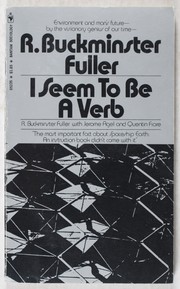
A designer and inventor's case that man can for the first time succeed in his world.
Recommended by: Chris Sacca
A fable about a seagull learning to fly, and a homily on self-perfection.
Recommended by: Ev Williams, Mike Maples, Jr.
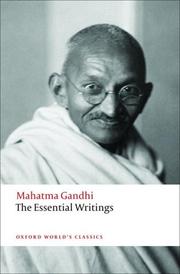
A selection of letters, articles and books across the whole of the writer's thought.
Recommended by: Naval Ravikant
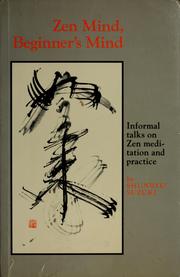
Zen Buddhist teaching on meditation and Soto Zen practice.
Recommended by: Nat Eliason, Patrick Collison, Kevin Rose and 1 other
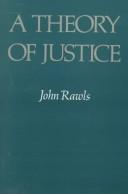
The principles of justice that free people would accept in a position of equality.
Recommended by: Ann Miura-Ko, Peter Thiel
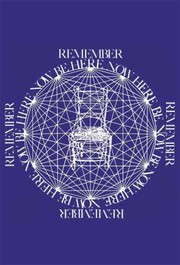
A book on spirituality, yoga and meditation that spread Eastern practice in the West.
Recommended by: Steve Jobs
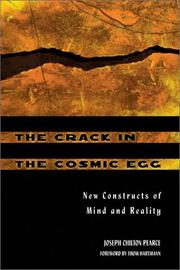
Culture as a "cosmic egg" of logical thought, and how the mind can break out of it.
Recommended by: Adam Robinson
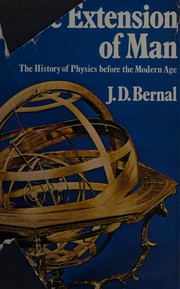
Lectures on the history of physics up to the end of the classical era.
“Bernal, The Extension of Man” — Paul Graham
Source: Rarely-Asked Questions — paulgraham.com
Recommended by: Paul Graham
Buddhist teaching on how the spiritual path can turn into ego and materialism.
Recommended by: Steve Jobs
How a person can live the life they want despite the constraints around them.
“Some fun "fist in the air" thoughts on freedom, from 1973. Includes related thoughts on parenting and honesty.” — Derek Sivers
Source: Derek Sivers book notes (primary, rated list) · Rating: 3/10
Recommended by: Derek Sivers, Nat Eliason

How people and cultures react to death, and what that reaction does to them.
Recommended by: Nat Eliason, Eric Weinstein, Marc Andreessen

The case for a minimal state limited to protection, and against anything larger.
Recommended by: Marc Andreessen, Peter Thiel

Freud, Marx and Lévi-Strauss as cases of the Jewish struggle with Gentile civility.
Recommended by: Marc Andreessen
How Western punishment changed and the prison became its main form.
Recommended by: Nat Eliason
A short anthology of the poet's work on love, with commentary.
Recommended by: Sophia Amoruso
The theory that consciousness is learned, arising from a once two-chambered mind.
Recommended by: Patrick O'Shaughnessy, Adam Robinson and 3 others

A novel of two barnstorming pilots in the Midwest, one of them a reluctant messiah.
Recommended by: Naval Ravikant
A critique of 'primitive versus advanced' views of the mind across human societies.
Recommended by: Bret Victor
281 Zen koans with the answers, once kept secret, passed from master to novice.
Recommended by: Kevin Kelly
The argument that playing a game is a voluntary attempt to overcome needless hurdles.
Recommended by: Jane McGonigal
Why facing problems, though painful, is how people grow mentally and spiritually.
“Profound truths and bold opinions on discipline, life, and love, written by a psychiatrist in 1978. It's been a best-seller all these years for a good reason.” — Derek Sivers
Source: Derek Sivers book notes (primary, rated list) · Rating: 8/10
Recommended by: Derek Sivers, Jim Collins, John Maeda and 1 other

Why today's theory of architecture is bankrupt, and a way of building that lasts.
Recommended by: Daniel Burka, David Perell
Metaphor as a basic mechanism of thought that shapes how people understand the world.
“Going to go a little esoteric for this next one and talk about a book, which is a little more academic, which is by an author named George Lakoff and it's called Metaphors We Live By. There's definitely a writing theme here.” — Matt Mullenweg
Recommended by: David Perell, Matt Mullenweg, Nat Eliason and 2 others
The shift from medieval philosophy to modern science, from Copernicus to Newton.
Recommended by: Patrick Collison

Hindu teaching on death and whether it is real.
Recommended by: Mohnish Pabrai
Essays from literature, AI and psychology on the self and consciousness.
Recommended by: Josh Wolfe
The yoga aphorisms with Vyasa's commentary, translated and annotated for practice.
Recommended by: Mohnish Pabrai
How thought and emotion are integrated as people develop through life.
Recommended by: Ray Dalio
Discourses in answer to questions about the inner life, from God to freedom.
Recommended by: Naval Ravikant
Reflections on memory, hope and how time colours the present.
Recommended by: Mohnish Pabrai
Thirty selections from Popper's writings, chosen to show the range of his ideas.
Recommended by: Patrick Collison

Recommended by: Mohnish Pabrai
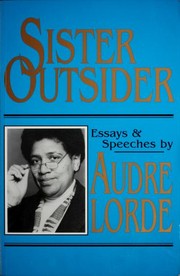
Fifteen essays and speeches on difference by sex, race and sexuality, and on power.
Recommended by: Audrey Gelman
Logic and analytic philosophy explained through jokes.
Recommended by: Mohnish Pabrai, Nassim Nicholas Taleb
Quirky essays on how people perceive and think.
Recommended by: Patrick Collison
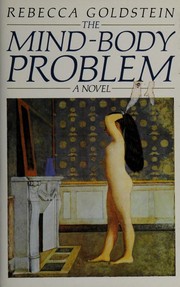
A philosophy student marries a math prodigy and weighs the mind against the body.
Recommended by: Patrick Collison
Dialogues between a spiritual teacher and the physicist David Bohm on thought.
Recommended by: Mohnish Pabrai
An essay on life under a communist regime and how dissent can arise within it.
“But then there's also the famous parable of the real life example, but the thing that Vaclav Havel talks about in the other good book on this topic, which is The Power of the Powerless, who is an anti-communist resistance fighter who ultimately became the president of Czechoslovakia after the fall of the wall.” — Marc Andreessen
Recommended by: Marc Andreessen
Poor Richard's Almanac's sayings on wealth, gathered into a speech by Father Abraham.
“These investment ideas, it turns out, are eerily similar to Franklin’s ideas about savings, set forth largely in his classic, The Way to Wealth, first published in 1757.” — John C. Bogle
Source: Capitalism, Entrepreneurship, and Investing — The 18th Century vs. the 21st Century, page 5
Recommended by: John C. Bogle, Mohnish Pabrai and 1 other
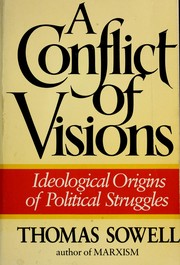
Why lasting political conflicts trace to two opposed visions of human nature.
“Two of Thomas Sowell's many brilliant books on how our current politics and culture came to be: A Conflict of Visions: Ideological Origins of Political Struggles by Thomas Sowell” — Marc Andreessen
Source: What I've Been Up To Lately — Marc Andreessen, a16z.com
Recommended by: Marc Andreessen
How seeing Earth from space changed 30 astronauts' view of themselves and the world.
Recommended by: Richard Branson
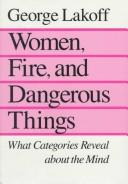
How people categorize, and why human reason is imaginative and tied to the body.
Recommended by: Matt Mullenweg
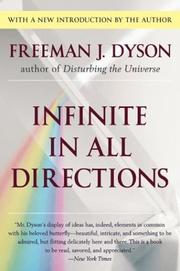
Lectures on science and religion as two windows on the world, in praise of diversity.
Recommended by: Stewart Brand
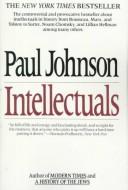
Case studies of thinkers from Rousseau and Marx to Sartre, judged by how they lived.
Recommended by: Marc Andreessen

A critique of socialism: why morality and markets are not products of reason.
Recommended by: Nick Szabo
The issues behind the most famous free-speech case, the trial of Socrates.
Recommended by: Sam Altman
Information theory as an idea that ties together three scientists' work.
Recommended by: Charlie Munger, Mohnish Pabrai
Ten essays introducing political philosophy and its history.
Recommended by: Patrick Collison
An argument that consciousness is not algorithmic and rests on quantum mechanics.
Recommended by: Patrick Collison
Transcribed talks that treat spirituality as waking up.
“Start with Anthony de Mello's A Way to Love or his book Awareness. They're both really good, but there's a ton of them.” — Naval Ravikant
Recommended by: Matt Mullenweg, Naval Ravikant and 3 others
The nature of creativity, and the failings of universities and corporations.
Recommended by: Mohnish Pabrai
The case for replacing mind-body dualism with theories from neuroscience.
Recommended by: Mohnish Pabrai
An anthology of ancient and modern writings in praise of simplicity and moderation.
“So for those people curious, I have Tribe, Sebastian Junger, Gratitude by Oliver Sachs, Less Is More which is a mythology of stoic quotes and thoughts on minimalism.” — Tim Ferriss
Source: The Tim Ferriss Show Transcripts: Dave Camarillo (#196)
Recommended by: Tim Ferriss
Recommended by: Mohnish Pabrai
Myth, psychology and Sufi wisdom on how money can become a means of self-knowledge.
Recommended by: Mohnish Pabrai
A journey through the world's musical traditions and the idea that all is sound.
“It's called, The World is Sound or Nada Brahma.” — Matt Mullenweg
Recommended by: Matt Mullenweg
How consciousness and the senses evolved, and the history of the mind.
Recommended by: Mohnish Pabrai, Nassim Nicholas Taleb
The first medieval universities and the scholars who made a living teaching there.
Recommended by: Nassim Nicholas Taleb
A novel told as a dialogue with a telepathic gorilla about human civilization.
Recommended by: Sahil Lavingia
A philosopher on life, death, faith and religion, for sceptics and believers.
Recommended by: Mohnish Pabrai
Talks and writings on religion and the search for the sacred.
Recommended by: Mohnish Pabrai
Talks and writings on relationship as a basis for solving the world's crises.
Recommended by: Mohnish Pabrai
How a culture hands its judgement to machines, statistics and technical experts.
“Another one by him is called Technopoly, which also is about how when culture surrenders to technology.” — Tristan Harris
Source: The Tim Ferriss Show Transcripts: Tristan Harris — Fighting Skynet and Firewalling Attention (#387)
Recommended by: Patrick Collison, Tristan Harris

Why liberal democracy may be the end state of political change, and how people react.
Recommended by: Marc Andreessen, Peter Thiel
Tibetan teachings on dying, and the healing in seeing death as part of life.
Recommended by: Catriona Wallace
A novel of a founder of psychoanalysis and Nietzsche in nineteenth-century Vienna.
Recommended by: Tim O’Reilly
How Epictetus's Stoicism sustained a pilot held prisoner in North Vietnam.
Recommended by: Mohnish Pabrai
A sage's teaching to Rama, told in tales, on ending conditioning to reach liberation.
Recommended by: Naval Ravikant
A selection from the essays he wrote and revised over two decades.
Recommended by: Patrick Collison, Ryan Holiday and 1 other
A Christian guide to moving from success to significance in midlife.
Recommended by: Mohnish Pabrai, Alfred Lin
Talks on how fear and dependence shape lives and keep people from seeing themselves.
Recommended by: Mohnish Pabrai
Talks on intimate relationships, isolation and self-knowledge, and facing loneliness.
Recommended by: Mohnish Pabrai
A writer's fifty-year path from Trappist monk to a forgotten universal religion.
Recommended by: Mohnish Pabrai
A commentary on the Bhagavad Gita and its message.
Recommended by: Mohnish Pabrai
Finding a vocation through spiritual self-realisation and the chakras.
Recommended by: Mohnish Pabrai
How natural selection changes humanity's view of its place in the universe.
“For example, see Daniel C. Dennett, Darwin’s Dangerous Idea: Evolution and The Meanings of Life (New York: Simon & Schuster, 1995)” — Michael Mauboussin
Source: New Business Boom and Bust: How Capitalism Experiments, page 8
Recommended by: Michael Mauboussin, Nat Eliason
Four talks on cultivating love, joy and peace in daily life.
Recommended by: Mohnish Pabrai
Spiritual exercises in philosophy from Socrates to the early Christians.
Recommended by: Ryan Holiday
Eight edited lectures that introduce a philosopher's wit and wisdom.
Recommended by: Naval Ravikant
Daily meditations on the spiritual life, one for each day of the year.
Recommended by: Mohnish Pabrai, Naval Ravikant
Two medieval tales read as maps of the wounded feeling function in men and women.
Recommended by: Guy Spier

Essays on character, leadership, integrity and rising with dignity over adversity.
Recommended by: Mohnish Pabrai
Essays by 21 young activists who recast feminism from their own lives.
Recommended by: Audrey Gelman
A rabbi's wisdom on every part of life, for secular and religious readers.
Recommended by: Mohnish Pabrai
A critic returns to college in middle age to read the great books again.
Recommended by: Mohnish Pabrai
A lawyer's journey from a career without meaning to a path of inner leadership.
Recommended by: Mohnish Pabrai
A fable on self-realisation, purpose and success.
Recommended by: Melanie Perkins, Terrance McArthur and 1 other
A spiritual thinker's essential writings and talks in one volume.
“I like this for someone who's more advanced. A rationalist's guide to the perils of the human mind. The "spiritual" book I keep returning to.” — Naval Ravikant
Source: Naval's Recommended Reading — The Almanack of Naval Ravikant
Recommended by: Naval Ravikant
A Christian plan for success and life in middle age.
Recommended by: Mohnish Pabrai
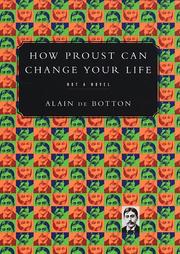
How a great novel, Proust's In Search of Lost Time, can change a reader's life.
“From Alain de Botton's book How Proust Can Change Your Life, highly recommended:” — Matt Mullenweg
Source: Proustian Telephone
Recommended by: Matt Mullenweg, Mohnish Pabrai and 1 other

Translations of one French poem as a way into translation, language and loss.
Recommended by: Patrick Collison
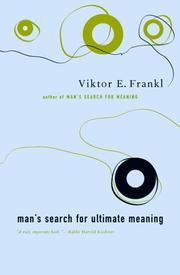
A psychotherapist on the human need for meaning and the search for ultimate answers.
Recommended by: Mohnish Pabrai
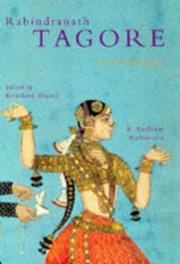
Plays, memoirs, letters, essays, stories, poems and songs, many from the Bengali.
Recommended by: Mohnish Pabrai
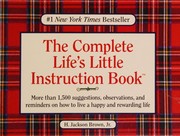
Over 1,500 short pieces of advice on living a good life.
Recommended by: Scott Belsky
A Nobel poet's aphorisms on the pursuit of perfection in work and life.
Recommended by: Ryan Holiday
A new idea of education built on intellectual tools such as language and literacy.
Recommended by: Patrick Collison
A code of conduct drawn from Toltec wisdom for ending self-limiting beliefs.
“Hm. I liked it the first time I read it in 2006. This time? Seems like a lot of generic blah blah, trying to declare it to be deep and powerful by calling it Ancient Toltec Wisdom™.” — Derek Sivers
Source: Derek Sivers book notes (primary, rated list) · Rating: 2/10
Recommended by: Derek Sivers, Jack Dorsey, Nate O'Brien and 1 other
How thinkers built declinism into an ideology of cultural pessimism in the West.
Recommended by: Stewart Brand
Suffering comes from identifying with the mind's chatter; freedom from living now.
Recommended by: Mohnish Pabrai, Iman Gadzhi, Justin Kan and 3 others
A guide to discovering and fulfilling God's purpose for your life.
Recommended by: Mohnish Pabrai
Weekly visits to a former sociology professor as he dies, and what he taught.
Recommended by: Mohnish Pabrai, Library Mindset
A collection of Benjamin Franklin's sayings and quotations.
Recommended by: Mohnish Pabrai
A physicist imagines where science and technology, real and imagined, may lead.
Recommended by: Stewart Brand
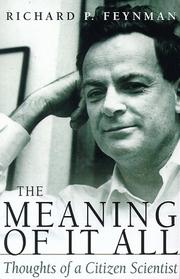
Three lectures by a physicist speaking as a citizen about science and society.
Recommended by: Mohnish Pabrai
Advanced states of consciousness and the way to spiritual enlightenment.
Recommended by: Mohnish Pabrai
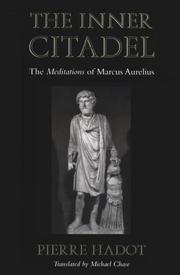
A study of the Meditations as a man of action's inner refuge from the passions.
Recommended by: Ryan Holiday
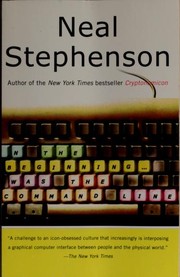
An essay on operating systems and the cultures of Microsoft, Apple and free software.
“Last week I read In the Beginning…Was the Command Line. For the second time. This time I read it on my Kindle, which was fitting.” — Brad Feld
Source: Book: In the Beginning…Was the Command Line — Feld Thoughts
Recommended by: Brad Feld, Ev Williams

Listening to one's inner teacher to find a vocation and a sense of purpose.
“Let Your Life Speak was really good.” — Brad Feld
Source: Book: Let Your Life Speak — Feld Thoughts
Recommended by: Brad Feld, Jerry Colonna and 2 others
Tales from East and West of the soul's conflict with evil, and their symbols.
Recommended by: Stewart Brand
A collection of Richard Feynman's best short works.
Recommended by: Brian Armstrong, Larry Page
Teachings on love, the soul, meditation, service and prayer for all faiths.
Recommended by: Mohnish Pabrai
Lessons for the present drawn from the teachings of great thinkers of the past.
Recommended by: Mohnish Pabrai
Aphorisms and common-sense sayings from a popular colonial American almanac.
Recommended by: Blake Mycoskie
A short essay on finding happiness in the small moments of a busy life.
Recommended by: Sheryl Sandberg
The causes of instability in the global economy and the open society as a remedy.
825 aphorisms on 72 topics, from spirituality to personal liberation and family.
Recommended by: Nat Eliason, Naval Ravikant
A spiritual daybook, one entry a day, to help readers feel alive again.
Recommended by: Melinda Gates
The major speeches, essays and poems of the transcendentalist philosopher.
Recommended by: Tony Robbins
Recommended by: Mohnish Pabrai
A venture adviser on startups and the trap of the deferred life plan.
Recommended by: Nat Eliason, Patrick Collison, Ev Williams and 3 others
Passages from talks on the nature of truth and what keeps us from seeing it.
Recommended by: Mohnish Pabrai
What mathematical ideas mean, and why theorems are true because of what they mean.
Recommended by: Bret Victor
Commentaries on verses of the Tao Te Ching to awaken individual awareness.
Recommended by: Naval Ravikant
Short essays on turning eighty, ageing and facing death.
Recommended by: Patrick O'Shaughnessy, Tim Ferriss

A practical and spiritual guide for the samurai warrior.
Recommended by: Naval Ravikant

Advice to future radicals, dissidents and rebels on living as a contrarian.
Recommended by: Patrick Collison
For those who began moving from success to significance in midlife and stalled.
Recommended by: Mohnish Pabrai
Recommended by: Mohnish Pabrai
Holmes, James, Peirce and the ideas that shaped modern American thought.
Recommended by: Mohnish Pabrai
A down-and-out man escapes a shootout with billions and crosses America.
Recommended by: Mohnish Pabrai
The anthropic principle and the observation selection effects in science.
Recommended by: Patrick Collison
Reading company reports and accounts for ethics as well as profit.
Recommended by: Mohnish Pabrai
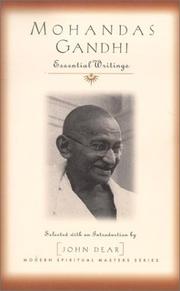
Writings by the leader of India's independence movement on practising nonviolence.
Recommended by: Mohnish Pabrai
How the Web changes basic ideas of space, time, the self and knowledge.
Recommended by: Ev Williams
Spiritual enlightenment reduced to its simplest terms by an unorthodox teacher.
Recommended by: Naval Ravikant
A philosophical look at why people travel and what they find.
Recommended by: Andrew Wilkinson, Brian Chesky
True stories of people who found meaningful work and lives.
Recommended by: Ev Williams
Essays on evolution, natural selection, science and religion.
Recommended by: Patrick Collison
A personal account of facing terminal stomach cancer.
Recommended by: Mohnish Pabrai, Chris Sacca, Guy Proops
An attack on Western beliefs, from Plato to Marxism, about humanity's place.
Recommended by: Patrick Collison, Antonio García Martínez and 1 other

The essays, travel journal and letters of a sceptic who studied himself.
Recommended by: Mohnish Pabrai
A thought experiment wrapped in a story, about God and reality.
“I reread God's Debris recently. Tao Te Ching, a friend of mine is rereading it, so I picked it up again.” — Naval Ravikant
Source: Naval's Recommended Reading — The Almanack of Naval Ravikant
Recommended by: Naval Ravikant
A tour of the enlightened state: what it is, who has reached it, how to get there.
Recommended by: Naval Ravikant
Where the worry about others' judgement of us comes from, and how people overcome it.
Recommended by: Andrew Wilkinson, Garry Tan
How humans can find meaning if they are hosts for genes and memes.
Recommended by: Mohnish Pabrai
Advice on living, drawn from a psychiatrist's thirty years with patients.
“Powerful and profound life lessons from a psychiatrist who's been listening to people's problems for decades.” — Derek Sivers
Source: Derek Sivers book notes (primary, rated list) · Rating: 9/10
Recommended by: Andrew Wilkinson, Derek Sivers, Nat Eliason and 1 other
A non-technical account of how the firing of neurons gives rise to consciousness.
Recommended by: Mohnish Pabrai
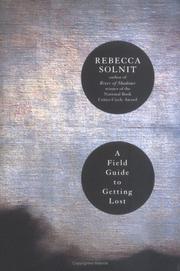
Essays on getting lost, travel, wandering and the unknown.
“Really beautiful writing. Wonderful semi-poetic words around the subject of exploring, venturing into the unknown, and identity. Only downside is the subjects became just memoir for the second half of the book, instead of sticking to the theme.” — Derek Sivers
Source: Derek Sivers book notes (primary, rated list) · Rating: 6/10
Recommended by: Derek Sivers, Matt Mullenweg
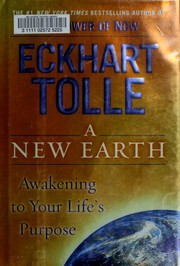
A spiritual guide to awakening and finding life's purpose.
Recommended by: Oprah Winfrey

How existentialism took root in American thought.
Recommended by: Patrick Collison
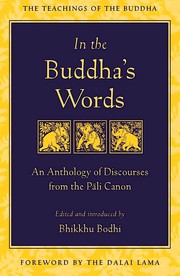
Selected discourses of the Buddha from the Pali Canon, arranged by theme.
Recommended by: Chade-Meng Tan
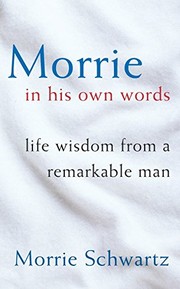
A professor living with ALS sets out his philosophy of living and of letting go.
Recommended by: Mohnish Pabrai

A philosopher defines bullshit by setting it apart from lying and humbug.
“I must have a fascination with books with the word bullshit in the title, as On Bullshit by Harry Frankfurt is the second I’ve read in the last twelve months (the other one was Another Bullshit Night in Suck City). Frankfurt, a Professor of Philosophy Emeritus at Princeton University, has written a delightful half-book (half-book =< 100 pages).” — Brad Feld
Source: Book Review: On Bullshit — Feld Thoughts
Recommended by: Brad Feld, Paul Graham

An optimistic view of old age: virtue and a well-spent life bring happiness.
Recommended by: Mohnish Pabrai
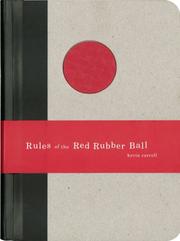
How to find and keep your life's work through passion, play and creativity.
Recommended by: Ann Handley
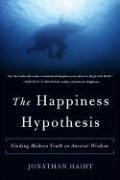
Ancient wisdom on happiness tested against modern psychology and brain research.
“Psychology professor's digestible but deep insight into how our minds work, around the topic of happiness. Great metaphor of a rider on the back of an elephant. Rider is reasoning, elephant is emotions. Rider has limited control of what the elephant does. Surprising insights into ethics and morality. See my notes for great quotes, but read the whole well-written book.” — Derek Sivers
Source: Derek Sivers book notes (primary, rated list) · Rating: 9/10
Recommended by: Andrew Wilkinson, Derek Sivers, Tony Hsieh
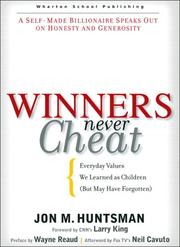
The case that business can be done ethically, without cutting corners.
Recommended by: Mohnish Pabrai
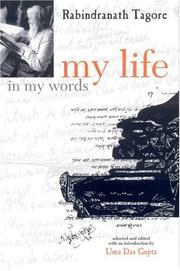
A poet's life told from his own writings: family, loss, school reform, East and West.
Recommended by: Mohnish Pabrai
Argues that string theory is not a theory at all, since it makes no predictions.
Recommended by: Eric Weinstein
Why the policies of the war on terror fall short on democracy and human rights.
Why belief in God is irrational, and the harm religion has done to society.
Recommended by: Brian Armstrong, Mohnish Pabrai and 1 other
Why warmth and kindness matter as life grows faster and more impersonal.
Recommended by: Peter Mallouk
Essays on scientists as rebels who resist the limits their cultures impose.
Recommended by: Patrick Collison
How people grasp the world through concepts, and how philosophical problems arise.
Recommended by: Patrick Collison
The political philosophy of Alexandre Kojève across his major writings.
Recommended by: Marc Andreessen
A psychiatrist's claim that the human mind is evolving toward a higher consciousness.
Recommended by: Steve Jobs
Unpublished essays and lectures on leading by serving others.
Recommended by: Mohnish Pabrai
The idea of ugliness through history, as shown in art, literature and architecture.
Recommended by: Patrick Collison

The last of a trilogy on spiritual awakening, presented as a war with oneself.
Recommended by: Naval Ravikant
A translation of the Hindu dialogue between Krishna and the warrior Arjuna.
Recommended by: Nat Eliason, Naval Ravikant

Rare, unforeseen, high-impact events drive history, explained only after the fact.
“The Black Swan U The best-known bird around today is The Black Swan, the second book from Nassim Nicolas Taleb.” — Howard Marks
Source: The Complete Collection, page 530
Recommended by: David Perell, Howard Marks, Marc Andreessen and 20 others
An artist's illustrated mix of personal story, documentary and travelogue.
“There's one called Drawings and Observations by the artist Louise Bourgeois, which is fantastic, and I've given that to so many people, as well as The Principles of Uncertainty by Maira Kalman.” — Caterina Fake
Source: The Tim Ferriss Show Transcripts: Caterina Fake (#360)
Recommended by: Caterina Fake
How meaning is possible in a material world, the problem after consciousness.
Recommended by: Patrick Collison
You are the awareness watching your thoughts and feelings, not those thoughts.
Recommended by: Claire Diaz-Ortiz, Daniel Gross, Mel Robbins and 2 others
A clearer restatement of A Treatise of Human Nature, with habit's role in knowledge.
Recommended by: Patrick Collison
Reflections on money, business and having enough, after the financial crisis.
“Legendary investor, now 80, looks back with long-view wisdom on investing, living, and giving.” — Derek Sivers
Source: Derek Sivers book notes (primary, rated list) · Rating: 3/10
Recommended by: Derek Sivers, Mr. Money Mustache
Essays by 25 experts on the gravest risks to humanity this century.
Recommended by: Nat Eliason, Patrick Collison
Essays on how far technology should be used to make better humans.
Recommended by: Patrick Collison
Moral sayings and aphorisms attributed to a Roman slave of the first century BC.
Recommended by: Nat Eliason, Ryan Holiday
Short imagined afterlives, each a different version of what follows death.
“I downloaded Sum and read it.” — Brad Feld
Source: Book: Sum: Forty Tales from the Afterlives — Feld Thoughts
Recommended by: Brad Feld, Derek Sivers, Matt Mullenweg and 1 other
Stories of forgiveness, gratitude and courage from a hospice volunteer.
Recommended by: Arianna Huffington
The values a man learned growing up in the Depression and passed to his children.
Recommended by: Mohnish Pabrai, Bill Gates
The autobiography of the philosopher and theologian Saint Augustine.
Recommended by: Patrick Collison
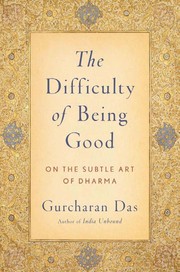
What dharma means and why be good, read through the Mahabharata.
Recommended by: Mohnish Pabrai
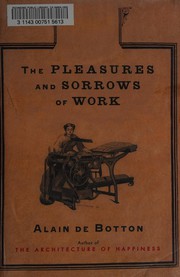
A look at modern work in its many forms, its pleasures and its pains.
“Thoughtful rambling observations on different lines of work. Personal tales of his time spent observing different industries like fishing, counseling, shipyards, or walking along electric towers. Some tangential insights along the way.” — Derek Sivers
Source: Derek Sivers book notes (primary, rated list) · Rating: 2/10
Recommended by: Andrew Wilkinson, Derek Sivers
A commencement address on living adult life with attention and compassion.
Recommended by: Nat Eliason, Julie Zhuo
About 150 thinkers on the scientific ideas they expect to change the world.
Recommended by: Patrick Collison, Eric Weinstein
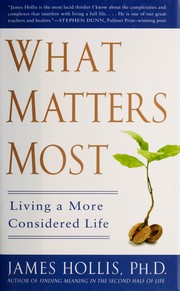
A Jungian approach to finding meaning and an authentic path.
Recommended by: Andrew Wilkinson

Montaigne's life and essays, read as answers to the question of how to live.
“I also recommend Derek's other books (How To Live is especially good).” — Andrew Wilkinson
Source: Newsletter
Recommended by: Andrew Wilkinson, Derek Sivers and 3 others
Interviews, essays and stories on spiritual enlightenment.
“Everything by Jed McKenna. Jed spits raw truth. His style may be off-putting but the dedication to truth is unparalleled.” — Naval Ravikant
Source: Naval's Recommended Reading — The Almanack of Naval Ravikant
Recommended by: Naval Ravikant
Choosing the path of greatest satisfaction over the path of least resistance.
Recommended by: Bill Gates, Mohnish Pabrai, Warren Buffett
Selections from a founding work of general semantics: language limits what we know.
Recommended by: Patrick Collison
Aphorisms stating Taleb's ideas on randomness, knowledge and modern life.
“I'm thrilled if I get a few counter-intuitive thought-provoking ideas from any source. This book is filled with his usual cocktail party sprezzatura bravado, but refreshingly succinct, minus his usual blowhard explanations of his superior scholarly approach to life.” — Derek Sivers
Source: Derek Sivers book notes (primary, rated list) · Rating: 6/10
Recommended by: Derek Sivers, Nat Eliason, Ryan Holiday and 3 others
An options trader's case against pricing derivatives by probability.
Recommended by: Nassim Nicholas Taleb
Courage, compassion and connection as choices that lead to wholehearted living.
Recommended by: Brené Brown, Melinda Gates
How science can determine human values and answer questions of morality.
Recommended by: Sophie Bakalar

Five lectures giving a compact overview of his thinking on economics and markets.
About 1,600 quotations, the most comprehensive collection of the physicist's words.
Recommended by: Warren Buffett
Why the internet has fallen short of its early promise, and how to change its design.
Recommended by: Ryan Holiday, Ev Williams
Advice on living, loving and happiness from over 1,000 older Americans.
Recommended by: Morgan Housel
A road map to a rich life of meaning and purpose beyond status and possessions.
Recommended by: Ali Abdaal
A spiritual teacher on the way out of suffering into awakening.
Recommended by: Naval Ravikant
A philosopher's reply to the argument that people cannot control the future.
Recommended by: Patrick Collison
Stories, essays and poems on living life fully, from the poet of "The Dash".
Recommended by: John Maeda
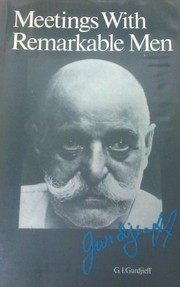
A spiritual teacher's youth and travels, told through portraits of men he met.
Recommended by: Steve Jobs
A daily devotional for men, a year-long challenge to strengthen life and faith.
Recommended by: Doug McMillon
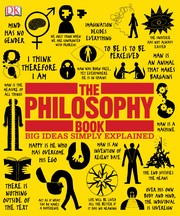
An illustrated guide to the big ideas of the great philosophers.
Recommended by: Patrick Collison

An Edwardian essay on living deliberately below one's means.
Recommended by: Morgan Housel
What a palliative-care worker learned from the regrets of the dying.
Recommended by: Mike Maples, Jr.
What the warrior's code is, where it came from and how to live by it today.
Recommended by: Patrick O'Shaughnessy
A textbook introduction to consciousness studies, worked from the ground up.
Recommended by: Nassim Nicholas Taleb
Business strategy theories applied to career, family and integrity.
“A copy of Clay Christensen’s new book How Will You Measure Your Life? ended up finding its way to me. It’s signed by Clay and his co-authors James Allworth and Karen Dillon so I assume someone sent it to me.” — Brad Feld
Source: Book: How Will You Measure Your Life? — Feld Thoughts
Recommended by: Ali Abdaal, Brad Feld, Bruce Flatt and 8 others

A philosophical look at sex and relationships.
Recommended by: Ali Abdaal, Nat Eliason
Buddhist teaching on living with uncertainty and change instead of clinging in fear.
“Everything she writes is wonderful. All a similar theme. See the other books here for other (maybe better) examples.” — Derek Sivers
Source: Derek Sivers book notes (primary, rated list) · Rating: 6/10
Recommended by: Derek Sivers, Audrey Gelman
A short case for self-acceptance and self-esteem as the base of a good life.
Recommended by: Nat Eliason, Naval Ravikant, Garry Tan and 1 other
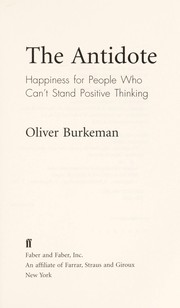
Why chasing positive thinking makes people unhappy, and the case for the negative.
“Surprisingly deep and philosophical. The first book I've read in years that makes me want to read it twice. The title and cover make it seem like light pop, but it's a wonderfully-cynical British journalist diving into Stoicism, meditation, death, etc.” — Derek Sivers
Source: Derek Sivers book notes (primary, rated list) · Rating: 8/10
Recommended by: Derek Sivers, Paul Jarvis
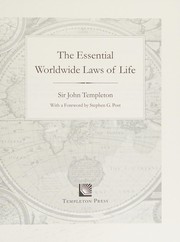
The laws of a good life that scriptures, thinkers and artists share.
“Also as we have done in the past, we will be giving you a book by Sir John Templeton: this year, ‘‘The Essential Worldwide Laws of Life’’, which has a foreword by Stephen Post, who has graciously autographed the book.” — Prem Watsa
Source: Chairman's Letter to Shareholders 2016, page 23
Recommended by: Prem Watsa
A compilation on Sri Aurobindo's epic poem Savitri and its spiritual vision.
Recommended by: Mohnish Pabrai

The best of the Dear Sugar advice columns on love, loss and life.
Recommended by: Ryan Holiday, Reese Witherspoon and 2 others
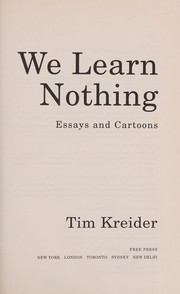
Humorous essays and cartoons on friends and American social life.
“We Learn Nothing by Tim Kreider, a dazzling collection of humor and insight, is the newest book in the Tim Ferriss Book Club. I loved this book so much that I reached out to Tim and we produced the audiobook together.” — Tim Ferriss
Source: Lazy: A Manifesto - The Blog of Author Tim Ferriss
Recommended by: Tim Ferriss, Abi Tyas Tunggal
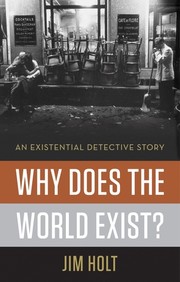
Why there is a world rather than nothing, pursued through thinkers' answers.
Recommended by: Patrick Collison

A short illustrated catalogue of common logical fallacies.
Recommended by: Shane Parrish
Why to do your important work now, before all your tomorrows run out.
“Motivating thoughts on doing your work. Your work is the expression of your priorities. “Work” = creating value where it didn't previously exist. An interesting definition of three kinds of work: mapping, making, and meshing.” — Derek Sivers
Source: Derek Sivers book notes (primary, rated list) · Rating: 6/10
Recommended by: Derek Sivers, David Kadavy
Thought experiments and other tools a philosopher uses to reason carefully.
Recommended by: Patrick Collison, Shane Parrish
The claim that the great mystery of existence is only an internal belief.
Recommended by: Naval Ravikant
A short case against all lying, white lies included.
“A tiny booklet, like a long article, about why lying is bad. Not as many insights as I expected.” — Derek Sivers
Source: Derek Sivers book notes (primary, rated list) · Rating: 3/10
Recommended by: Derek Sivers, Nat Eliason, Naval Ravikant and 4 others

The benefits and risks of human-level and superhuman artificial intelligence.
Recommended by: Elon Musk
An introduction to Girard's theory: mimetic desire, the scapegoat and the Bible.
Recommended by: Naval Ravikant
Synchronicity as an acausal connecting principle, and research on ESP.
Recommended by: Ricardo Semler
Essays on how scientific findings change our sense of our place in the cosmos.
Recommended by: David Perell, Patrick O'Shaughnessy
Alfred Adler's psychology taught through five nights of dialogue.
“This book is oddly written (it's translated from Japanese), but it changed my life.” — Andrew Wilkinson
Source: Newsletter
Recommended by: Ali Abdaal, Andrew Wilkinson, Derek Sivers and 11 others
Why setbacks are inevitable, and what people can learn from them.
Recommended by: Ray Dalio

What, if anything, entitles the state to coerce and obliges citizens to obey.
Recommended by: Patrick Collison
Sayings of the leader who took Singapore from colony to powerful city-state.
Recommended by: Mohnish Pabrai
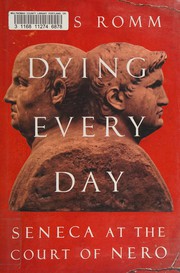
The philosopher Seneca's moral struggles at the court of Nero.
Recommended by: Nat Eliason
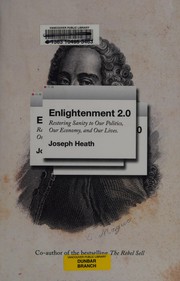
Why Western politics split between crazy and sane, and how to restore reason.
Recommended by: Patrick Collison
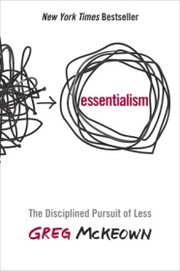
A method for finding the few activities that matter and dropping the rest.
“My favorite book of 2014. I bought it for the whole team at AppSumo.” — Noah Kagan
Source: The 25 Best Business Books I Ever Read (Out of 697)
Recommended by: Austen Allred, Matt Mullenweg, Nat Eliason and 10 others
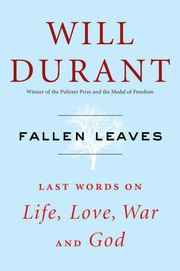
A historian's last reflections on the meaning of life, found after his death.
“a book that historian Will Durant wrote in his 90s, a summation of his thoughts on the meaning of life at the end of his” — Andrew Wilkinson
Source: Newsletter
Recommended by: Andrew Wilkinson, Derek Sivers and 2 others
What Adam Smith's other book teaches about happiness, virtue and human nature.
“Adam Smith wrote “Theory of Moral Sentiments” in the 1700s. Now Russ puts it into modern language and times. Main point is that our morality comes from imagining being judged by our fellow man.” — Derek Sivers
Source: Derek Sivers book notes (primary, rated list) · Rating: 5/10
Recommended by: Derek Sivers, Tim O’Reilly
Plato brought into today's debates on religion, morality, politics and science.
Recommended by: Patrick Collison
A biologist on why humanity exists, where it came from and where it is going.
Recommended by: David Perell, Ray Dalio
How to make sense of the daily torrent of news, and what it does to our minds.
Recommended by: Andrew Wilkinson, Antonio García Martínez
A guide to meditation as a rational practice, drawn from neuroscience and psychology.
“I think that the book I've probably, for the last few years, been giving out the most is Waking Up by Sam Harris.” — Susan Cain
Source: The Tim Ferriss Show Transcripts: Susan Cain (#357)
Recommended by: Nat Eliason, Susan Cain, Naval Ravikant and 1 other
Columns on the lessons a TV host has learned about life.
Recommended by: David Cancel, Zoë Foster Blake
How daily rituals can bring rhythm, balance and connection to life.
Recommended by: Jim Kwik
Twelve rules for living, each drawn from clinical practice, biology and myth.
“A unique thinker with strong opinions presented as indisputable fact. More surprisingly interesting ideas than almost any book I've ever read. Extremely thoughtful, but occasionally abruptly concludes with an unsupported point. It has a conservative “this is how it is” certainty. It’s a broad collection of thoughtful insights on life, mixed with a lot of Bible interpretation.” — Derek Sivers
Source: Derek Sivers book notes (primary, rated list) · Rating: 9/10
Recommended by: Derek Sivers, Guy Spier, Nat Eliason and 8 others
Whether the universe embodies beautiful ideas, from a Nobel physicist.
Recommended by: Patrick Collison
A book of quotations on courage and living.
Recommended by: Shane Parrish
Fifty-two short essays, each on one everyday word and its deeper meaning.
Recommended by: Patrick O'Shaughnessy
A collection of five or six hundred aphorisms.
Recommended by: Antonio García Martínez

Letters on how to live, a course in Stoic philosophy written to a friend.
“Seneca, translated by Robin Campbell, Letters from a Stoic (London: Penguin House, 1969), 178” — Michael Mauboussin
Source: Probabilities and Payoffs: The Practicalities and Psychology of Expected Value
Recommended by: Michael Mauboussin, Mohnish Pabrai and 5 others
Why poverty, not inequality, is the moral problem.
Recommended by: Patrick Collison, Paul Graham
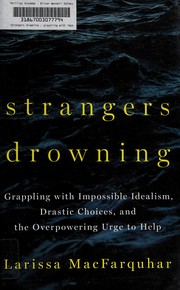
Portraits of people living lives of extreme ethical commitment to helping strangers.
“The year before, I gave a book by Larissa MacFarquhar called Strangers Drowning which is a story about people who make extraordinary moral choices like the choice to adopt 23 children and bring them into your lives, who just make crazy choices and why they make those choices.” — Nick Thompson
Source: The Tim Ferriss Show Transcripts: Nick Thompson (#311)
Recommended by: Nick Thompson, Patrick Collison
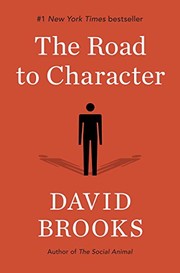
Humility, character and the virtues, and why they matter.
“It certainly was a stimulating read, and it got me thinking about my own motivations and limitations in new ways.” — Bill Gates
Source: Gates Notes review of The Road to Character
Recommended by: Bill Gates, David Perell, Mohnish Pabrai and 2 others
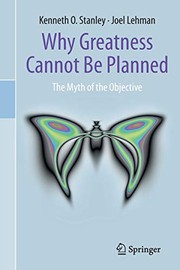
Why chasing fixed objectives stifles discovery in science, education and life.
Recommended by: Ev Williams
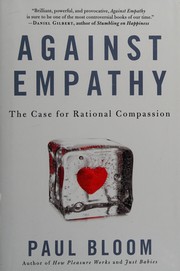
A path beyond self-help and mindfulness slogans to the ultimate truths of the mind.
“Everything by Kapil Gupta, MD. Kapil recently became a personal advisor and coach to me, and this comes from a person who doesn't believe in coaches.” — Naval Ravikant
Source: Naval's Recommended Reading — The Almanack of Naval Ravikant
Recommended by: Naval Ravikant
What a radio host learned from interviewing people on the questions of meaning.
“It's called "On Being," and has a book called Becoming Wise that covers a lot of her, kind of like a best-of almost of her work. And I would say if you're only going to [read one] in the life section, that is the one I would recommend.” — Matt Mullenweg
Recommended by: Matt Mullenweg, Shane Parrish
A Christian memoir of choosing simplicity over the race for more.
Recommended by: Paul Jarvis
The claim that the universe does not exist, and what waking from that dream means.
“Everything by Jed McKenna. Jed spits raw truth. His style may be off-putting but the dedication to truth is unparalleled.” — Naval Ravikant
Source: Naval's Recommended Reading — The Almanack of Naval Ravikant
Recommended by: Naval Ravikant
“Brilliant and profound yet totally entertaining philosophy book by one of my favorite people. Gives an approachable overview of past philosophies and shows how they apply to your life today better than the harmful pop-self-help-positivity stuff. Amazing perspectives on desires, death, relationships, anger, and how being present doesn’t matter as much as the story you tell yourself afterwards. His fun writing style isn’t reflected in my notes here. Get the book.” — Derek Sivers
Source: Derek Sivers book notes (primary, rated list) · Rating: 9/10
Recommended by: Ali Abdaal, Derek Sivers, Reese Witherspoon
Advice collected from people in business, politics, sport, art, medicine and film.
Recommended by: Richard Branson

The Japanese idea of ikigai, seen in the daily habits of the longest-living people.
Recommended by: Ryan Hoover
How to write a life plan and live an intentional life instead of drifting.
Recommended by: Mike Maples, Jr., Tony Robbins

Life is not short; people waste most of it, and how to use it well.
“But the greatest peril of misplaced worry, Seneca cautions, is that in constantly bracing for an imagined catastrophe, we keep ourselves from fully living - something on which he expounded in his most famous moral essay, On the Shortness of Life.” — Maria Popova
Source: Resolutions for a Life Worth Living: Attainable Aspirations Inspired by Great Humans of the Past
Recommended by: Jim Collins, Maria Popova, Patrick Collison and 3 others
Games please us because of their limits, and how to find play in the ordinary.
Recommended by: Stewart Butterfield
An engineer's approach to happiness: the illusions and brain flaws behind suffering.
Recommended by: Andrew Wilkinson, Peter Attia
From the origin of the universe through life and consciousness to what it all means.
Recommended by: Elon Musk, Scott Farquhar
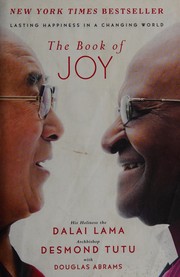
Two Nobel laureates discuss living with joy in the face of adversity.
Recommended by: David Perell, Alfred Lin
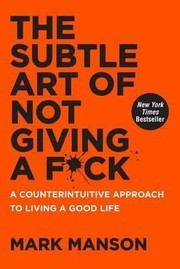
Why chasing constant positive experience backfires, and why accepting the bad helps.
Recommended by: Ran Segall, Johnnie Gomez, Matej Latin and 1 other

The history of the idea of time travel, from H. G. Wells on, in fiction and science.
Recommended by: Stewart Brand

Aphorisms on desire, ambition and failure.
“So, the book that I just finished recently, it's not a full-fledged book, so, it's real short, 300 Arguments by Sarah Manguso.” — Frank Blake
Source: The Tim Ferriss Show Transcripts: Frank Blake (#303)
Recommended by: Frank Blake
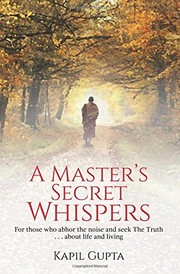
Dialogues between a master and a student on anxiety, emotional pain and success.
“Everything by Kapil Gupta, MD. Kapil recently became a personal advisor and coach to me, and this comes from a person who doesn't believe in coaches.” — Naval Ravikant
Source: Naval's Recommended Reading — The Almanack of Naval Ravikant
Recommended by: Naval Ravikant
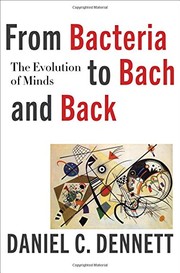
How evolution produced minds and consciousness, from bacteria to human culture.
“Another of my favorites this year.” — Vinod Khosla
Source: 2017 Book Recommendations — Vinod Khosla, Medium
Recommended by: Ray Dalio, Vinod Khosla, Esther Dyson
Essays, teachings and rants on spiritual enlightenment.
“Everything by Jed McKenna. Jed spits raw truth. His style may be off-putting but the dedication to truth is unparalleled.” — Naval Ravikant
Source: Naval's Recommended Reading — The Almanack of Naval Ravikant
Recommended by: Naval Ravikant
Reflections on death and how to live, drawn from the Bible's poetical books.
Recommended by: Brent Beshore, Chris Powers
Why we remember the past and not the future, and what time is in physics.
Recommended by: James Cameron, Josh Wolfe, Naval Ravikant
The nature of space, time and the quantum world, on the road to quantum gravity.
“This is the best book I've read in the last year. Physics, poetry, philosophy, and history packaged in a very accessible form.” — Naval Ravikant
Source: Naval's Recommended Reading — The Almanack of Naval Ravikant
Recommended by: Naval Ravikant
A grieving man walks the Camino de Santiago after scattering his father's ashes.
Recommended by: Matt Mullenweg
Eighty-one short chapters on the Tao, the founding text of Taoism.
“This existence-tissue is the central concern of Lao Tzu's Tao Te Ching (sixth century B.C.E.) - the seminal work in Taoism, the spiritual branch of Chinese philosophy that eventually evolved into Ch'an Buddhism.” — Maria Popova
Source: Awakened Cosmos: Poetry as Spiritual Practice
Recommended by: Maria Popova, Nat Eliason, David Perell and 6 others
Quotes from Munger's interviews, speeches and annual meetings, with commentary.
Recommended by: Andrew Wilkinson, Chris Powers, David Cancel
Essays on human evolution, ecology and society.
Recommended by: Arianna Huffington
Answers to life's lasting questions that reject self-help prescriptions and fixes.
“Everything by Kapil Gupta, MD. Kapil recently became a personal advisor and coach to me, and this comes from a person who doesn't believe in coaches.” — Naval Ravikant
Source: Naval's Recommended Reading — The Almanack of Naval Ravikant
Recommended by: Naval Ravikant

Short words of encouragement for the start and end of each day.
Recommended by: Arianna Huffington
Korzybski's general semantics applied to investing and clear thinking.
The second collection of talks on enlightenment, away from the things of man.
Recommended by: Naval Ravikant
A therapist's guide to answering your soul's calling in the second half of life.
“I love this line from Dr. James Hollis' incredible book (one of my favorites from the last few years)” — Andrew Wilkinson
Source: Essay
Recommended by: Andrew Wilkinson
Lectures on Proust that a Polish painter gave in a Soviet prison camp.
Recommended by: Susan J. Fowler

A Buddhist teacher on learning to love ourselves with all our imperfections.
Recommended by: Susan Cain
Why serving a larger purpose drives motivation, and how leaders create meaning.
Recommended by: Reid Hoffman
Essays on the deepest ideas of science and mathematics, from time to infinity.
Recommended by: Bryan Johnson
Why matter is conscious at all, where consciousness resides, and free will.
“The second, which is also a fairly fairly new book, is called Conscious: A Brief Guide to the Fundamental Mystery of the Mind. It's by Annaka Harris, and this is what they call the hard problem.” — Matt Mullenweg
Recommended by: Matt Mullenweg
Why people feel hopeless at a time of material plenty: a book about hope.
“Yesterday, I started my day by finishing A People’s History of American Empire: The American Empire Project, A Graphic Adaptation and ended my day by finishing Everything Is F*cked: A Book About Hope. In between Amy took me to see John Wick: Chapter 3 – Parabellum (or maybe I took her to see it.) All three experiences were satisfactory.” — Brad Feld
Source: Book: Everything Is Fucked — Feld Thoughts
Recommended by: Andrew Wilkinson, Brad Feld
Selections from On Anger: how to control anger in life and politics.
Recommended by: Ryan Holiday
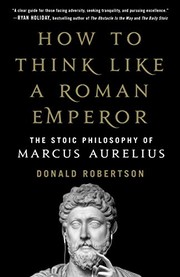
Marcus Aurelius's life and the Stoic philosophy of his Meditations.
Recommended by: Patrick Bet-David, Ryan Holiday

A financier and philanthropist's essays in defence of open society and democracy.

Short remarks on art, ethics, literature and science from his notebooks.
Recommended by: Nat Eliason, Ed Cooke
The rationalists around LessWrong and their fear of artificial intelligence risk.
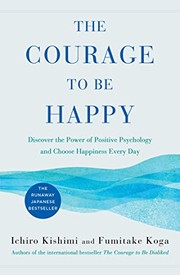
A dialogue between a philosopher and a young man on how to live a happy life.
“The sequel to the great “Courage to be Disliked”. The philosophy of Alfred Adler, on education, self-reliance, coming to terms with your past, focusing on solutions instead of problems, and active loving. Be warned, the format is strange: a dialog between an angry youth and calm philosopher. You can skim over what the youth says, since it's just angry objections.” — Derek Sivers
Source: Derek Sivers book notes (primary, rated list) · Rating: 7/10
Recommended by: Derek Sivers, Ryan Hoover

A guide to finding your purpose and honouring your calling.
Recommended by: Arianna Huffington
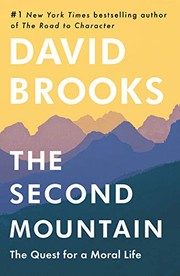
The four commitments to family, vocation, faith and community that give life meaning.
Recommended by: Ryan Holiday
Why to spend and live fully while alive, rather than die with money unspent.
Recommended by: Ali Abdaal, Nat Eliason, James Altucher
Naval Ravikant's ideas on building wealth and being happy, gathered from his talks.
Recommended by: Balaji S. Srinivasan, Nat Eliason and 9 others
A monk's answers to questions of pain, loss, death and the uncertainty of life.
Recommended by: Library Mindset
Lectures a psychiatrist gave months after leaving the Nazi camps, on finding hope.
Recommended by: Ryan Holiday
Twelve more rules for balancing order and chaos in modern life.
“Deep philosophy. Interesting voice. Great uncommon insights. Jungian. Brings almost any topic back to stories. Story of Pinnochio, stories in the Bible, story of your life. Stresses the importance of convention and social norms. 1st chapter had me talking about this book with friends immediately, loving it. 2nd chapter onwards, it was a tougher read. Needs a ruthless editor.” — Derek Sivers
Source: Derek Sivers book notes (primary, rated list) · Rating: 7/10
Recommended by: Derek Sivers, Naval Ravikant

Short pieces giving conflicting philosophies of how to live.
“I also recommend Derek's other books (How To Live is especially good).” — Andrew Wilkinson
Source: Newsletter
Recommended by: Andrew Wilkinson
52 essays, one a week, that apply Nietzsche's ideas to entrepreneurship.
A four-stage path to integrity as the cure for psychological suffering.
Recommended by: Melinda Gates
Rene Girard's theory that people imitate each other's desires, applied to business.
“Pop explanation of René Girard’s anthropology of mimetic theory. We all imitate, but are rarely aware of it. Many relatable examples, though not a clear takeaway.” — Derek Sivers
Source: Derek Sivers book notes (primary, rated list) · Rating: 7/10
Recommended by: Derek Sivers, Andrew Wilkinson and 4 others
How to find time for creative work in the scattered minutes of a day.
Recommended by: Ali Abdaal
Tools for steadying oneself through change and uncertainty.
Recommended by: Michelle Obama
A new story for work and life, beyond the default career path.
Recommended by: Ali Abdaal
A neurobiologist's case that free will does not exist, and what follows for morality.
“See Robert M. Sapolsky, Determined: A Science of Life Without Free Will (New York: Penguin Press, 2023), 154-202” — Michael Mauboussin
Source: Pattern Recognition: Opportunities and Limits, page 12
Recommended by: Andrew Wilkinson, Michael Mauboussin
Reframing beliefs by whether they are useful, not whether they are true.
“Derek is one of my favorite writers, and his latest book is focused on a simple idea: our beliefs are often not necessarily true, but simply useful to us. That beliefs are tools, not truths.” — Andrew Wilkinson
Source: Newsletter
Recommended by: Andrew Wilkinson
A system for designing a fulfilling life around five types of wealth.
Recommended by: Bill Ackman
A classic Japanese text on the arts of confrontation and victory.
Recommended by: Nat Eliason, Ryan Holiday, Naval Ravikant and 1 other
An essay arguing that technology solves humanity's problems and must be sped up.
A philosophy of time for mortals, and how to make the most of a finite life.
Recommended by: Matt Mullenweg
A day-by-day collection of thoughts on how to live a worthwhile life.
Recommended by: Alex and Books
An introduction for lay readers to the concepts and uses of probability theory.
Recommended by: Patrick Collison
Antifragility, the opposite of fragility, in things that gain from disorder.
Recommended by: Patrick Collison
Aphorisms from the emperor's speeches, collected by Balzac in four themes.
Recommended by: Nat Eliason
Recommended by: Mohnish Pabrai
Surviving fragments of a lost ancient treatise, On Nature, in free verse.
Recommended by: Ryan Holiday
How to guard against beliefs that a changing world has made obsolete.
Recommended by: Patrick O'Shaughnessy
An essay on Japanese aesthetics through light and shadow, from buildings to food.
“But it's something you could read in an afternoon really easily. It's called In Praise of Shadows.” — Tim Ferriss
Source: The Tim Ferriss Show Transcripts: Gretchen Rubin (#290)
Recommended by: Tim Ferriss, Jason Fried
Recommended by: Mohnish Pabrai
A father's letters to his son on becoming a man of the world and a gentleman.
Recommended by: Ryan Holiday
Controversies in feminist social ethics, and how rich and complex the field is.
Recommended by: Diana Kimball

Essays on every kind of subject that, above all, examine human nature honestly.
Recommended by: Patrick Collison
The causes, kinds and cures of anger, which reason alone can restrain.
Recommended by: Ryan Holiday
Examples of people who turned their concern for the world into their work.
Recommended by: Richard Branson
Meditations and exercises for quieting thought and living in the present moment.
“The best way I've found to deal with the daily anxiety of running a business is to focus on the "Now.” — David Cancel
Source: The Books Every Startup CEO Should Read — David Cancel, Medium
Recommended by: David Cancel

Sayings and ideas attributed to Confucius and his followers.
Recommended by: Nat Eliason
A practical guide to the meditation techniques of Tantra.
“If you want to run through a bunch of them, you can pick up pick up a book called The Book of Secrets by Osho.” — Naval Ravikant
Source: Naval's Recommended Reading — The Almanack of Naval Ravikant
Recommended by: Naval Ravikant
Walden, Civil Disobedience, the travel books, poems and essays in one volume.
Recommended by: Ricardo Semler
A new translation of the Meditations, by an emperor who ruled Rome at its height.
Recommended by: Mohnish Pabrai
Interviews with leading scientists on whether science is reaching its limits.
Recommended by: Bryan Johnson
Essays on thinking for yourself, on writing and style, and on reading and books.
Recommended by: Patrick O'Shaughnessy
The philosopher's most personal book, of aphorisms and songs.
Recommended by: Naval Ravikant
A defence of economic freedom, drawing on evolution, play and free societies.
Recommended by: Vlad Zamfir
The mind-body problem from Descartes to today, and a case for neutral monism.
Recommended by: Patrick Collison, Mario Gabriele
A study of the good for human life and how best to live, in ten books.
Recommended by: Nat Eliason
What justice is, answered by building an ideal city in dialogue.
“My theme goes back to the words of two ancient Greek philosophers: a few fragments of the writings of Archilocus, set down around 670 BC; and a portion of Plato’s enduring classic, The Republic, written in about 370 BC.” — John C. Bogle
Source: The Fox, The Hedgehog, and The Cave, page 2
Recommended by: John C. Bogle, Patrick Collison, Li Lu and 5 others
Thirty-one meditations on seeing clearly as the root of love.
Recommended by: Tim Ferriss, Justin Kan, Naval Ravikant
Lessons from extraordinary lives on life's ultimate questions.
Recommended by: Mike Cannon-Brookes
A blog arguing that American democracy has failed and needs an accountable monarch.
Recommended by: Balaji S. Srinivasan
Interviews with 65 actors, athletes, leaders and others on what life has taught them.
Recommended by: Zoë Foster Blake
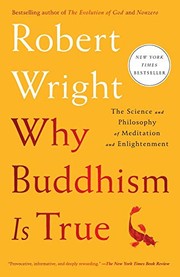
How the mind deludes us, and how Buddhist meditation helps us see the world clearly.
Recommended by: Matt Mullenweg, Nick Thompson, Kevin Rose and 1 other
 George Soroswrote 4 books here
 Ryan Holidaywrote 4 books here
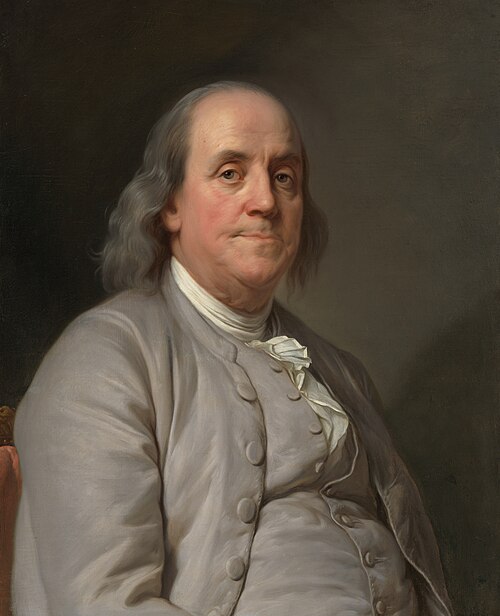 Benjamin Franklinwrote 4 books here
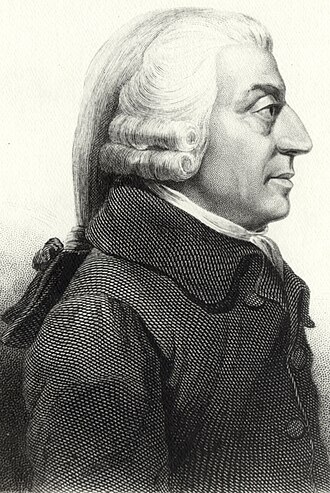 Adam Smithwrote 3 books here
 Nassim Nicholas Talebwrote 2 books here
 Kevin Kellywrote 2 books here
 David Brookswrote 2 books here
 Derek Siverswrote 2 books here
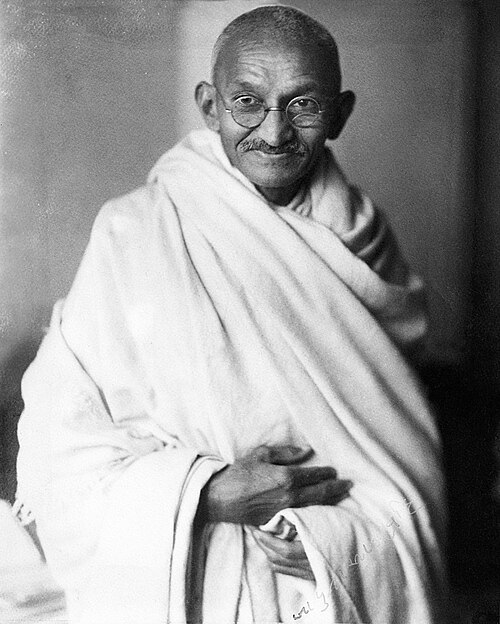 Mahatma Gandhiwrote 2 books here
 Oprah Winfreywrote 2 books here
 Clayton Christensenwrote 1 book here
 John C. Boglewrote 1 book here
Show all 31
 Marc Andreessenwrote 1 book here
 Paul Grahamwrote 1 book here
 Peter F. Druckerwrote 1 book here
 Brad Feldwrote 1 book here
 Matt Ridleywrote 1 book here
 Stephen Coveywrote 1 book here
 Tyler Cowenwrote 1 book here
 Emanuel Dermanwrote 1 book here
 Guy Kawasakiwrote 1 book here
 Guy Spierwrote 1 book here
 Brené Brownwrote 1 book here
 James Allworthwrote 1 book here
 Michelle Obamawrote 1 book here
 Stewart Brandwrote 1 book here
 Mohnish Pabrairecommends 108 books here
 Patrick Collisonrecommends 78 books here
 Naval Ravikantrecommends 69 books here
 Nat Eliasonrecommends 58 books hereDerek Siversrecommends 44 books hereRyan Holidayrecommends 29 books here
 Tim Ferrissrecommends 28 books hereMarc Andreessenrecommends 27 books here
 Matt Mullenwegrecommends 20 books hereNassim Nicholas Talebrecommends 17 books here
Show all 218
Stewart Brandrecommends 17 books here Peter Thielrecommends 15 books here
 Ev Williamsrecommends 13 books here
 Ray Daliorecommends 12 books here
 Jim Collinsrecommends 10 books hereBrad Feldrecommends 10 books here
 Michael Mauboussinrecommends 9 books herePaul Grahamrecommends 8 books here
 Bill Gatesrecommends 7 books here
 Eric Weinsteinrecommends 7 books here
 Sam Altmanrecommends 7 books here
 Antonio García Martínezrecommends 6 books here
 Arianna Huffingtonrecommends 6 books here
 Maria Popovarecommends 6 books here
 Mark Zuckerbergrecommends 6 books here
 Mike Maples, Jr.recommends 6 books here
 Richard Bransonrecommends 6 books here
 Steve Jobsrecommends 6 books here
 Zoë Foster Blakerecommends 6 books here
 Simon Sinekrecommends 5 books here
 Bryan Johnsonrecommends 5 books here
 David Cancelrecommends 5 books here
 Ran Segallrecommends 5 books here
 Susan J. Fowlerrecommends 5 books here
 Tim O’Reillyrecommends 5 books here
 Vinod Khoslarecommends 5 books here
 Charlie Mungerrecommends 4 books hereKevin Kellyrecommends 4 books here
 Reid Hoffmanrecommends 4 books here
 Abi Tyas Tunggalrecommends 4 books here
 Alfred Linrecommends 4 books here
 Ana Fabregarecommends 4 books here
 Bret Victorrecommends 4 books here
 Brian Armstrongrecommends 4 books here
 Elon Muskrecommends 4 books here
 James Altucherrecommends 4 books here
 Melinda Gatesrecommends 4 books here
 Niki Scevakrecommends 4 books here
 Tony Robbinsrecommends 4 books here
 Tristan Harrisrecommends 4 books hereJohn C. Boglerecommends 3 books here
 Warren Buffettrecommends 3 books here
 Morgan Houselrecommends 3 books hereGuy Spierrecommends 3 books here
 Anthony Pomplianorecommends 3 books here
 Audrey Gelmanrecommends 3 books here
 Balaji S. Srinivasanrecommends 3 books here
 Codie Sanchezrecommends 3 books here
 David Kadavyrecommends 3 books here
 Ed Cookerecommends 3 books here
 Garry Tanrecommends 3 books here
 James Cameronrecommends 3 books here
 John Maedarecommends 3 books here
 Jordan Hughesrecommends 3 books here
 Julie Zhuorecommends 3 books here
 Justin Kanrecommends 3 books here
 Keith Raboisrecommends 3 books here
 Nir Eyalrecommends 3 books here
 Peter Attiarecommends 3 books here
 Peter Malloukrecommends 3 books here
 Raoul Palrecommends 3 books here
 Scott Farquharrecommends 3 books here
 Terrance McArthurrecommends 3 books here
 Tobi Lütkerecommends 3 books here
 Tom Bilyeurecommends 3 books here
 Trevor Ncuberecommends 3 books here
 Chris Andersonrecommends 2 books here
 David Heinemeier Hanssonrecommends 2 books hereBrené Brownrecommends 2 books here
 Chade-Meng Tanrecommends 2 books here
 Charles Kochrecommends 2 books here
 Chris Saccarecommends 2 books here
 Daniel Burkarecommends 2 books here
 Daniel Ekrecommends 2 books here
 Daniel Grossrecommends 2 books here
 Demis Hassabisrecommends 2 books here
 Dustin Moskovitzrecommends 2 books here
 Fred Wilsonrecommends 2 books here
 George Hatzisrecommends 2 books here
 Graham Duncanrecommends 2 books here
 Jack Dorseyrecommends 2 books here
 Jane McGonigalrecommends 2 books here
 Josh Wolferecommends 2 books here
 Kevin Roserecommends 2 books here
 Mark Cubanrecommends 2 books here
 Matej Latinrecommends 2 books here
 Mel Robbinsrecommends 2 books here
 Michael Batkorecommends 2 books here
 Nathan Murphyrecommends 2 books here
 Nick Huberrecommends 2 books hereOprah Winfreyrecommends 2 books here
 Patrick Bet-Davidrecommends 2 books here
 Paul Jarvisrecommends 2 books here
 Phil Libinrecommends 2 books here
 Reese Witherspoonrecommends 2 books here
 Ryan Petersenrecommends 2 books here
 Sheryl Sandbergrecommends 2 books here
 Steve Jurvetsonrecommends 2 books here
 Stewart Butterfieldrecommends 2 books here
 Susan Cainrecommends 2 books here
 Tony Hsiehrecommends 2 books here
 Travis Kalanickrecommends 2 books here
 Vlad Tenevrecommends 2 books here
 Howard Marksrecommends 1 book here
 Bruce Flattrecommends 1 book here
 David Einhornrecommends 1 book here
 James P. O'Shaughnessyrecommends 1 book here
 Jason Zweigrecommends 1 book here
 Prem Watsarecommends 1 book hereTyler Cowenrecommends 1 book here
 William Ackmanrecommends 1 book here
 Albert Wengerrecommends 1 book here
 Ann Handleyrecommends 1 book here
 Ann Miura-Korecommends 1 book here
 Blake Mycoskierecommends 1 book here
 Bob Metcalferecommends 1 book here
 Brett Adcockrecommends 1 book here
 Brian Cheskyrecommends 1 book here
 Cal Newportrecommends 1 book here
 Casey Neistatrecommends 1 book here
 Caterina Fakerecommends 1 book here
 Chamath Palihapitiyarecommends 1 book here
 Changpeng Zhaorecommends 1 book here
 Claire Diaz-Ortizrecommends 1 book here
 Craig Blairrecommends 1 book here
 Daniel Petrerecommends 1 book here
 Delian Asparouhovrecommends 1 book here
 Diana Kimballrecommends 1 book here
 Doug McMillonrecommends 1 book here
 Drew Houstonrecommends 1 book here
 Esther Dysonrecommends 1 book here
 Gaby Goldbergrecommends 1 book here
 Jack Marecommends 1 book here
 Jackie Vullinghsrecommends 1 book hereJames Allworthrecommends 1 book here
 Jamie Dimonrecommends 1 book here
 Jason Calacanisrecommends 1 book here
 Jeff Bezosrecommends 1 book here
 Jerry Colonnarecommends 1 book here
 John D Saundersrecommends 1 book here
 Johnnie Gomezrecommends 1 book here
 Kara Swisherrecommends 1 book here
 Kevin Systromrecommends 1 book here
 Larry Ellisonrecommends 1 book here
 Larry Pagerecommends 1 book here
 Laura R Walkerrecommends 1 book here
 Melanie Perkinsrecommends 1 book here
 Michael Bloombergrecommends 1 book hereMichelle Obamarecommends 1 book here
 Mike Cannon-Brookesrecommends 1 book here
 Nate O'Brienrecommends 1 book here
 Noah Kaganrecommends 1 book here
 Paul Bassatrecommends 1 book here
 Peter Diamandisrecommends 1 book here
 Rana el Kalioubyrecommends 1 book here
 Ruslan Koganrecommends 1 book here
 Scott Belskyrecommends 1 book here
 Sophia Amorusorecommends 1 book here
 Stanley McChrystalrecommends 1 book here
 Tim Cookrecommends 1 book here
 Vlad Magdalinrecommends 1 book here