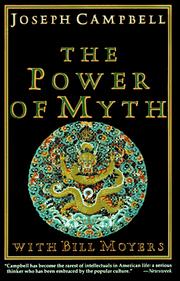
The Power of Myth
Conversations on the myths that cultures share and the stories they tell themselves.
Campbell on the recurring stories cultures tell themselves
Summary
The book transcribes six conversations between Campbell and Bill Moyers, filmed at Skywalker Ranch and broadcast in 1988 after Campbell's death. It is the most accessible statement of Campbell's comparative mythology and covers the hero's journey, myth as a psychological rather than historical account, ritual, sacrifice, love and the mythology available to a modern society.
The hero's journey, which Campbell set out in The Hero with a Thousand Faces, describes a pattern he identified across cultures: a call to adventure, refusal of the call, meeting a mentor, crossing a threshold, trials, a supreme ordeal, the seizing of a reward, and return with something that benefits the community. Campbell argues that the pattern recurs because it describes psychological development rather than because the stories were transmitted between cultures.
His best-known instruction, follow your bliss, is more specific than its popular use suggests. Campbell means locating the activity in which a person loses their sense of self, and he later expressed regret that people had heard it as follow your whims. Other material covers myth as a set of functions, which he identifies as mystical, cosmological, sociological and pedagogical; the argument that modern societies lack a functioning mythology and that this produces disorientation; and the reading of religious narratives as psychological metaphor rather than historical claim.
Academic folklorists and anthropologists have criticised the monomyth heavily, arguing that Campbell selected material to fit and flattened the differences between traditions. The direct influence on Lucas and on subsequent screenwriting has made the framework self-fulfilling in commercial storytelling. Its business use is in narrative construction rather than in anything Campbell intended.
Key takeaways 8
- A recurring narrative pattern appears across cultures in which a protagonist leaves the ordinary, undergoes trials, and returns changed with something for the community.
- Campbell argues the pattern recurs because it describes psychological development rather than because stories were transmitted between cultures.
- Myths are psychological accounts rather than historical claims, and reading them as history removes what they were for.
- Following your bliss means locating the activity in which you lose the sense of yourself, not pursuing whatever appeals in the moment.
- Myth serves four functions, which are inducing awe, explaining the shape of the world, supporting a social order and guiding individual development.
- Modern societies lack a functioning shared mythology, which Campbell argues produces disorientation that individual belief cannot resolve.
- The refusal of the call is a standard part of the pattern, which means resistance to a change is part of the process rather than evidence against it.
- Academic folklorists reject the monomyth as selective, and its influence on screenwriting has made it partly self-fulfilling in commercial narrative.
Who should read it
Founders and marketers constructing narratives, and readers wanting the accessible version of Campbell's comparative framework with its academic status understood.
Who recommended it 6 · 2 direct
Similar books 6
Chosen by shared topics, the entries that hold them, and the people who recommended both.
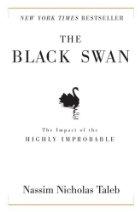
Rare, unforeseen, high-impact events drive history, explained only after the fact.
“The Black Swan U The best-known bird around today is The Black Swan, the second book from Nassim Nicolas Taleb.” — Howard Marks
Source: The Complete Collection, page 530
Recommended by: David Perell, Howard Marks, Marc Andreessen and 20 others
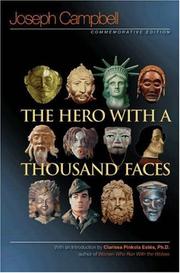
The one pattern of the hero's journey that runs through myths across cultures.
Recommended by: Nat Eliason, Patrick O'Shaughnessy and 2 others
Why people mistake luck for skill, above all in markets.
“Fooled By Randomness was unquestionably the best non-fiction book I read in 2005.” — Brad Feld
Source: Book Review: Fooled By Randomness — Feld Thoughts
Recommended by: Barton Biggs, Brad Feld, Derek Sivers and 15 others
Why belief in God is irrational, and the harm religion has done to society.
Recommended by: Brian Armstrong, Mohnish Pabrai and 1 other
Tales from East and West of the soul's conflict with evil, and their symbols.
Recommended by: Stewart Brand