
Religion and Spirituality
Scripture, theology, comparative religion, meditation, Buddhism, Vedanta and the contemplative and non-dual traditions. Read by practitioners and by readers exploring belief and inner experience.
Start here
- OrthodoxyG. K. Chesterton, 1908
- Things Hidden Since the Foundation of the WorldRene Girard, 1978
- The Power of MythJoseph Campbell, Bill Moyers, 1988
- To Serve God and Wal-MartBethany Moreton, 2009
- Islam, Authoritarianism, and UnderdevelopmentAhmet T. Kuru, 2019

How a search for a philosophy of his own led him to Christian theology.
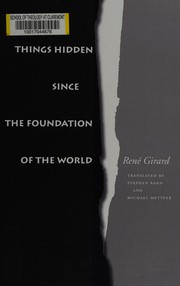
Mimetic rivalry, where rivals grow alike, and the violence it unleashes in societies.
Recommended by: Patrick Collison, Eric Weinstein and 1 other
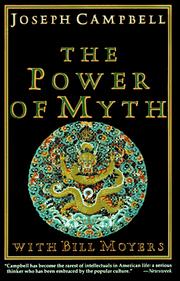
Conversations on the myths that cultures share and the stories they tell themselves.
Recommended by: Jim Collins, Nat Eliason, David Perell and 3 others

How Wal-Mart's culture and labour model were built.
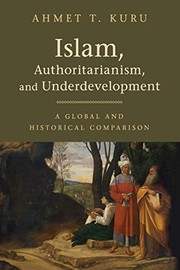
Why Muslim-majority countries lag: an old alliance of clerics and military states.

Philosophical fragments of an unfinished defence of the Christian religion.
Recommended by: Mohnish Pabrai
A seventeenth-century treatise on governing one's speech.
Recommended by: Paul Graham
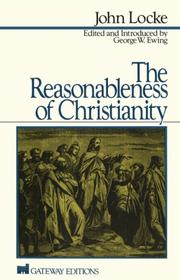
A rational, empirical, non-dogmatic reading of the Gospels.
“It was John Locke, in The Reasonableness of Christianity, said that Christ obviously had to mislead people, since if he had not done so, the authorities might have tried to kill him.” — Peter Thiel
Recommended by: Peter Thiel
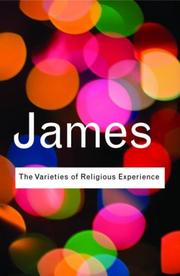
A study of religious experience through vivid first-hand accounts.
Recommended by: Mark Zuckerberg

A method for turning thought into material wealth.
Recommended by: Nat Eliason

A poet's labyrinthine study drawn from his vast reading and curious research.
“The White Goddess, which is a very meaningful book by Robert Graves, which is about poetry and its sources.” — Caterina Fake
Source: The Tim Ferriss Show Transcripts: Caterina Fake (#360)
Recommended by: Caterina Fake
A theory of spiritual evolution toward a supramental being and a divine life.
Recommended by: Mohnish Pabrai
A translation of the Tao Te Ching, on poise, serenity and the futility of ego.
Recommended by: Tim O’Reilly
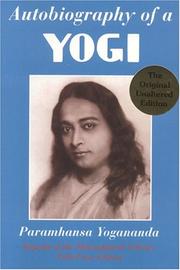
A yogi's search for a guru, and his meetings with spiritual leaders and scientists.
Recommended by: Mohnish Pabrai, Marc Benioff, Sahil Lavingia and 1 other
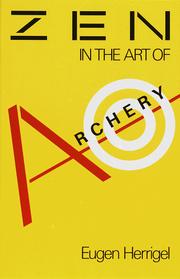
A professor's six-year study of archery under a Japanese Zen master.
Recommended by: Adam Robinson
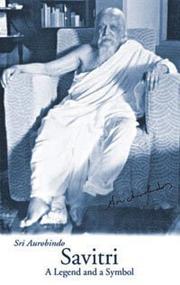
An epic spiritual poem on mankind's destiny and the evolution of consciousness.
Recommended by: Mohnish Pabrai
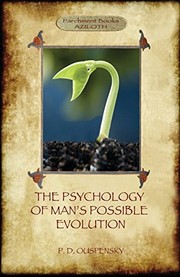
How a person must work on knowledge and being together to find inner unity.
Recommended by: Shane Parrish
Essays on the twelve steps and traditions by which AA members recover.
Recommended by: Guy Spier
How religion shaped the oldest laws and institutions of Greece and Rome.
“The single best book I have found on who we are and how we got here: The Ancient City by Numa Denis Fustel De Coulanges” — Marc Andreessen
Source: What I've Been Up To Lately — Marc Andreessen, a16z.com
Recommended by: Marc Andreessen

Social scientists observe a group whose prophecy of the world's end fails.
Recommended by: David Heinemeier Hansson
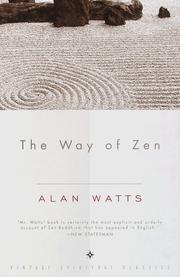
An introduction to Zen, its Buddhist and Taoist origins and its principles.
Recommended by: Nat Eliason, Naval Ravikant

Freedom from the fears of the known and the unknown that hold a person back.
Recommended by: Mohnish Pabrai, Naval Ravikant
The basic principles of Buddhist doctrine drawn from the original Pali texts.
Recommended by: Chade-Meng Tan
Changes of consciousness under "mystic drugs" and what they reveal.
Recommended by: Ed Cooke, Naval Ravikant
A critique of the philosophies behind American education.
Recommended by: Peter Thiel
A public figure's private record of his spiritual life, published after his death.
Recommended by: Kara Swisher
On how to live, on culture and on ethics.
“Yeah, I actually don't recommend starting with Krishnamurti; he's a tough one, but if you're going to start somewhere, I started with this book called Think on These Things.” — Naval Ravikant
Recommended by: Mohnish Pabrai, Naval Ravikant
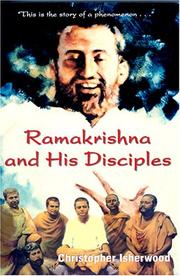
The life and spiritual attainment of Ramakrishna in a temple near Calcutta.
Recommended by: Steve Jobs
A standard textbook of the elements of New Testament Greek.
Recommended by: Susan J. Fowler
The legend of the Holy Grail and what it reveals about the psyche.
Recommended by: Guy Spier
Zen Buddhist teaching on meditation and Soto Zen practice.
Recommended by: Nat Eliason, Patrick Collison, Kevin Rose and 1 other
A book on spirituality, yoga and meditation that spread Eastern practice in the West.
Recommended by: Steve Jobs
A man's life among an Amazon tribe and their use of ayahuasca.
Recommended by: Tim Ferriss
Buddhist teaching on how the spiritual path can turn into ego and materialism.
Recommended by: Steve Jobs

Western and Eastern models of the mind compared on ego, instinct and consciousness.
Recommended by: Mohnish Pabrai
Forty-four ecstatic poems of the Indian mystic poet in English versions.
Recommended by: Tim O’Reilly
281 Zen koans with the answers, once kept secret, passed from master to novice.
Recommended by: Kevin Kelly
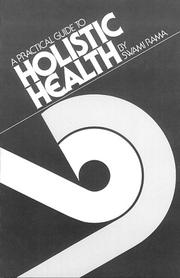
A guide to holistic health through yoga, Ayurveda and self-care.
Recommended by: Mohnish Pabrai
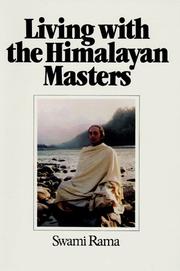
A yogi's story of growing up among Himalayan sages and what they taught him.
Recommended by: Mohnish Pabrai
Recommended by: Marc Andreessen
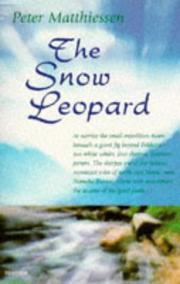
A search for the snow leopard in Nepal that is also a search for inner meaning.
Recommended by: Patrick O'Shaughnessy
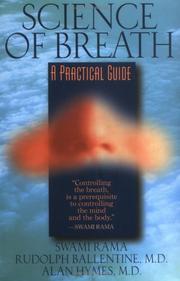
Breath as the link between body and mind, with basic yogic breathing techniques.
Recommended by: Mohnish Pabrai

Hindu teaching on death and whether it is real.
Recommended by: Mohnish Pabrai
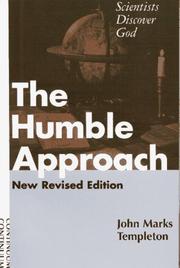
The case, from leading scientists' writings, that science points toward God.
Recommended by: Mohnish Pabrai
The yoga aphorisms with Vyasa's commentary, translated and annotated for practice.
Recommended by: Mohnish Pabrai
Discourses in answer to questions about the inner life, from God to freedom.
Recommended by: Naval Ravikant
Recommended by: Mohnish Pabrai

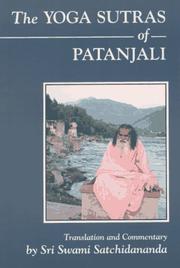
A translation of and commentary on Patanjali's Yoga Sutras.
Recommended by: Jack Dorsey, Naval Ravikant
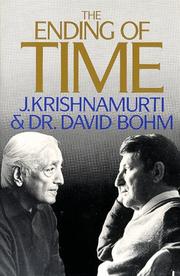
Dialogues between a spiritual teacher and the physicist David Bohm on thought.
Recommended by: Mohnish Pabrai
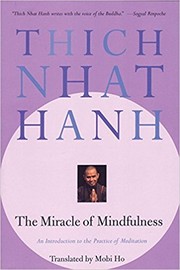
Exercises for being fully aware in everyday tasks such as washing the dishes.
Recommended by: Kevin Rose
A translation of the Upanishads, the classic texts of Indian spirituality.
Recommended by: Patrick O'Shaughnessy, Caterina Fake
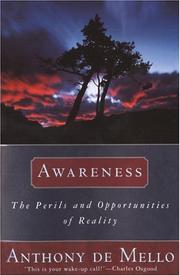
Transcribed talks that treat spirituality as waking up.
“Start with Anthony de Mello's A Way to Love or his book Awareness. They're both really good, but there's a ton of them.” — Naval Ravikant
Recommended by: Matt Mullenweg, Naval Ravikant and 3 others
Conversations and speeches on a mythologist's life and thinking.
Recommended by: Nat Eliason, Reid Hoffman, Ray Dalio
Recommended by: Mohnish Pabrai
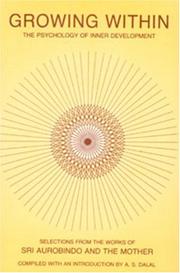
Compiled passages on conscious evolution and the psychology of inner growth.
Recommended by: Mohnish Pabrai
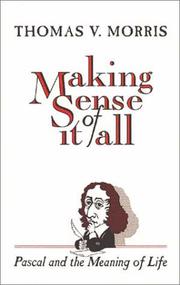
A philosopher on life, death, faith and religion, for sceptics and believers.
Recommended by: Mohnish Pabrai
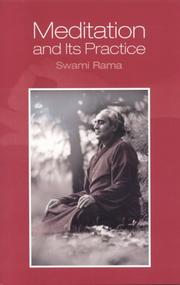
The basics of meditation: posture, breathing, relaxation and using a mantra.
Recommended by: Mohnish Pabrai
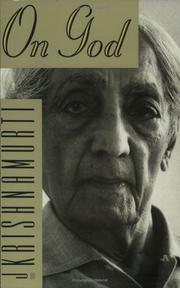
Talks and writings on religion and the search for the sacred.
Recommended by: Mohnish Pabrai
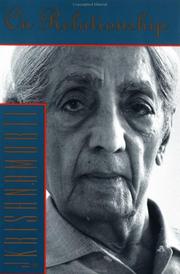
Talks and writings on relationship as a basis for solving the world's crises.
Recommended by: Mohnish Pabrai
Tibetan teachings on dying, and the healing in seeing death as part of life.
Recommended by: Catriona Wallace
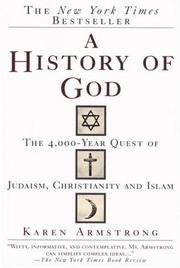
How the idea of God developed across human history.
Recommended by: Daniel Petre, Li Lu
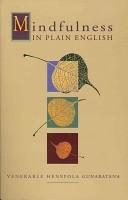
A step-by-step guide to mindfulness meditation for beginners.
“Thoughts and instruction on Vipassana meditation, explained clearly.” — Derek Sivers
Source: Derek Sivers book notes (primary, rated list) · Rating: 5/10
Recommended by: Derek Sivers, Shane Parrish, Vinod Khosla

A novel of an adventure in pursuit of a spiritual mystery and its predictions.
Recommended by: Mohnish Pabrai, Nat Eliason
A sage's teaching to Rama, told in tales, on ending conditioning to reach liberation.
Recommended by: Naval Ravikant
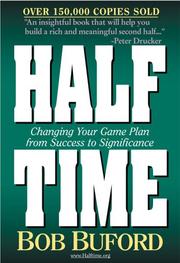
A Christian guide to moving from success to significance in midlife.
Recommended by: Mohnish Pabrai, Alfred Lin
Talks on how fear and dependence shape lives and keep people from seeing themselves.
Recommended by: Mohnish Pabrai
Talks on intimate relationships, isolation and self-knowledge, and facing loneliness.
Recommended by: Mohnish Pabrai
Seven principles, based on natural laws, for success in every area of life.
Recommended by: Mohnish Pabrai
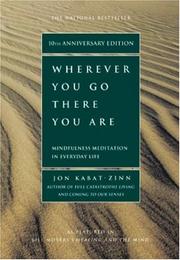
A simple path to cultivating mindfulness meditation in everyday life.
Recommended by: Tristan Harris
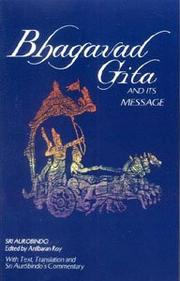
A commentary on the Bhagavad Gita and its message.
Recommended by: Mohnish Pabrai
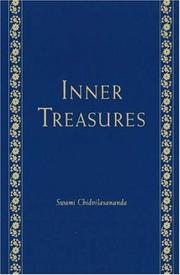
Four talks on cultivating love, joy and peace in daily life.
Recommended by: Mohnish Pabrai
Eight edited lectures that introduce a philosopher's wit and wisdom.
Recommended by: Naval Ravikant
Daily meditations on the spiritual life, one for each day of the year.
Recommended by: Mohnish Pabrai, Naval Ravikant
Poems of a scholar changed by meeting the wandering dervish Shams of Tabriz.
Recommended by: Adam Robinson, Kevin Kelly, Tim O’Reilly
A step-by-step sequence for building a personal yoga practice adapted to you.
Recommended by: Naval Ravikant
A rabbi's wisdom on every part of life, for secular and religious readers.
Recommended by: Mohnish Pabrai
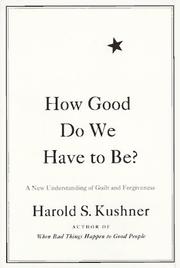
Why God does not need people to be perfect, and how to forgive oneself.
Recommended by: Mohnish Pabrai
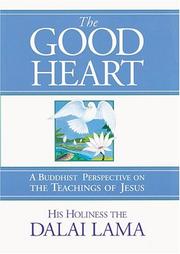
A Buddhist leader's dialogue with Christians, held at a seminar on meditation.
Recommended by: Marc Benioff
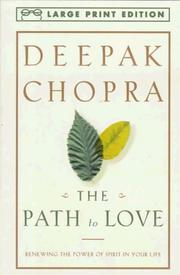
Why love so often falls short of filling a deep need, and how to find it.
Recommended by: Naval Ravikant
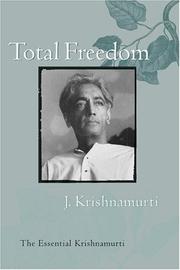
A spiritual thinker's essential writings and talks in one volume.
“I like this for someone who's more advanced. A rationalist's guide to the perils of the human mind. The "spiritual" book I keep returning to.” — Naval Ravikant
Source: Naval's Recommended Reading — The Almanack of Naval Ravikant
Recommended by: Naval Ravikant
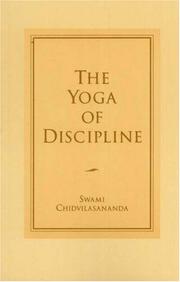
Fourteen talks on cultivating discipline of the senses on the Siddha Yoga path.
Recommended by: Mohnish Pabrai
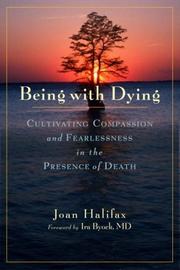
A Zen teacher on helping the dying and their carers face death with compassion.
Recommended by: Arianna Huffington
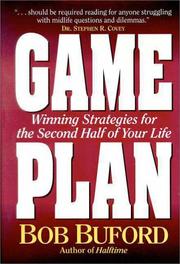
A Christian plan for success and life in middle age.
Recommended by: Mohnish Pabrai

A code of conduct drawn from Toltec wisdom for ending self-limiting beliefs.
“Hm. I liked it the first time I read it in 2006. This time? Seems like a lot of generic blah blah, trying to declare it to be deep and powerful by calling it Ancient Toltec Wisdom™.” — Derek Sivers
Source: Derek Sivers book notes (primary, rated list) · Rating: 2/10
Recommended by: Derek Sivers, Jack Dorsey, Nate O'Brien and 1 other
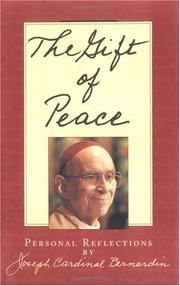
A cardinal's reflections in his final months, after false accusation and illness.
Recommended by: Mohnish Pabrai
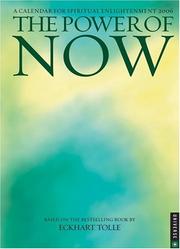
Suffering comes from identifying with the mind's chatter; freedom from living now.
Recommended by: Mohnish Pabrai, Iman Gadzhi, Justin Kan and 3 others
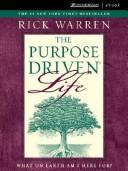
A guide to discovering and fulfilling God's purpose for your life.
Recommended by: Mohnish Pabrai
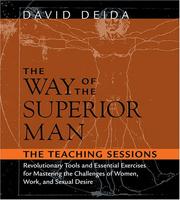
Lessons for men on masculinity, purpose and relationships with women.
Recommended by: Ali Abdaal, Iman Gadzhi, Nat Eliason and 1 other

Buddhist teaching on facing suffering and finding peace of mind.
“Profound philosophy on facing the negative emotions head-on and getting to know them well, instead of trying to avoid them or escape.” — Derek Sivers
Source: Derek Sivers book notes (primary, rated list) · Rating: 9/10
Recommended by: Derek Sivers, Jerry Colonna, Brené Brown
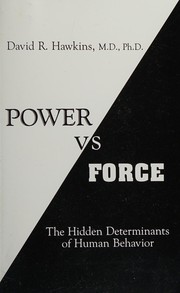
A scale of human consciousness and a claimed method to test any statement's truth.
Recommended by: Mohnish Pabrai
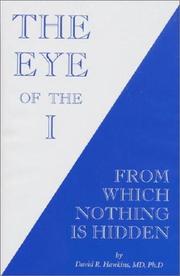
Advanced states of consciousness and the way to spiritual enlightenment.
Recommended by: Mohnish Pabrai
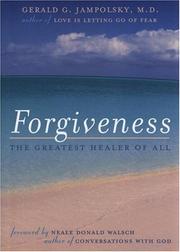

Listening to one's inner teacher to find a vocation and a sense of purpose.
“Let Your Life Speak was really good.” — Brad Feld
Source: Book: Let Your Life Speak — Feld Thoughts
Recommended by: Brad Feld, Jerry Colonna and 2 others
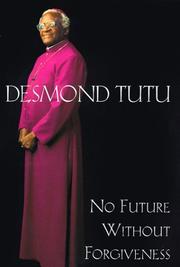
The chairman of South Africa's Truth and Reconciliation Commission on its lessons.
Recommended by: Richard Branson
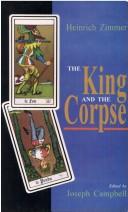
Tales from East and West of the soul's conflict with evil, and their symbols.
Recommended by: Stewart Brand
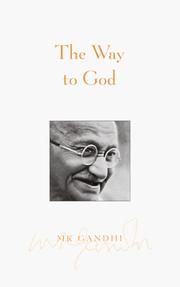
Teachings on love, the soul, meditation, service and prayer for all faiths.
Recommended by: Mohnish Pabrai
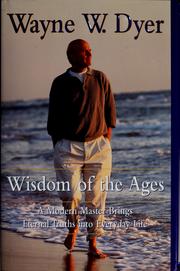
Lessons for the present drawn from the teachings of great thinkers of the past.
Recommended by: Mohnish Pabrai
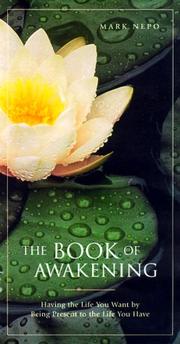
A spiritual daybook, one entry a day, to help readers feel alive again.
Recommended by: Melinda Gates
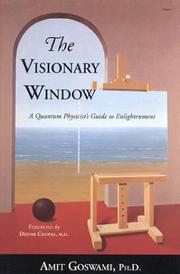
Western science and Eastern mysticism joined to argue consciousness is all being.
Recommended by: Mohnish Pabrai
Passages from talks on the nature of truth and what keeps us from seeing it.
Recommended by: Mohnish Pabrai
Commentaries on verses of the Tao Te Ching to awaken individual awareness.
Recommended by: Naval Ravikant
The life and teachings of an unconventional Indian mystic, in his own words.
Recommended by: Naval Ravikant

How belief in one god shaped Western history, from religious wars to commandments.
Recommended by: Stewart Brand
Recommended by: Mohnish Pabrai
For those who began moving from success to significance in midlife and stalled.
Recommended by: Mohnish Pabrai

The claim that mind and body constantly interact with a vast field of energy.
Recommended by: Mohnish Pabrai
A Buddhist teacher's spiritual memoir of faith.
“So on that plane ride from New York to Arizona to Canyon Ranch, I read three books, When Things Fall Apart by Ani Pema Chödrön, Faith by Sharon Salzberg, and Let Your Life Speak by Parker Palmer.” — Jerry Colonna
Source: The Tim Ferriss Show Transcripts: Jerry Colonna (#373)
Recommended by: Jerry Colonna
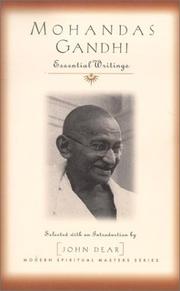
Writings by the leader of India's independence movement on practising nonviolence.
Recommended by: Mohnish Pabrai
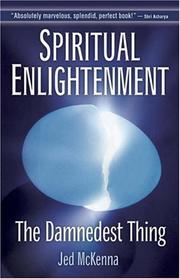
Spiritual enlightenment reduced to its simplest terms by an unorthodox teacher.
Recommended by: Naval Ravikant
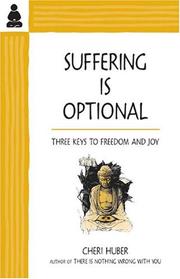

The sung and spoken words of a shaman from a mountain village in Oaxaca.
Recommended by: Tim Ferriss

A guide to accepting oneself.
“Yeah, so much here. First of all, shout out to Tara Brach for Radical Acceptance. What a brilliant book.” — Jerry Colonna
Source: The Tim Ferriss Show Transcripts: Jerry Colonna (#373)
Recommended by: Jerry Colonna, Tim Ferriss, Brené Brown
A tour of the enlightened state: what it is, who has reached it, how to get there.
Recommended by: Naval Ravikant
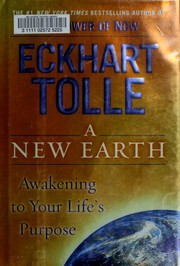
A spiritual guide to awakening and finding life's purpose.
Recommended by: Oprah Winfrey
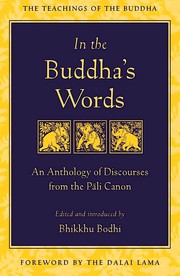
Selected discourses of the Buddha from the Pali Canon, arranged by theme.
Recommended by: Chade-Meng Tan
An introduction to Ayurveda and how to identify one's body constitution, or prakriti.
Recommended by: Mohnish Pabrai
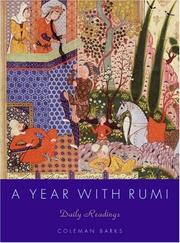
365 versions of Rumi's poems, one for each day of the year.
Recommended by: Mohnish Pabrai, Patrick O'Shaughnessy
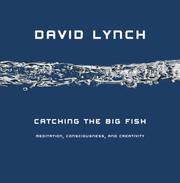
A filmmaker on catching ideas and the creative value of Transcendental Meditation.
Recommended by: Arianna Huffington
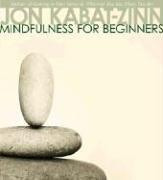
Short reflections and practices for starting mindfulness, read at random or daily.
Recommended by: Ev Williams
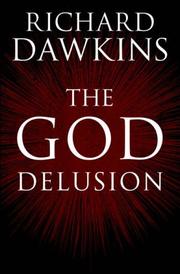
Why belief in God is irrational, and the harm religion has done to society.
Recommended by: Brian Armstrong, Mohnish Pabrai and 1 other
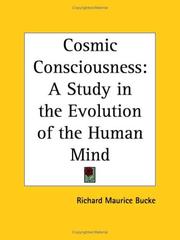
A psychiatrist's claim that the human mind is evolving toward a higher consciousness.
Recommended by: Steve Jobs
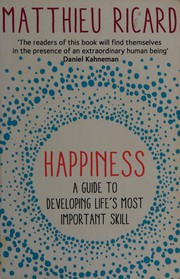
Happiness as a skill, with simple exercises to train the mind.
Recommended by: Richard Branson, Daniel Petre

The last of a trilogy on spiritual awakening, presented as a war with oneself.
Recommended by: Naval Ravikant
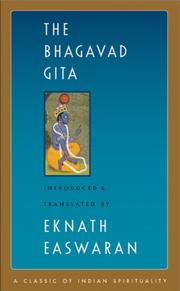
A translation of the Hindu dialogue between Krishna and the warrior Arjuna.
Recommended by: Nat Eliason, Naval Ravikant
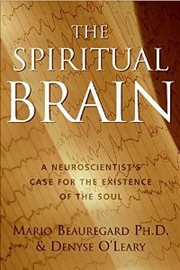
A neuroscientist's research with Carmelite nuns on spiritual experience in the brain.
Recommended by: Ray Dalio
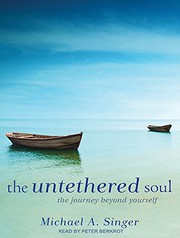
You are the awareness watching your thoughts and feelings, not those thoughts.
Recommended by: Claire Diaz-Ortiz, Daniel Gross, Mel Robbins and 2 others
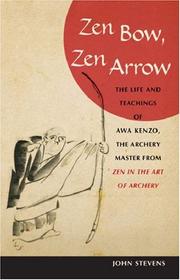
The life and teachings of the Zen archery master Awa Kenzo.
Recommended by: Tucker Max
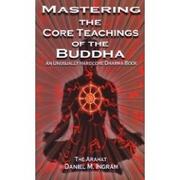
Why enlightenment is attainable, using meditation as a method for examining reality.
Recommended by: Naval Ravikant

A translation of the Qur'an, the sacred text of Islam, in contemporary English.
Recommended by: Kevin Kelly
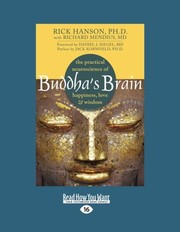
How neuroscience and Buddhist practice together build happiness, love and wisdom.
Recommended by: Andrew Wilkinson
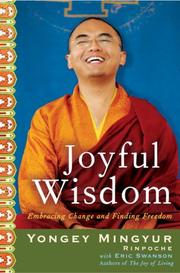
Buddhist teaching on facing the anxiety of everyday life rather than escaping it.
Recommended by: Safi Bahcall
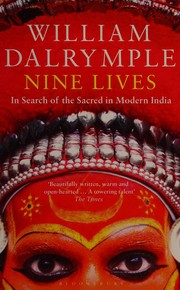
Nine people in India, among them a monk and a Jain nun, and how they live faith.
Recommended by: Mohnish Pabrai

The autobiography of the philosopher and theologian Saint Augustine.
Recommended by: Patrick Collison
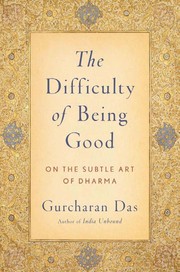
What dharma means and why be good, read through the Mahabharata.
Recommended by: Mohnish Pabrai
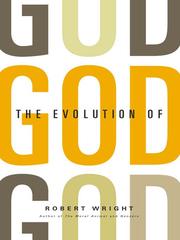
The hidden pattern the monotheistic faiths followed as they evolved.
Recommended by: Reid Hoffman
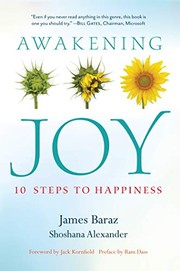
A step-by-step programme for turning the mind from dissatisfaction toward joy.
Recommended by: Bill Gates, Melinda Gates
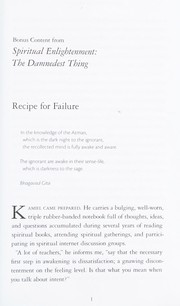
Interviews, essays and stories on spiritual enlightenment.
“Everything by Jed McKenna. Jed spits raw truth. His style may be off-putting but the dedication to truth is unparalleled.” — Naval Ravikant
Source: Naval's Recommended Reading — The Almanack of Naval Ravikant
Recommended by: Naval Ravikant
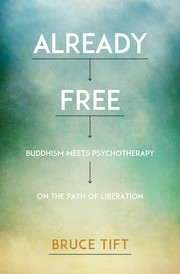
How Buddhism and Western psychotherapy each approach freedom from suffering.
Recommended by: Tim Ferriss
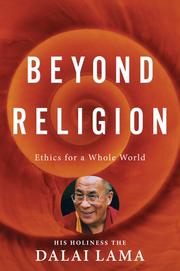
Where fears come from, how to understand them, and how to find courage to face them.
Recommended by: Naval Ravikant
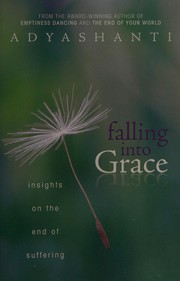
A spiritual teacher on the way out of suffering into awakening.
Recommended by: Naval Ravikant
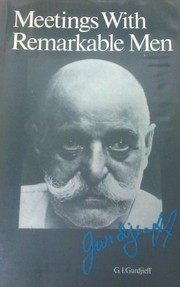
A spiritual teacher's youth and travels, told through portraits of men he met.
Recommended by: Steve Jobs
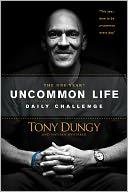
A daily devotional for men, a year-long challenge to strengthen life and faith.
Recommended by: Doug McMillon

A psychiatrist's concise guide to how the mind generates religious belief.
Recommended by: Ray Dalio
Buddhist teaching on living with uncertainty and change instead of clinging in fear.
“Everything she writes is wonderful. All a similar theme. See the other books here for other (maybe better) examples.” — Derek Sivers
Source: Derek Sivers book notes (primary, rated list) · Rating: 6/10
Recommended by: Derek Sivers, Audrey Gelman

A neurosurgeon in a coma describes a journey beyond this world to a divine source.
Recommended by: Mohnish Pabrai
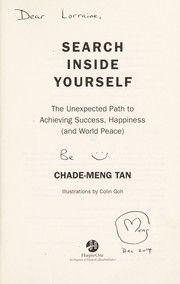
A mindfulness course for emotional intelligence, creativity and happiness.
Recommended by: Arianna Huffington, Matt Mullenweg and 1 other

The laws of a good life that scriptures, thinkers and artists share.
“Also as we have done in the past, we will be giving you a book by Sir John Templeton: this year, ‘‘The Essential Worldwide Laws of Life’’, which has a foreword by Stephen Post, who has graciously autographed the book.” — Prem Watsa
Source: Chairman's Letter to Shareholders 2016, page 23
Recommended by: Prem Watsa
A compilation on Sri Aurobindo's epic poem Savitri and its spiritual vision.
Recommended by: Mohnish Pabrai
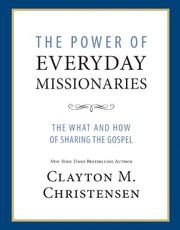
How church members can share the gospel in natural and rewarding ways.
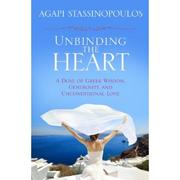
Greek wisdom on generosity and love for reconnecting with your true self.
Recommended by: Simon Sinek
The claim that the great mystery of existence is only an internal belief.
Recommended by: Naval Ravikant

After surviving breast cancer, a young woman starts over in Portland, Oregon.
Recommended by: Claire Diaz-Ortiz
A news anchor's panic attack on air leads him to meditation, and what it did for him.
Recommended by: Nat Eliason, Arianna Huffington, Peter Attia and 2 others
A guide to meditation as a rational practice, drawn from neuroscience and psychology.
“I think that the book I've probably, for the last few years, been giving out the most is Waking Up by Sam Harris.” — Susan Cain
Source: The Tim Ferriss Show Transcripts: Susan Cain (#357)
Recommended by: Nat Eliason, Susan Cain, Naval Ravikant and 1 other
Fifty-two short essays, each on one everyday word and its deeper meaning.
Recommended by: Patrick O'Shaughnessy
A life led by letting go, from a hippie seeker to a computer engineer and beyond.
Recommended by: Ali Abdaal, Naval Ravikant
A path beyond self-help and mindfulness slogans to the ultimate truths of the mind.
“Everything by Kapil Gupta, MD. Kapil recently became a personal advisor and coach to me, and this comes from a person who doesn't believe in coaches.” — Naval Ravikant
Source: Naval's Recommended Reading — The Almanack of Naval Ravikant
Recommended by: Naval Ravikant
What a radio host learned from interviewing people on the questions of meaning.
“It's called "On Being," and has a book called Becoming Wise that covers a lot of her, kind of like a best-of almost of her work. And I would say if you're only going to [read one] in the life section, that is the one I would recommend.” — Matt Mullenweg
Recommended by: Matt Mullenweg, Shane Parrish

A Christian guide to caring for and comforting people who suffer.
Recommended by: Bret Victor
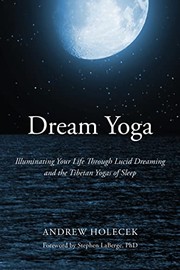
Tibetan Buddhist practice of lucid dreaming and dream yoga.
Recommended by: Naval Ravikant
The claim that the universe does not exist, and what waking from that dream means.
“Everything by Jed McKenna. Jed spits raw truth. His style may be off-putting but the dedication to truth is unparalleled.” — Naval Ravikant
Source: Naval's Recommended Reading — The Almanack of Naval Ravikant
Recommended by: Naval Ravikant
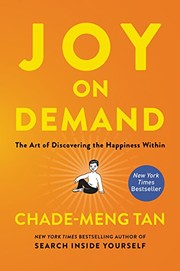
How anyone can raise their happiness set point by cultivating joy.
“And he has a book called Joy on Demand, which is fantastic. I thought it was a fantastic title.” — Tim Ferriss
Source: The Tim Ferriss Show Transcripts: Susan Cain (#357)
Recommended by: Tim Ferriss
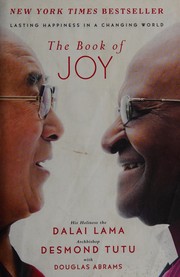
Two Nobel laureates discuss living with joy in the face of adversity.
Recommended by: David Perell, Alfred Lin

How ten minutes of mindfulness a day reduces stress and brings calm.
Recommended by: Bill Gates
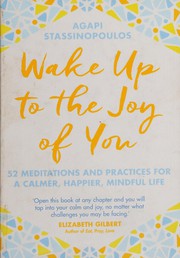
Fifty-two weekly meditations for a year of self-discovery.
Recommended by: Arianna Huffington
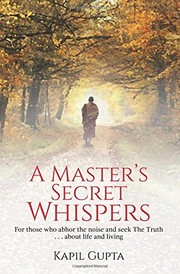
Dialogues between a master and a student on anxiety, emotional pain and success.
“Everything by Kapil Gupta, MD. Kapil recently became a personal advisor and coach to me, and this comes from a person who doesn't believe in coaches.” — Naval Ravikant
Source: Naval's Recommended Reading — The Almanack of Naval Ravikant
Recommended by: Naval Ravikant
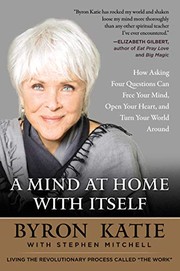
A spiritual guide to self-acceptance and freedom from stress and anger.
“And I was in there maybe three months ago, listening to Byron Katie's new book, A Mind at Home with Itself.” — Graham Duncan
Source: The Tim Ferriss Show Transcripts: Graham Duncan (#362)
Recommended by: Graham Duncan, Tony Robbins
Essays, teachings and rants on spiritual enlightenment.
“Everything by Jed McKenna. Jed spits raw truth. His style may be off-putting but the dedication to truth is unparalleled.” — Naval Ravikant
Source: Naval's Recommended Reading — The Almanack of Naval Ravikant
Recommended by: Naval Ravikant
Reflections on death and how to live, drawn from the Bible's poetical books.
Recommended by: Brent Beshore, Chris Powers
Eighty-one short chapters on the Tao, the founding text of Taoism.
“This existence-tissue is the central concern of Lao Tzu's Tao Te Ching (sixth century B.C.E.) - the seminal work in Taoism, the spiritual branch of Chinese philosophy that eventually evolved into Ch'an Buddhism.” — Maria Popova
Source: Awakened Cosmos: Poetry as Spiritual Practice
Recommended by: Maria Popova, Nat Eliason, David Perell and 6 others
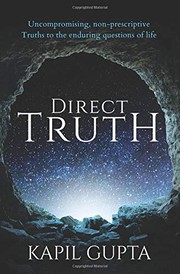
Answers to life's lasting questions that reject self-help prescriptions and fixes.
“Everything by Kapil Gupta, MD. Kapil recently became a personal advisor and coach to me, and this comes from a person who doesn't believe in coaches.” — Naval Ravikant
Source: Naval's Recommended Reading — The Almanack of Naval Ravikant
Recommended by: Naval Ravikant
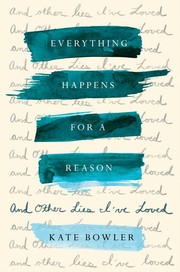
A scholar of the prosperity gospel on facing cancer herself.
Recommended by: Bill Gates
The second collection of talks on enlightenment, away from the things of man.
Recommended by: Naval Ravikant
An entrepreneur lives with monks in upstate New York and learns about focus.
Recommended by: Arianna Huffington

A Buddhist teacher on learning to love ourselves with all our imperfections.
Recommended by: Susan Cain
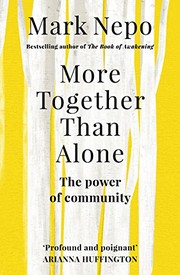
History, spiritual teachers and nature on why community matters and how it forms.
Recommended by: Arianna Huffington
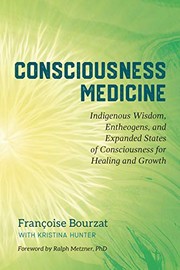
How hallucinogens and indigenous practice can be used in psychotherapy.
Recommended by: Tim Ferriss
Why to stop doing it all and focus on the one work you were made to do.
Recommended by: Cynthia Marshall
Seven practices, steadiness to timelessness, joining brain science and meditation.
Recommended by: Andrew Wilkinson
A monk's answers to questions of pain, loss, death and the uncertainty of life.
Recommended by: Library Mindset
Teachings that hold enlightenment needs no effort, only watchful awareness.
“I've been really enjoying Anthony de Mello's book Stop Fixing Yourself on this topic. It's a serious bucket of cold water over the head for anyone who's an obsessive striver.” — Andrew Wilkinson
Source: Newsletter
Recommended by: Andrew Wilkinson
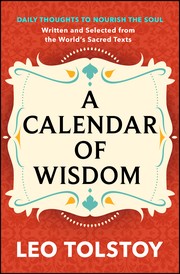
A day-by-day collection of thoughts on how to live a worthwhile life.
Recommended by: Alex and Books

What myth is, how it has evolved from the Paleolithic on, and why we still need it.
Recommended by: Patrick O'Shaughnessy
Recommended by: Mohnish Pabrai

Recommended by: Tim Ferriss
Meditations and exercises for quieting thought and living in the present moment.
“The best way I've found to deal with the daily anxiety of running a business is to focus on the "Now.” — David Cancel
Source: The Books Every Startup CEO Should Read — David Cancel, Medium
Recommended by: David Cancel

Sayings and ideas attributed to Confucius and his followers.
Recommended by: Nat Eliason
The texts central to Judaism and Christianity: stories, laws, poems and letters.
Recommended by: David Perell
A practical guide to the meditation techniques of Tantra.
“If you want to run through a bunch of them, you can pick up pick up a book called The Book of Secrets by Osho.” — Naval Ravikant
Source: Naval's Recommended Reading — The Almanack of Naval Ravikant
Recommended by: Naval Ravikant
A Buddhist's journey through Tibet before the Chinese invasion.
Recommended by: Steve Jobs
Thirty-one meditations on seeing clearly as the root of love.
Recommended by: Tim Ferriss, Justin Kan, Naval Ravikant
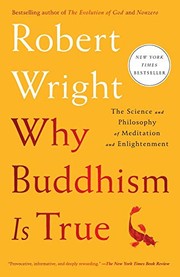
How the mind deludes us, and how Buddhist meditation helps us see the world clearly.
Recommended by: Matt Mullenweg, Nick Thompson, Kevin Rose and 1 other
 Chade-Meng Tanwrote 2 books here
 Clayton Christensenwrote 1 book here
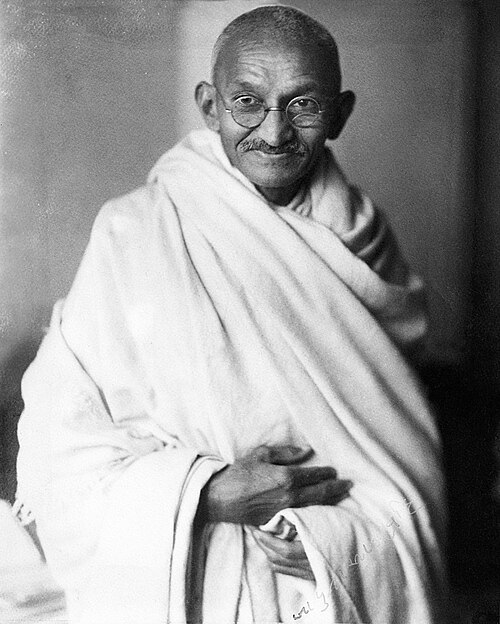 Mahatma Gandhiwrote 1 book here
 Mohnish Pabrairecommends 60 books here
 Naval Ravikantrecommends 41 books here
 Tim Ferrissrecommends 13 books here
 Nat Eliasonrecommends 12 books here
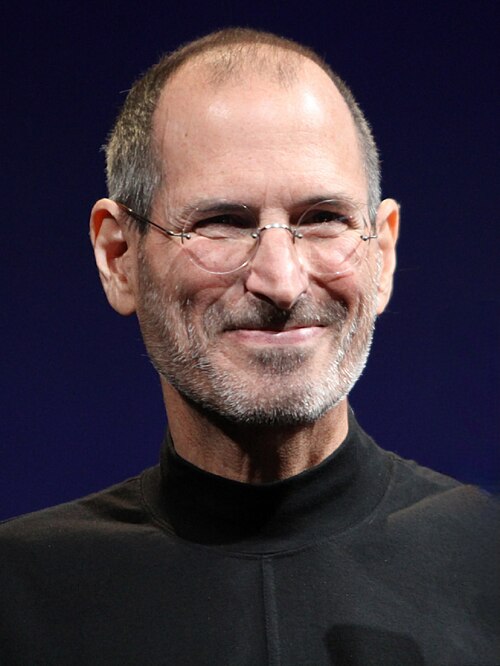 Steve Jobsrecommends 8 books here
 Arianna Huffingtonrecommends 7 books here
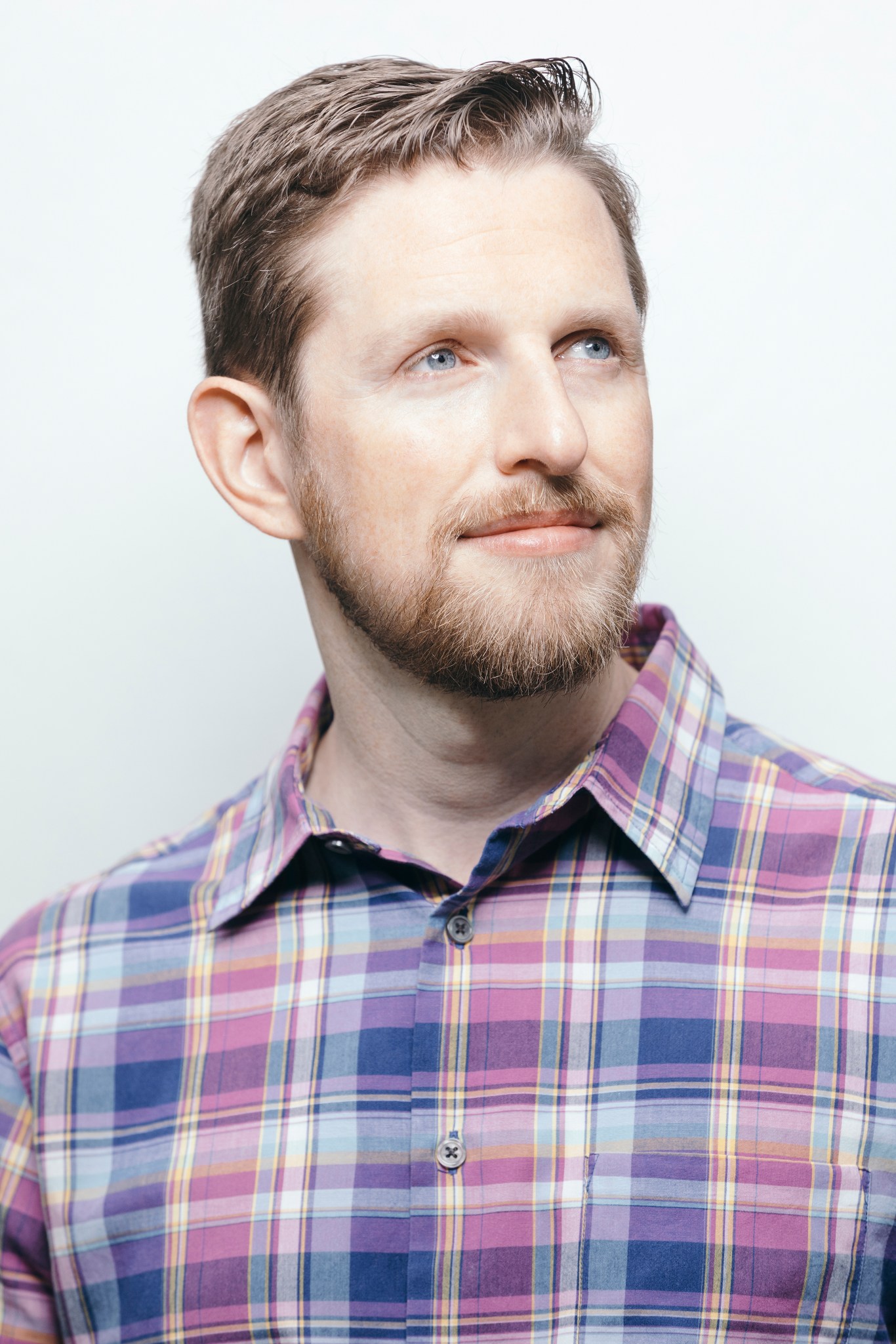 Matt Mullenwegrecommends 5 books here
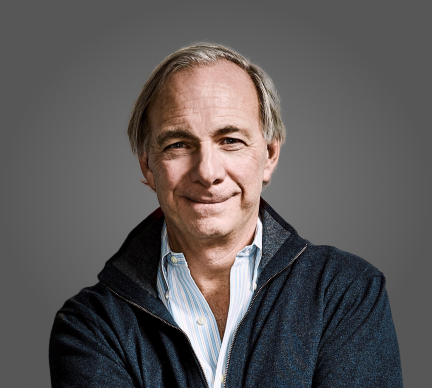 Ray Daliorecommends 4 books here
 Derek Siversrecommends 4 books here
 Jerry Colonnarecommends 4 books here
Show all 88
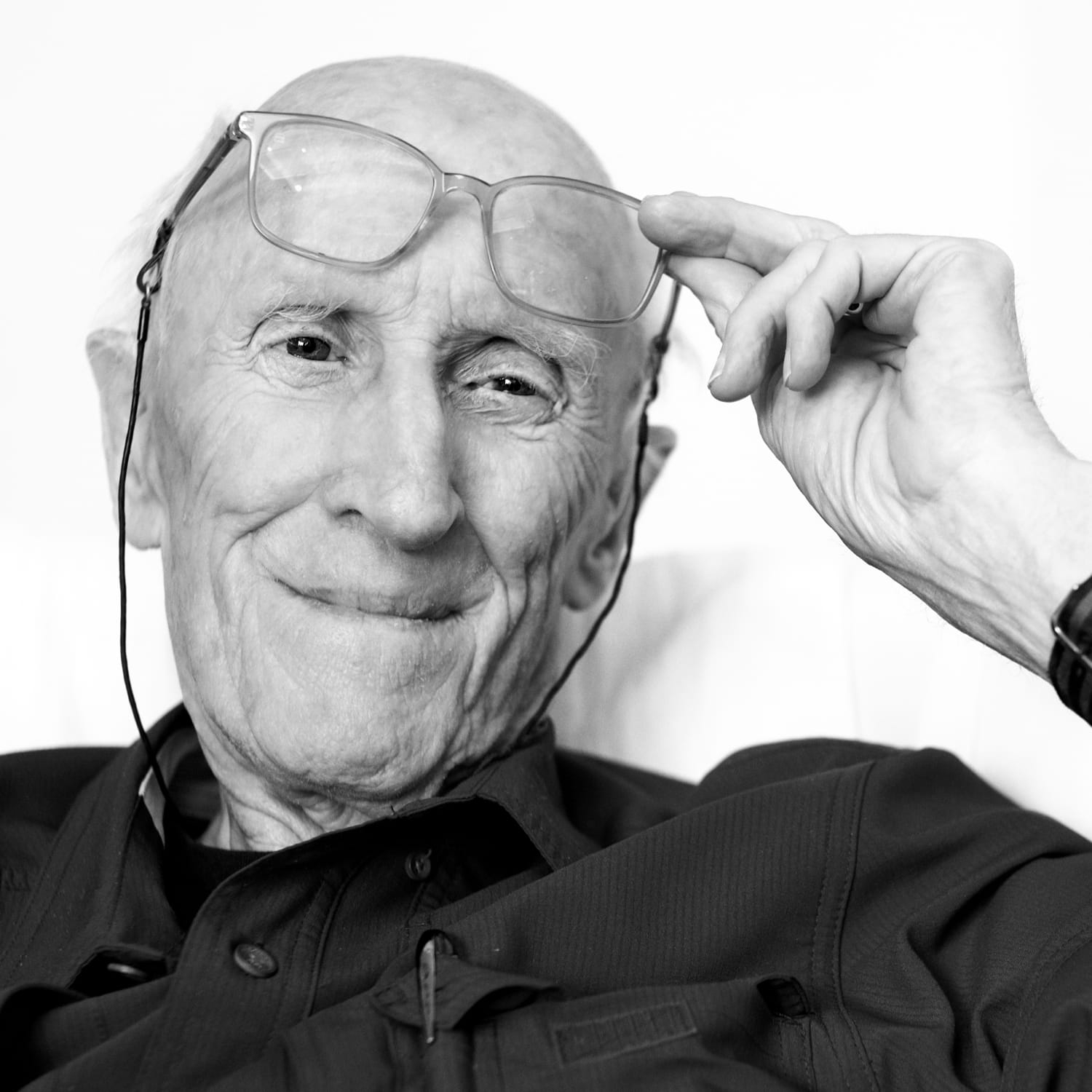 Stewart Brandrecommends 4 books here
 Peter Thielrecommends 3 books here
 Kevin Kellyrecommends 3 books here
 Bill Gatesrecommends 3 books here
 Jack Dorseyrecommends 3 books here
 Kevin Roserecommends 3 books here
 Patrick Collisonrecommends 3 books here
 Tim O’Reillyrecommends 3 books here
 Marc Andreessenrecommends 2 books here
 Marc Benioffrecommends 2 books here
 Reid Hoffmanrecommends 2 books here
 Guy Spierrecommends 2 books here
 Alfred Linrecommends 2 books here
 Brené Brownrecommends 2 books here
 Caterina Fakerecommends 2 books hereChade-Meng Tanrecommends 2 books here
 Claire Diaz-Ortizrecommends 2 books here
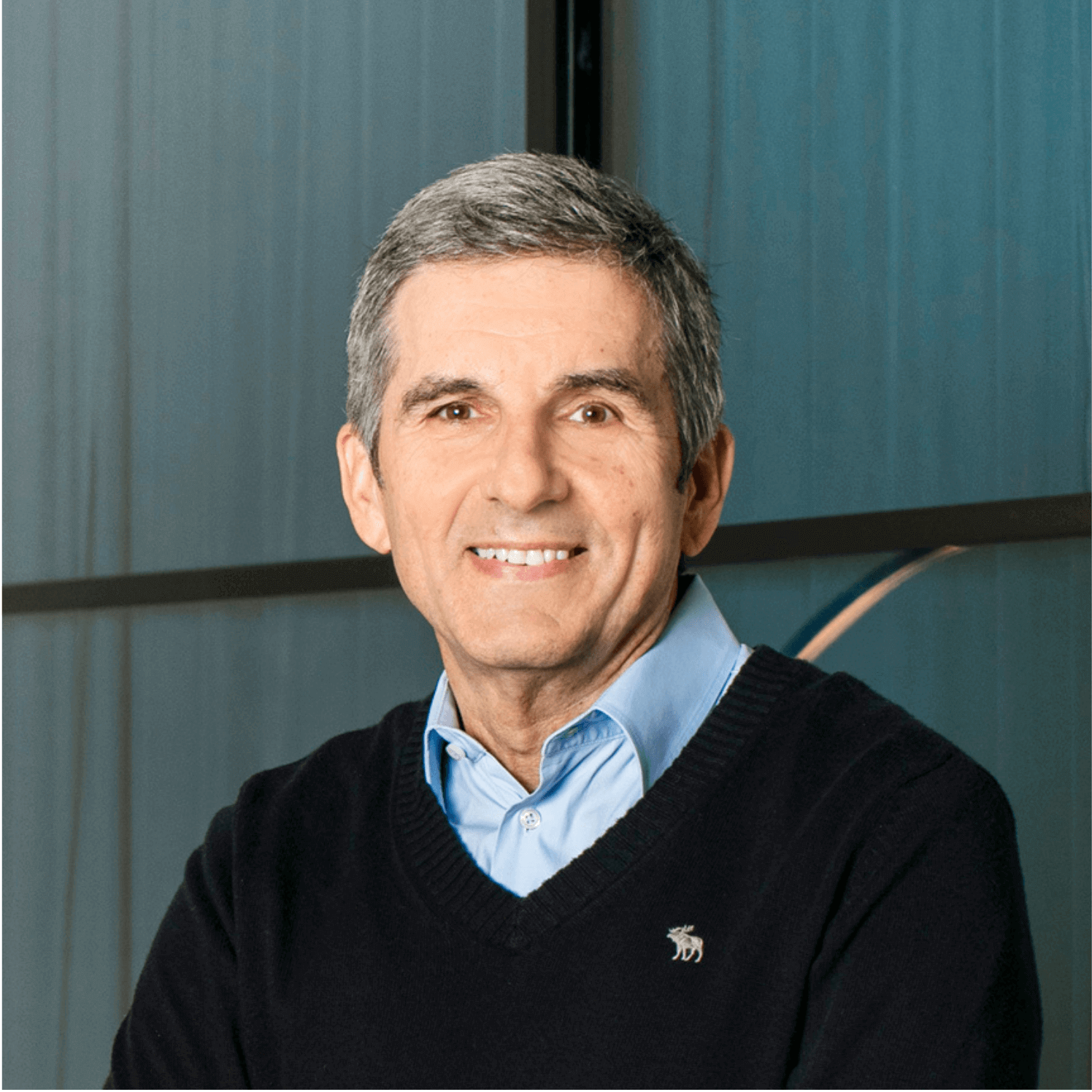 Daniel Petrerecommends 2 books here
 Ed Cookerecommends 2 books here
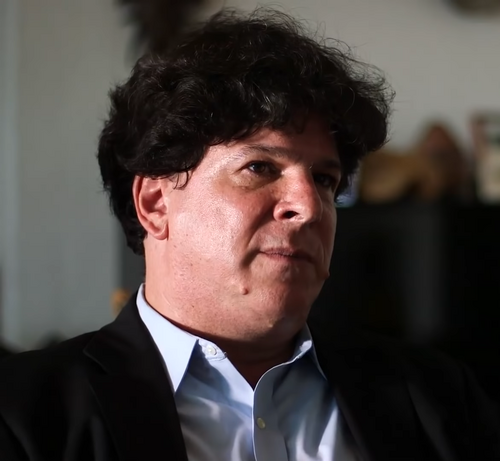 Eric Weinsteinrecommends 2 books here
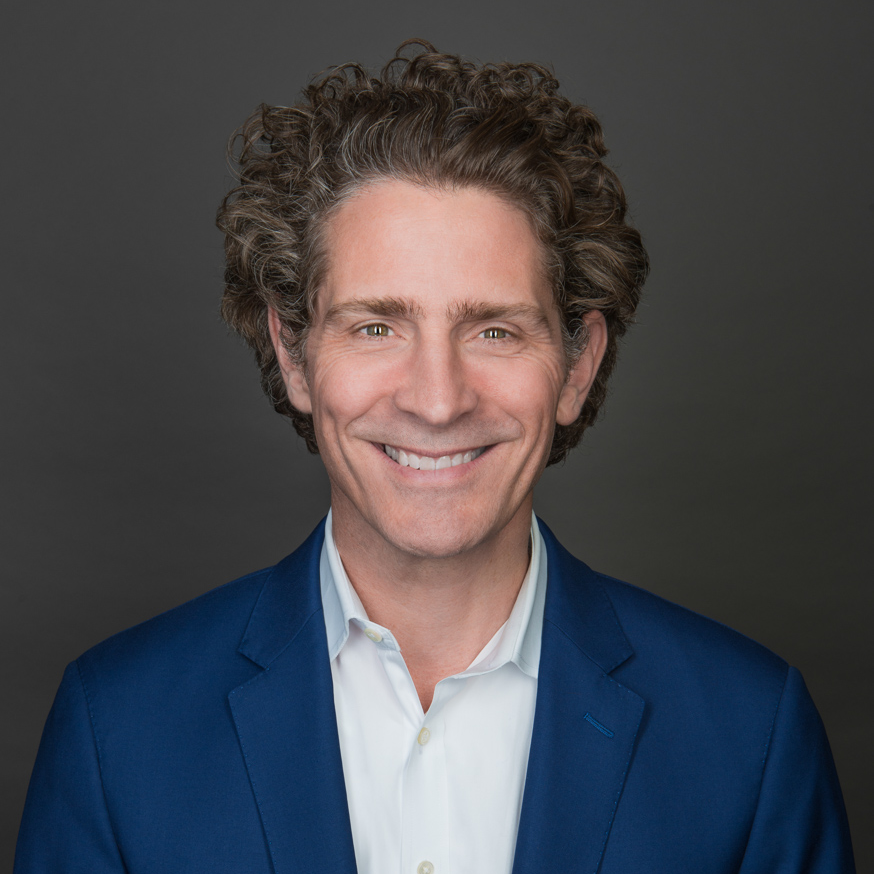 Graham Duncanrecommends 2 books here
 Justin Kanrecommends 2 books here
 Mel Robbinsrecommends 2 books here
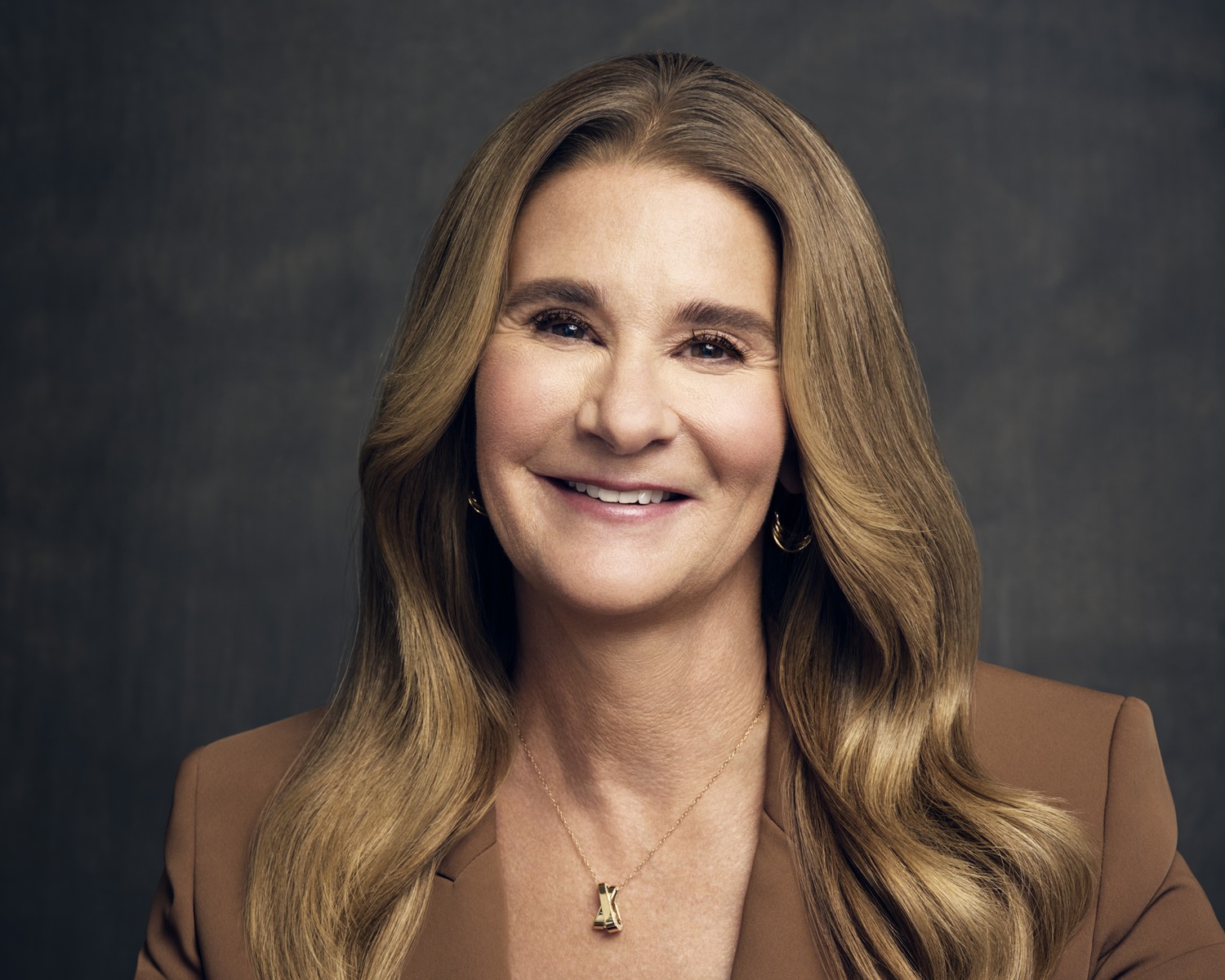 Melinda Gatesrecommends 2 books here
 Oprah Winfreyrecommends 2 books here
 Peter Attiarecommends 2 books here
 Richard Bransonrecommends 2 books here
 Susan Cainrecommends 2 books here
 Jim Collinsrecommends 1 book here
 Paul Grahamrecommends 1 book here
 Brad Feldrecommends 1 book here
 Prem Watsarecommends 1 book here
 David Heinemeier Hanssonrecommends 1 book here
 Ryan Holidayrecommends 1 book here
 Safi Bahcallrecommends 1 book here
 Simon Sinekrecommends 1 book here
 Allen Gannettrecommends 1 book here
 Audrey Gelmanrecommends 1 book here
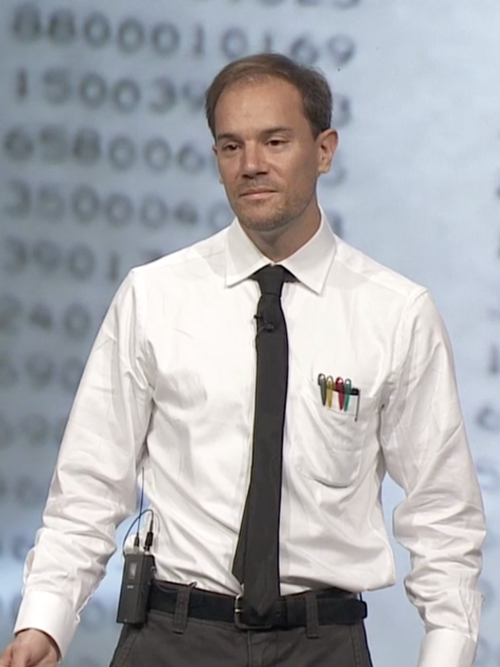 Bret Victorrecommends 1 book here
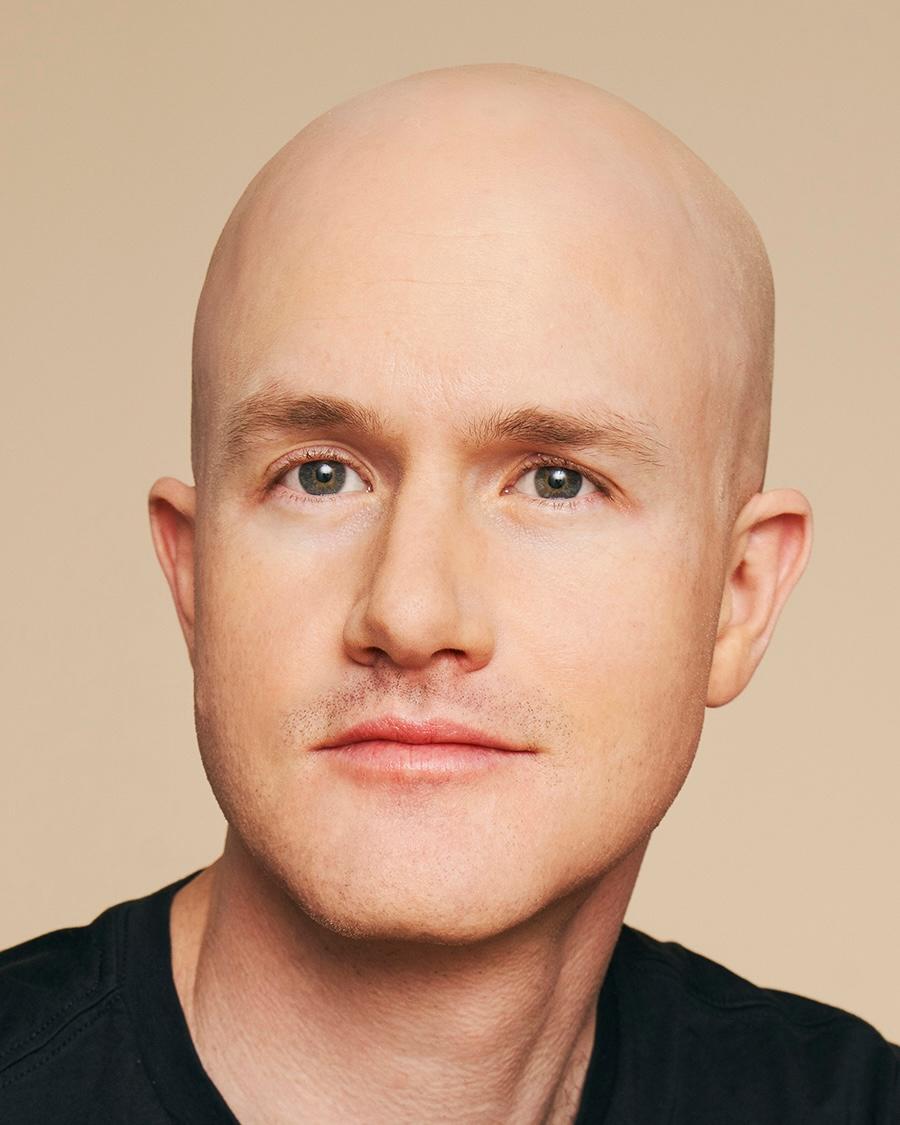 Brian Armstrongrecommends 1 book here
 Cynthia Marshallrecommends 1 book here
 Daniel Grossrecommends 1 book here
 David Cancelrecommends 1 book here
 Doug McMillonrecommends 1 book here
 Ev Williamsrecommends 1 book here
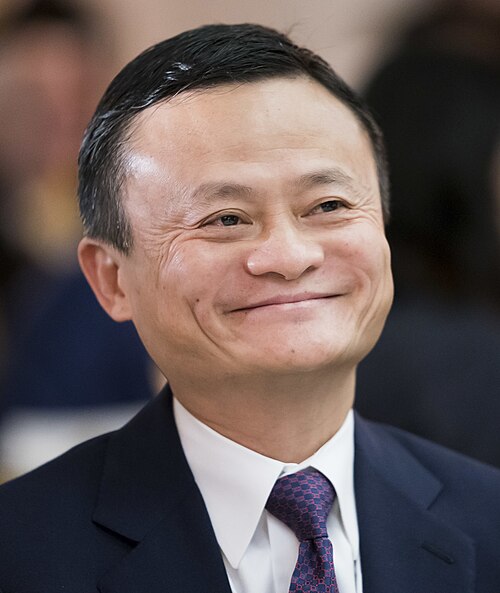 Jack Marecommends 1 book here
 Jane McGonigalrecommends 1 book here
 Kara Swisherrecommends 1 book here
 Maria Popovarecommends 1 book here
 Mark Zuckerbergrecommends 1 book here
 Nate O'Brienrecommends 1 book here
 Peter Malloukrecommends 1 book here
 Ran Segallrecommends 1 book here
 Susan J. Fowlerrecommends 1 book here
 Tom Bilyeurecommends 1 book here
 Tony Hsiehrecommends 1 book here
 Tony Robbinsrecommends 1 book here
 Tristan Harrisrecommends 1 book here
 Tucker Maxrecommends 1 book here
 Veronica Belmontrecommends 1 book here
 Vinod Khoslarecommends 1 book here
 Zoë Foster Blakerecommends 1 book here