Essays: A Selection
A selection from the essays he wrote and revised over two decades.
Summary
Michel de Montaigne wrote, published and revised his Essays from about 1570 to 1592; they first appeared in 1580 and fill three books and 107 chapters. The word essais means "attempts" or "tests", and the essays do not set out to teach or prove. They examine a huge range of subjects, from "Of Sadness and Sorrow" and "Of Conscience" to "Of Smells", to show the diversity of received opinion, the fallibility of human knowledge and the folly of certainty. Montaigne's stated aim was to describe himself frankly and in good faith, and his preface tells the reader that he himself is the matter of the work.
He wrote in a conversational style that mixes a learned vocabulary with popular sayings and slang, supported by quotations from Lucretius, Plutarch and other Greek, Latin and Italian authors. The early essays are short and formal; the later ones, and his revisions, are longer and move freely from one topic to the next. Writing during the French Wars of Religion between Catholics and Huguenots, he mistrusted the certainty of both reason and experience. The Essays shaped French and English literature in both thought and style.
Key takeaways 4
- Montaigne used himself as the subject in order to examine human nature.
- The essay began as an attempt or test of an idea, not a proof.
- He doubted the certainty of both reason and experience.
- His topics range from conscience and grief to smells and the post.
Who should read it
Readers who want the founding texts of the personal essay and a sceptical, humane view of human nature.
Who recommended it 3 · 2 direct
Similar books 6
Chosen by shared topics, the entries that hold them, and the people who recommended both.
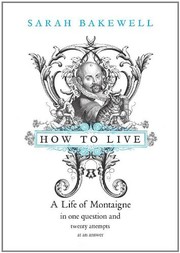
Montaigne's life and essays, read as answers to the question of how to live.
“I also recommend Derek's other books (How To Live is especially good).” — Andrew Wilkinson
Source: Newsletter
Recommended by: Andrew Wilkinson, Derek Sivers and 3 others
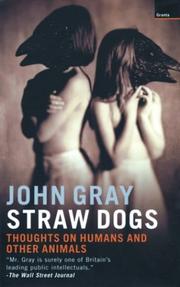
An attack on Western beliefs, from Plato to Marxism, about humanity's place.
Recommended by: Patrick Collison, Antonio García Martínez and 1 other
Essays on self-knowledge and how unreliable one's own judgement is.
Recommended by: Patrick Collison, Nassim Nicholas Taleb
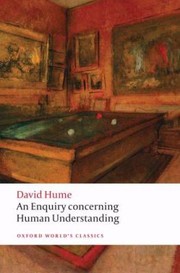
A clearer restatement of A Treatise of Human Nature, with habit's role in knowledge.
Recommended by: Patrick Collison
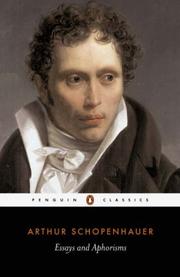
Essays on the will, the blind desire that drives human action more than reason.
“Classic philosophy. I strongly disagreed with his thoughts on the meaning of life, on women, and some on religion. But the rest were fascinating and worthy of deeper reflection. Too much to summarize. See notes.” — Derek Sivers
Source: Derek Sivers book notes (primary, rated list) · Rating: 7/10
Recommended by: Derek Sivers, Patrick O'Shaughnessy and 1 other
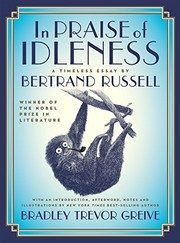
Essays for reflection and free enquiry, from fascism's roots to "useless" knowledge.
Recommended by: Nat Eliason, Patrick Collison, Ed Cooke