Philosophy of science and mind
Holds books on how science knows what it knows, on consciousness and free will, and on logic, probability and the nature of physical reality.
Start here
- The Logic of Scientific DiscoveryKarl Popper, 1959
- The Structure of Scientific RevolutionsThomas S. Kuhn, 1962
- Conjectures and RefutationsKarl Popper, 1963
- Godel, Escher, BachDouglas R. Hofstadter, 1979
- Science and SanityAlfred Korzybski, 1933
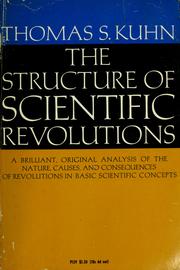
Science moves through long stretches of normal work broken by paradigm shifts.
“Thomas Kuhn laid out the best-known framework for this analysis in his seminal book,The Structure of Scientific Revolutions (1962).” — Michael Mauboussin
Source: Shift Happens: On a New Paradigm of the Markets as a Complex Adaptive System, page 2
Recommended by: Jim Collins, Michael Mauboussin, Nat Eliason and 8 others
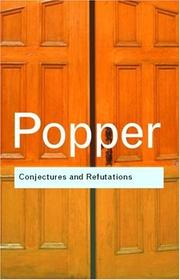
Knowledge grows by bold guesses that we then try to refute, not by proof.
Recommended by: Patrick Collison
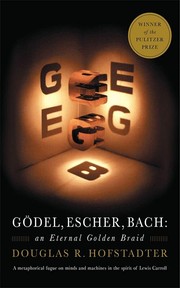
How a mind could arise from parts, traced through Godel, Escher and Bach.
Recommended by: Nat Eliason, Naval Ravikant, Demis Hassabis and 3 others
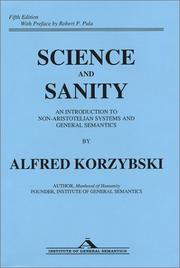
General semantics: why a map is not the territory and a word is not the thing.
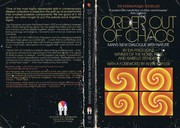
How irreversible processes in thermodynamics bring order out of disorder.
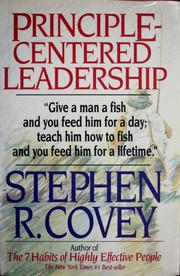
Applies the Seven Habits to organisations: lead by fixed principles, not by values.
Recommended by: Mohnish Pabrai
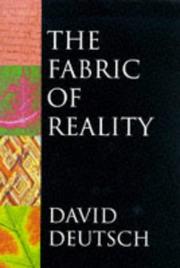
Reality through four strands: many-worlds physics, computation, evolution, Popper.
Recommended by: Naval Ravikant, Patrick Collison and 4 others
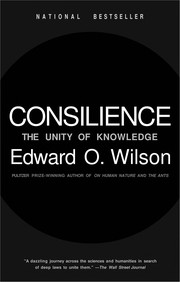
How the sciences and humanities can be unified by causal links from physics up.
“I was inspired by E. O. Wilson's book Consilience, which came out in 1998 and is a book I'd recommend.” — Michael Mauboussin
Source: MOI Global interview with Michael Mauboussin
Recommended by: Michael Mauboussin, Mohnish Pabrai
A dialogue on thinking clearly: reality is simple, conflicts can be resolved.
Recommended by: Mohnish Pabrai
Knowledge can grow without limit through good explanations that are hard to vary.
“Favorites, I would say David Deutsch, "The Beginning of Infinity" is definitely one of my favorites.” — Albert Wenger
Source: Transcript: Albert Wenger
Recommended by: Albert Wenger, Derek Sivers and 9 others
Why economics misapplies probability to problems where the future is unknowable.
Genes as a river of digital information, and how life began and spreads.
“Biologist describes how evolution works, everything maximized for the gene’s survival. Includes related insights and analogies. I like his writing style.” — Derek Sivers
Source: Derek Sivers book notes (primary, rated list) · Rating: 6/10
Recommended by: Derek Sivers, Ray Dalio
How people sort the world into categories, and where categories fail.
Recommended by: Nassim Nicholas Taleb
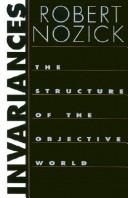
What makes a truth objective: what stays the same across perspectives.
Recommended by: Nassim Nicholas Taleb
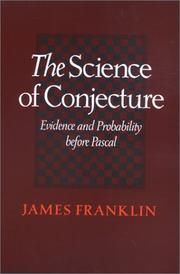
How judges, juries and scientists weighed evidence before formal statistics.
Recommended by: Nassim Nicholas Taleb
Evolution told as a journey back in time, meeting ancestors at each branch.
Recommended by: Patrick Collison

Why social science should explain by mechanisms rather than by laws.
Recommended by: Mohnish Pabrai, Nassim Nicholas Taleb
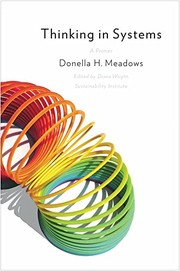
An introduction to systems: stocks, flows, feedback loops and where to intervene.
Recommended by: Patrick O'Shaughnessy, Daniel Burka and 3 others
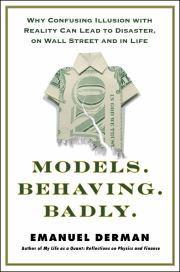
Why models are not theories, and the harm of mistaking them for reality.
Recommended by: Nassim Nicholas Taleb
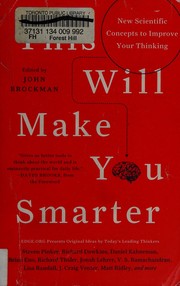
Short essays on the scientific concepts that would improve everyone's thinking.
Recommended by: Morgan Housel, Patrick Collison
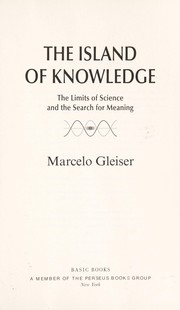
The limits of what science can know about the world.
Recommended by: Shane Parrish
When the simpler theory is the better one: the principle of parsimony tested.
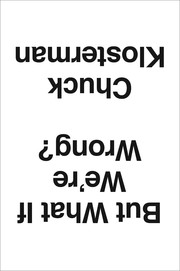
How today's certainties in culture and science may look once they are replaced.
“Hard to read and not emerge humbled.” — Marc Andreessen
Source: @pmarca, 'Thread: Books I've recently read and recommend'
Recommended by: Marc Andreessen, Brad Feld, Bryan Johnson and 1 other
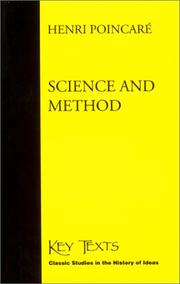
The method and psychology of scientific discovery, above all in mathematics.
Recommended by: Naval Ravikant
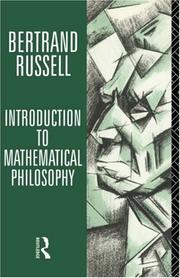
An accessible introduction to the logical foundations of mathematics.
Recommended by: Vlad Zamfir
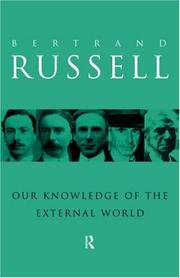
Examples showing what the logical-analytic method in philosophy can and cannot do.
Recommended by: Patrick Collison
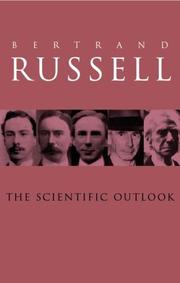
An early classic on what scientific thinking is and what it promises.
Recommended by: Jason Zweig, Mohnish Pabrai
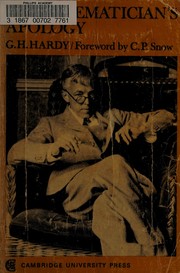
Why mathematics is worth doing for its beauty, apart from any use.
Recommended by: Patrick Collison, Paul Graham
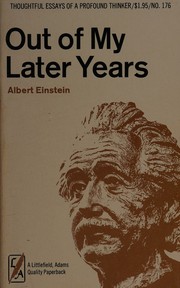
Essays, talks and letters from 1934 to 1950 on social, religious and school issues.
Recommended by: Eric Weinstein
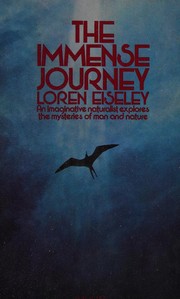
An anthropologist's reflections on humanity's long journey through time.
Recommended by: Mohnish Pabrai
Argues that scientific knowledge joins personal experience, moral judgement and data.
Recommended by: Charles Koch
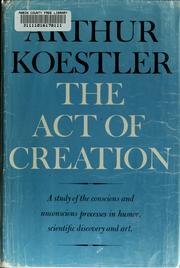
Creativity in humour, science and art as 'bisociation': joining two unrelated frames.
Recommended by: Patrick Collison, Patrick O'Shaughnessy and 1 other
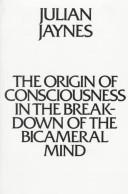
The theory that consciousness is learned, arising from a once two-chambered mind.
Recommended by: Patrick O'Shaughnessy, Adam Robinson and 3 others
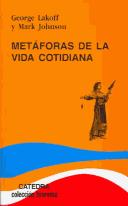
Metaphor as a basic mechanism of thought that shapes how people understand the world.
“Going to go a little esoteric for this next one and talk about a book, which is a little more academic, which is by an author named George Lakoff and it's called Metaphors We Live By. There's definitely a writing theme here.” — Matt Mullenweg
Recommended by: David Perell, Matt Mullenweg, Nat Eliason and 2 others
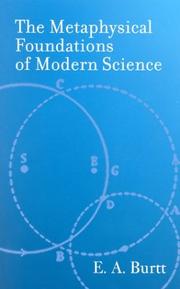
The shift from medieval philosophy to modern science, from Copernicus to Newton.
Recommended by: Patrick Collison
Essays from literature, AI and psychology on the self and consciousness.
Recommended by: Josh Wolfe
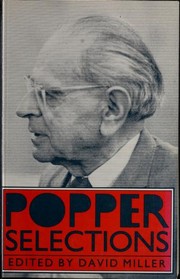
Thirty selections from Popper's writings, chosen to show the range of his ideas.
Recommended by: Patrick Collison
Logic and analytic philosophy explained through jokes.
Recommended by: Mohnish Pabrai, Nassim Nicholas Taleb
Quirky essays on how people perceive and think.
Recommended by: Patrick Collison
A philosophy student marries a math prodigy and weighs the mind against the body.
Recommended by: Patrick Collison
How people categorize, and why human reason is imaginative and tied to the body.
Recommended by: Matt Mullenweg
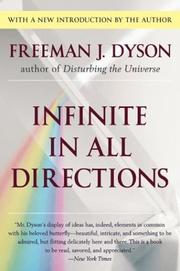
Lectures on science and religion as two windows on the world, in praise of diversity.
Recommended by: Stewart Brand
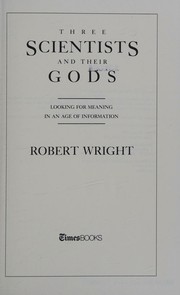
Information theory as an idea that ties together three scientists' work.
Recommended by: Charlie Munger, Mohnish Pabrai
An argument that consciousness is not algorithmic and rests on quantum mechanics.
Recommended by: Patrick Collison
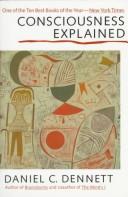
The case for replacing mind-body dualism with theories from neuroscience.
Recommended by: Mohnish Pabrai
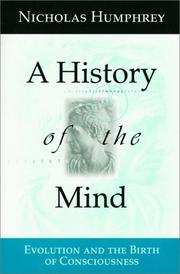
How consciousness and the senses evolved, and the history of the mind.
Recommended by: Mohnish Pabrai, Nassim Nicholas Taleb
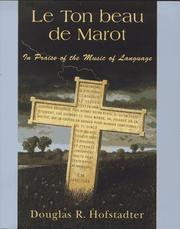
Translations of one French poem as a way into translation, language and loss.
Recommended by: Patrick Collison
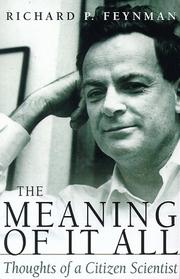
Three lectures by a physicist speaking as a citizen about science and society.
Recommended by: Mohnish Pabrai
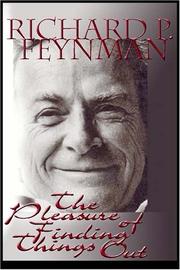
A collection of Richard Feynman's best short works.
Recommended by: Brian Armstrong, Larry Page
Recommended by: Mohnish Pabrai
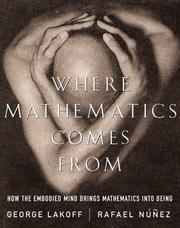
What mathematical ideas mean, and why theorems are true because of what they mean.
Recommended by: Bret Victor
The anthropic principle and the observation selection effects in science.
Recommended by: Patrick Collison
Essays on evolution, natural selection, science and religion.
Recommended by: Patrick Collison
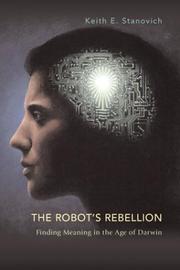
How humans can find meaning if they are hosts for genes and memes.
Recommended by: Mohnish Pabrai
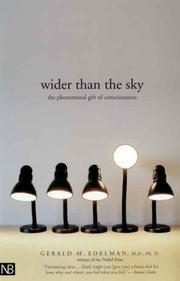
A non-technical account of how the firing of neurons gives rise to consciousness.
Recommended by: Mohnish Pabrai
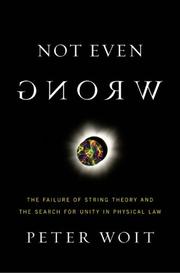
Argues that string theory is not a theory at all, since it makes no predictions.
Recommended by: Eric Weinstein
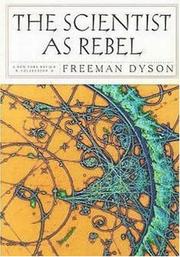
Essays on scientists as rebels who resist the limits their cultures impose.
Recommended by: Patrick Collison
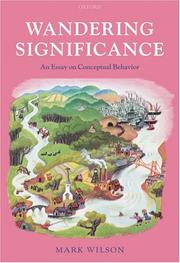
How people grasp the world through concepts, and how philosophical problems arise.
Recommended by: Patrick Collison

Rare, unforeseen, high-impact events drive history, explained only after the fact.
“The Black Swan U The best-known bird around today is The Black Swan, the second book from Nassim Nicolas Taleb.” — Howard Marks
Source: The Complete Collection, page 530
Recommended by: David Perell, Howard Marks, Marc Andreessen and 20 others
How meaning is possible in a material world, the problem after consciousness.
Recommended by: Patrick Collison
About 150 thinkers on the scientific ideas they expect to change the world.
Recommended by: Patrick Collison, Eric Weinstein
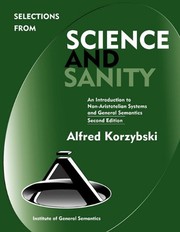
Selections from a founding work of general semantics: language limits what we know.
Recommended by: Patrick Collison
An options trader's case against pricing derivatives by probability.
Recommended by: Nassim Nicholas Taleb
About 1,600 quotations, the most comprehensive collection of the physicist's words.
Recommended by: Warren Buffett
A philosopher's reply to the argument that people cannot control the future.
Recommended by: Patrick Collison
A textbook introduction to consciousness studies, worked from the ground up.
Recommended by: Nassim Nicholas Taleb
Why there is a world rather than nothing, pursued through thinkers' answers.
Recommended by: Patrick Collison

A short illustrated catalogue of common logical fallacies.
Recommended by: Shane Parrish
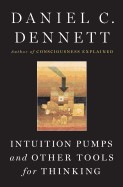
Thought experiments and other tools a philosopher uses to reason carefully.
Recommended by: Patrick Collison, Shane Parrish
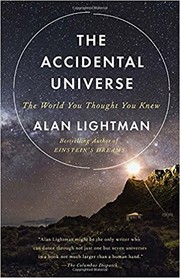
Essays on how scientific findings change our sense of our place in the cosmos.
Recommended by: David Perell, Patrick O'Shaughnessy
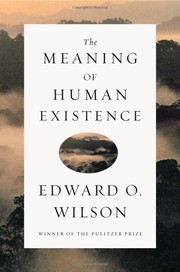
A biologist on why humanity exists, where it came from and where it is going.
Recommended by: David Perell, Ray Dalio
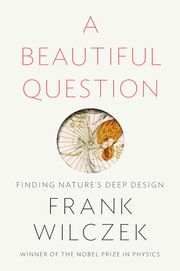
Whether the universe embodies beautiful ideas, from a Nobel physicist.
Recommended by: Patrick Collison
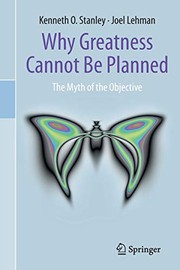
Why chasing fixed objectives stifles discovery in science, education and life.
Recommended by: Ev Williams
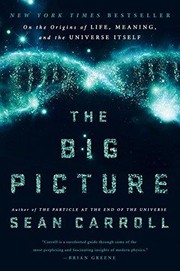
From the origin of the universe through life and consciousness to what it all means.
Recommended by: Elon Musk, Scott Farquhar
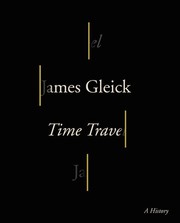
The history of the idea of time travel, from H. G. Wells on, in fiction and science.
Recommended by: Stewart Brand
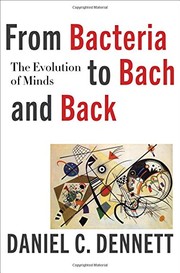
How evolution produced minds and consciousness, from bacteria to human culture.
“Another of my favorites this year.” — Vinod Khosla
Source: 2017 Book Recommendations — Vinod Khosla, Medium
Recommended by: Ray Dalio, Vinod Khosla, Esther Dyson
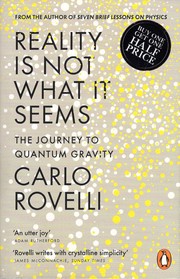
The nature of space, time and the quantum world, on the road to quantum gravity.
“This is the best book I've read in the last year. Physics, poetry, philosophy, and history packaged in a very accessible form.” — Naval Ravikant
Source: Naval's Recommended Reading — The Almanack of Naval Ravikant
Recommended by: Naval Ravikant
Essays on human evolution, ecology and society.
Recommended by: Arianna Huffington
Korzybski's general semantics applied to investing and clear thinking.
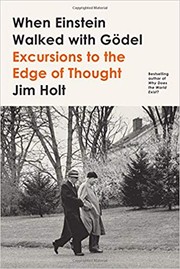
Essays on the deepest ideas of science and mathematics, from time to infinity.
Recommended by: Bryan Johnson
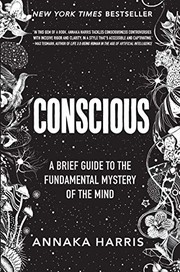
Why matter is conscious at all, where consciousness resides, and free will.
“The second, which is also a fairly fairly new book, is called Conscious: A Brief Guide to the Fundamental Mystery of the Mind. It's by Annaka Harris, and this is what they call the hard problem.” — Matt Mullenweg
Recommended by: Matt Mullenweg
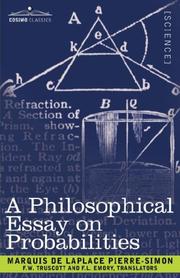
An introduction for lay readers to the concepts and uses of probability theory.
Recommended by: Patrick Collison
How to guard against beliefs that a changing world has made obsolete.
Recommended by: Patrick O'Shaughnessy
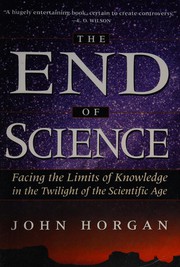
Interviews with leading scientists on whether science is reaching its limits.
Recommended by: Bryan Johnson
A defence of economic freedom, drawing on evolution, play and free societies.
Recommended by: Vlad Zamfir
The mind-body problem from Descartes to today, and a case for neutral monism.
Recommended by: Patrick Collison, Mario Gabriele
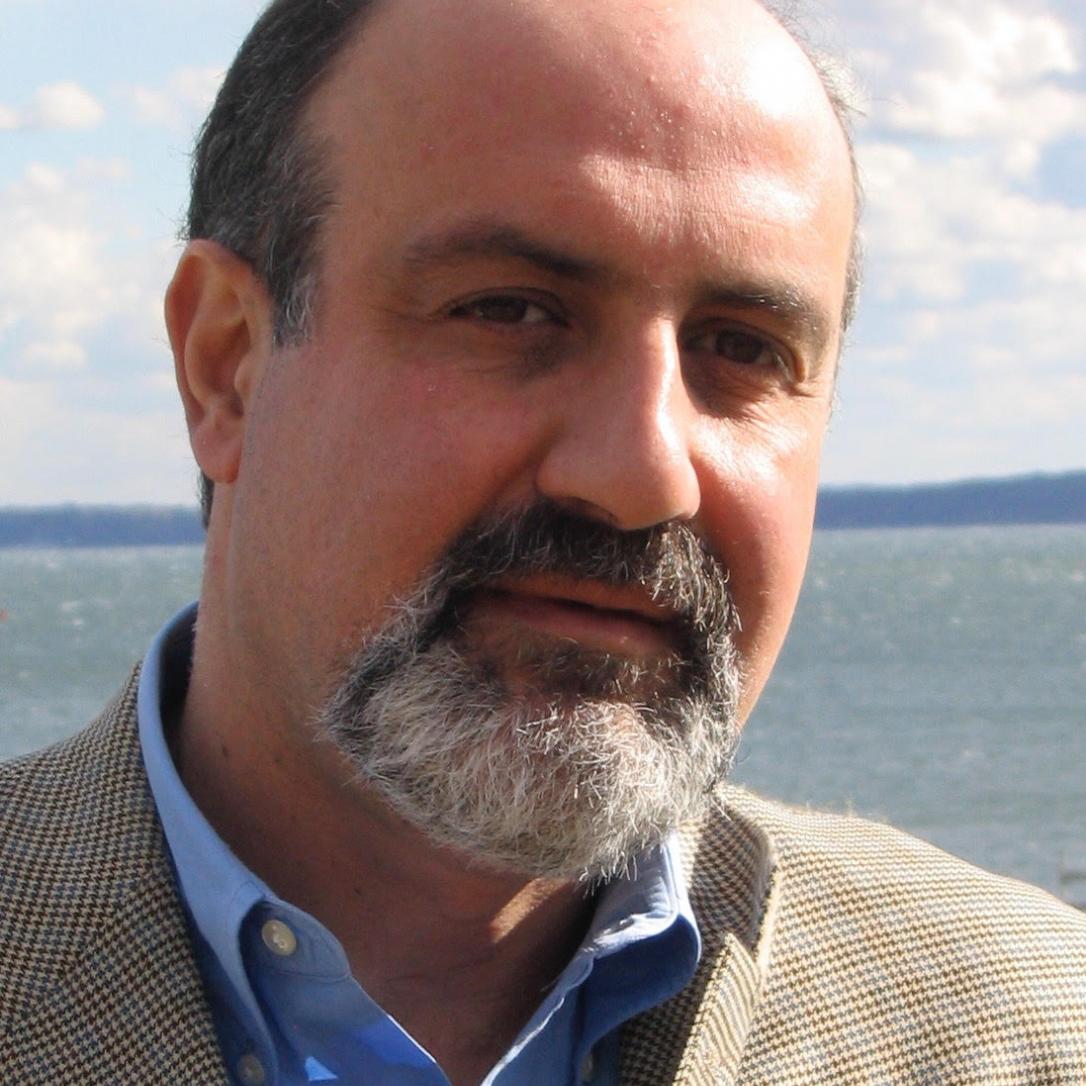 Nassim Nicholas Talebwrote 1 book here
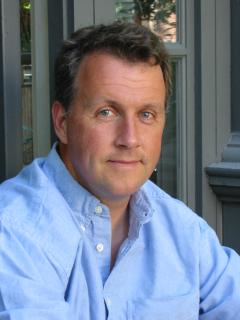 Paul Grahamwrote 1 book here
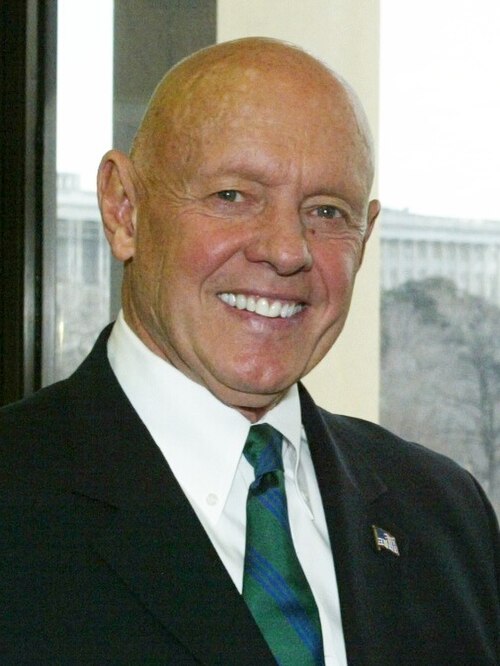 Stephen Coveywrote 1 book here
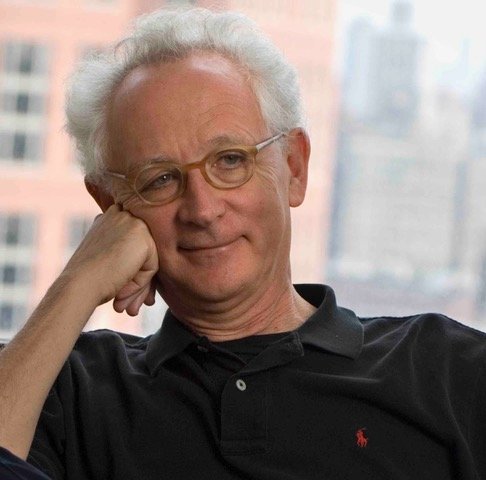 Emanuel Dermanwrote 1 book here
 Patrick Collisonrecommends 29 books here
 Mohnish Pabrairecommends 14 books hereNassim Nicholas Talebrecommends 10 books here
 Naval Ravikantrecommends 8 books here
 Marc Andreessenrecommends 6 books here
 Nat Eliasonrecommends 5 books here
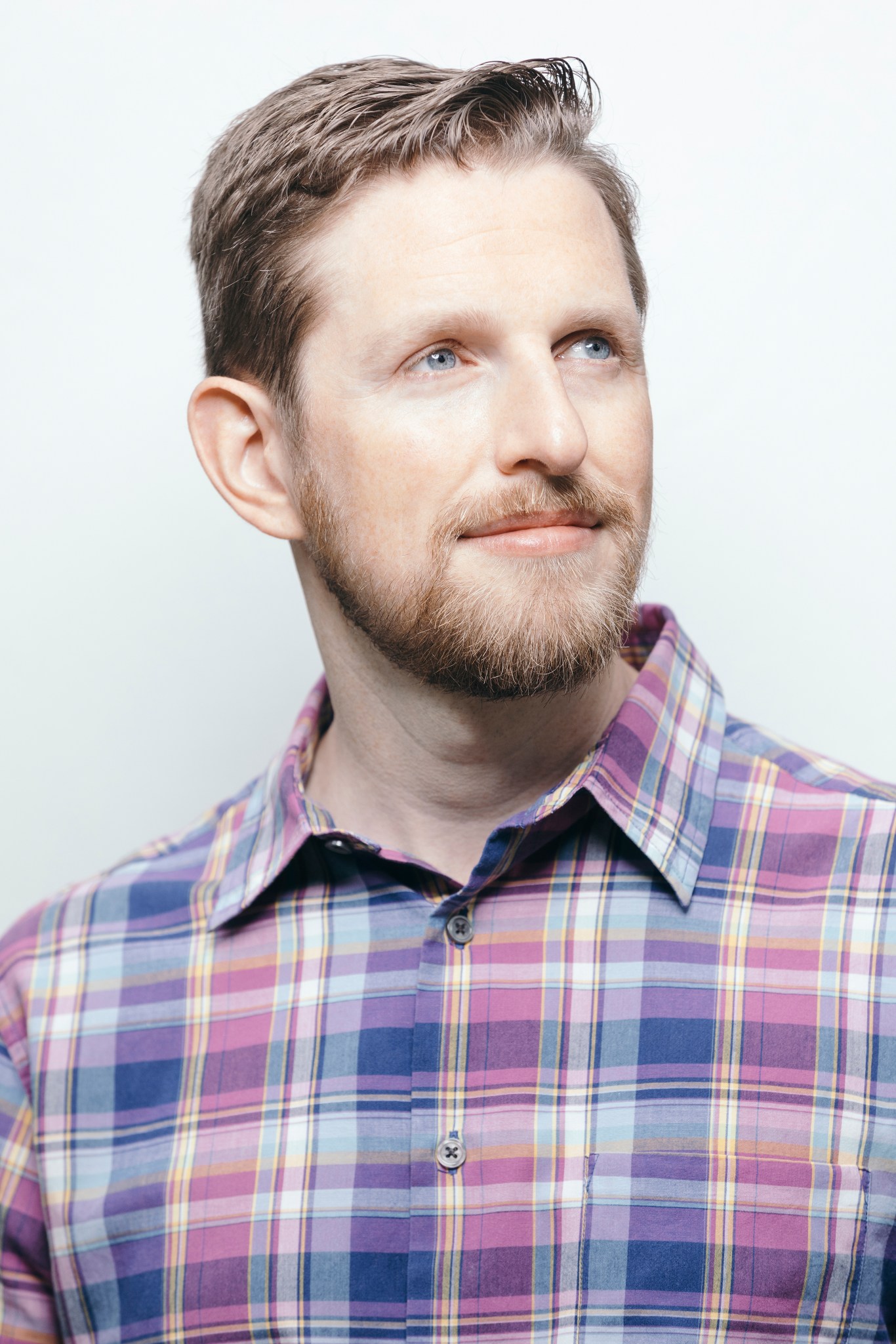 Matt Mullenwegrecommends 4 books here
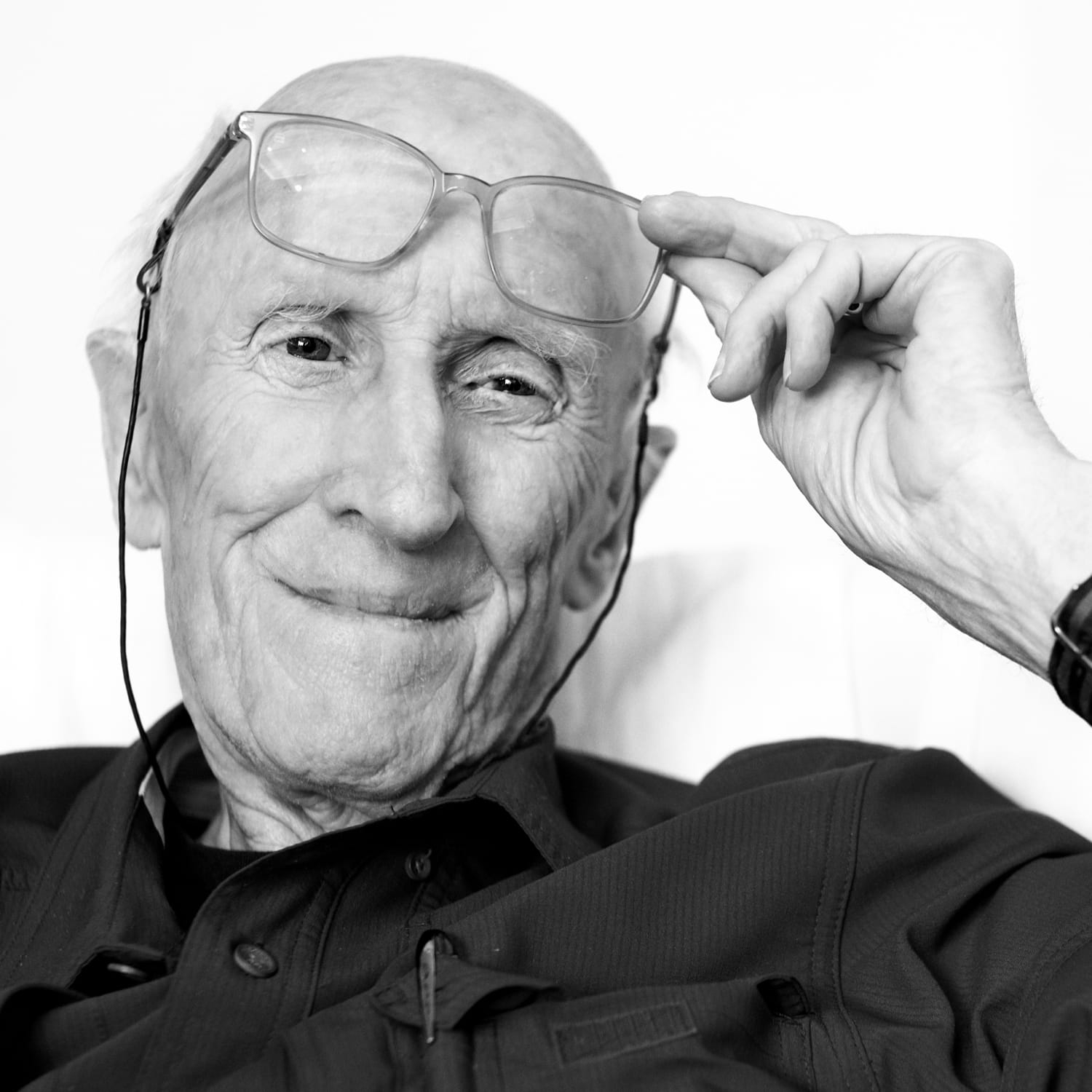 Stewart Brandrecommends 4 books here
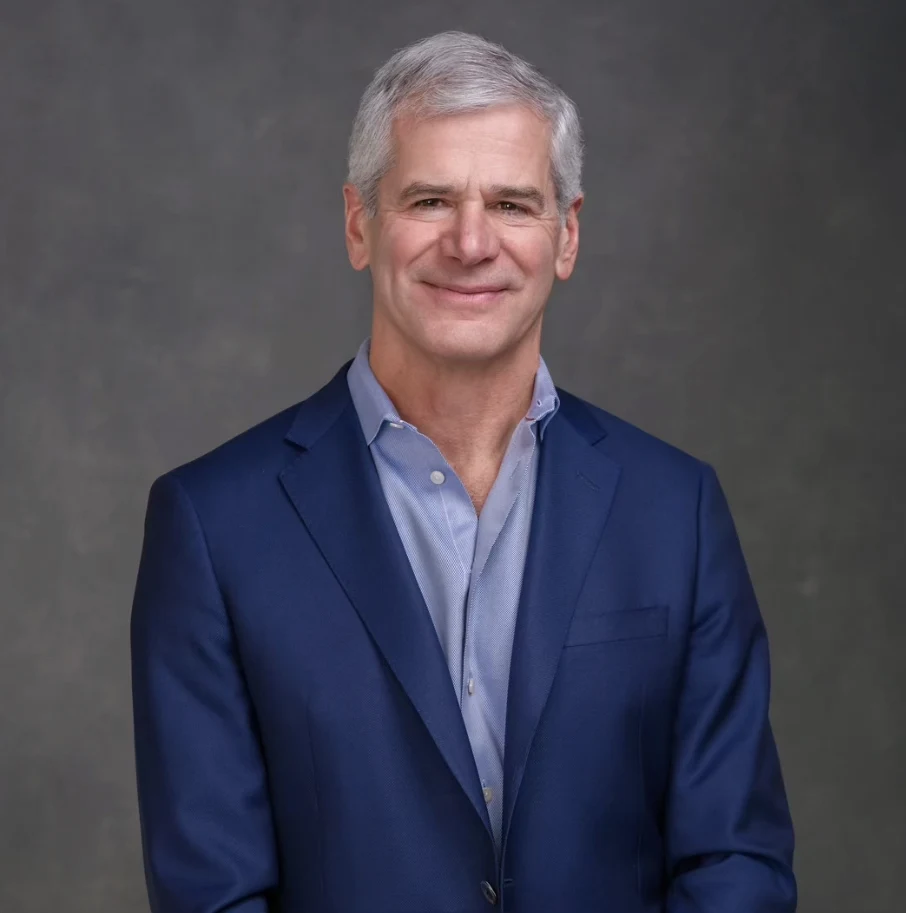 Michael Mauboussinrecommends 3 books here
 Ray Daliorecommends 3 books here
Show all 69
 Bryan Johnsonrecommends 3 books here
 Eric Weinsteinrecommends 3 books here
 Charlie Mungerrecommends 2 books herePaul Grahamrecommends 2 books here
 Chris Andersonrecommends 2 books here
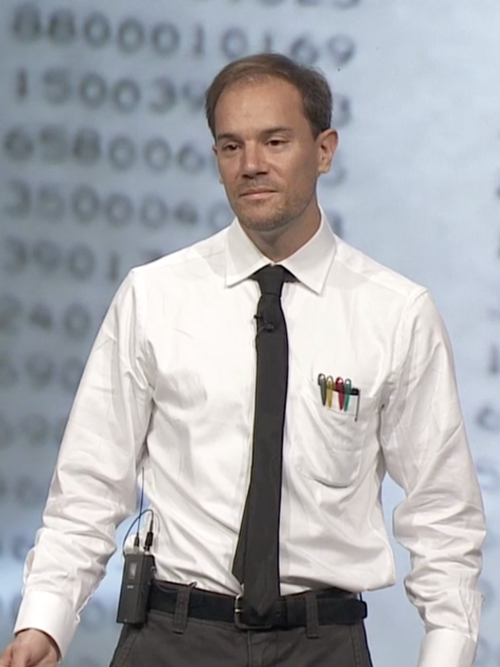 Bret Victorrecommends 2 books here
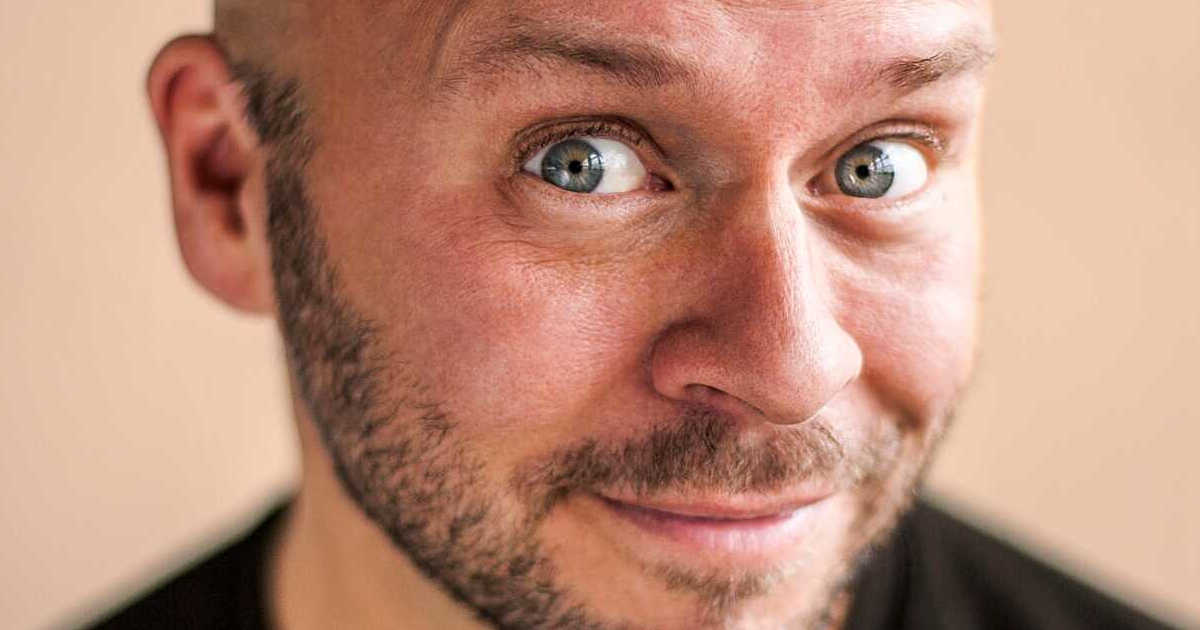 Derek Siversrecommends 2 books here
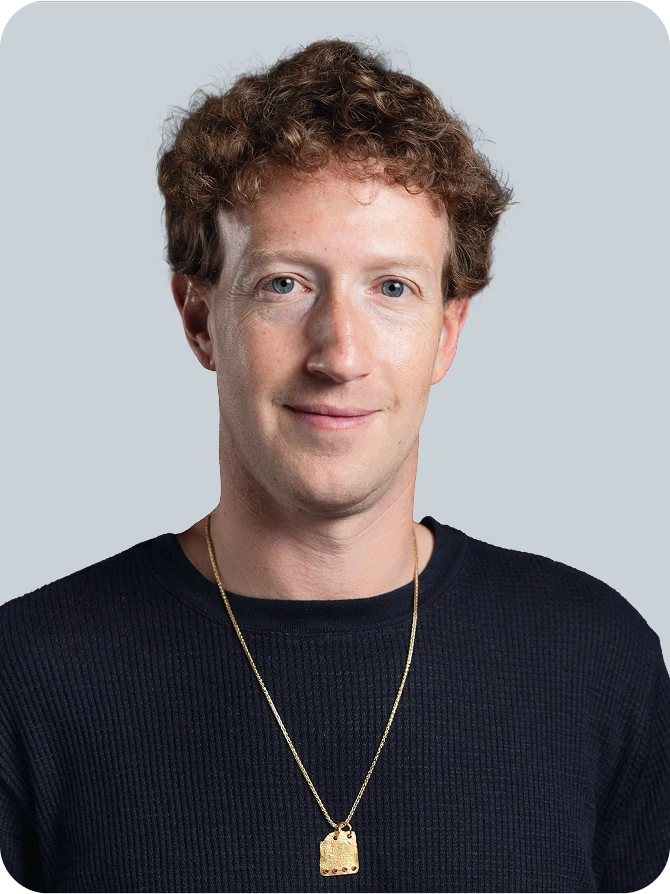 Mark Zuckerbergrecommends 2 books here
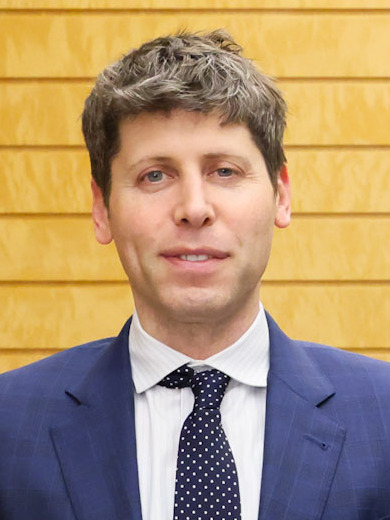 Sam Altmanrecommends 2 books here
 Steve Jurvetsonrecommends 2 books here
 Howard Marksrecommends 1 book here
 Jim Collinsrecommends 1 book here
 Peter Thielrecommends 1 book here
 Warren Buffettrecommends 1 book here
 Brad Feldrecommends 1 book here
 David Einhornrecommends 1 book here
 Jason Zweigrecommends 1 book here
 Kevin Kellyrecommends 1 book here
 Morgan Houselrecommends 1 book here
 Ryan Holidayrecommends 1 book here
 Simon Sinekrecommends 1 book here
 Albert Wengerrecommends 1 book here
 Arianna Huffingtonrecommends 1 book here
 Bill Gatesrecommends 1 book here
 Brian Armstrongrecommends 1 book here
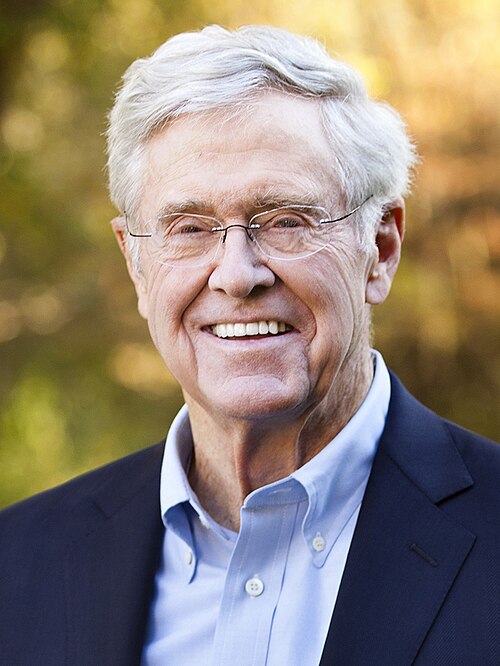 Charles Kochrecommends 1 book here
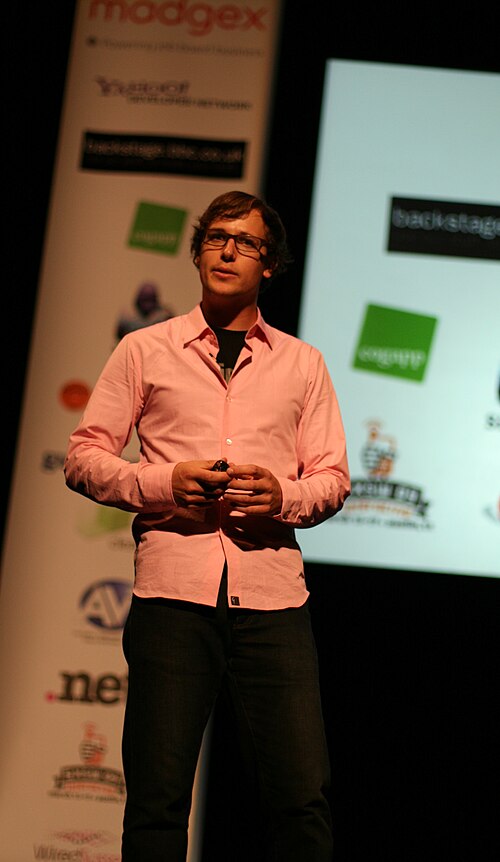 Daniel Burkarecommends 1 book here
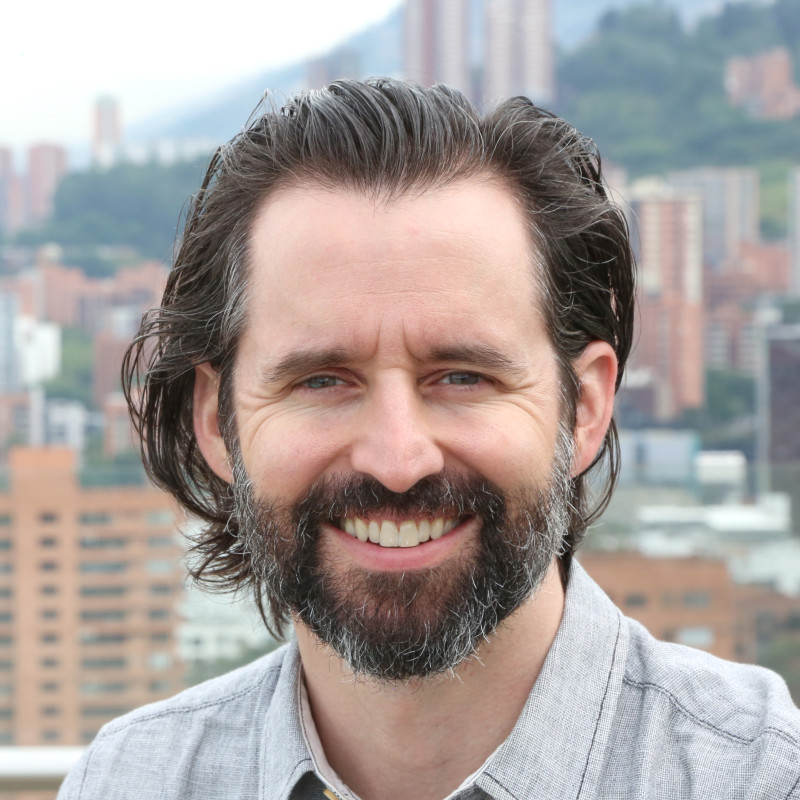 David Kadavyrecommends 1 book here
 Demis Hassabisrecommends 1 book here
 Dustin Moskovitzrecommends 1 book here
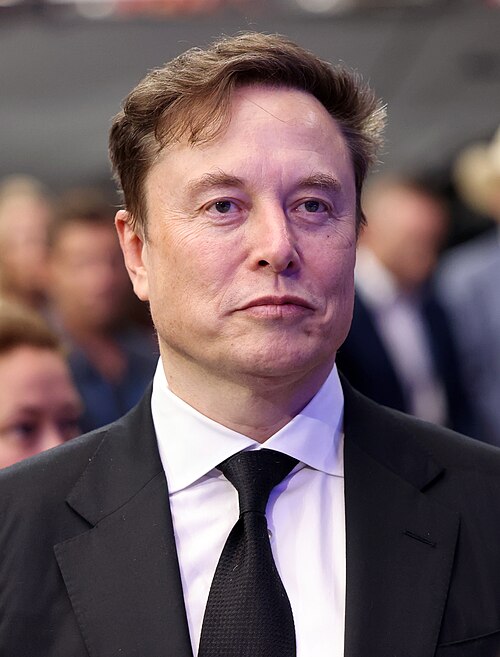 Elon Muskrecommends 1 book here
 Esther Dysonrecommends 1 book here
 Ev Williamsrecommends 1 book here
 James Altucherrecommends 1 book here
 James Cameronrecommends 1 book here
 Jeff Bezosrecommends 1 book here
 John Maedarecommends 1 book here
 Josh Wolferecommends 1 book here
 Larry Pagerecommends 1 book here
 Raoul Palrecommends 1 book here
 Scott Farquharrecommends 1 book here
 Steve Jobsrecommends 1 book here
 Terrance McArthurrecommends 1 book here
 Tim Ferrissrecommends 1 book here
 Tristan Harrisrecommends 1 book here
 Vinod Khoslarecommends 1 book here
 Vlad Tenevrecommends 1 book here